Cow
What it is
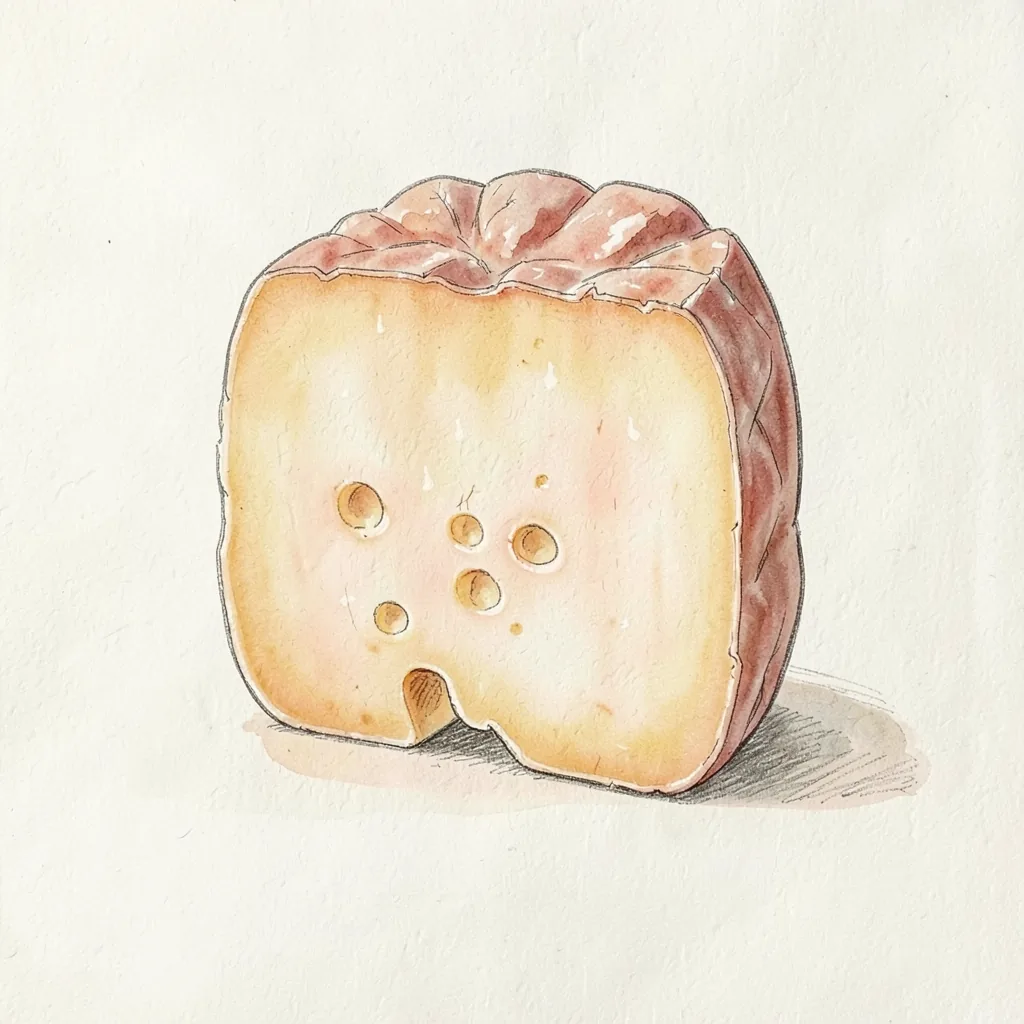
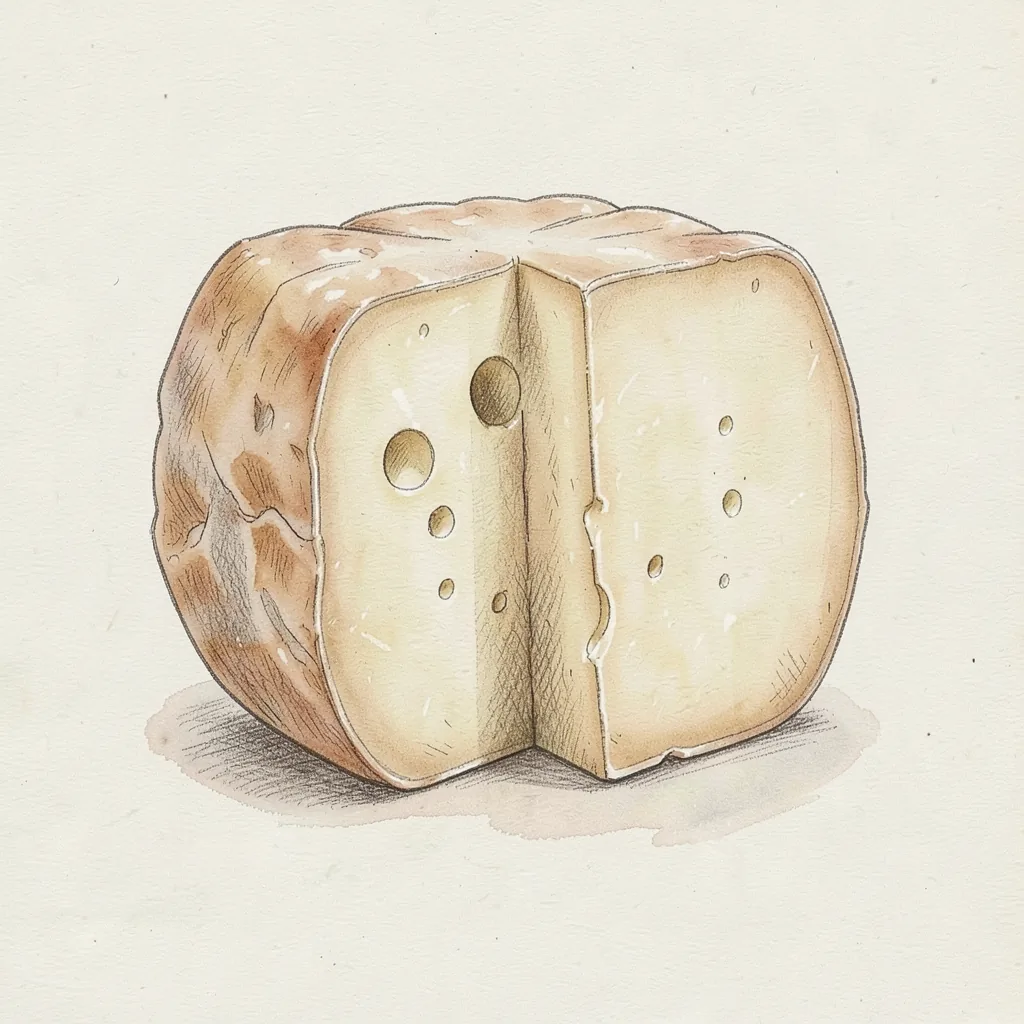
The cheese is low in fat because the milk is skimmed, and the set comes from acid rather than from rennet. A grey mold on the surface gives the cheese its name. The smell is strong, and the taste runs from sour in a young piece to sharp and savory when the loaf is ripe.
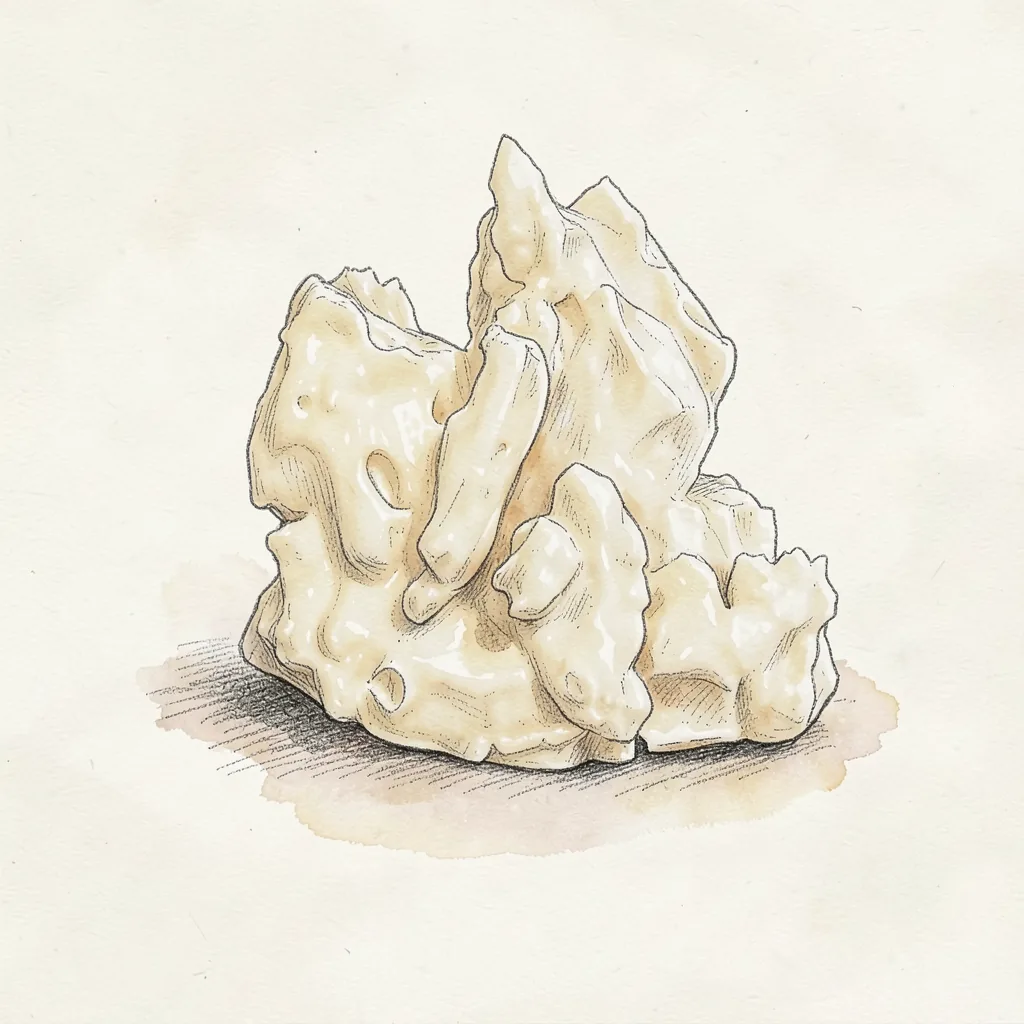
Tiroler Graukase is the German name you will see on many Austrian labels, and Graukase is the shorter form. The cheese is pressed into a loaf or a bar, not packed as a smooth spoonable quark. A young center can still look curd-like and taste tart, and with time the paste becomes moister while the flavor grows pungent. The grey rind stays thin and crackled. This is not a bloomy white cheese and not a blue, and the mold you see is the coat that names it.
History
Sour-milk cheeses were a practical way to use skim milk after cream had been taken for butter, and Tyrolean grey belongs to that habit in Austria. The method needs no rennet, which made it possible where people already soured cow's milk for quark. Grey mold on the rind was not treated as a fault, and it became the mark of the cheese. The style stayed tied to Austrian cooking, especially where a sharp, lean cheese was wanted on bread or in a hot dish.
English labels often say Tyrolean grey, while German labels say Tiroler Graukase or simply Graukase. A related grey cheese is also made in northern Italy, but the cheese described here is the Austrian one. Shoppers should judge a piece by the grey rind, the sour smell, and the lean paste, not by a long story on the pack. What matters in the kitchen is that sharp, low-fat character. Fresh quark is the idea at the start, and the ripened loaf is the cheese you actually slice or crumble.
How it is made
Skimmed cow's milk is soured with lactic cultures until it sets into a quark-like curd. Rennet is not part of the traditional method, and acid does the setting. The curd is salted, pepper is sometimes mixed in, and the mass is pressed into forms so whey can drain. No cream is added back, which is why the loaf stays lean. After forming, the cheese rests until a grey mold grows on the outside, and makers leave that coat in place.
Time in the ripening room changes the loaf. Early on, the interior can stay crumbly and brightly sour, and later the paste turns more supple toward the center while the flavor becomes spicier. The rind stays thin, with fine cracks, and makers do not wash it orange or grow a white bloomy coat. The finished cheese is a sour-milk loaf with a grey surface. Acid and surface mold define it more than brine or heat.
Taste
A young piece tastes cleanly sour, tangy, and lean, with a crumbly bite and a smell that is already stronger than fresh quark. Salt and, in some loaves, pepper sit on top of that lactic tang. As the cheese ripens, the aroma grows penetrating, and the flavor moves from tart to sharp and savory. The rind smells stronger than the center. People who know only mild creamy cheeses are often surprised, and the taste is direct rather than sweet or buttery.
Texture helps you decide when to eat it. The edge can be crumbly and dry while the inside of a ripe loaf is moister, and that contrast is normal. It does not melt into a glossy stretch, though it softens with heat and keeps its tang. There is no creamy coating on the tongue, because the fat is very low. If the smell is strong but the taste is still pleasantly sour and salty, the cheese is in its useful range.
In the kitchen
Thin slices or crumbs on buttered bread are the plain way to eat Tyrolean grey. The fat is on the bread, and the cheese brings acid and aroma. It also goes into dumplings and other hot dishes where a sharp cheese is mixed with potato or dough. Because it is lean, it will not make a rich sauce by itself, so pair it with butter, onion, or a little oil and vinegar. Use small amounts until you know how pungent your piece is.
A very fresh, curd-like center can be crumbled into a salad or a spread with herbs, and a riper loaf is better in thin pieces or in a hot dish. Quark can replace it only when you want fresh tang, not when you want the grey cheese aroma. Harzer and Handkase are German sour-milk cheeses with a similar pungent lean character, and they are the closer swaps. Do not substitute a bloomy cream cheese and expect the dish to taste right.
Around the world
Outside Austria, Tyrolean grey is a specialty more than a supermarket staple. You are more likely to find it at a shop that carries Alpine or German-speaking dairy foods, or to meet it on a table in Austria. English-speaking cooks often know quark and do not know this ripened grey version, and treating them as the same cheese leads to the wrong flavor. Quark is fresh and milder by comparison, while grey cheese is the aromatic loaf. Ask for Graukase if the English name is missing.
In other countries, sour-milk cheeses such as Harzer and Handkase share the low fat, the strong smell, and the acid tang. None of them is Austrian grey cheese, but they are closer than a mild Gouda. If you cannot find the Austrian loaf, use one of those pungent sour cheeses in a cooked dish and taste as you go. For a bread snack, a firm quark with onion is milder but still in the sour family.