Cow
What it is
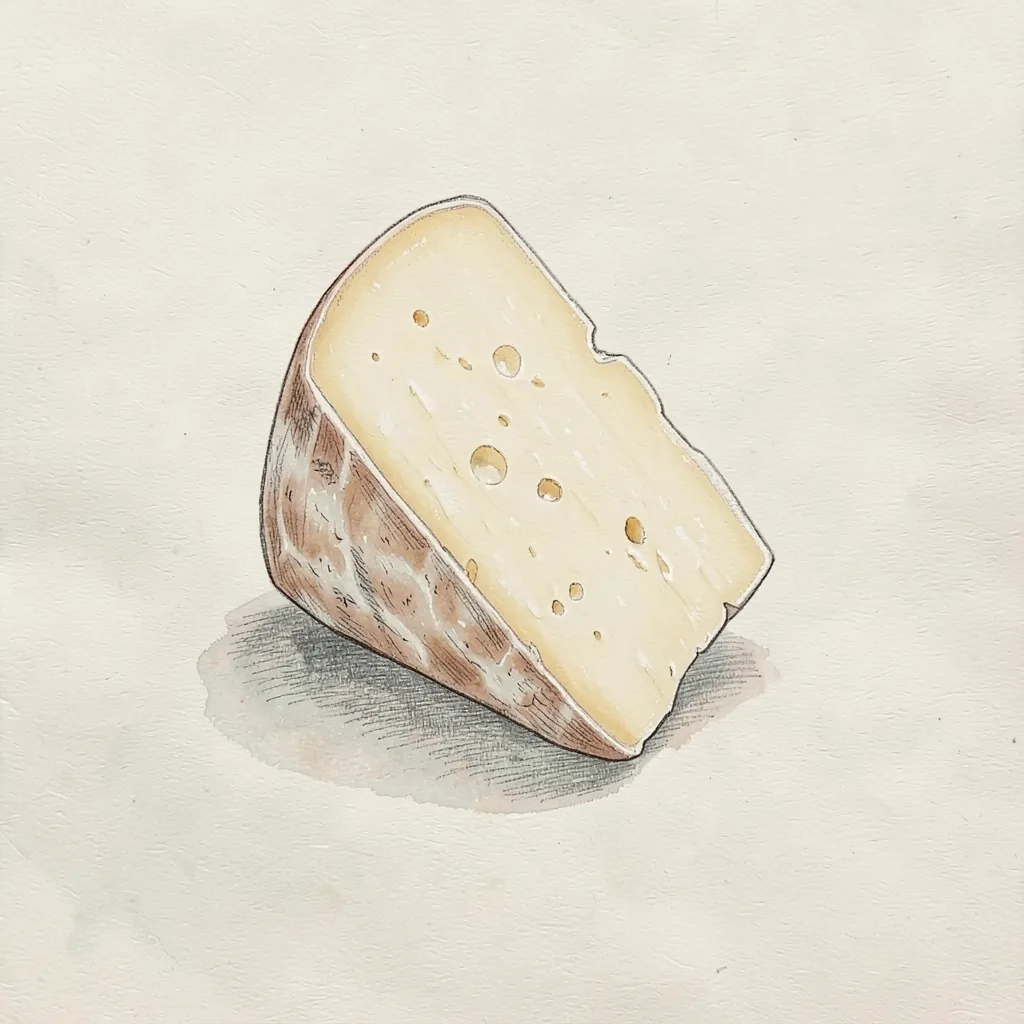
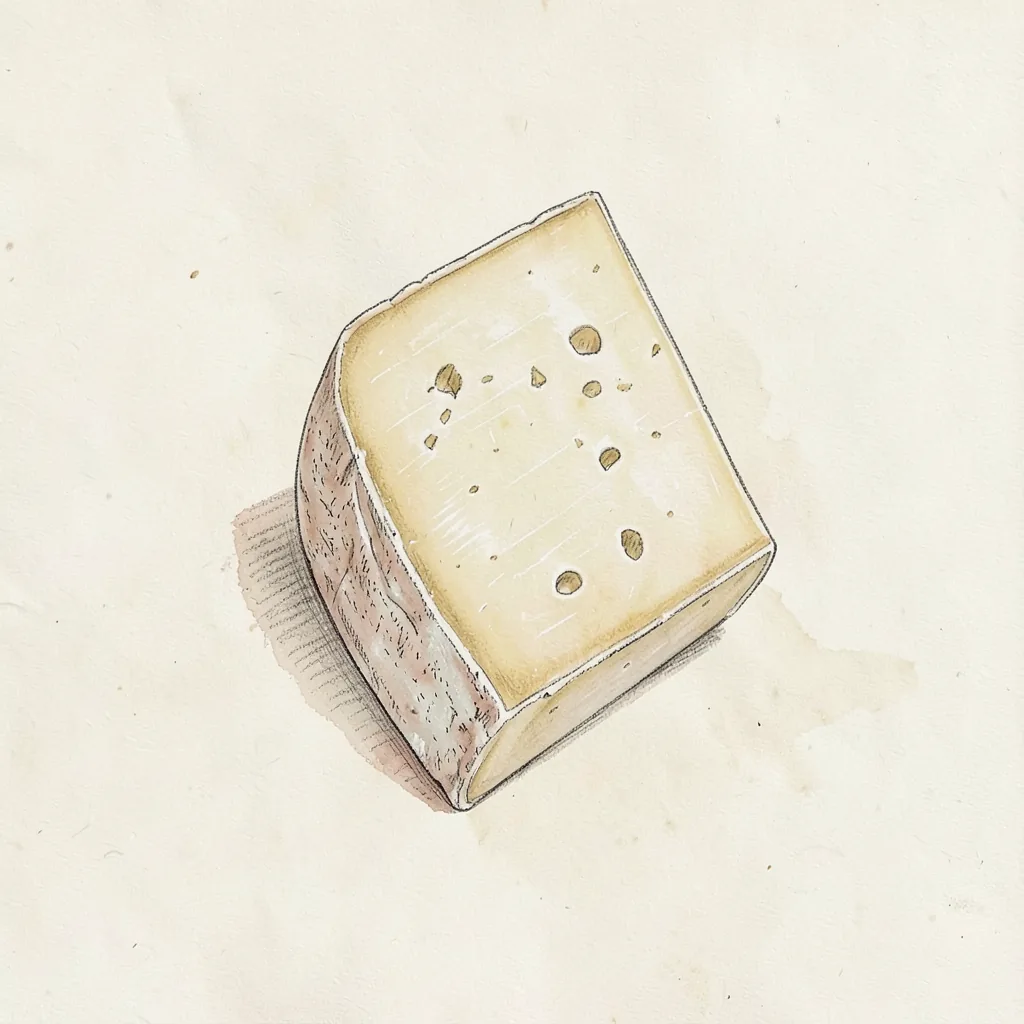
In local speech the name sits beside toma, and many wheels from the same dairies are often sold under one spelling or the other. The cheese is a round with a thin natural rind and a pale, supple paste. Young pieces taste mild and milky. Cheese kept longer turns a little firmer and more savory, but it stays a table cheese rather than a hard grating block.
Whole-milk versions feel softer and sweeter. Cheeses made after some of the cream is removed taste leaner and a bit sharper. Small eyes in the paste are normal and not a fault. The rind is edible for many people, though it is firmer and earthier than the center. Tuma belongs with other pressed cheeses of northern Italy, not with fresh spreadable curds.
History
Pressed cheeses under this name have long been made across Piedmont, in mountain valleys and on lower farms alike. Milk was turned into wheels that could be kept and carried to market. The spelling tuma and the spelling toma both come from local dialect, and they often name the same family. That overlap still confuses shoppers who expect two different recipes. The cheese remained a regional food, eaten at the table and cooked with simple starches.
A separate southern Italian use of the word tuma means a very young, unsalted cheese eaten before it becomes a pecorino. That product is not the Piedmont wheel. The shared name is a language overlap, not proof of one recipe. In Piedmont the cheese is salted, pressed, and given time to form a rind. Buyers should read the region on the label, because a fresh southern curd called tuma will not cook the same way.
How it is made
Makers warm cow's milk and set it with rennet. The curd is cut and stirred so whey can leave, then gathered into round molds. A press gives the wheel its compact shape without making the paste brittle. Salt goes on the surface or into a brine, depending on the dairy. The wheel is turned while a thin, pale natural rind develops.
Some dairies use raw milk and some use pasteurized milk. Some skim a little cream before the set, which yields a firmer, more savory cheese. Others keep the full milk and get a softer, milder paste. The curd is not stretched, smoked, or pierced for blue mold. The goal is a sliceable wheel with a clean cow's milk flavor, not a brittle grating block.
Taste
A young Tuma tastes sweet, buttery, and lightly salted, with a fresh, clean milk aroma. The paste is pale yellow or ivory and yields gently under the knife. Small irregular holes are common and do not mean a fault. As the cheese rests, a gentle tang and a light nutty note appear. It should not taste bitter, soapy, or sharply acidic.
The rind can add a faint cellar note, which some people like and others trim off. A partly skimmed wheel is drier and more savory than a whole-milk wheel of the same age. Neither style has the punch of a long-aged sheep cheese. Smell the cut face before you buy if the counter allows it. A clean, milky scent is the one you want.
In the kitchen
Slice Tuma for a board with bread, nuts, and a mild fruit paste. It also melts in a simple way, so it can go into polenta, a vegetable soup, or a toasted sandwich. Grate a firmer piece over warm dishes when you want a gentle savory finish rather than a sharp one. Do not cover it with strong spices. The flavor is quiet and will disappear under a heavy sauce.
Pair it with potatoes, mushrooms, or roasted peppers, which are common partners in northern Italian cooking. A young wheel is better melted or eaten in thick slices. An older, drier wheel can be grated. Keep the cut cheese wrapped and cold, and let slices warm a little before a board. If the rind is very dry, trim it for cooking and keep it only when the flavor is still pleasant.
Around the world
Outside Italy, Tuma is less famous than many northern Italian cheeses, and the spelling causes mix-ups. A shop may file it with toma, tomme, or a generic mountain wheel. Ask whether the cheese is from Piedmont and whether it is cow's milk. Fontina from the Aosta Valley is a neighbor in the kitchen, though it is often nuttier and better known for melting. Raschera is another Piedmont pressed cheese, usually leaner and more angular in flavor.
If a label says tuma but the cheese is a soft, unsalted curd from the south of Italy, you have the other meaning of the word. That curd is for quick eating, not for a long-kept board. In export shops the Piedmont wheel may appear only under the spelling toma. Treat the region and the texture as the guide, not the vowels in the name. A mild pressed cow's milk cheese is the fair substitute when the Piedmont wheel is missing.