Mixed milk
What it is
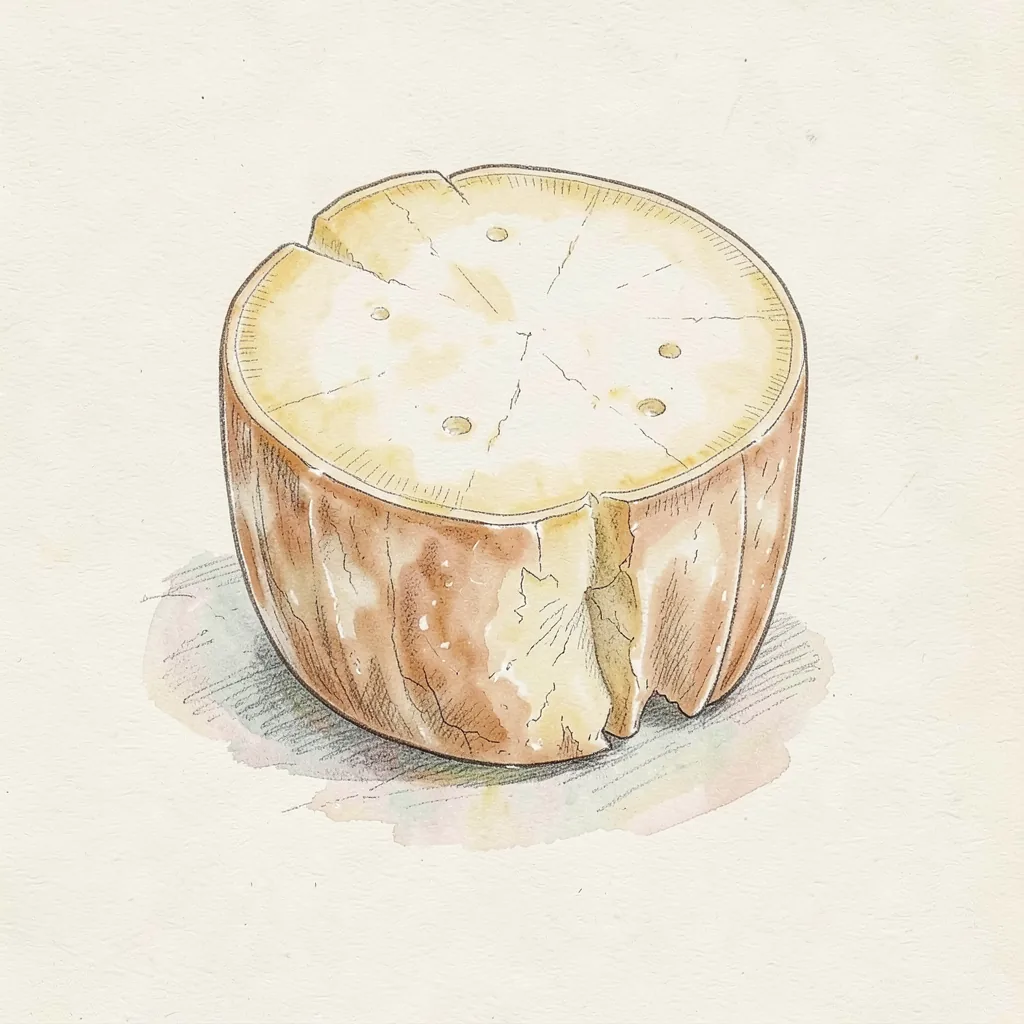
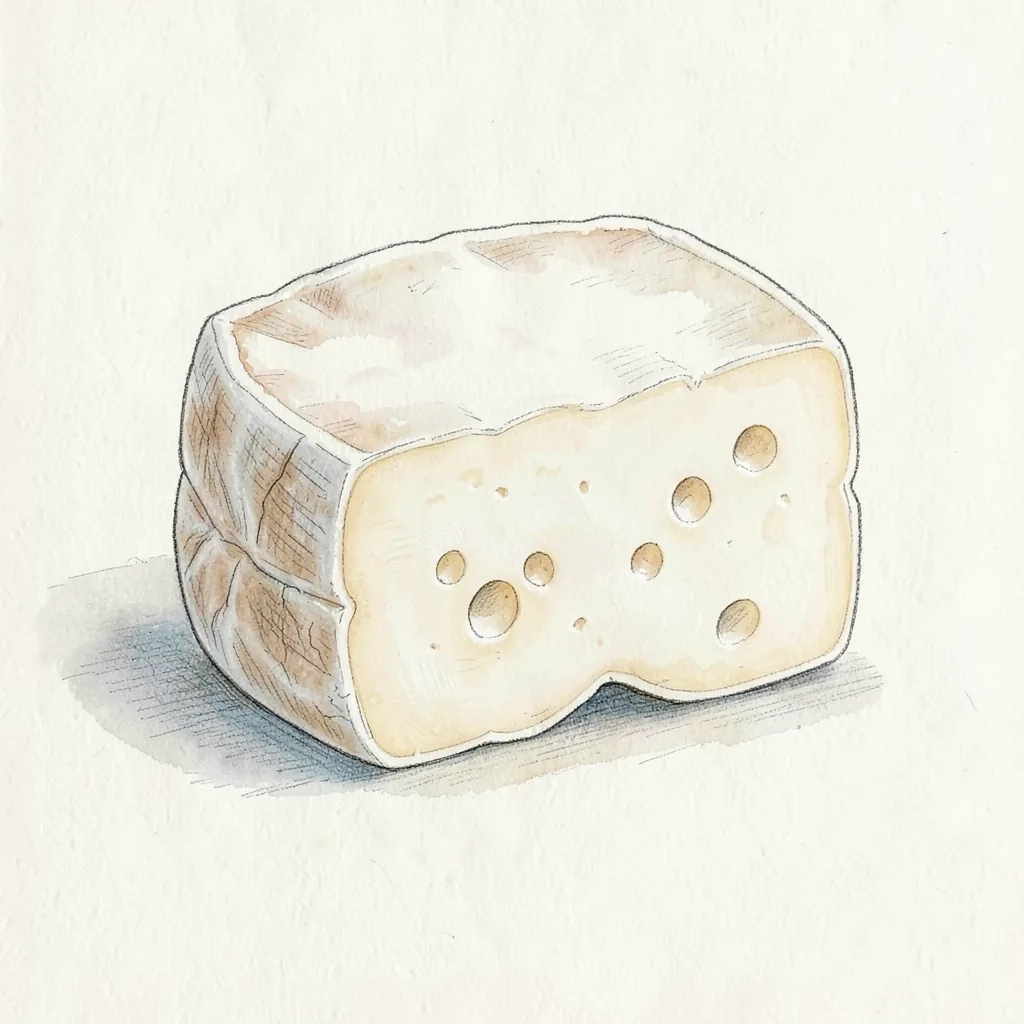
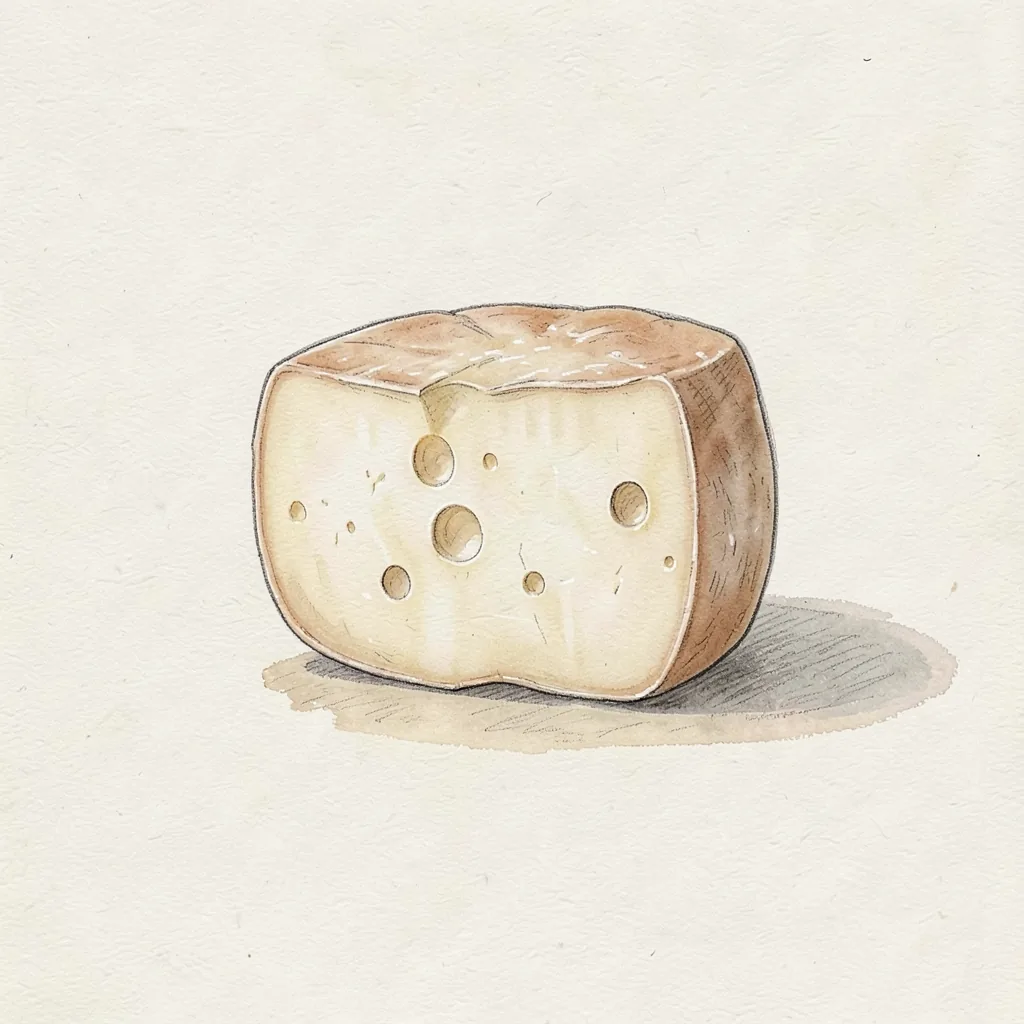
Makers use cow's milk or sheep's milk, so the milk changes with the batch rather than staying one species. Fresh curd, or pieces of cheese, go into a small glazed jar called a tupí, together with a strong liquor. The mix ferments until it is soft, creamy, and very pungent. You eat it as a spread, not as a neat slice cut from a wheel.
The paste is fatty and soft, with an aftertaste of the liquor used in the jar. Some batches also take olive oil, which adds richness without calming the flavor. The taste is sharp, tangy, and persistent, so people put only a small amount on country bread. It can go into a sauce when a cook wants that intensity. Some Pyrenean makers sell it in the jar, and it is not a mild block, because the smell arrives first.
History
The name is the jar. In Catalan mountain households, a tupí was the earthenware pot, and the cheese took that name because the pot was where it ripened. Kitchens used the method to keep curd and to reuse cheese that had dried or broken. That thrift is the heart of the history in this pastoral range. Spain is the country, the Pyrenees and Pre-Pyrenees are the region, and the culture around the cheese is Catalan.
Writers treat Tupí as one of the cheeses counted as Catalan in origin, beside other strong pastes from the same mountains. For a long time it stayed a household food rather than a creamery brand. Later, some mountain makers began to sell it, often still packed in the traditional pot. The liquor, the jar, and the powerful taste remain the markers you can trust. A label that says formatge de tupí is the same cheese under the Catalan name.
How it is made
Curds from cow's milk or sheep's milk, or pieces of cheese already made, are drained until they hold as a tight mass. That mass goes into the tupí, and aguardiente or another strong spirit is added. The mixture is stirred at the start so the liquor reaches the paste. The jar is covered and kept cool and dry while the cheese ferments and softens. It becomes creamy and strong, and olive oil is sometimes added after fermentation.
This is not a pressed wheel with a rind, and it is not a blue with veins. Fermentation in the pot is the step that defines the food. Traditional batches often saved imperfect cheese, including curd left from other mountain makes. Some makers now use fresher curd and a gentler drink, while others stay with a fierce liquor. The jar and the soft pungent result are the constants, so buy the finished cheese and do not treat this as a home recipe.
Taste
The taste is strong, sharp, and tangy, and it stays after the bread is gone. Liquor leaves a clear aftertaste, and olive oil, when used, rounds the fat without making the cheese mild. The texture is soft and spreadable, closer to a thick cream than to a dry crumb. Sheep's milk batches taste fuller and cow's milk batches a bit lighter, but both are Tupí when the jar method is the same. Salt and fermentation do the work, so a small smear is the right serving.
People who expect a fresh mild curd are surprised by the first smell. The aroma is aggressive and persistent, with the spirit still readable. Bread, honey, or tomato sauce can take the edge off, which is a known mountain way to eat it. On its own the cheese is savory, spicy, and a little wild, not like a blue or a firm brined cube. If you like that intensity, the creamy body is the pleasure, and if the smell is too much, use less.
In the kitchen
Spread a thin layer on country bread, and serve something sturdy to drink with the traditional plate. The cheese is also stirred into sauces, where tomato or honey can balance the liquor note. A spoonful in vegetables near the end of cooking can deepen a pot. Heat sends the aroma through the kitchen, so use a light hand. Do not grill it as a steak of cheese, because there is no rind and no slice that holds on a grate.
Grating has no meaning here, because the paste is already soft and sticky. On a board, set out a small pot and a knife, not a large wedge beside mild crackers. Guests who like strong mountain cheeses are the right audience, and others may want a milder cheese nearby. In cooking, think of Tupí as a seasoning paste as much as a main cheese. A little changes a sauce, so start small and add more only if the liquor note still feels light.
Around the world
Outside Catalonia, Tupí is a rare sight on a cheese counter. Cheese maps call it a fermented cheese of the Pyrenees and Pre-Pyrenees, and many foreign shops never see the jar. Travelers in that region are most likely to meet it at a maker or a local shop. Formatge de tupí and queso de tupí are the Catalan and Spanish names for the same pot. It does not travel like a standard export, and the limit is custom and strength, not a recipe to copy at home.
Cooks abroad sometimes reach for other strong spoonable cheeses when the jar is missing. Torta del Casar is a soft Spanish sheep's milk cheese, and it can cover the spread without the liquor. Bryndza can stand in for a pungent paste on bread, and the match is only in the kitchen. Serra da Estrela is another soft Iberian cheese that a description can confuse with Tupí. None of those is fermented in a tupí with spirit, so serve the real cheese plainly and warn guests about the smell.