Cow
What it is
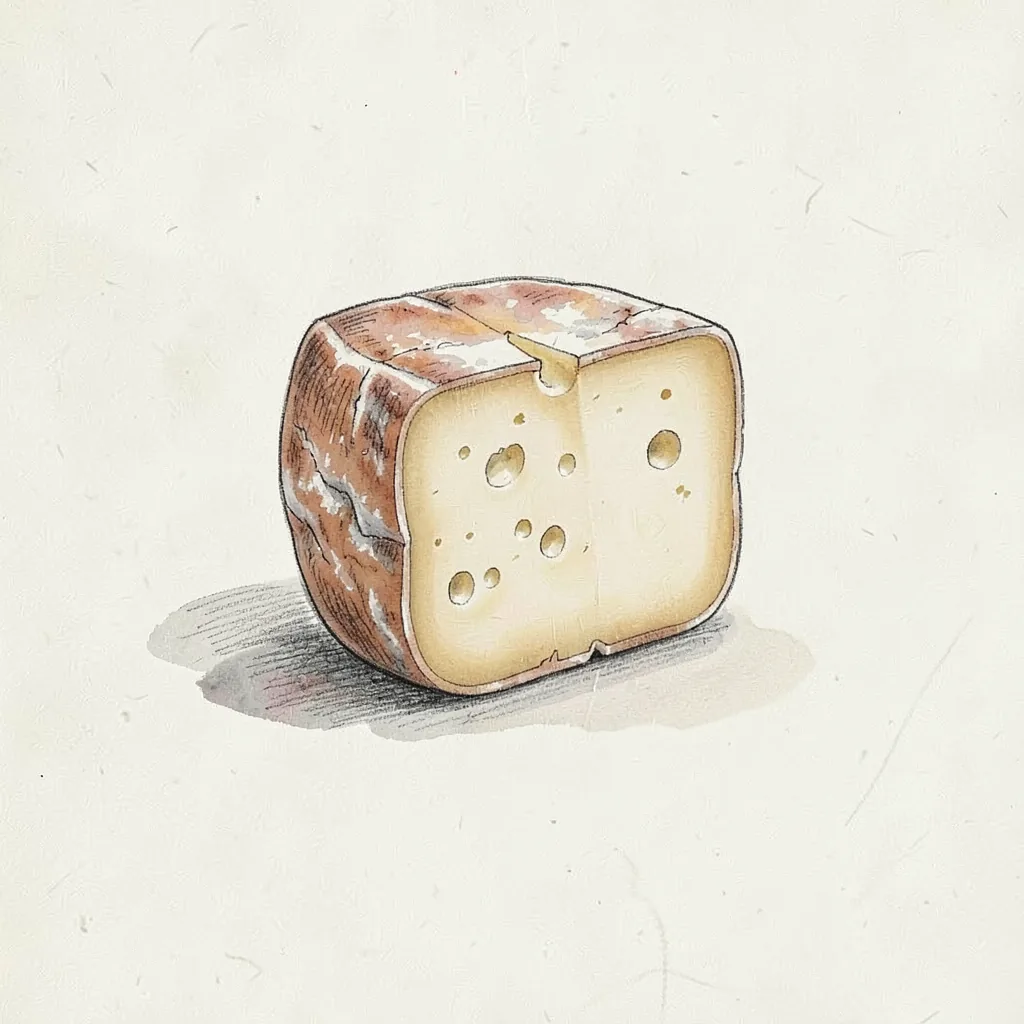
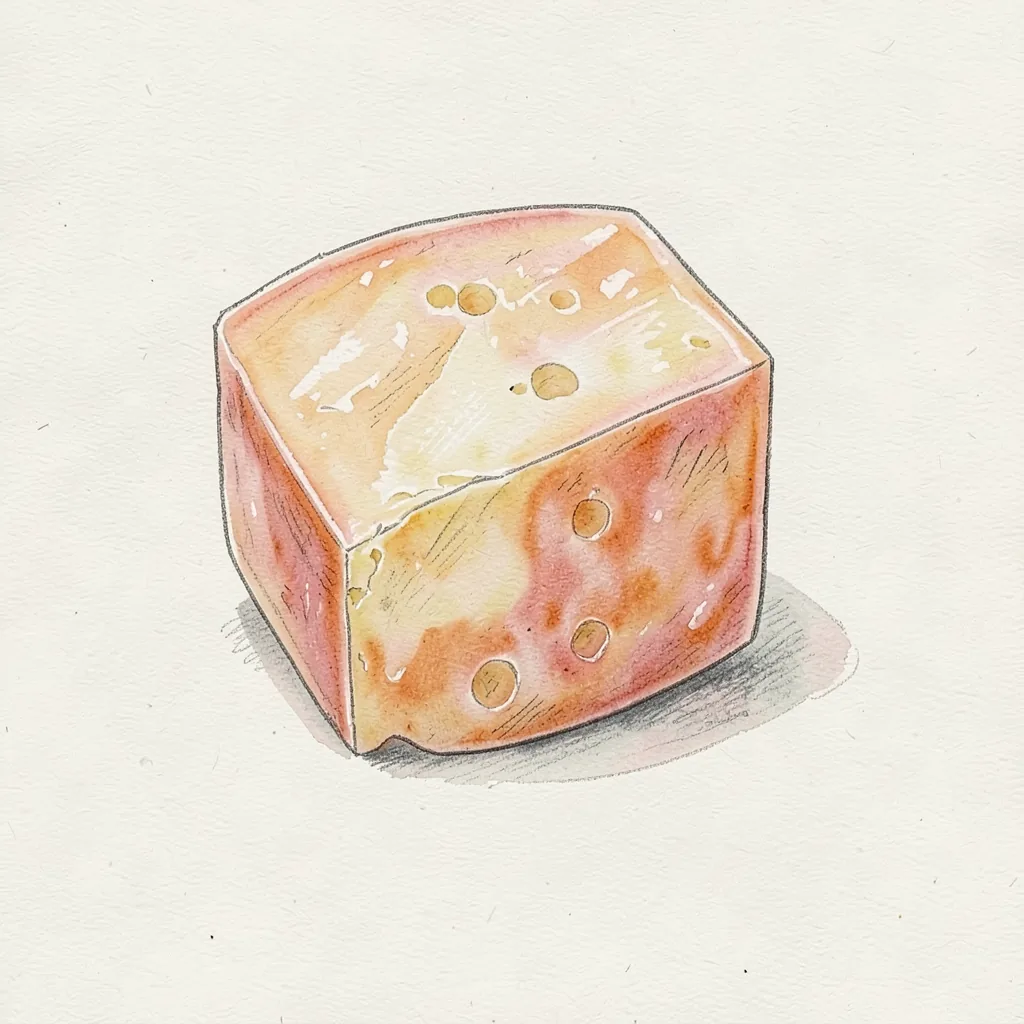
It is made from cow's milk and shaped as a loaf rather than a tall wheel. The paste is cream colored, with small holes under a yellow rind. Makers sometimes mix in caraway seeds, but the plain loaf is the everyday cheese. It sits with the Danish slicing cheeses that stay gentle instead of sharp.
A slice tastes smooth, slightly salty, and lactic, without the bite of a long-aged cheese. The block form makes neat slices easy for bread and the table. Young Tybo fits sandwiches, salads, and simple cooked dishes. A caraway loaf is more aromatic, while the plain loaf stays milky and soft in flavor. Both are still the same mild Danish cheese, not two different families.
History
The name points to Thy, a part of Jutland with a long farm cheese tradition. An older cheese from that district was kneaded by hand and had a sharper smell. The Tybo in shops today is a different cheese, pressed into a mild loaf for slicing. The shared place name honors the district. It does not mean the old kneaded cheese and the modern loaf are one recipe.
For a time the mild loaf was known as a table cheese because the shape suited the slicer. The name Tybo later marked it as a cheese of Thy, even though the method had changed. Today it is a standard Danish dairy cheese, made for steady supply rather than for a single season. Caraway remains a choice, not a rule. Buyers who want only the milky loaf should read the label, and they should check for seeds before they choose.
How it is made
Cow's milk is cultured and set with rennet, then the curd is cut and stirred. The pieces are pressed into a rectangular loaf, which gives a supple paste and small round eyes. Salt is worked in or added at the surface. If caraway is used, the seeds go in before the loaf is closed. The cheese rests until the rind colors and the flavor turns mild, salty, and clean.
The yellow rind is part of the finished loaf, and it is not a thick washed coat. Eyes stay small and fairly even, which is a mark of this style of Danish cheese. A very fresh loaf is milder and more elastic. Extra time brings a little more savor, but the goal is not a hard grating cheese. Factories and dairies both aim for the same loaf shape so slices stay uniform.
Taste
Plain Tybo tastes of fresh milk, light salt, and a soft lactic tang. The texture is smooth and springy, closer to a slicing cheese than to a crumbly one. Small holes break the paste without making it lacy. There is little bitterness and almost no sharpness. Someone who expects a strong aged cheese will find Tybo quiet, clean, and easy to eat in a thick slice.
Caraway changes the aroma more than the texture. The seeds add a warm, slightly sweet spice that sits on top of the milk. The paste underneath is still mild and salty. Without the seeds, the finish is shorter and more purely lactic. Either way, the cheese does not develop the pungent rind smell of a washed cheese or the bite of a blue.
In the kitchen
Cut Tybo for open sandwiches, or cube it into a green salad. It melts into sauces, rarebits, and simple bakes without turning oily or sharp. A caraway loaf can season potatoes or a cream sauce on its own. A firmer piece grates over vegetables when you want salt without a hard cheese punch. Keep slices covered, because the cut face dries faster than the rind.
At breakfast or lunch in Denmark, a mild loaf like this is ordinary food, not a feast cheese. Pair it with bread, butter, and something fresh, such as cucumber or tomato. In a cooked dish, add it late if you want the mild taste to remain. It will not replace a long-aged grating cheese in a recipe that needs intensity. Think of it as a gentle melter and a daily slicing cheese.
Around the world
Tybo is mainly a cheese of Denmark, sold beside Danbo, Samsø, Havarti, and other mild cow's milk cheeses. Export is modest, so many shops abroad do not carry the name. Visitors usually meet it in Danish grocery cases as a loaf for slicing. The plain version looks like several other yellow Danish cheeses, which is why the label matters. Caraway is the easiest clue when it is present.
Cooks outside Denmark can use a similar mild loaf if Tybo is missing. The substitute should be semi-hard, cow's milk, and not very sharp. A cheese with large sweet eyes is a different style and will not copy the small-holed paste. On a board, Tybo is the quiet piece, not the centerpiece. In the kitchen it earns its place by melting smoothly and staying mild.