Cow
What it is
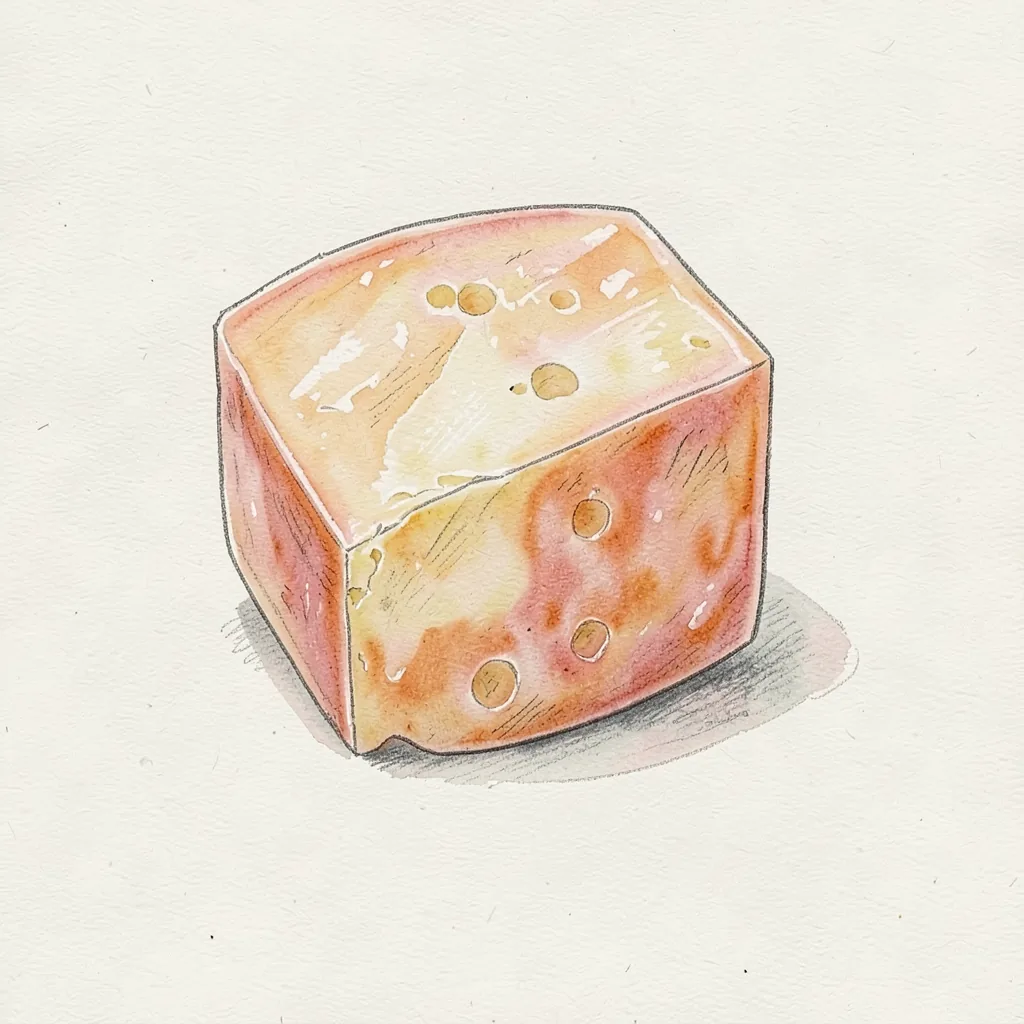
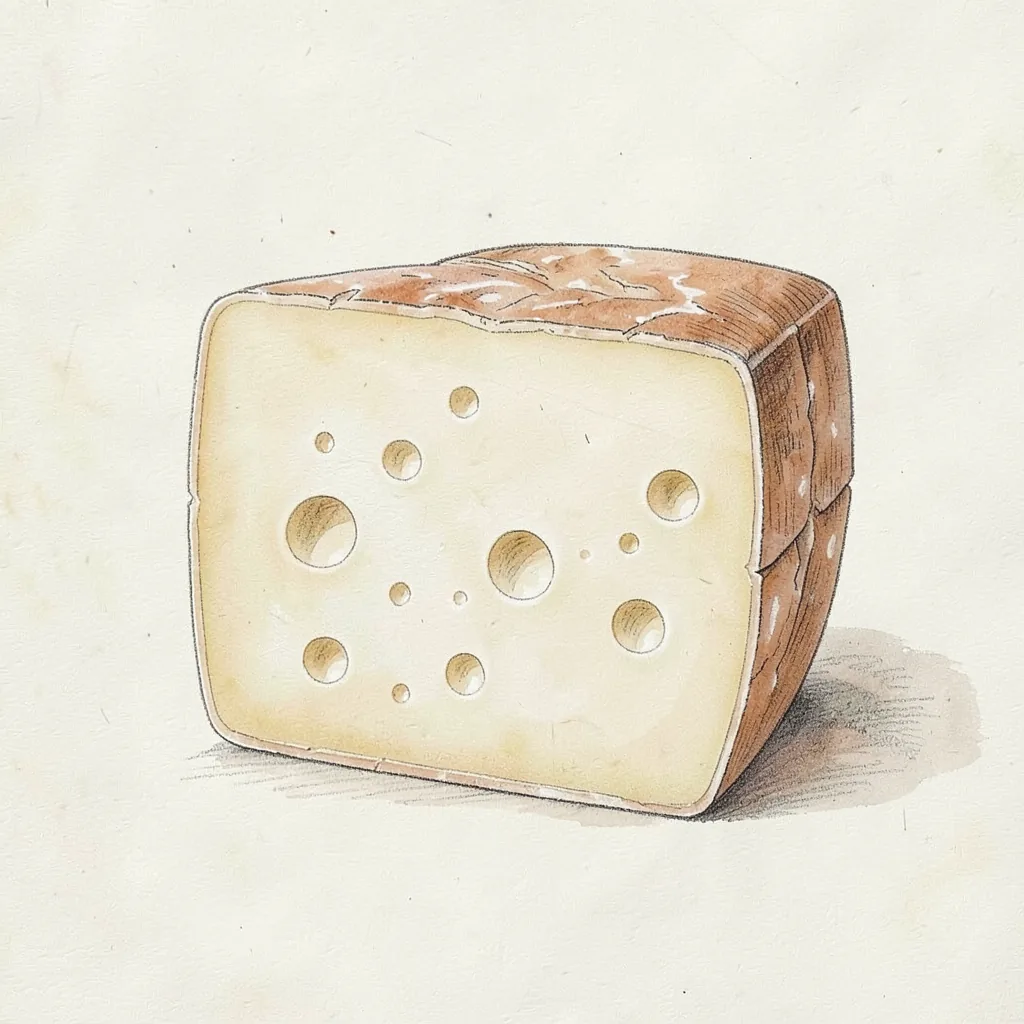
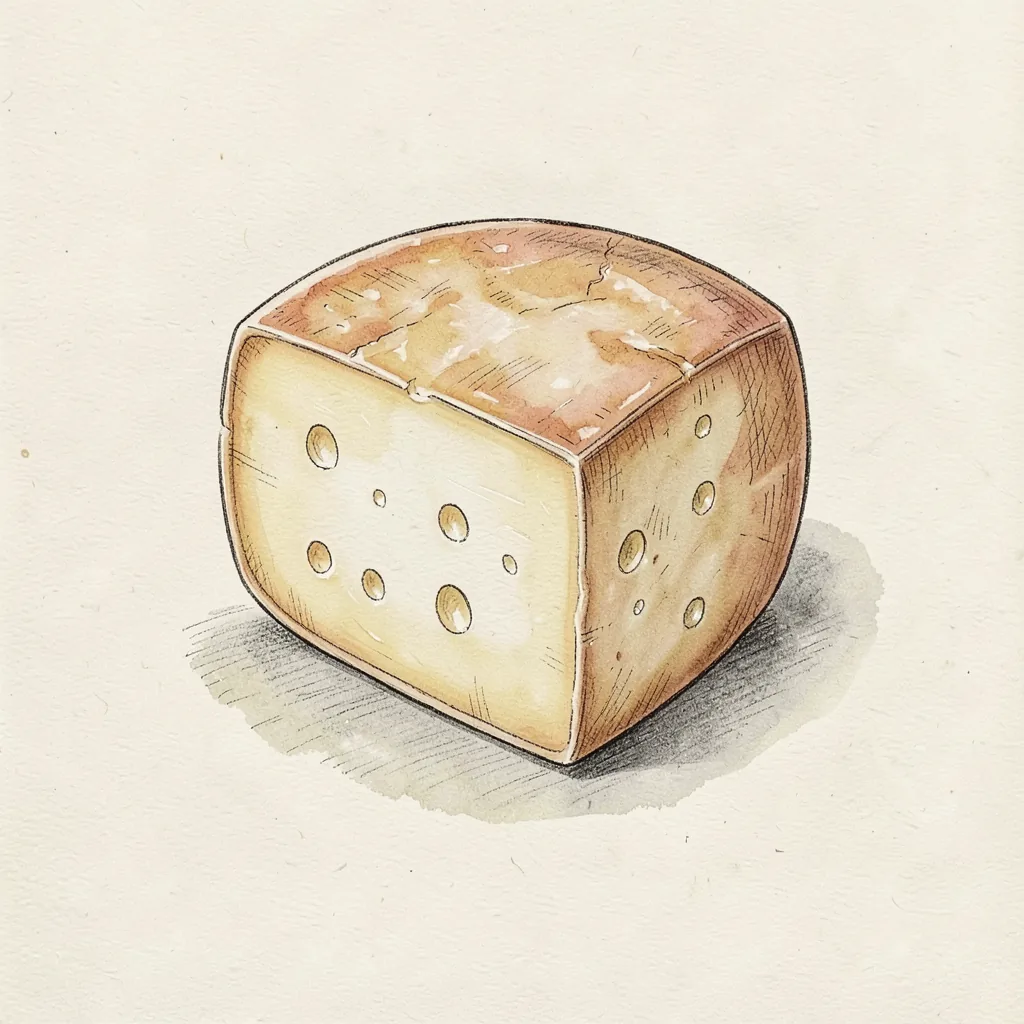
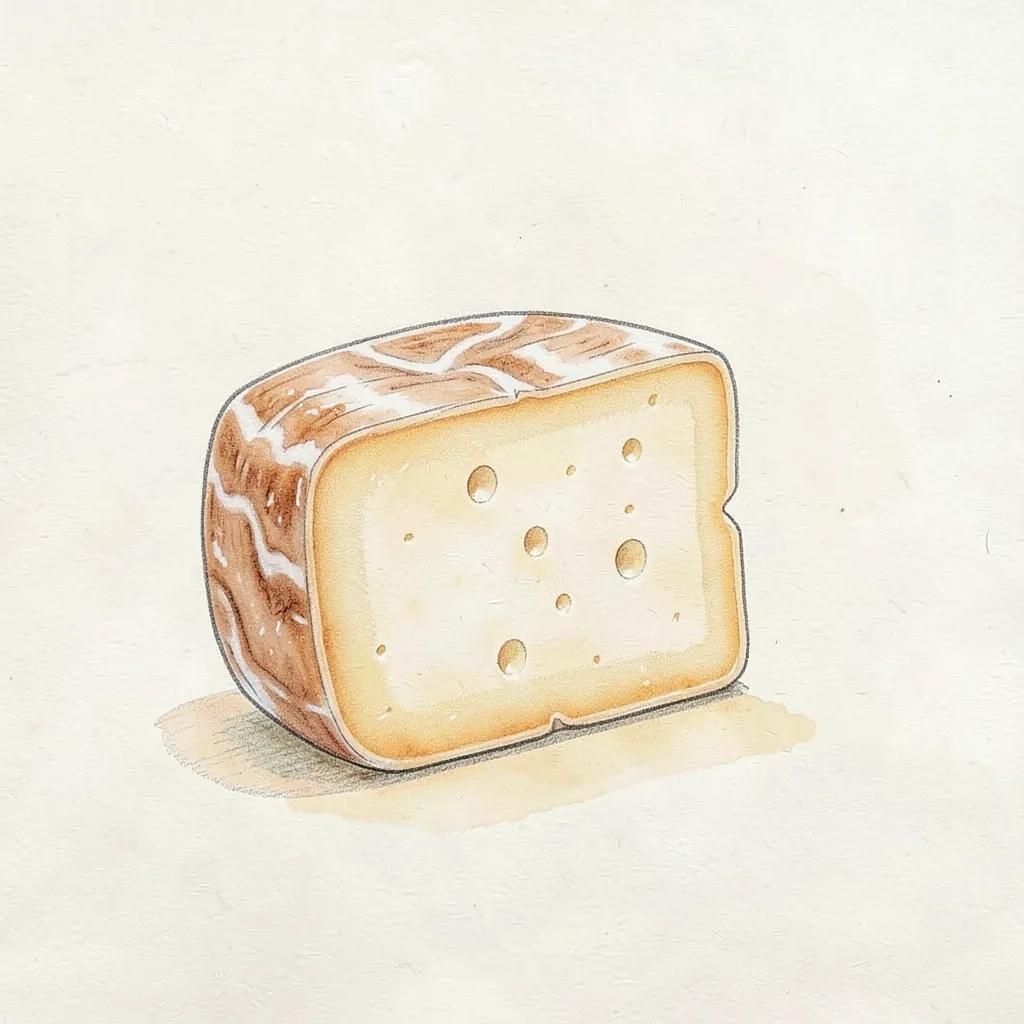
It is the Danish reading of a cheese with eyes, milder and gentler than a big Alpine wheel. The paste is yellow, supple, and elastic, with a scattering of irregular holes. Many wheels wear a yellow wax coat over a golden rind, and many shop pieces are simple blocks. Young cheese is mild and nutty, and a longer rest brings a sweeter, slightly sour edge.
The flavor stays in a friendly range, buttery and a little sweet, with a nut note that grows as the cheese ages. It is not a sharp clothbound cheese and not a washed rind loaf. Salt is moderate, and it never covers the nutty milk taste. The holes vary in size, and they should look clean, not wet or cracked. People in Denmark use it as an ordinary cheese for bread and for hot food, which shows how approachable the taste is.
History
Samsø cheese took its name from the island, and that name now covers a style made more widely in Denmark. It was developed as a local answer to Swiss cheeses with eyes, using cow's milk and Danish tastes rather than a copied Alpine wheel. The result was milder, with a supple paste and fewer dramatic holes. Over time it became one of the ordinary named cheeses of the country. You do not have to visit the island to buy it, though the name still points there.
The style spread through creameries, so quality became a shared idea rather than one farm's habit. Wax on the wheel helped the cheese travel inside Denmark and beyond. Block formats came later, for shops that wanted slices without a rind to trim. The island of Samsø remains the reference in the name, even when the milk is from elsewhere in the country. Nothing in the make depends on a blue mold, a wash of beer, or a long grating age.
How it is made
Dairies pasteurize cow's milk, add cultures and rennet, and cut the curd. They warm and stir it so the grains firm, in the manner of a pressed cheese that will later form eyes. The curd is molded and pressed into wheels or blocks. Salt goes in from a brine bath, which seasons the paste all the way through. A wheel may then be waxed, while a block may be packed with little rind showing.
During ripening, gas from the cultures opens irregular holes in the elastic paste. The cheesemaker does not add a smear or a blue mold. Time in the ripening room moves the flavor from very mild toward nutty and gently sweet-sour. A shorter rest keeps the cheese gentle, buttery, and easy to slice for bread. A longer rest deepens the taste without turning the paste hard or crumbly like an old grating cheese.
Taste
Young Samsø tastes mild, milky, and lightly nutty, with a sweet note and a soft sour edge. The paste is smooth, elastic, and moist rather than grainy, and it bends before it breaks. Salt is present but polite, and it does not sting the tongue. Eyes can be large or small, and the cheese around them tastes the same. Nothing smoky, herbal, or bitter belongs in the plain cheese.
Older Samsø keeps the nut and gains a rounder sweet-sour savor. It can remind a taster of a mild Emmental, but the Danish cheese is usually gentler and less fruity. The texture stays supple for a long time, then grows a little firmer. A tired piece tastes flat or sharply sour, and the holes may look damp. A good piece smells of warm butter and hazelnut, with a clean dairy finish.
In the kitchen
Samsø melts well, which is why it goes into gratins, sauces, toasted sandwiches, and cheese on bread. Slices are the usual cut for an open sandwich. Cubes work on a board with fruit, nuts, or a crisp pickle. It is too mild to dominate a strong stew, so use it where a nutty cow's milk cheese should support other food. A longer aged piece has more flavor if you want the cheese to be noticed.
Trim away wax before cooking. The cheese can be grated, but it also slices thinly because the paste is elastic. Do not cook it so hard that the fat separates and the dish turns greasy. Leftovers keep in a covered box in the cold, away from strong washed rind cheeses that would scent it. Bring a board slice to room temperature, and leave a cooking slice cold until it hits the pan.
Around the world
Abroad, Samsø is less famous than Havarti, but it is a fair example of everyday Danish cheese. Shops may spell it Samso or Samsoe when they cannot print the Danish letter. Buyers sometimes take it for Emmental or for Jarlsberg because of the holes. The Danish cheese is milder than a mature Emmental and less sweet than many Jarlsberg wedges. American Swiss cheese is a different product again, made for the United States market, and it is not this island cheese.
If Samsø is missing, Danbo is the simplest Danish substitute for slices and melting. Jarlsberg or a young Emmental can cover a recipe that needs eyes and a nutty melt. Maribo is tangier and has smaller holes, so it will taste sharper in the same dish. Maasdam is sweeter and often has larger, rounder eyes. Use those swaps for texture first, and taste before you assume the mild Danish flavor will be there.