What it is
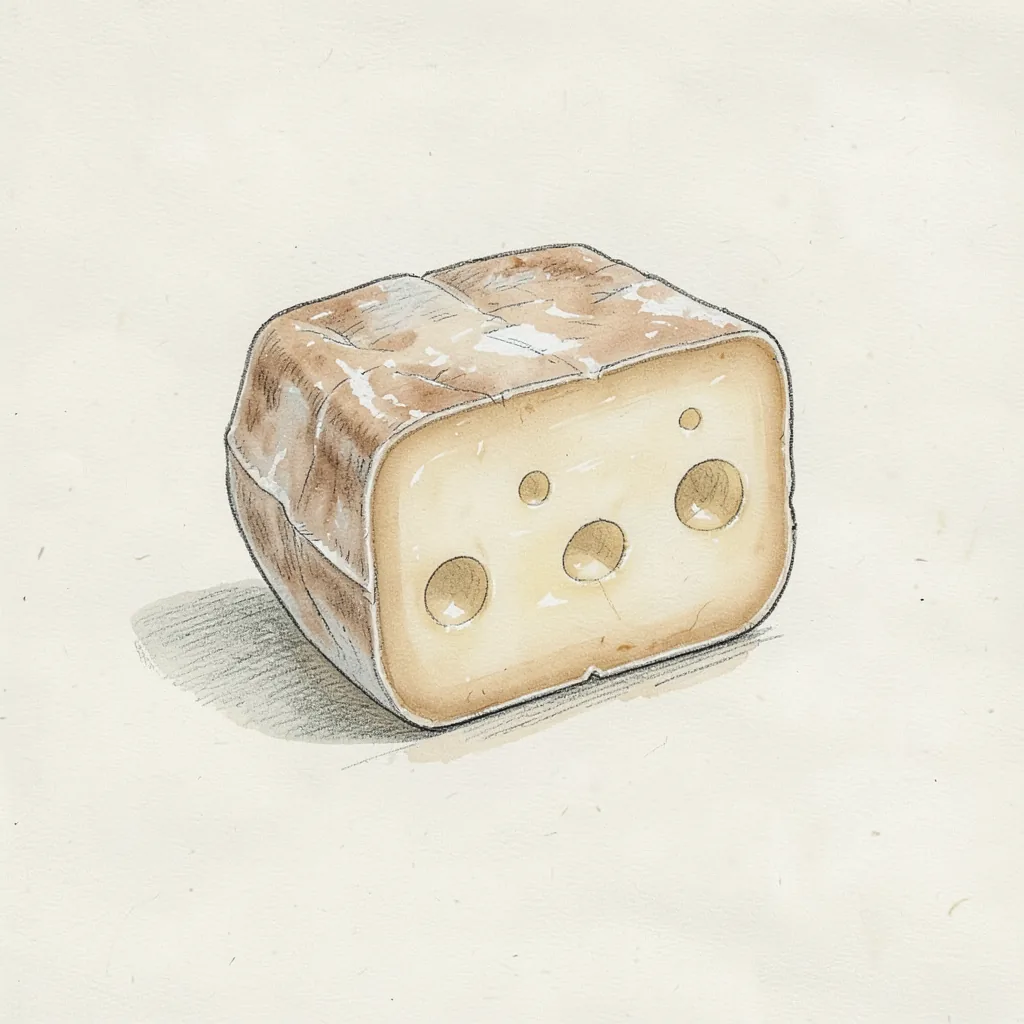
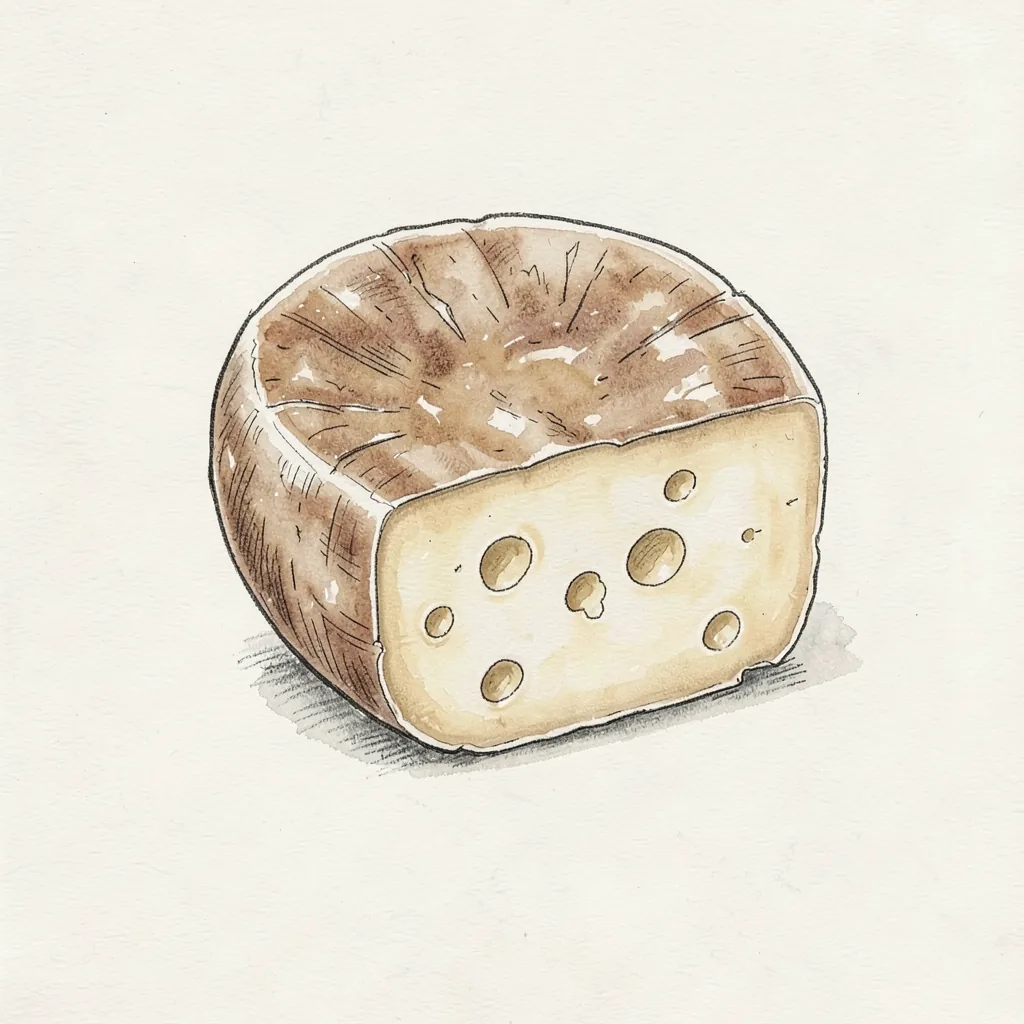
People there often call it local cheese, and Jubn Baladi is the Arabic form of that name. The finished piece is usually round and flat, with a firm face and a brown surface from the smoke. Plants used in the smoking step change the color and the aroma from batch to batch. It is a market cheese and a home cheese, not a factory brand with one owner.
The paste is compact enough to slice, yet it is not as dry as a long-aged grating cheese. Smoke is the main flavor, with salt behind it and a clean dairy note if the piece is fresh. Some batches taste more herbal because the fuel and the plants differ. Sellers cut or sell whole rounds in local markets, and cooks use the cheese in everyday meals. A mild imported block will not give the same brown crust or the same smoky smell.
History
Cheese making in Yemen is a rural craft passed through families, and smoked cheese is one of its best known results. Herders and small households set milk in the evening after the day's collection, then drain the curd and finish it with smoke. The work stayed local because each area used the plants and fuel that were on hand. That is why one round can smell different from another and still be called Yemeni cheese. No single firm owns the name.
Names follow the maker or the district more often than a single national recipe does. Local cheese is the everyday name, and Jubn Baladi is the Arabic wording of that idea. Buyers in Yemen still judge a piece by the smoke, the salt, and the firmness, not by a printed grade. Outside the country the cheese is rare, and many people meet it only through family kitchens and specialist grocers. A shop label should say that it is smoked if you want the traditional taste.
How it is made
Milk is collected through the day and set in a pot, often in the evening. The coagulant comes from the stomach of a young animal, and each maker prepares that rennet in a personal way. Earthenware pots are the older tool, though metal pots are also used. When the curd feels firm under the fingers, it is moved into small baskets so the whey can drain. Salt is worked in, and the cheese stays in the basket until it holds a round shape.
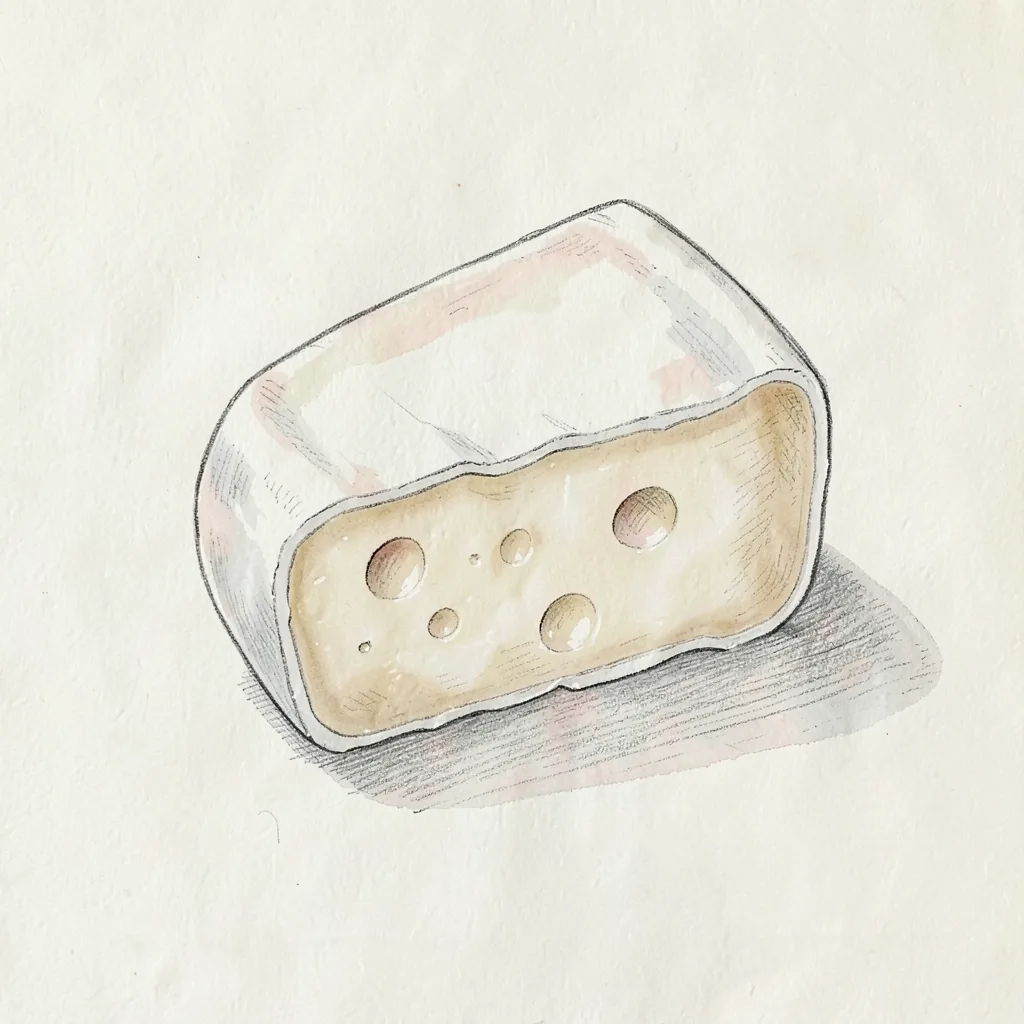
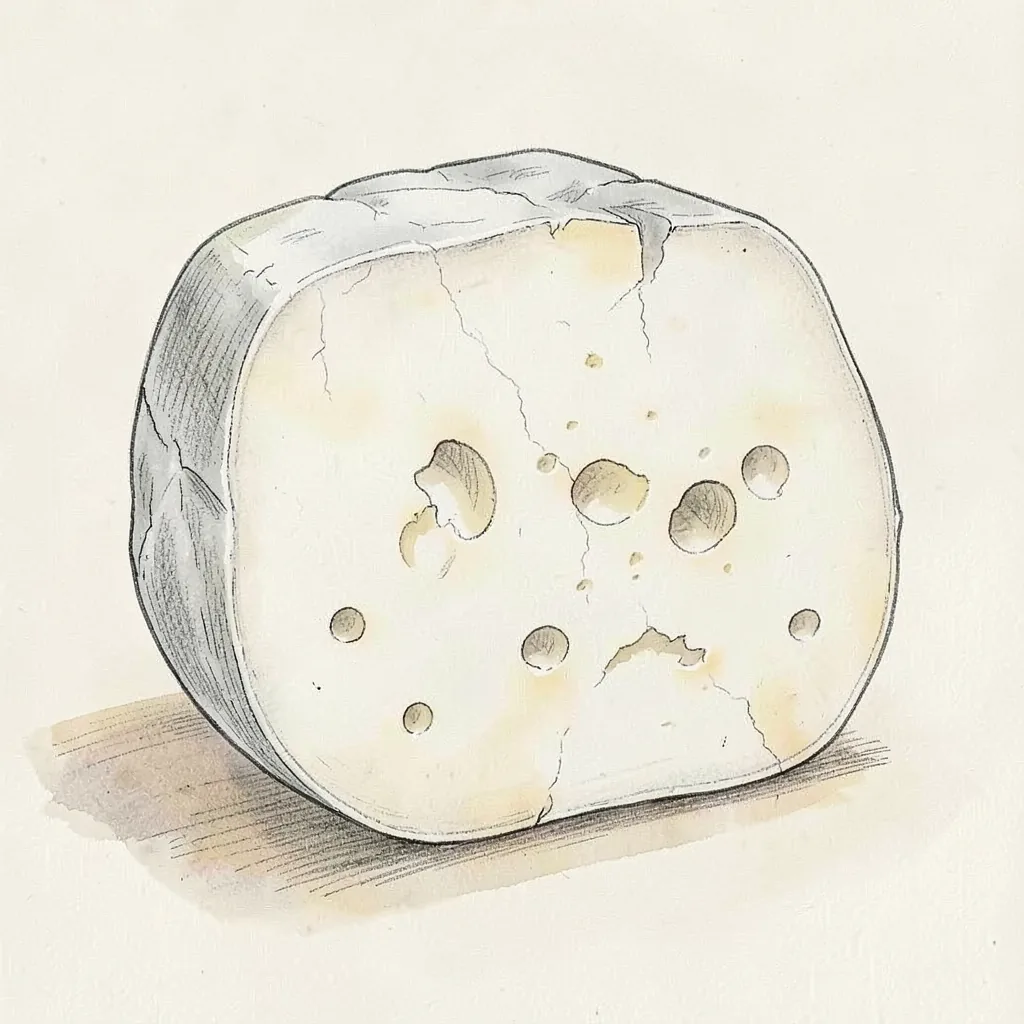
Smoking is what makes the cheese look and taste like Yemeni cheese rather than a plain drained curd. Makers use local plants and wood, and the choice shifts the brown color and the aroma. The surface firms in the smoke, while the inside stays sliceable. There is no thick wax coat and no bloomy white rind. A finished round should smell smoky and clean, and if the smoke is harsh or the paste is slimy, the piece was not handled well.
Taste
The first impression is smoke, then salt, then a mild dairy sweetness if the cheese is not too old. The brown face can taste a little herbal or woody, depending on the plants. Inside, the paste is firm, slightly elastic, and less smoky than the surface. A thin slice gives you both parts, and bitterness is a fault, not a goal. Fresh rounds are cleaner, and a piece that has dried out tastes mostly of salt and smoke.
Yemeni cheese is savory rather than sharp in the way of a long-aged blue or a washed rind. Acid is present but gentle. The smoke should season the cheese, not cover every other flavor. Because makers use different plants, two honest rounds can still taste unlike each other, so one may be lightly woody and another may be deeper and more resinous. Eat a small piece plain before you cook with it, so you know how strong the smoke is.
In the kitchen
Yemeni cheese is eaten with flatbread, in breakfast dishes, and in cooked sauces where a salty smoky note is welcome. Crumble or dice it into eggs, beans, or a tomato sauce, and let the heat warm it without boiling the pieces into nothing. It can also sit on a plate with herbs, olive oil, and bread. The brown edge is part of the flavor, so do not trim it all away unless it is bitter. A little cheese seasons a whole pan.
Because the cheese is salty and smoky, taste the dish before you add more salt. It does not melt into long strings. Heat softens the center and keeps the pieces distinct, which is useful in a bake or a skillet. If you grill a thick slice, keep the heat moderate so the surface does not turn harsh. Pair it with something fresh, such as tomato, cucumber, or herbs, to balance the smoke, and wrap leftovers well or the aroma will move into nearby food.
Around the world
Yemeni cheese rarely travels as a standard export, so many shops outside Yemen will not have it. Where it does appear, it is usually in markets that serve Yemeni communities or in shops with a broad Middle Eastern case. Ask for smoked local cheese, not for a plain white cheese in brine. The round shape and the brown smoked face are the visual clues. If the piece has no smoke smell, it is a different cheese, even if the label says it comes from Yemen.
Rauchkäse can stand in when you need a smoked cheese that slices and softens with heat. Bosnian smoked cheese is another practical swap, because smoke is the main flavor and the paste stays in pieces in a hot dish. Jibneh Arabieh is easier to find, but it is a white cheese and it will not taste smoky. Halloumi grills well, yet it is salty in a different way and has no wood-smoke crust. Use those only as kitchen stand-ins, not as the same cheese.