Cow
What it is
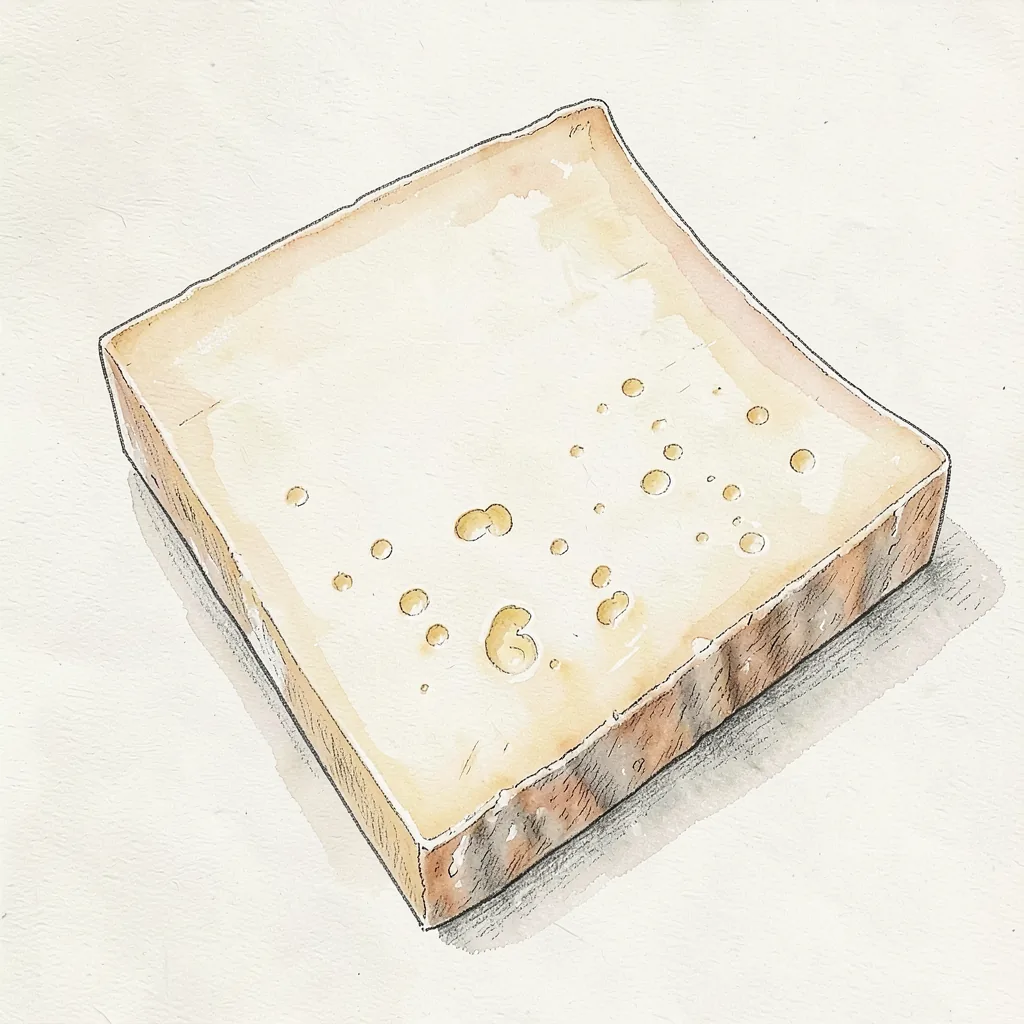
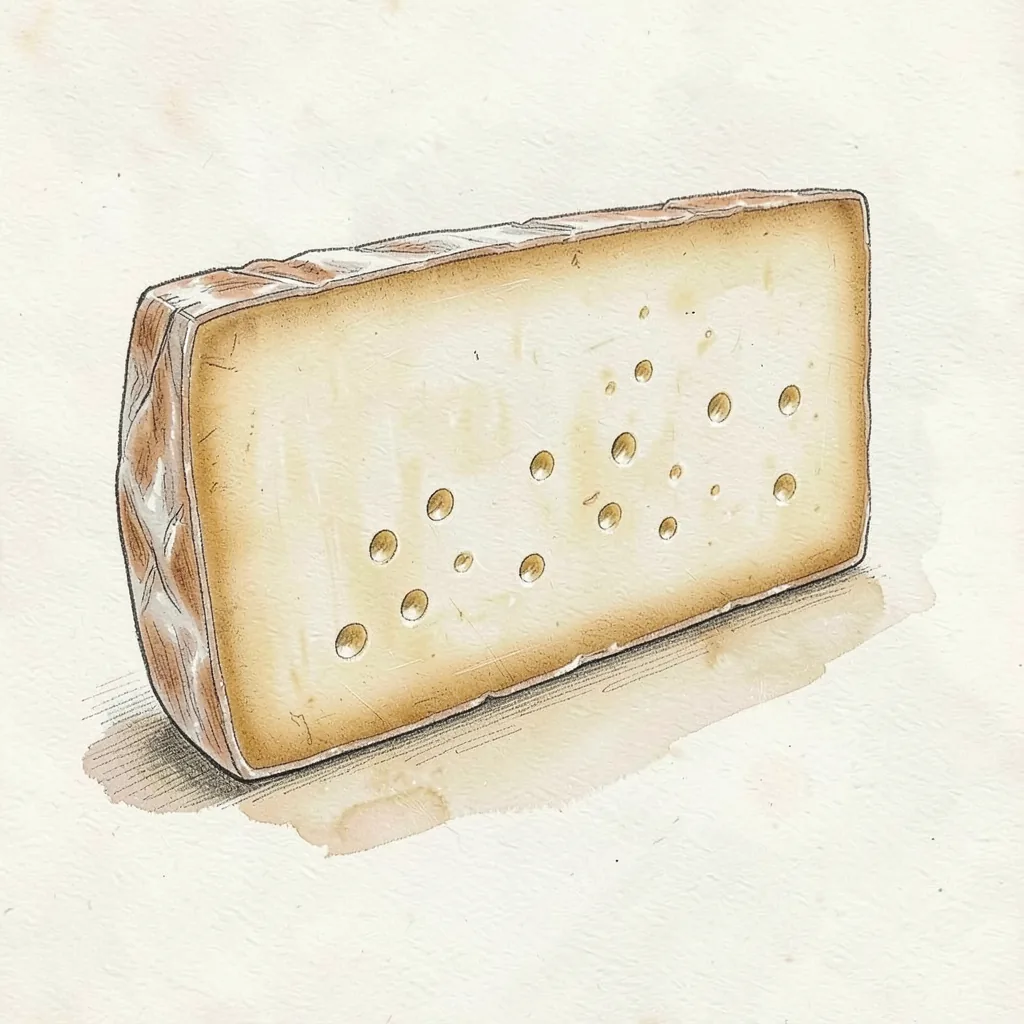
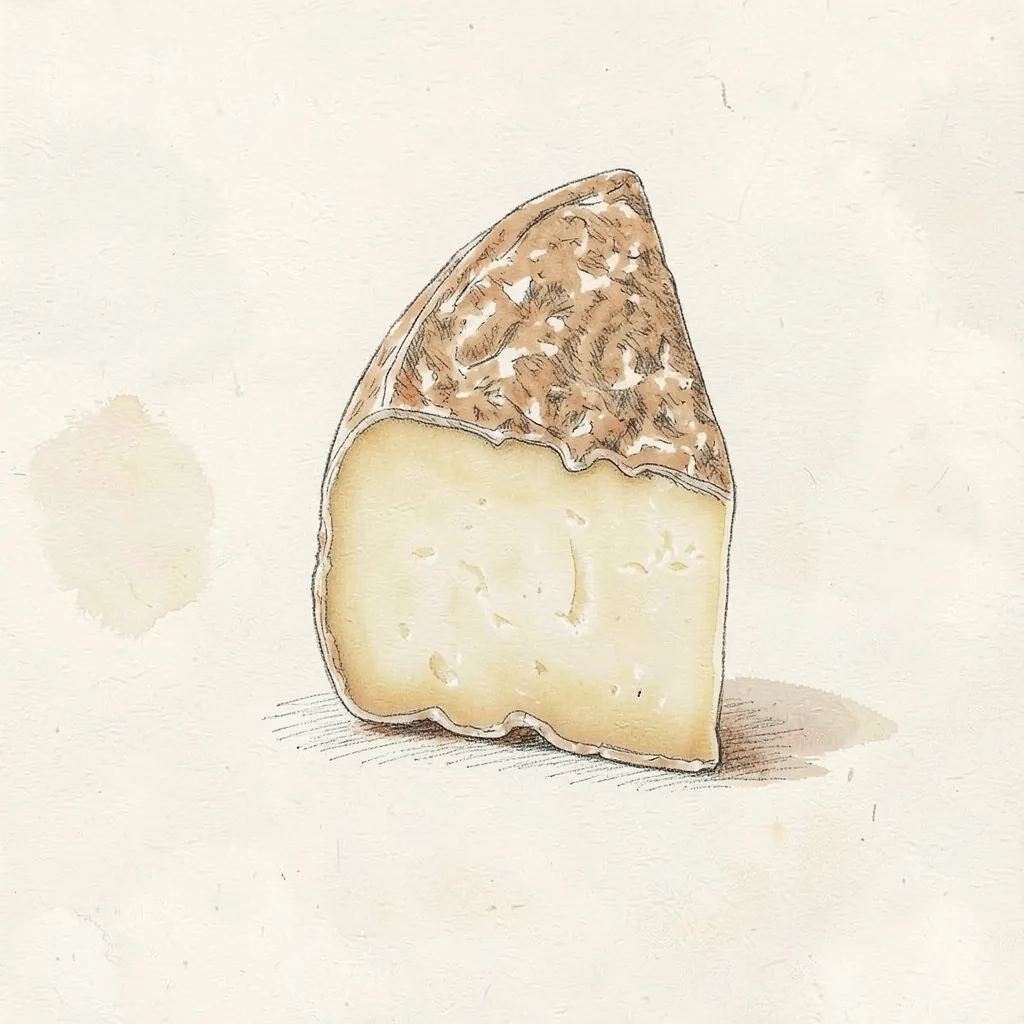
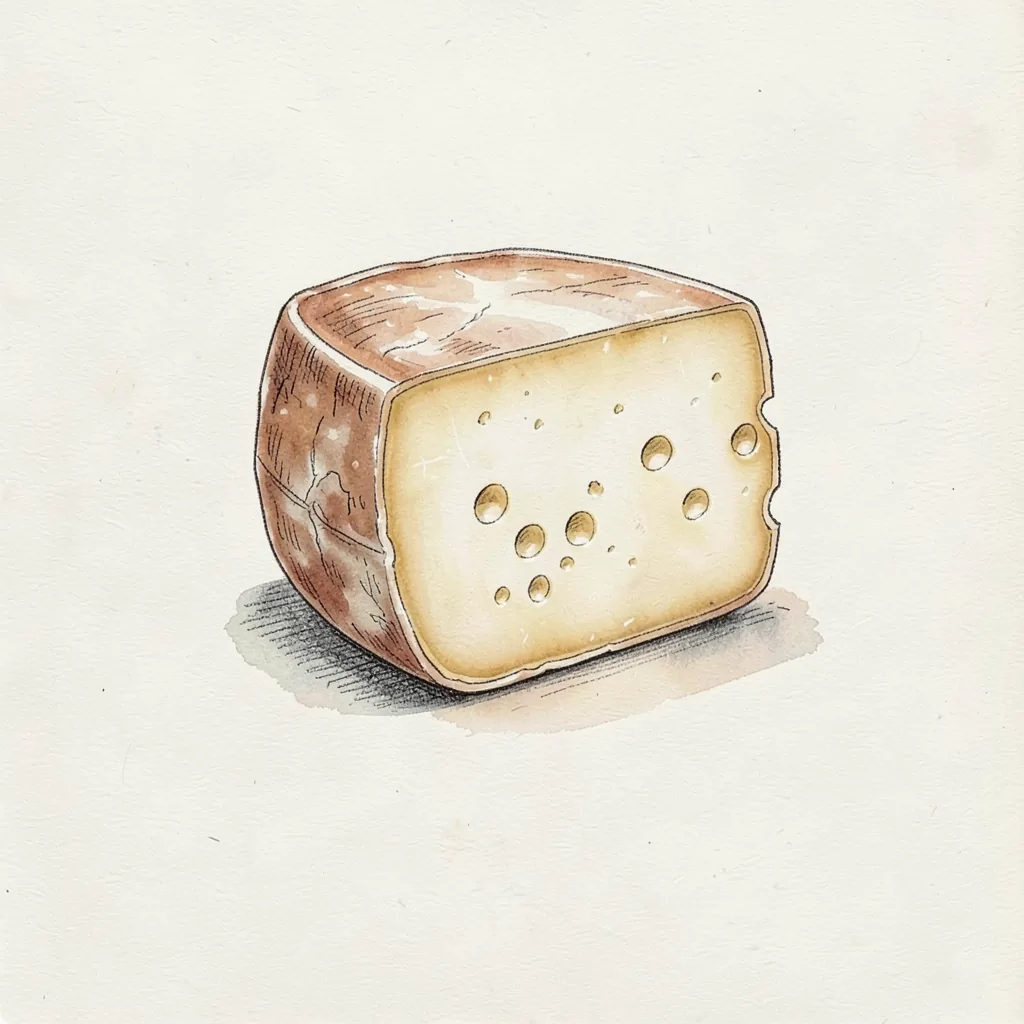
The wheels are made from raw milk, and the paste is pressed and gently cooked until it is supple and pale gold. A natural rind turns amber and often shows the mark of the cloth used in the mould. The side of the wheel is slightly concave, which helps buyers recognize a true wheel. The taste is fruity and nutty, with a light bitter edge that keeps it from being merely mild.
The milk comes from mountain herds, and the Abondance breed is central to the name and the flavor. Tarine and Montbéliarde cows are also used, so not every wheel is from one breed alone. Farm-made cheeses and dairy-made cheeses both exist, and both are raw-milk wheels from Haute-Savoie. The paste melts smoothly and also slices for a board. It is an alpine cheese in the same broad group as Beaufort, but it is fruitier and a little lighter in flavor.
History
Abondance belongs to the mountain cheese tradition of Haute-Savoie. Herds graze high pastures in the warm months, and the mixed flowers and grasses show up in the milk. The cheese takes the same name as a local cattle breed suited to steep ground. That link between herd, valley grass, and wheel is what defines it. It was a food and a trade good in the mountains long before it became a widely sold name.
Makers still distinguish a farm wheel from a dairy wheel. On the farm, one herd's milk goes into the vat, while a dairy brings together milk from several farms in the area. Both paths use raw milk and a pressed, partly cooked curd. The rind is rubbed and turned while the cheese rests on wooden boards in a cool cellar. A young wheel is already pleasant, and a longer rest deepens the fruit and the hazelnut.
How it is made
Evening milk and morning milk are combined in the vat. The cheesemaker warms the raw cow's milk and adds rennet, then cuts the curd fine, about the size of a rice grain. The curd is heated again so the paste will be supple rather than chalky. It is gathered in a cloth, set in a hoop, and pressed. The hoop gives the wheel that gently curved side.
Salting comes next, often in brine, and then the cellar work begins. Wheels rest on spruce boards and are turned and rubbed with salted water so the rind stays sound and turns golden to brown. The cloth texture remains visible on many rinds. Aging continues until the paste is smooth, ivory to pale yellow, and able to bend without crumbling. Farm and dairy wheels can carry different casein marks, which tell you which path the milk took.
Taste
The paste smells of warm milk, hazelnut, and fruit. Pineapple, citrus, or a light broth note can appear, depending on the pasture and the age. The texture gives and melts on the tongue rather than grating into dry shards. Salt is moderate. A small bitter line at the end is normal and is part of the pleasure, not a fault.
A very young piece is milder and more buttery. More cellar time brings out hazelnut and a fuller fruit taste, and the rind aroma grows. The paste should not be sharp like a very old hard cheese, and it should not be sticky and pungent like a washed soft cheese. Eyes, if any, are few and small. What you want is a supple slice that tastes of mountain milk and toasted nuts.
In the kitchen
Abondance is at home on a cheese board and in the pot. Cut slices from a wedge and pair them with dried fruit, walnuts, or a plain white wine from the same mountains. For cooking, it melts into a smooth layer without turning greasy too fast. Potatoes, onions, and a splash of dry white wine are classic company. It can cover a gratin or sit in a melted dish where you might otherwise use raclette or Gruyère.
Grate it only when you want a finer melt. The paste is not dry enough to fall like a hard grating cheese over cold pasta. Cubes soften in soup or in a vegetable bake and keep a nutty taste. A rind edge can season a pot, but most cooks trim the thick outer rind before a delicate sauce. Leftovers should be wrapped well, because the cut face dries and the fruit aroma fades.
Around the world
In France, Abondance is a well-known alpine cheese, especially on winter tables in Haute-Savoie. Restaurants serve it melted and also in thin slices after a meal. Outside France it appears in good cheese shops that stock raw-milk mountain wheels. The concave side and the cloth-marked amber rind help separate it from a generic eyed cheese with large holes. Ask for Haute-Savoie on the label if the name alone is vague.
Cooks who cannot find it often reach for Beaufort, Comté, or Gruyère, and Beaufort is the closest in place and in melt. Comté is easier to find in many countries and brings a similar nutty, fruity paste. Gruyère is drier and more savory. None of those is the same wheel, but all of them can finish a gratin or a board when Abondance is absent. Taste the substitute before you salt the dish.