Cow
What it is
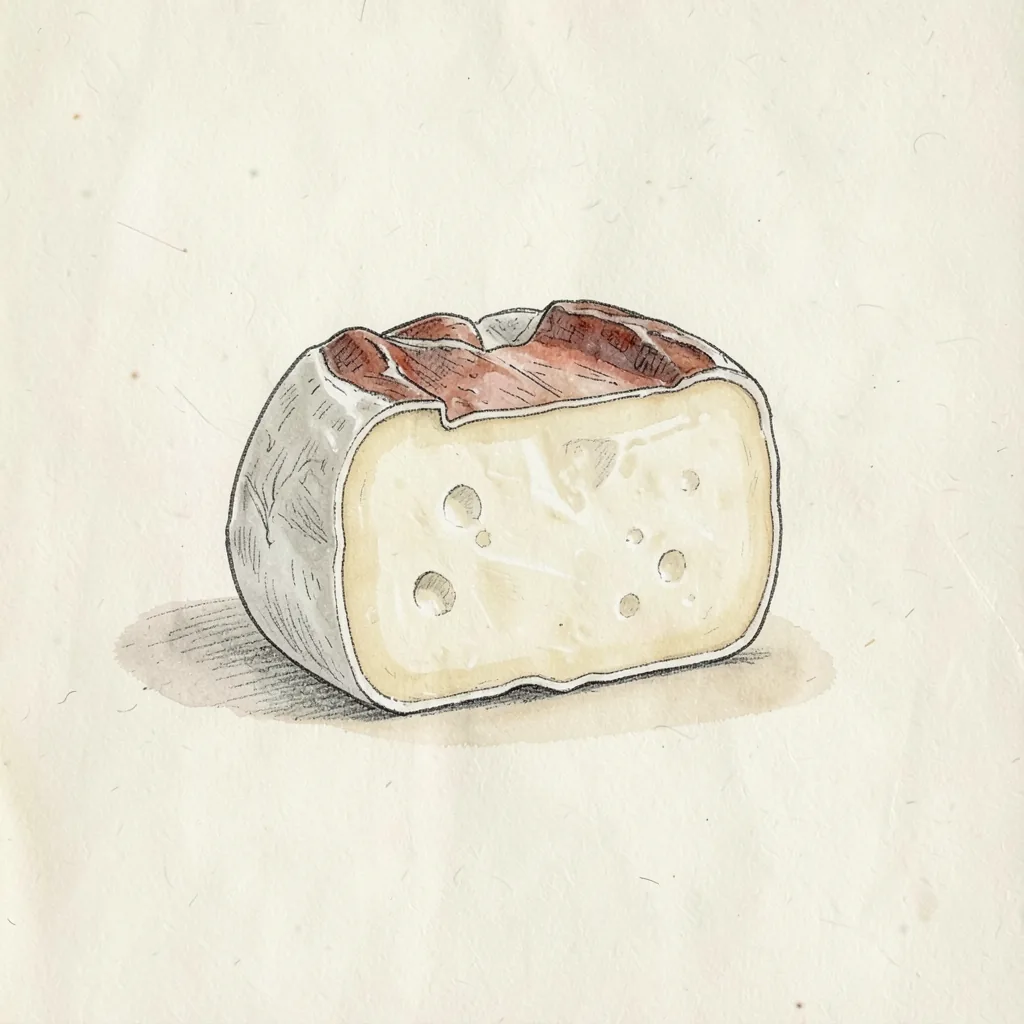
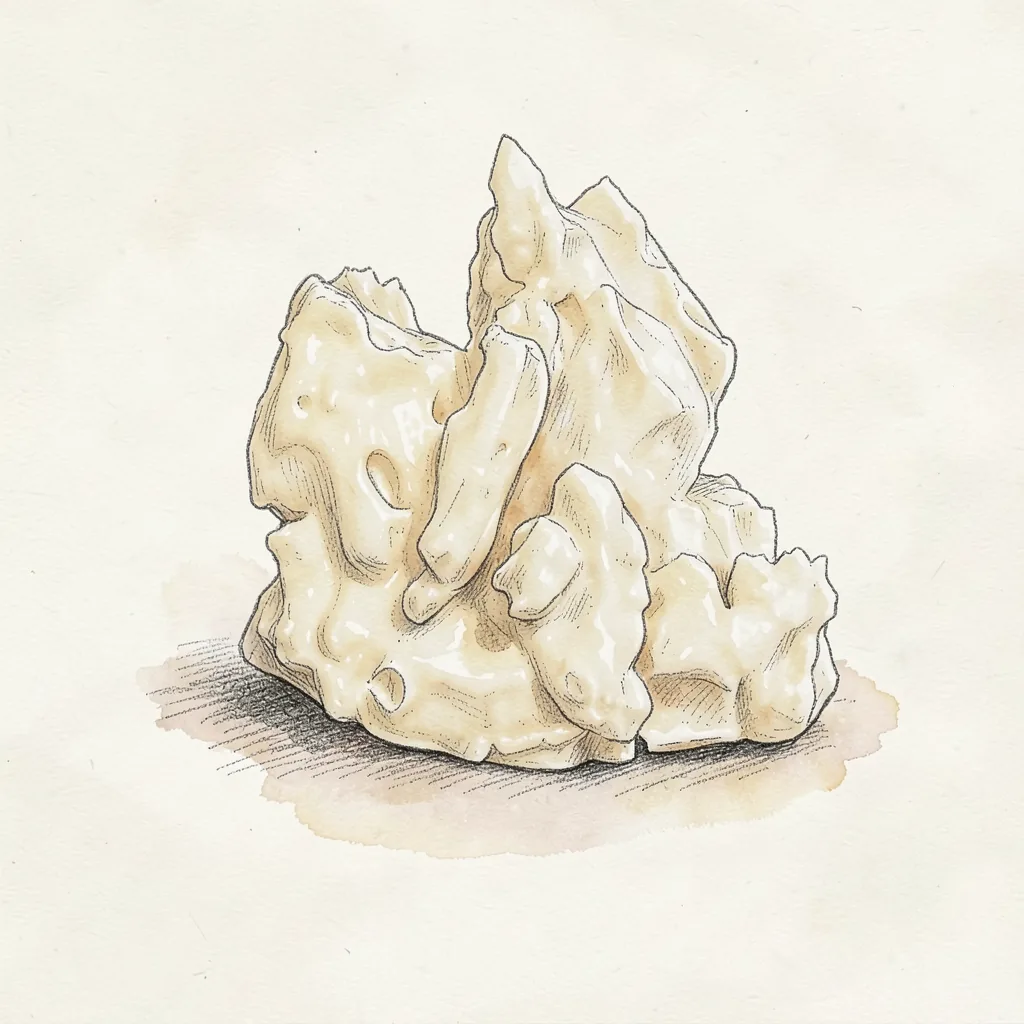
Traditional batches use unpasteurized milk, while some dairies now sell a pasteurized cheese, so the label is worth a look. Makers shape it as a small truncated cone or as a round bundle drained in cloth. The white cheese stays plain, and the red cheese is worked with paprika before it is formed. In Asturian speech, the name refers to a paste that can stick in the throat.
A very young piece is moist, tangy, and quick to cling to the palate. With age it firms, the lactic flavor deepens, and the red version tastes spicier from the paprika. Both colors are Afuega'l Pitu, and they are not interchangeable in every recipe. The cheese can be eaten fresh or kept until the paste is drier and more compact. Buy the age and the color you actually want, because a paprika cheese will not pass for the white one.
History
Afuega'l Pitu grew up as a farmhouse cheese around Grado, made from cow's milk that households set and drained by hand. The slow acid curd, the cloth bundle, and the cone mold are old working shapes, not later decorations added for the shop. Paprika went into some batches to change the color and add a warmer, spicier bite. The cheese stayed tied to this part of northern Spain even as dairies grew larger. People still know it by the two shapes and the choice of white or red.
The Asturian name is a comment on texture more than a story about a distant town. The paste can catch in the mouth, especially when it is fresh and sticky, and that trait made the cheese memorable. Grado remains the place most closely linked with it on labels and in guides. Other soft Spanish cheeses can taste lactic, but they do not share this pair of shapes and the paprika choice. A label that names Grado and cow's milk is the practical way to confirm what you are holding.
How it is made
Whole cow's milk is coagulated slowly, with a little rennet or with lactic culture, until the curd is soft and acidic. The curd is ladled into molds or into cloth and left to drain under its own weight, not under a heavy press. Salt is added by hand to each piece. For the red cheese, paprika is kneaded through the paste before the final shape is set. There is no cooked-curd step and no long brine of the sort used for a firm wheel.
The white cheese may be a truncated cone or a round gathered in cloth, and the red cheese uses those same shapes after paprika is mixed in. Very fresh pieces stay soft, moist, and quick to stick to a knife. Cheese made from unpasteurized milk is held longer so the paste settles and the flavor deepens. As it ages, the outside may dry a little, but there is still no thick rind to cut away. The cling of the paste is the trait that survives both shapes and both colors.
Taste
A young white piece tastes of sour milk, light salt, and fresh butter, and the moist body sticks to the palate. The aroma starts gentle and grows as the cheese dries and the lactic notes concentrate. Age brings a sharper edge and sometimes a yeasty note that was faint at the start. The red cheese adds paprika, sweet or hot, so the finish turns spicier and more savory. Neither version tastes like a long-aged nutty sheep cheese, because acidity and that unusual cling are the point.
Texture changes the taste as much as time in the cellar does. A fresh piece feels pasty and can seem mild until the tang builds in the mouth after a few bites. A drier piece tastes stronger and feels more compact, with less of the sticky pull. Paprika should taste like a seasoning mixed through the paste, not like a powder sitting only on the outside. A good piece smells of milk and yeast, and the red one also smells gently of pepper.
In the kitchen
Eat a young white piece with plain bread, apple, or a simple green salad. Crumble it over roasted peppers or potatoes when you want acidity without waiting for a long melt. The red cheese suits a stronger plate, next to cured meat or grilled vegetables, because the paprika stands up to char and salt. It softens when warmed, but it will not behave like a stretchy melting cheese in a deep bake. A small spoonful in scrambled eggs is plenty for one pan and will season the eggs fully.
The sticky texture is easier to handle when the cheese is cool and the knife is clean. Cloth-shaped rounds may show folds on the surface, and those folds are a mark of the draining cloth, not damage. If you cook with the red cheese, the spice seasons the whole dish, not only the top. Choose the white cheese when the other ingredients are delicate. Wrap the cut face of leftovers and use them soon, before the lactic flavor turns tired and the paste dries.
Around the world
Most Afuega'l Pitu is eaten in Spain, and Grado is the place buyers associate with the name. Specialty shops elsewhere sometimes carry the white form, the red form, or both, usually near other cheeses from Spain. People who know only firm aged cheeses are often surprised by the soft, clinging paste. The orange color of the paprika version makes it easier to spot in a crowded case. Ask which shape and color you are buying, because the two do not cook or taste the same way at home.
Fromage blanc can stand in when you need a fresh, tangy cow's milk cheese and this one is missing. Quark is another soft, acidic option for a light salad or for spreading on bread. Neither has the paprika path, so they replace only the young white style and not the red one. Gamoneu is easy to confuse with it if you only know that both are linked with Asturias, but Gamoneu is a different cheese. Afuega'l Pitu should be cow's milk and should look white or paprika red.