Goat
What it is
Each small round is wrapped in chestnut leaves and tied with raffia, which is how shoppers recognize it. The milk is goat's milk, and the curd is set in a way that stays gentle rather than sharply sour. Under the leaves, the paste is creamy and can turn almost runny when ripe. The leaves add a woody, slightly tannic note that plain fresh goat cheese does not have.
The aroma is distinctly goaty, with earth, dry leaves, and a hint of the spirit sometimes used on the wrap. Young pieces are milder and hold a spoon. Riper pieces smell stronger and spread easily. Provence serves it with country bread, and cherry or fig jam is a frequent partner. It is a cheese for the board more than for a long melt.
History
Goat cheese wrapped to keep through the lean season is an old Provençal habit. Chestnut leaves were plentiful in the hills, and a leaf parcel slowed drying and carried the cheese to market. Banon is the name used for this leaf-wrapped goat cheese in Provence-Alpes-Côte d'Azur. The leaf tie is not a modern garnish, because tannin from the leaves moves into the paste as the cheese ripens. Raffia holds the parcel closed and makes each piece easy to handle.
Brown leaves, gathered after they fall, are the ones makers want, because green leaves are harsher. The dried leaves are softened before wrapping, often in water or a light vinegar bath, so they bend without cracking. Some cheeses are dipped in marc or another grape spirit before the leaves go on. That step is traditional, not a trick for every batch. The finished parcel looks rustic, and the cheese inside is a small disk with a thin rind.
How it is made
Makers usually start with raw goat's milk and enough rennet to set a sweet curd in a fairly short time. That quick set, common in Provence, keeps the paste from becoming very acidic. The curd is ladled into small flat moulds and left to drain. After unmoulding, the cheeses are salted on the surface. They then dry and firm a little before anyone wraps them.
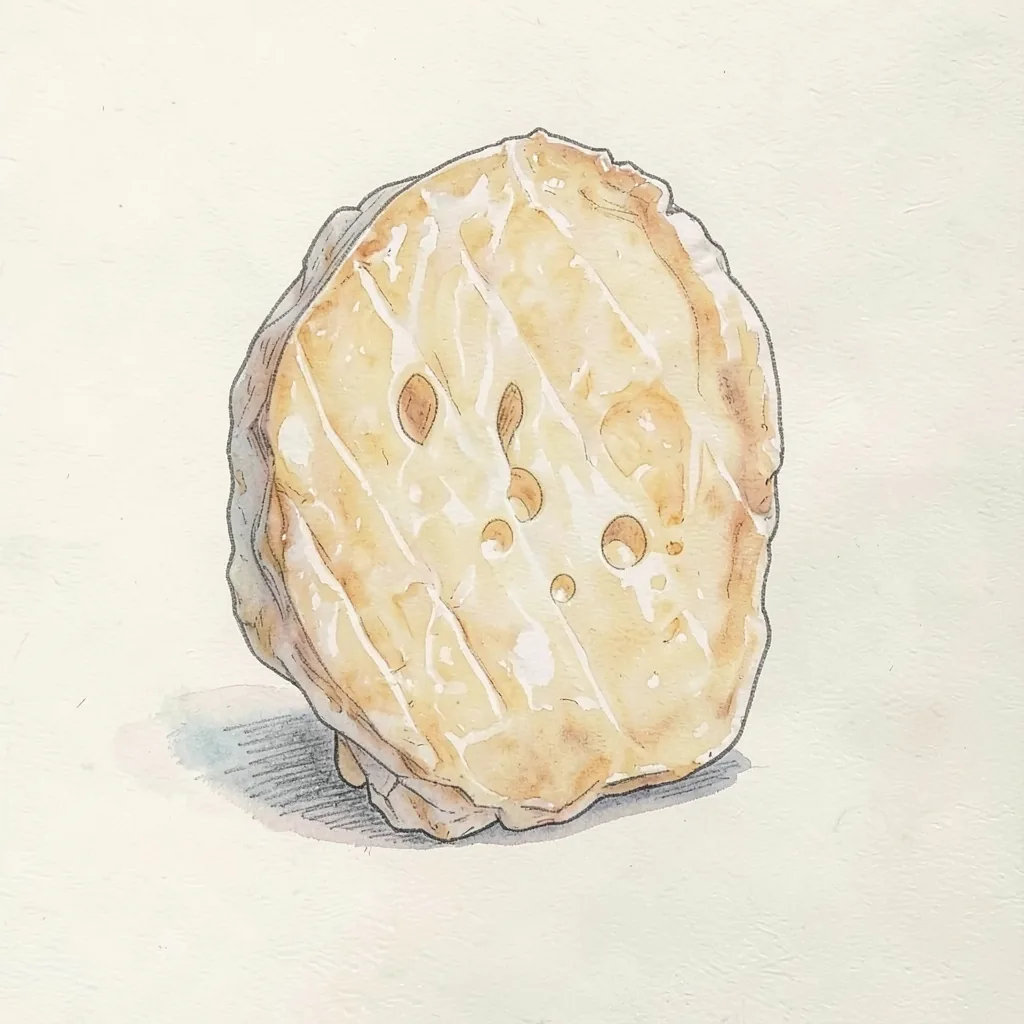
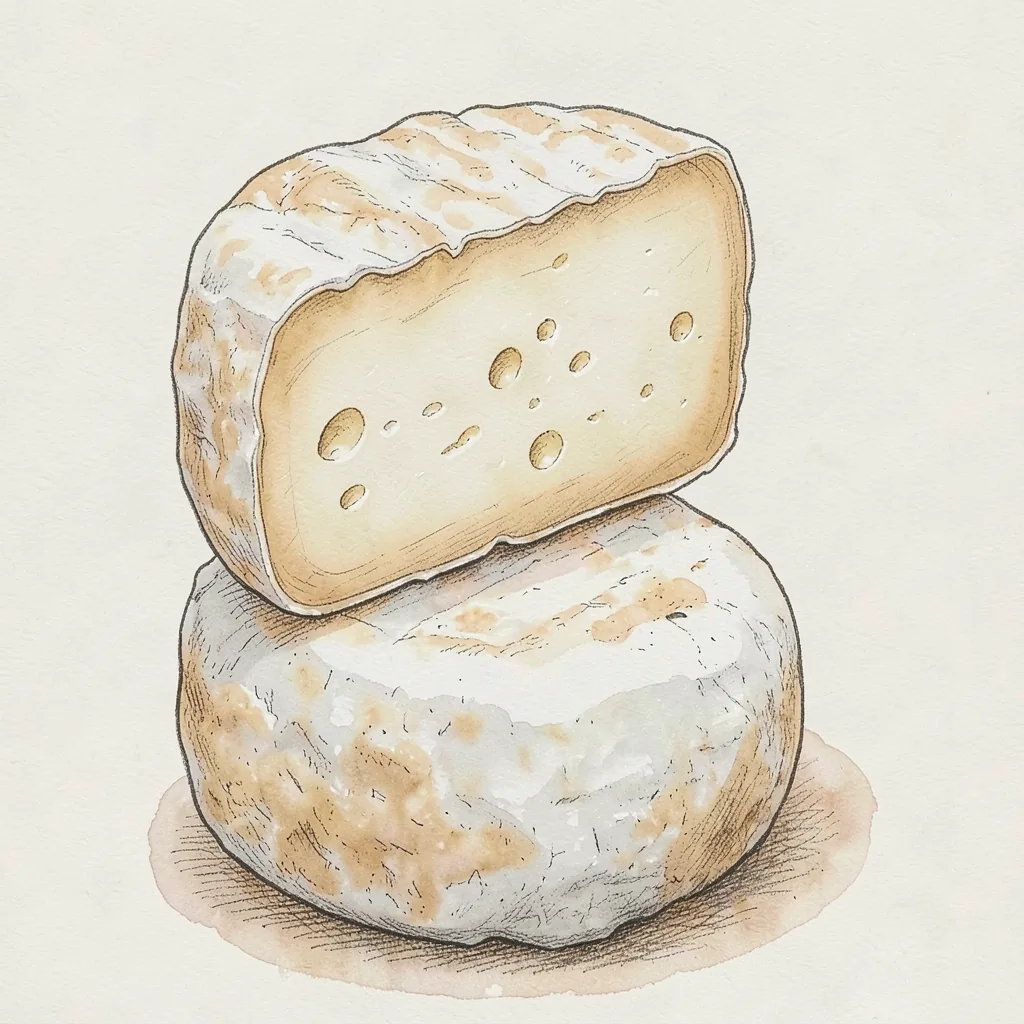
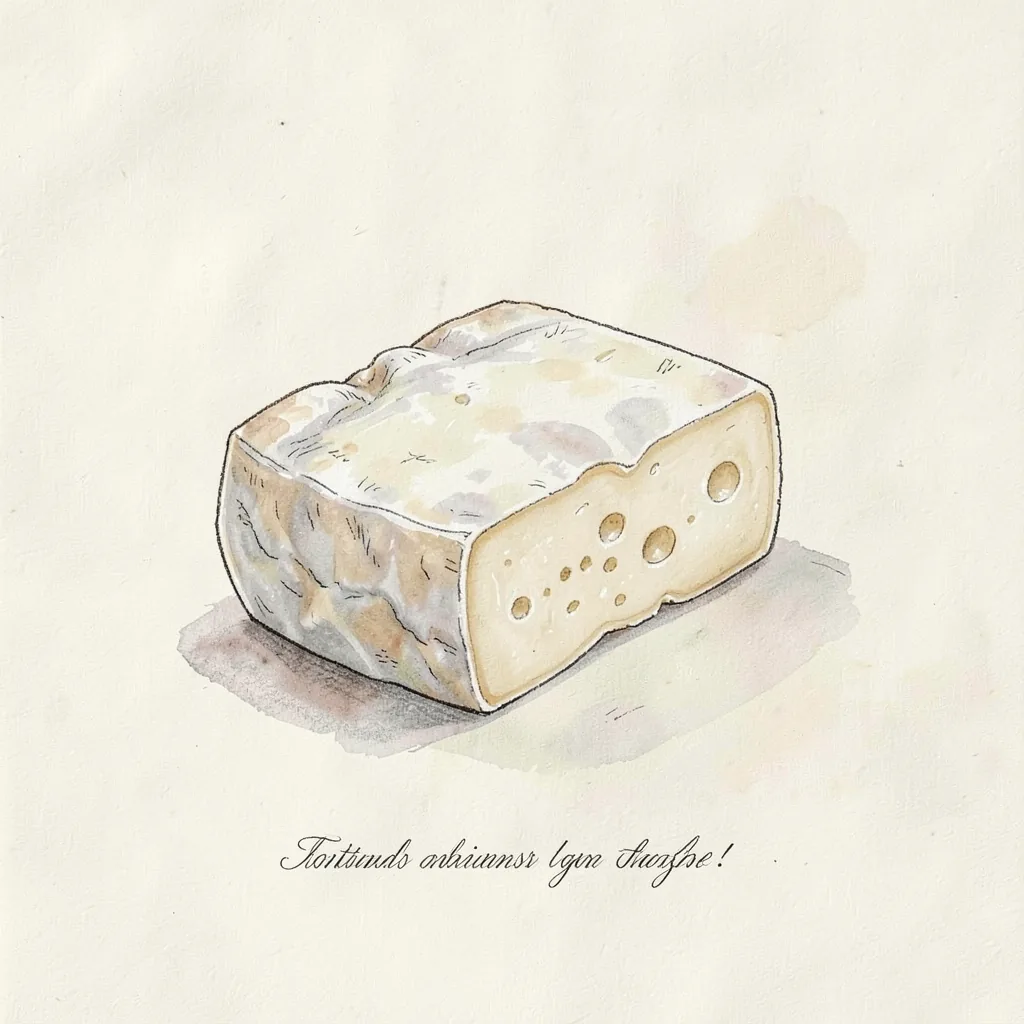
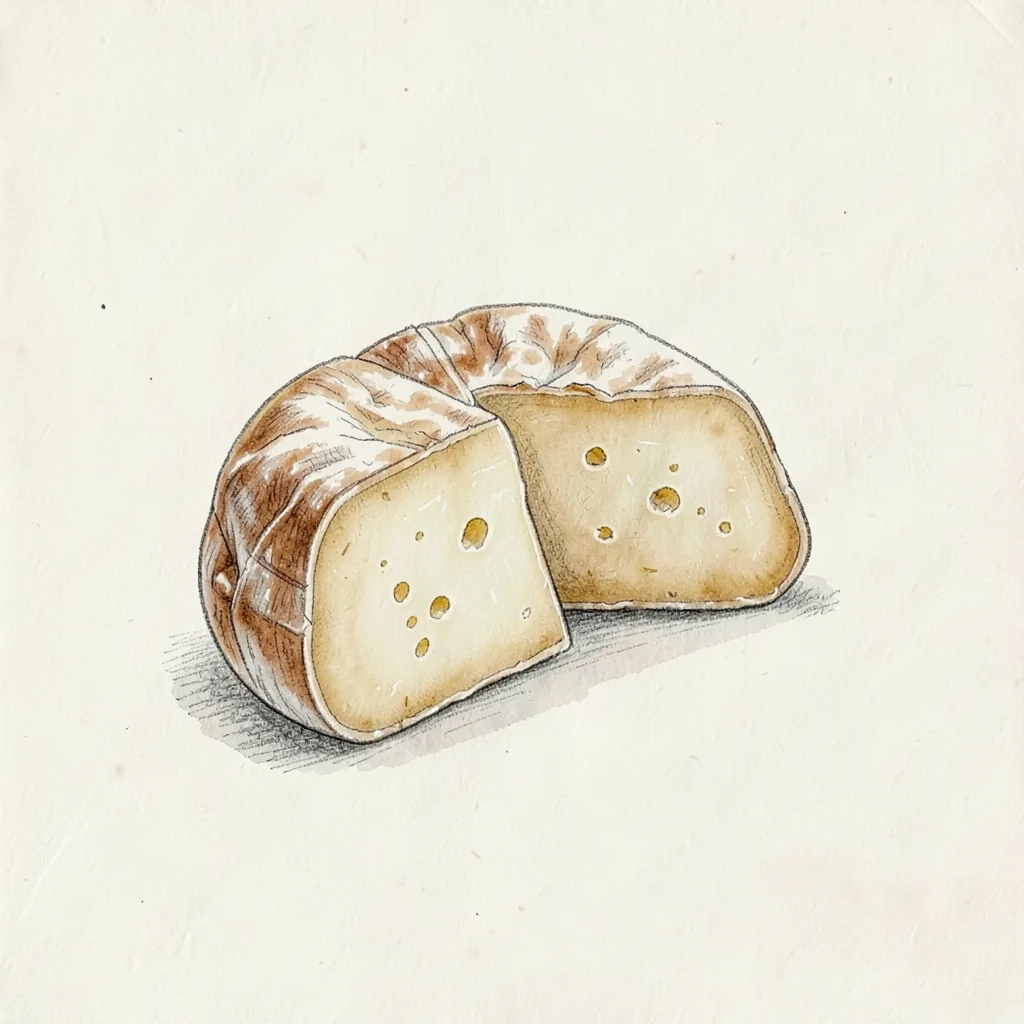
Wrapping is the second stage. Several chestnut leaves cover each cheese, and raffia is tied around the parcel. Away from open air, the paste softens again and takes on leaf and, sometimes, spirit aromas. A thin beige rind with light brown spots can show once the leaves are peeled back. The cheese is ready when the center is creamy, and it is neither a pressed hard wheel nor a blue.
Taste
Ripe Banon tastes of goat milk, chestnut, and a clean cellar dampness, without the bite of a very old cheese. The paste is smooth, shiny, and rich, and it can slump toward the edge of the plate. Salt is balanced, and a light tannic dryness from the leaves shows at the finish. Early pieces are softer in flavor and a bit more lactic. Later pieces are fuller, earthier, and more aromatic.
The smell is stronger than the taste. Open the raffia and you get leaves, goat, and sometimes alcohol before you taste cream. On the tongue the spirit note should stay in the background. If the cheese smells only of raw alcohol, it may have been wrapped too heavily or kept too warm. A good piece finishes savory and slightly sweet, and it calls for bread rather than a large second slice.
In the kitchen
Peel the leaves back and serve the cheese at cool room temperature on a plain board. Country bread, a few fresh figs or cherries, and a simple green salad are enough. The creamy center can be spread with a knife if it has ripened well. A firm young piece can be sliced into small wedges. Do not expect neat cubes once the paste has gone soft.
Banon can be warmed, but only briefly. A half cheese on toast or beside roasted vegetables softens further and smells of goat and leaves. Long baking drives off the delicate aromas and can make the spirit note harsh. It is a poor match for a bubbling gratin that needs a mild melting cheese. Use it where you would use a small soft goat cheese, and let the leaf perfume stay noticeable.
Around the world
Banon is a regional French goat cheese, and most of it is eaten in France. Specialty shops abroad do import the leaf-wrapped rounds, especially in autumn and winter when the parcels look seasonal. The raffia tie survives shipping better than a bare soft rind would. Buyers should keep it cool and open it when the paste gives to a gentle press. A dried-out disk under loose leaves has waited too long.
People who know only fresh goat logs may find Banon stronger and more woodsy. It is still in the broad group of soft goat cheeses, so pelardon, picodon, or another small French goat round can stand in if the leaves are not essential. Nothing else carries quite the same chestnut wrap. On a menu, the word Banon should mean this Provençal goat cheese, not a flavored fresh spread. If the paste is chalky and the leaves are only a decoration, you have a different product.