Cow
What it is
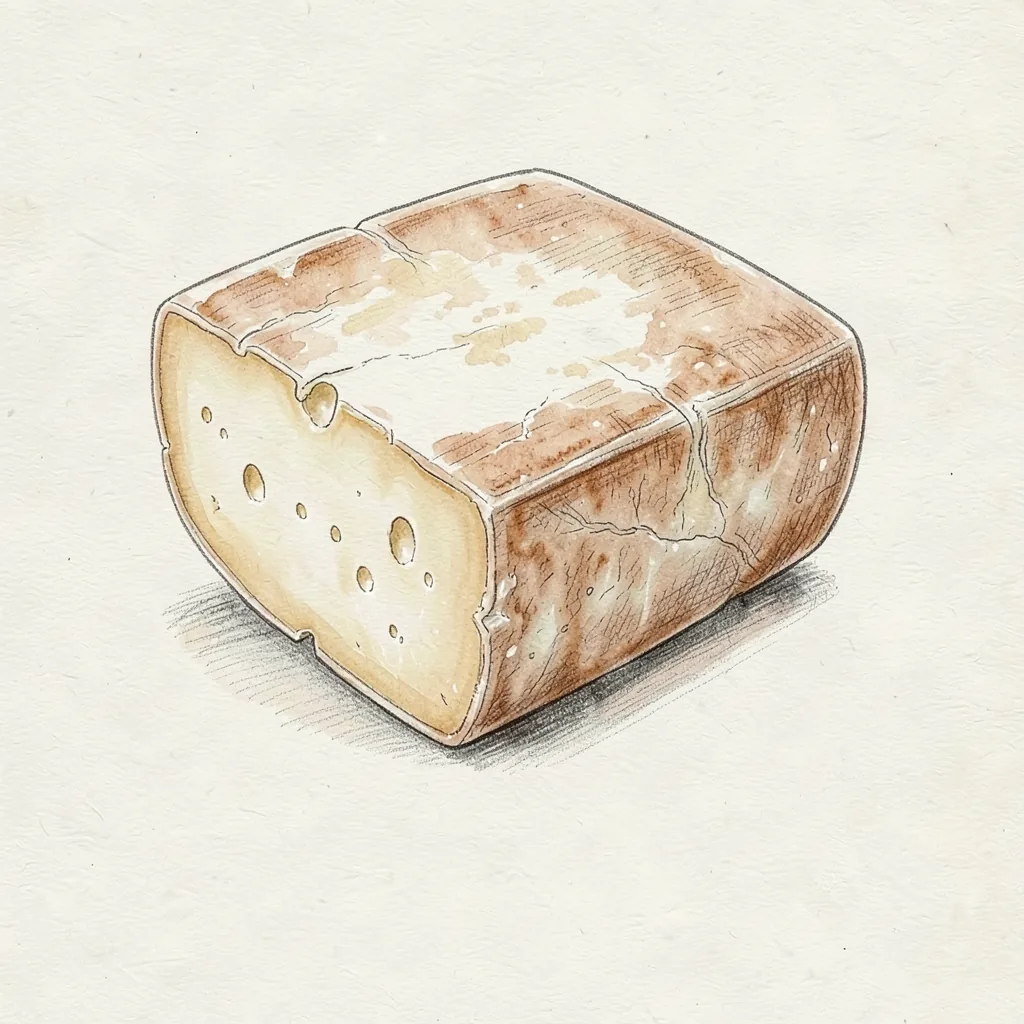
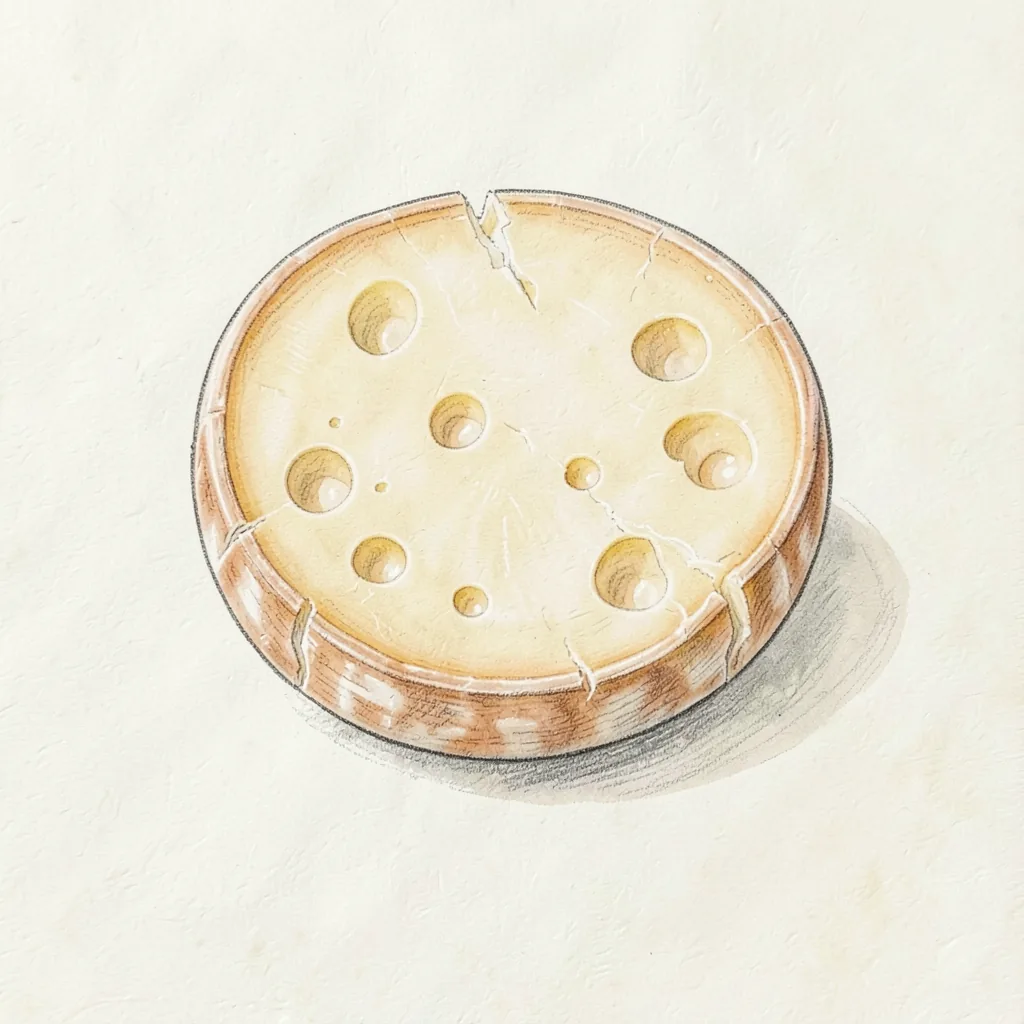
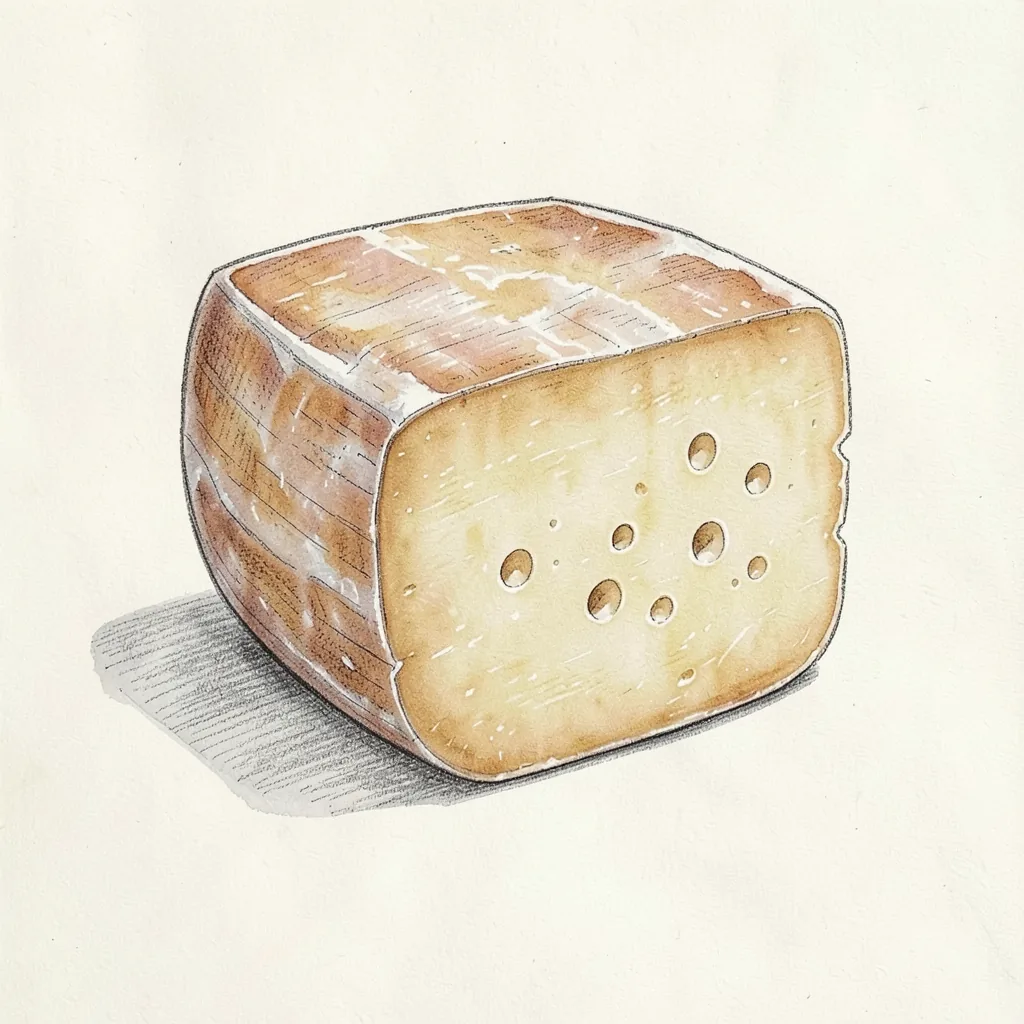
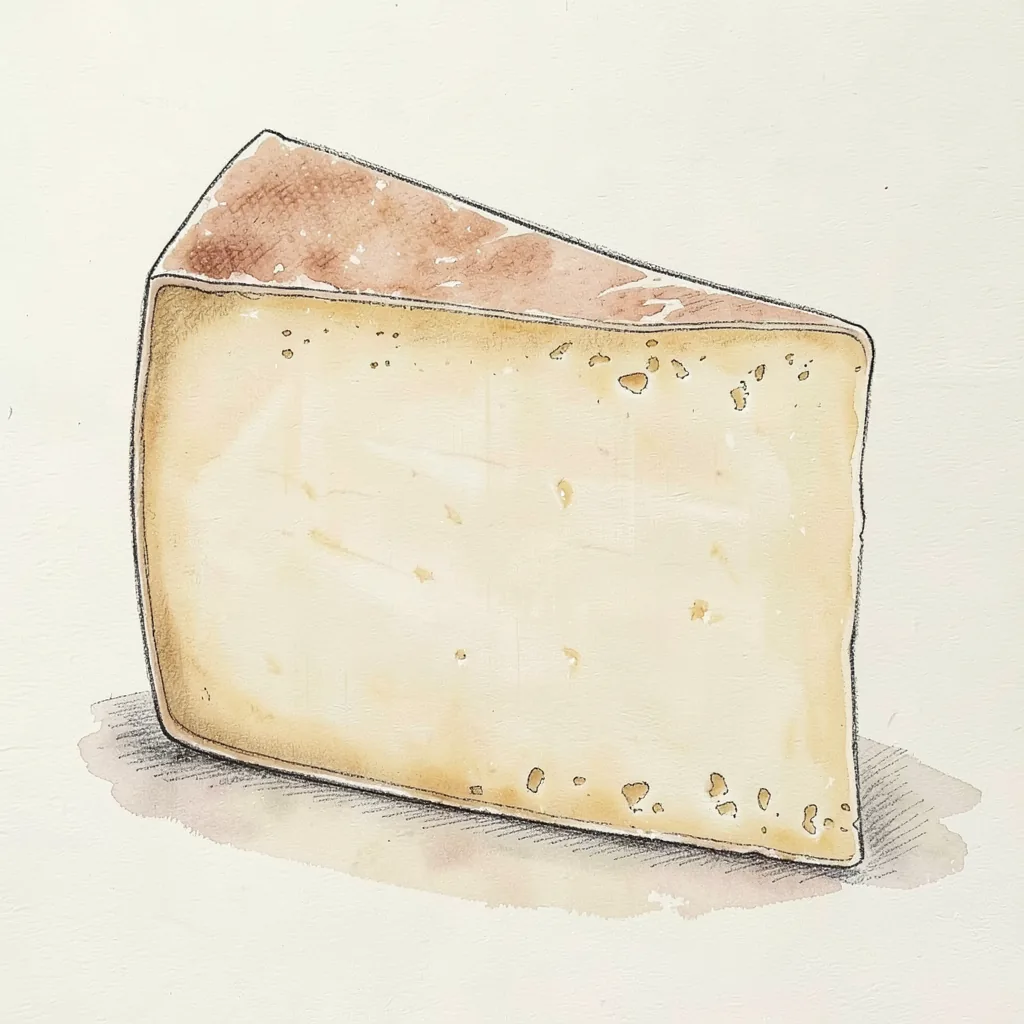
The name means cheese of the alpine pasture, and the wheels come from mountain dairies in that region. They are large and round, with an elastic paste and a natural rind that may darken as it rests. Color inside runs from ivory to straw yellow, and a few small eyes are scattered through the body. It is a table cheese, not a fresh soft cheese and not a very dry grating block.
The flavor is mild to savory, with butter, hay, and a note of cooked milk. Salt is clear, and a light bitter note can show at the edge of a bite. Slices sit well on bread, and the same cheese melts evenly for baking. In South Tyrol it is an everyday alpine cheese, set beside stronger and darker wheels from the mountains. The rind may carry a little surface mold, and most people trim that coat before eating.
History
Mountain dairies in South Tyrol have long turned pasture milk into firm wheels that keep through the year. Alpkäse is the plain local name for that cheese, rather than the mark of a single house. The German word stayed in daily use in this Italian region, where it simply means alpine cheese. The wheel sits in the same broad family as other alpine cheeses and keeps a milder semi-hard character of its own. People in South Tyrol still treat it as a traditional cheese of the high farms.
Valley shops and mountain huts both sell it, so visitors meet it on ordinary tables as well as on special boards. The name can confuse buyers, because other alpine countries use Alpkäse for their own pasture cheeses. Those wheels share the mountain idea and are not made to the same recipe. In this case the cheese is the one from South Tyrol in Italy. The place named on the label is what keeps the name honest.
How it is made
Whole cow's milk, often pasteurized, is set with starter cultures and rennet. The curd is cut small, warmed until it is semi-cooked, and stirred so the whey leaves the vat. It is then pressed in round molds into sturdy wheels with flat faces. The wheels are salted in brine, and a natural rind forms while they rest. Makers turn them often so the salt stays even and the shape does not slump.
Aging lasts long enough to give a supple semi-hard paste and a thin, tough rind. A light mold may darken the outside, and the coat should stay free of deep cracks. Eyes stay few, small, and round, while the paste stays closed and elastic rather than granular. No spice, smoke, or brine wash is required for the standard wheel. Mountain milk and a pressed curd do the main work of flavor.
Taste
The smell is of butter, fresh hay, and a warm dairy room. Taste is mostly gently sweet, clearly salty, and only lightly sharp. A faint bitter edge can appear near the rind, and it should stay mild. The paste feels elastic at first, then softens on the tongue. Dried fruit or a light broth note can show in a well-kept wheel, and the cheese is not fiercely piquant.
Color is even from ivory to straw, with sparse round eyes in the paste. The rind smells a little more of the cellar than the center does. A younger wheel is gentler and more milky, and further age brings hay, nut, and a firmer bite. Fat gives a smooth mouthfeel without making the slice greasy. If the paste tastes sour or the eyes look wet and ragged, the wheel was poorly kept.
In the kitchen
Serve Alpkäse in slices with bread, butter, and a light wine from the same region. It melts evenly, so it suits gratins, toasted sandwiches, and simple cheese sauces. Cubes work on a cold plate with pickles, pear, or a sharp apple. It is mild enough for people who find strong washed rinds too heavy. Grate only the older and drier pieces, because a young wheel clumps on the grater.
In mountain cooking it is a cheese for ordinary meals, not only for a special board. It can stand in for other semi-hard alpine cheeses in a recipe, and the melt stays smooth. Do not expect it to stretch like a spun-curd cheese in a hot pan. Cover the cut face after serving, because the edge can dry and harden. Leave the rind on a baked slice if you like the extra flavor, or trim it for a cleaner plate.
Around the world
Outside South Tyrol, the word Alpkäse is easy to mix up with pasture cheeses from neighboring alpine countries. Those cheeses share the mountain idea and can differ in milk handling, age, and hardness. A label should say Italy or South Tyrol if this is the wheel you want. It is more common in northern Italy and in alpine markets than in distant supermarkets. Visitors taste it in mountain huts and then look for the same mild wheel at home.
When this Alpkäse is missing, another semi-hard alpine cow's milk cheese can cook in a similar way. The swap will not carry the exact hay note of milk from South Tyrol. It is not a blue cheese, and it is not a fresh cheese for spreading. Shops that carry Italian alpine cheeses are the best place to start a search. Read the country on the label, and then judge the paste by its elastic cut and small eyes.