Cow
What it is
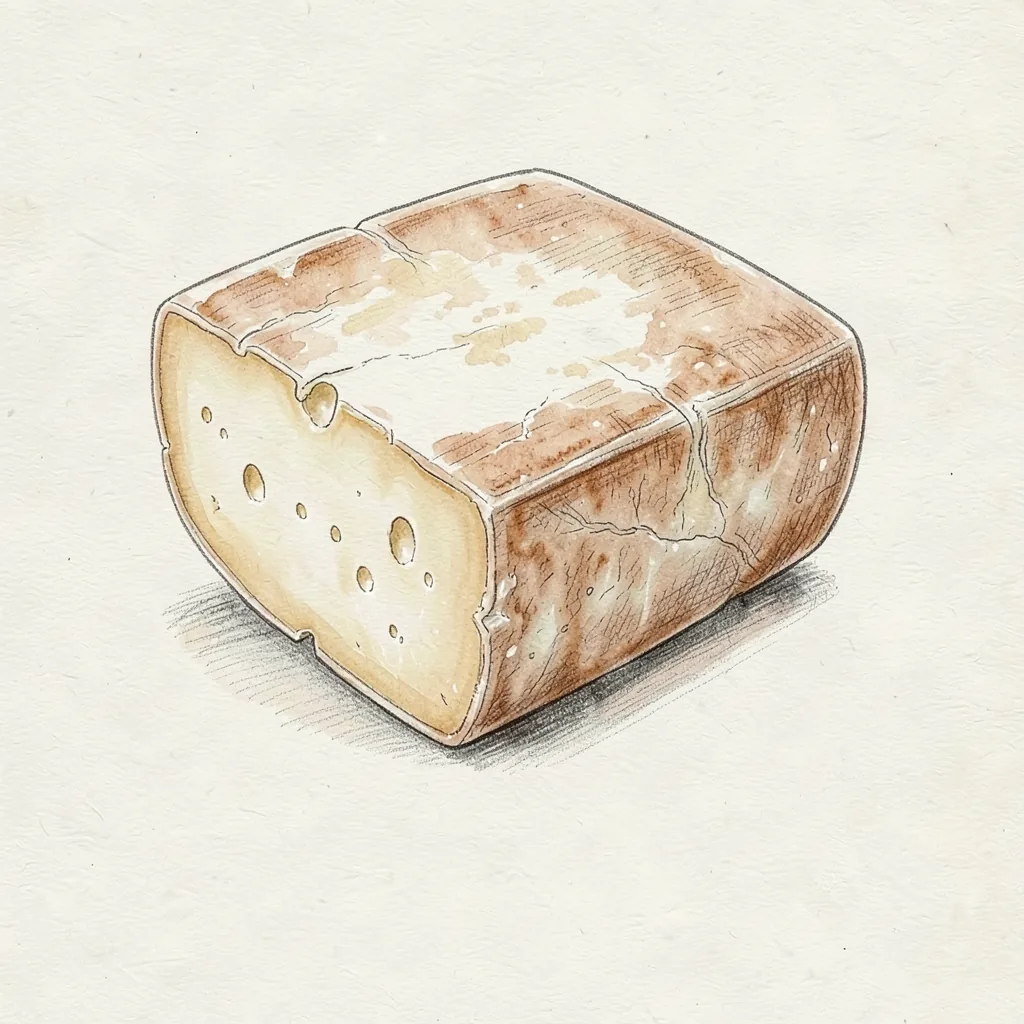
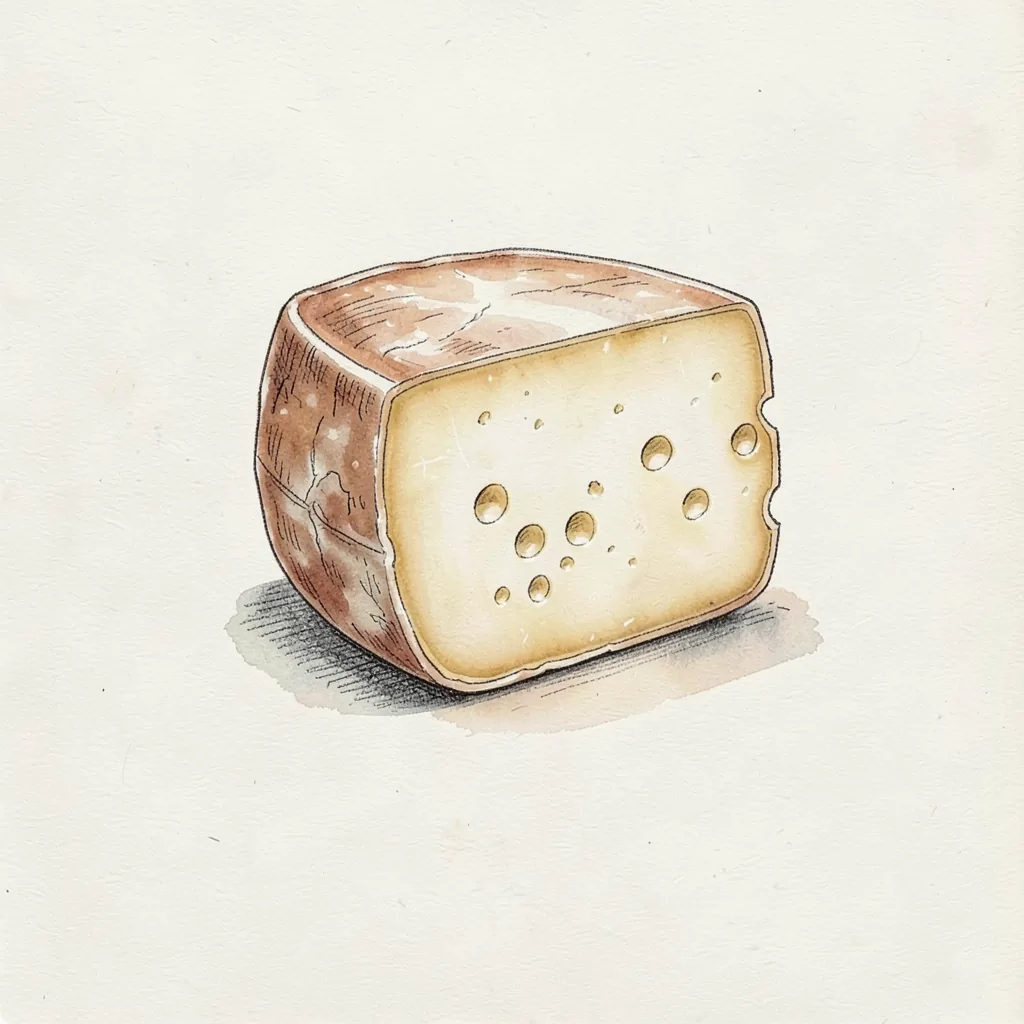
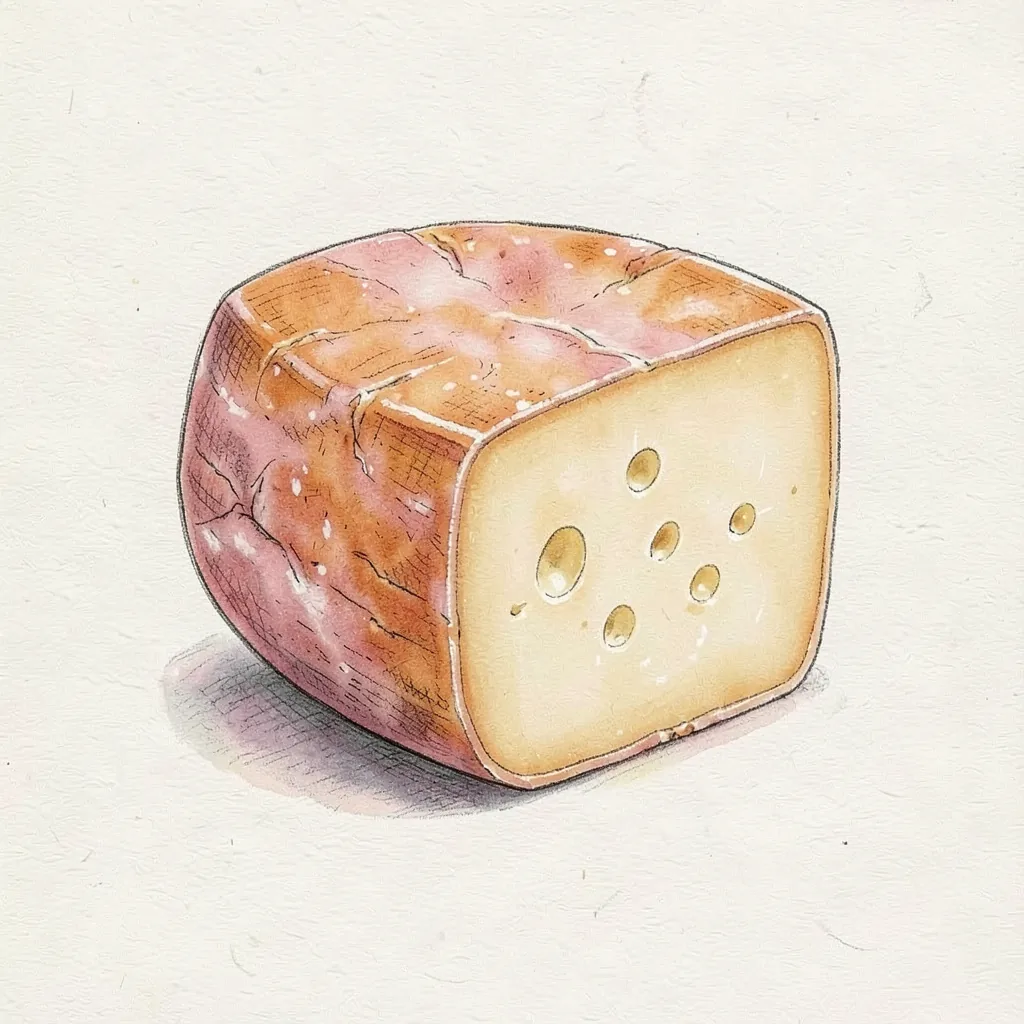
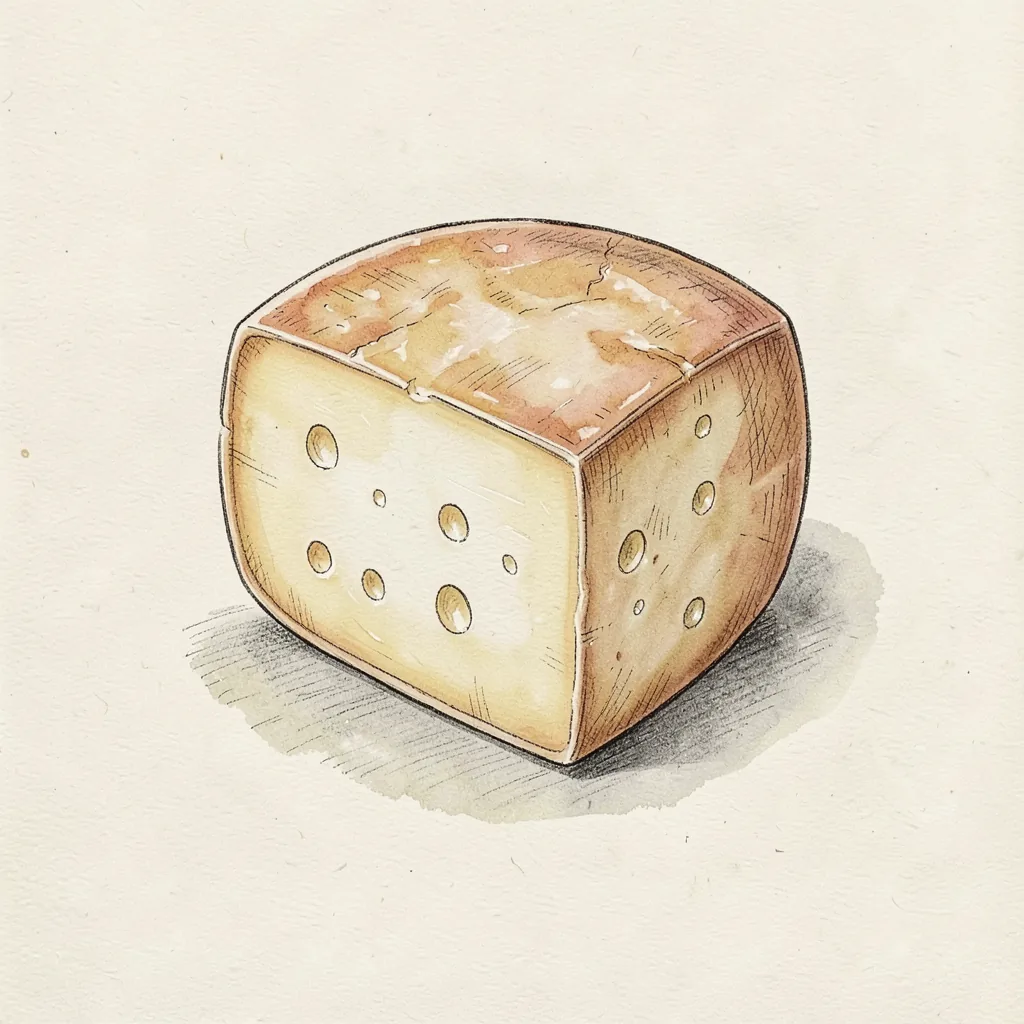
It is made from raw cow's milk, and the wheels are large, with a natural brown rind. The paste is pale to light yellow, supple when younger, and harder or more crumbly after a long age. A few small eyes are normal. The taste runs from nutty and mild to spicy and herbal, and cooks use it on a board, for melting, and for grating.
The milk comes from herds fed on grass and hay, without silage, which suits a raw-milk cheese that must age cleanly. The rind is dry and brown rather than sticky and orange. A younger wheel slices smoothly, and an older one breaks into savory shards. Salt is clear but not fierce. It belongs with other alpine cheeses, yet the Vorarlberg name marks this regional make, and it is a regular cheese at home as well as a specialty abroad.
History
Mountain cheeses have long been made in the dairies of Vorarlberg, where high pastures and valley farms supply cow's milk. Vorarlberger Bergkäse is the regional wheel from that tradition, shaped in large rounds and aged in humid cellars. The method stayed manual and local, tied to farms that do not feed silage. The name points to the state, not to one village brand. No single founder is needed to explain it, and the cheese is the common firm style of that western Austrian dairy culture.
As alpine cheese found a wider market, this name stayed attached to milk and makes from Vorarlberg. Cellars still rub and turn the wheels while they age, and the range runs from a sliceable cheese to a long-aged one with more bite. Neighboring alpine regions have their own mountain cheeses, and those are not the same wheel. Buyers sometimes shorten the name to bergkäse, which is a broader word. The full name is the one that locates the cheese in Vorarlberg.
How it is made
Dairies start with raw cow's milk from hay-fed herds and set it with natural rennet and a lactic culture. The curd is cut fine and heated, then pressed into large round molds. The wheels go into a brine bath so the rind can begin and the salt can enter. After that, they age in a humid cellar. During the age, the rinds are rubbed with salt water and turned, and the work stays traditional and hands-on.
The cheese is not a blue, and it is not stretched like a pasta-filata cheese. Pressing and heat give a firm body that can keep through a long cellar stay. Small eyes may form, and a crowded pattern of large holes is not the goal, while a natural rind turns brown and dry. Younger wheels leave the cellar still supple, while longer aging dries the paste and deepens the flavor. The finished cheese is a wheel for cutting, not a fresh tub.
Taste
A younger Vorarlberger Bergkäse tastes mild, nutty, and slightly sweet, with a clean alpine smell. Herbal and savory notes grow as the wheel ages, and a long-aged piece can be spicy without a burnt edge. The paste feels smooth and dense at first, then firmer and a little flaky. Salt is balanced by the sweet milk taste. The rind is earthier than the interior, and many people cut it away before they eat the paste.
The flavor is less fruity than some Swiss alpine cheeses and less pungent than a washed smear cheese. There should be no bitter bite and no ammonia if the wheel is sound. Small eyes do not change the taste, and they only open the paste a little. Cow's milk from hay feeding gives a clean base, and the cellar age adds the nut and herb layers. Eat a thin slice plain before you cook with it, because the age of the wheel changes the result.
In the kitchen
Slice a younger wheel for a board with bread, butter, and fruit, or for a simple supper with potatoes. Grate an older, drier piece over dumplings, pasta, or soup. The cheese melts in a sandwich, a sauce, or a gratin, though it will not flood the plate like a very young soft cheese. Heat should be steady so the paste softens without turning oily. Cubes can go into a salad if the piece is not too hard to chew.
On a board, offer both a mild slice and a longer-aged shard if you have them, because they are the same cheese at two stages. A plane or a coarse grater works better than a fine zesting tool. Apples, nuts, or a dry white wine sit well beside it. Wrap the cut wheel and keep it cool, and let a slice warm a little before serving. Use the rind in cooking only if you like the stronger earthy taste.
Around the world
Outside Austria, Vorarlberger Bergkäse appears in shops that carry alpine cheeses, often near Swiss and German wheels. The long name is sometimes shortened, which hides the Vorarlberg origin. A generic bergkäse may be a similar style from somewhere else. The Austrian cheese is the one tied to that state's hay-milk tradition. It travels better than a fresh cheese because the wheel is firm and has a dry rind, but it still prefers a cool counter rather than a hot window.
Generic bergkäse is the closest substitute when the Vorarlberg wheel is missing, and the taste will be in the same family. Gruyère gives a nutty melt for cooking, with a slightly different sweet savor. Emmentaler is milder and has larger eyes, so it will not match a spicy aged piece. Appenzeller is more aromatic and can overpower a dish that wanted this quieter herbal note. Choose a firm alpine cow's milk cheese, and match the age to the job, whether that is a slice or a grate.