Cow
What it is
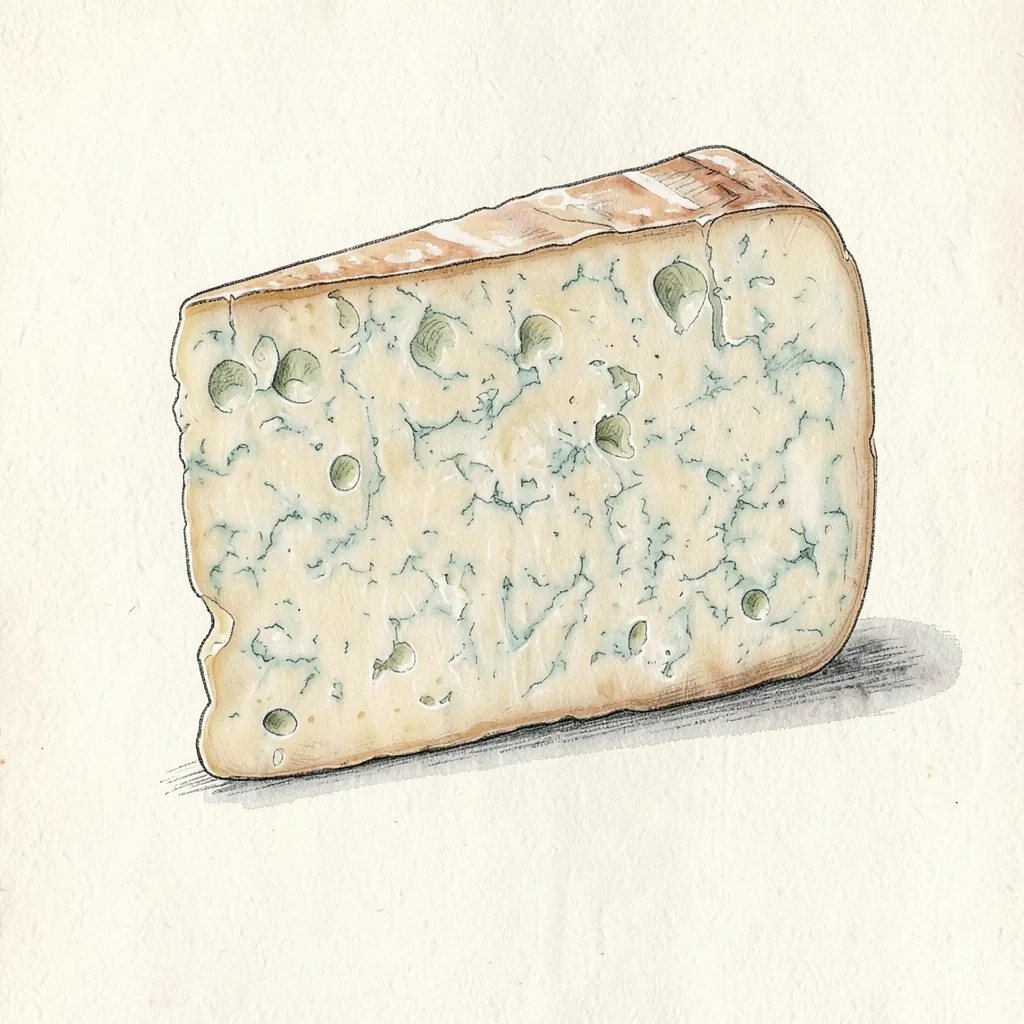
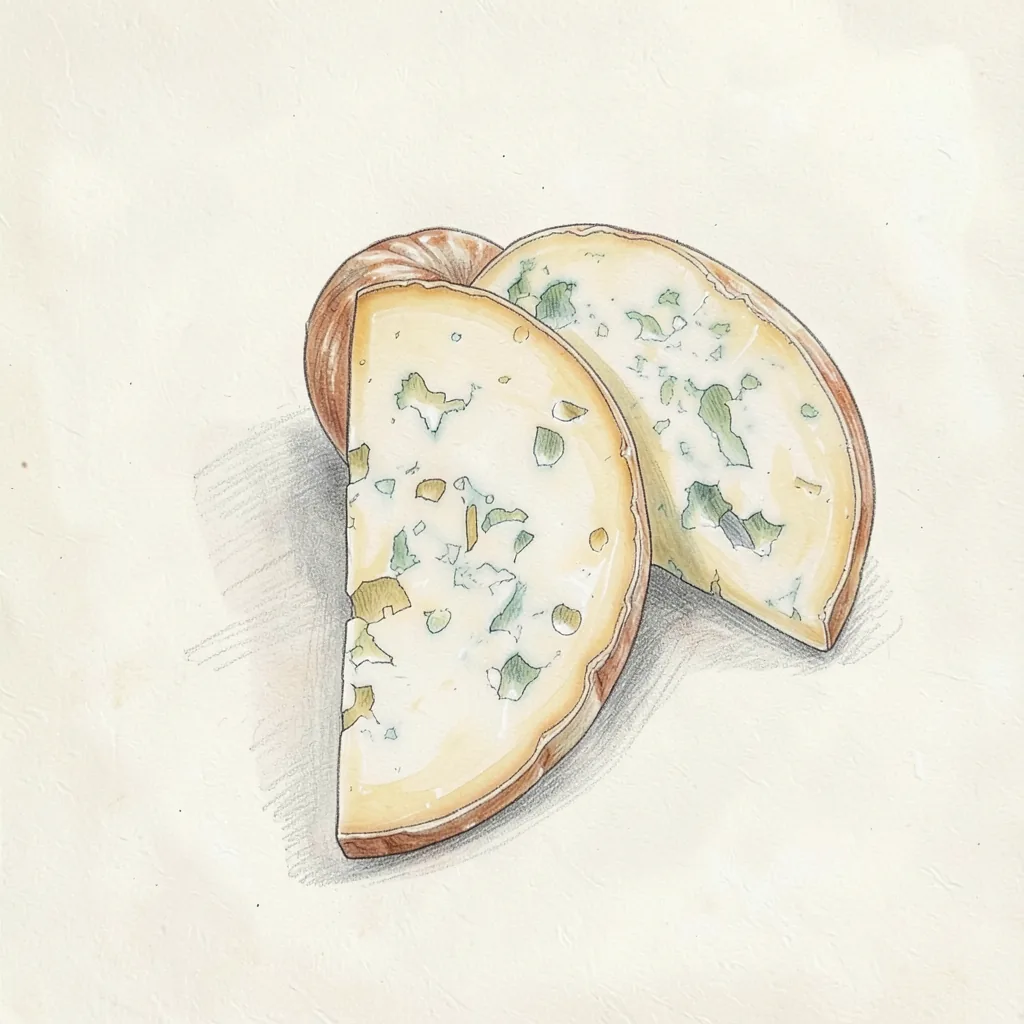
It is made from cow's milk, and the paste is ivory to pale yellow with blue veins. The wheels are flat and round, with a thin natural rind that runs from white to gray-blue. The taste is a mild blue, often with hazelnut and a hint of woodland. It is gentler and less salty than many famous French blues.
The cheese belongs to the Vercors plateau, and the name also carries Sassenage. Mountain herds supply the milk. A cut face looks moist and fairly even, not heavily cracked or dry. The blue is spread through the paste rather than packed into a few dark lines. Cooks in the region melt it on potatoes, and cheese boards use it when they want blue flavor without a harsh bite.
History
Blue cheese has long been made on the Vercors plateau in Rhône-Alpes. The double name joins that highland with Sassenage, and it marks a local wheel rather than a copy of a lowland blue. The plateau was hard to reach, which helped the method stay in place. Farms made the cheese, and later dairy work carried the same style in larger batches. The milk still comes from cows suited to that mountain country.
What stayed distinctive was the handling of the milk, not an added spice or smoke. Makers blend milk from an earlier milking, which has been warmed and cooled, with fresh morning milk. That pattern is part of the public account of the cheese. The style did not turn into a sharp, salty blue as it became better known. Buyers still look for a mild mountain wheel with a pale rind and an even scatter of blue.
How it is made
The make starts with unpasteurized cow's milk from the Vercors area. Milk from the earlier milking is warmed and then cooled, and it is mixed with fresh morning milk before rennet goes in. The curd is cut, stirred, drained, and placed in round molds. Salt is added, and the wheels are turned while a blue mold develops in the paste. Small warm-colored marks can appear on the rind, but washing is not the step that defines this cheese.
The wheels are broad and fairly flat, with a thin, slightly damp rind. They stay in the aging room long enough for veins to show and for the paste to turn supple. The interior should look ivory, with blue well spread, and it should feel moist rather than chalky. Makers turn the cheeses so the rind stays even from white to gray-blue. A finished wheel is ready to cut for the table or to melt over a hot dish.
Taste
The flavor is mild blue, with hazelnut and a soft woodland or mushroom note. Bitterness, sharp acid, and heavy salt are not the aim. The paste feels smooth on the tongue and melts rather than feeling granular. The rind can smell a little of a clean cellar, which is normal for this style. A bite that includes both vein and pale paste shows the balance of nut and blue.
A very young wheel can taste mostly of sweet milk, with the blue still quiet. Given a little more time, the nut note and the blue come forward together. The cheese should not burn the tongue with salt or leave a harsh bitter end. If it smells of ammonia or the paste is slimy, it is past its best. Serve it cool but not icy, so the hazelnut and the gentle blue can both be tasted.
In the kitchen
Bleu du Vercors-Sassenage works on a board with bread, nuts, and a ripe pear. It also crumbles into a salad where a strong blue would be too much. In the region it is known melted over warm potatoes, often with cured meat on the side. Heat softens it quickly into a creamy layer that coats the food. It can go into a sauce or a baked dish near the end of cooking, when you want the blue to stay gentle.
Cut it with a normal knife, because the paste is moist and a fine grater is the wrong tool. Do not cook it for a long time on high heat, or the blue note turns harsh and the fat separates. Add it when the dish is hot and then take the pan off the heat. Wrap leftovers well so they do not dry out. The smell is milder than that of a strong blue, but it will still scent butter and bread in the same box.
Around the world
Outside Rhône-Alpes, this blue is less famous than the great blues of other French regions. Specialist shops and French importers are the usual source in other countries. The full name matters, because a short label that only says mountain blue could be a different wheel. Look for a flat round with a pale rind and veins spread in an even way. If the taste is very salty and sharp on the first bite, you may have a different blue.
Bleu de Gex is another mild mountain blue, and it is the closest swap on many counters. Fourme d'Ambert is a cow's milk blue with a gentler taste than the sharp classics, and it also melts. Bleu d'Auvergne is usually stronger and saltier, so use less if you substitute it in a dish. Gorgonzola can cover a potato dish, but the flavor is creamier and not the same. For this cheese, mildness is the point to keep when you choose a stand-in.