Cow
What it is
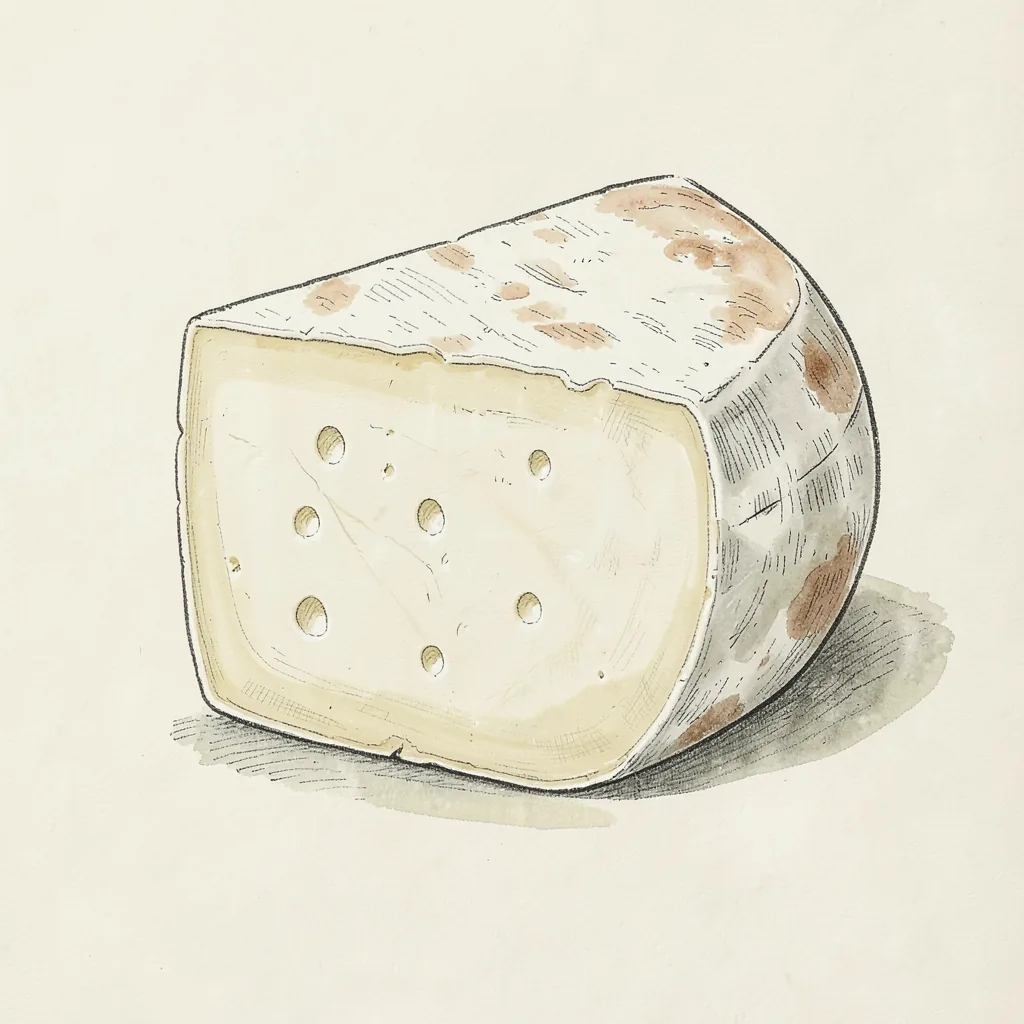
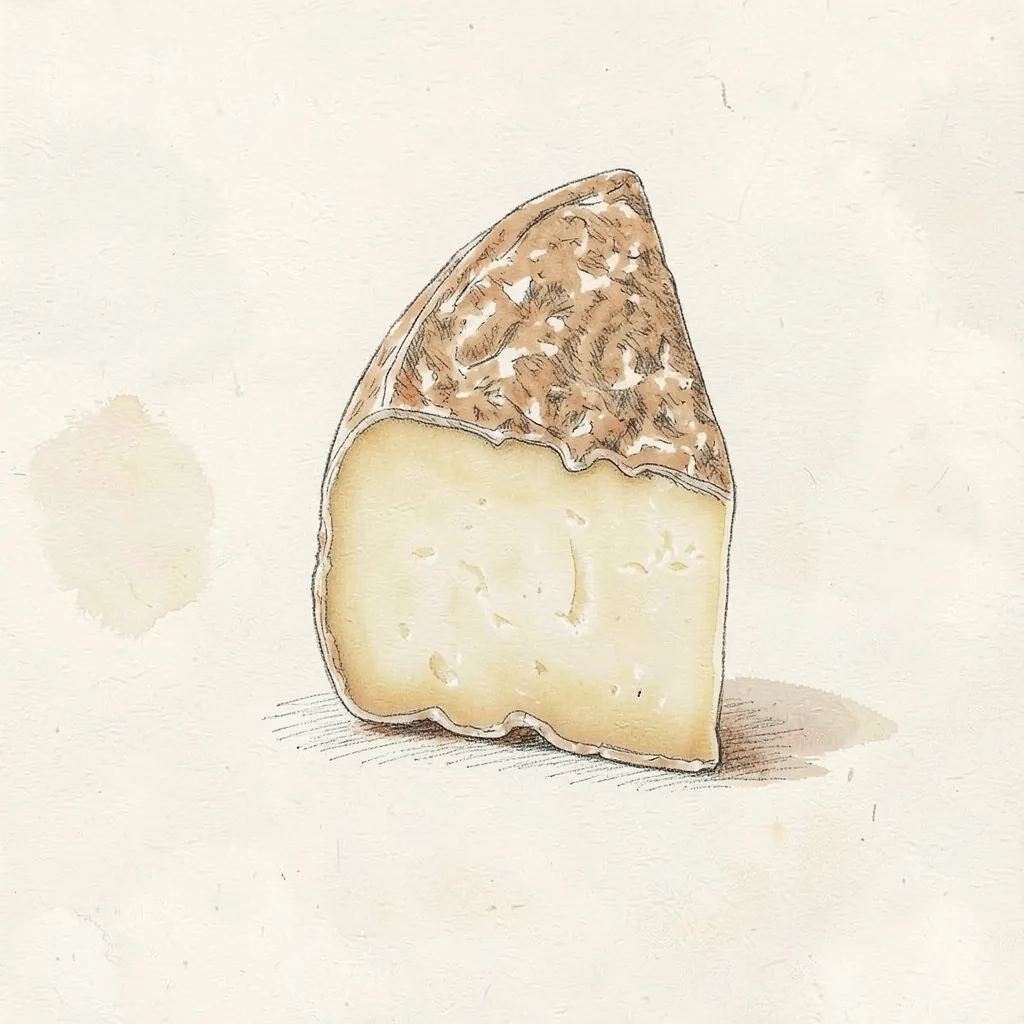
It is made with pasteurized milk and vegetarian rennet, and the paste is rich and creamy. A natural rind turns yellowish grey as the cheese ripens. The taste is clean and savory, with fruit that lingers in the finish. It is an English style of pressed cheese, not a blue and not a fresh curd.
Under the rind the paste is supple and almost melting, pale yellow, and smooth. It is firm enough to slice, yet soft enough to yield on a warm plate. The flavor stays savory and a little sweet, without a sharp aged bite. People set it on a board or let it soften in a hot dish. A very dry grating cheese is a different tool, and Coquetdale is not that style.
History
Coquetdale is a cow's milk cheese of the United Kingdom, and the name itself is a dale name rather than a family name. It belongs with British cheeses that are pressed, ripened, and sold with a natural rind. The style aims at a rich, clean flavor instead of a sharp crumbly bite. It is not a blue cheese, and it is not one of the old clothbound blocks. Shops treat it as a specialty wedge, not as a standard piece for every fridge.
Ripening under a natural rind gives Coquetdale its place among semi-hard cheeses with a supple paste. Saint-Nectaire is the style people most often set beside it, though that cheese is French and this one is British. Both show a gentle savory taste and a rind that is part of the cheese. Coquetdale uses cow's milk and stays in the British trade. Cut wedges in shops show the grey-yellow rind and the creamy interior together.
How it is made
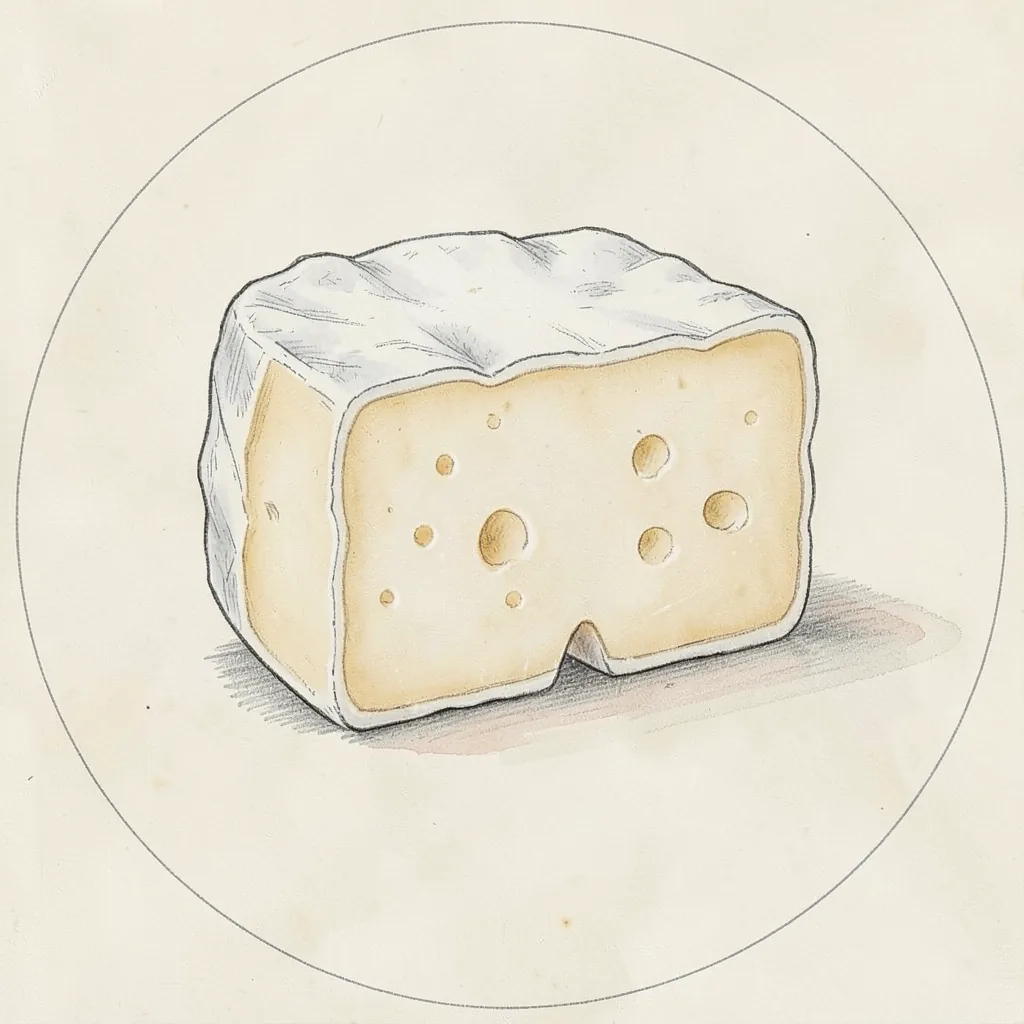
Production starts with pasteurized cow's milk. Vegetarian rennet sets the curd, and the curd is handled so the paste stays moist and supple rather than dry and crumbly. The cheese is formed and salted, then left to ripen until the flavor is ready. A natural rind develops a yellowish grey surface as it matures. The interior remains pale, creamy, and close textured, without large round eyes.
The ripening builds the fruity finish and the soft, almost melting texture. The rind is not washed into a sticky orange coat, and it is not a thick white bloom. It stays a natural rind with a fine grey-yellow cast that can look a little leathery. Whole milk keeps the paste rich and smooth. When the cheese is ready, slices bend, and the smell is clean and milky rather than sharp.
Taste
Coquetdale tastes rich and clean, with a creamy body and a fruity finish that lasts. Sweetness and savor sit together, and the salt is balanced rather than harsh. The paste feels smooth and slightly melting on the tongue. A faint tang may show near the rind, but the center stays gentle. The smell is warm and milky, with no ammonia and no blue sharpness.
Texture tells you as much as flavor does. The cheese is semi-hard, yet it yields, and a room-warm slice can feel almost soft. It is not crumbly like Cheshire, and it is not waxy like a long-aged block. The rind is edible for people who like a little earthiness, and the paste under it is paler and sweeter. If a piece tastes bitter or dry all the way through, it has gone past its best.
In the kitchen
Serve Coquetdale on a board in thick slices, with bread, pears, or nuts. The fruity finish does not need a strong chutney to show itself. Because the paste softens readily, it also melts in a toasted sandwich or over potatoes. Keep the heat moderate so the fat stays in the cheese and the texture stays smooth. A light grate over vegetables works, though the cheese is too moist to powder like a very hard cheese.
Let a wedge sit out of the cold before you eat it, so the creamy texture can show. Trim the rind only if you want a milder bite in the center. It can sit beside a green salad, but it is not a cheese you crumble into small dry bits. For cooking, think of it as a supple cow's milk cheese in the same role as Saint-Nectaire. Store it wrapped, because the natural rind can dry and the paste can take on other smells.
Around the world
Coquetdale is a specialty of the United Kingdom, and many cheese counters abroad will not carry it every week. When it travels, it travels as a cut wedge with a natural rind, not as a waxed block. Shoppers who know only crumbly British cheeses may expect a sharp, dry bite and then find this one softer and fruitier. The name does not point to a sharp clothbound style. Ask for a semi-hard cow's milk cheese with a grey-yellow rind if the label is unclear.
Saint-Nectaire is the closest substitute, with a similar supple paste and natural rind, though it is French. Tomme de Savoie can also fill the board role when you want a mild pressed cheese with an earthy rind. Chevington is another British cheese that can be confused with it in a specialty case, but the flavors are not the same. If you need a hard grating cheese, choose something drier. Coquetdale is at its best when the slice can still soften.