Cow
What it is
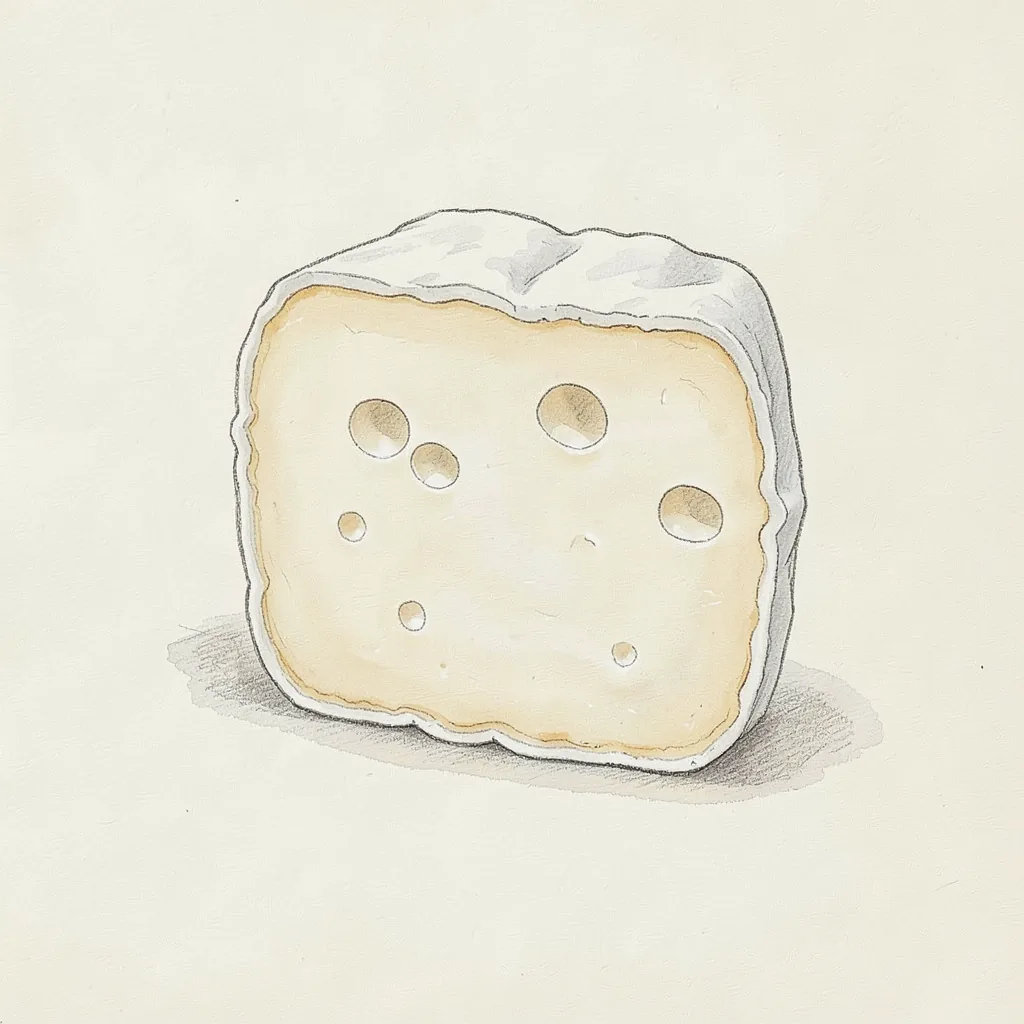
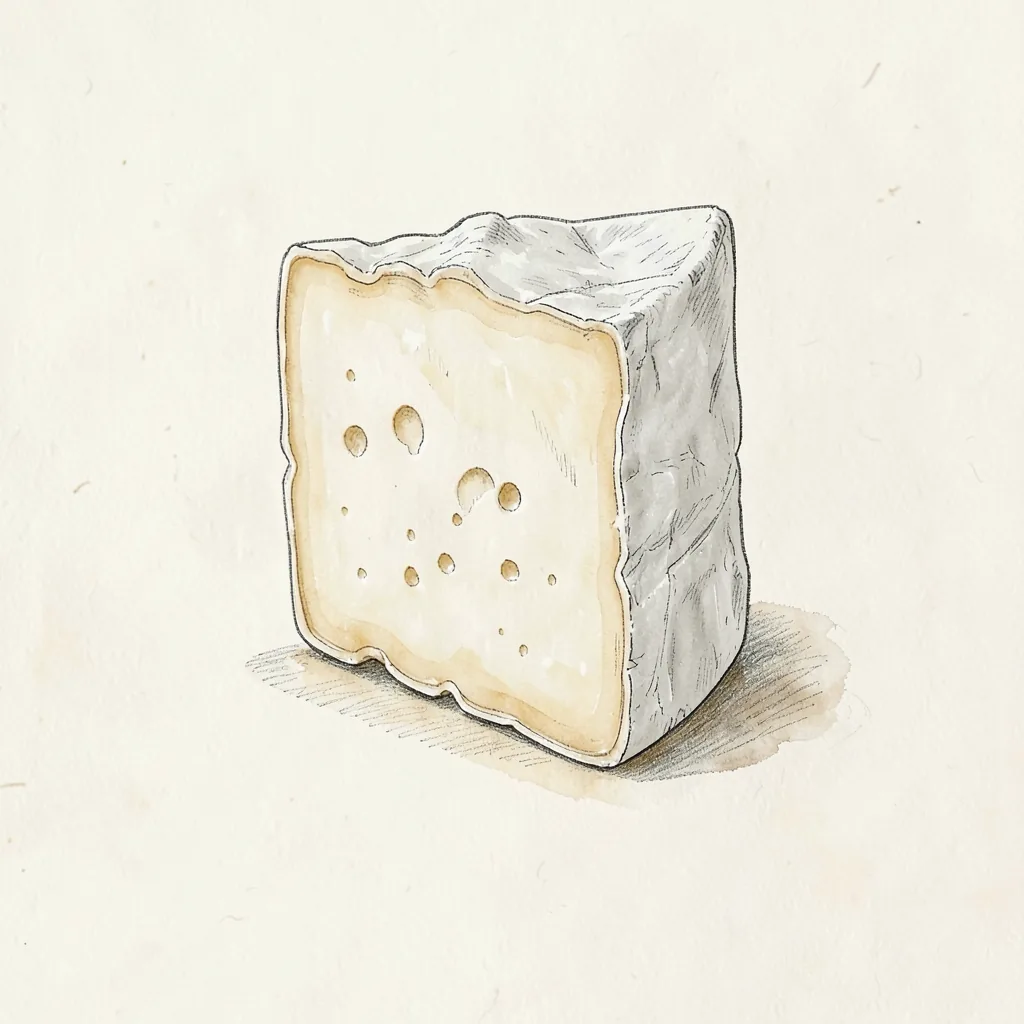
That cream puts it among the triple-cream cheeses, so the paste is richer than a standard bloomy round. A white rind covers a low cylinder, and the inside is ivory, smooth, and mild. The flavor is buttery, with a light mushroom note from the rind. The name recalls the Explorer satellite, which was in the news when the cheese first appeared.
The cheese is sold in small cylinders that are easy to set whole on a board. The rind is thin and is meant to be eaten with the paste, not trimmed away. At the right moment the center yields under a spoon, while the edge still holds a soft shape. It is a cheese for spreading or for thick slices, not for grating over pasta. A piece straight from the cold tastes muted, so give it time to warm before you serve it.
History
Explorateur belongs to the modern French taste for very rich bloomy cheeses. Cream was added to milk so the paste would stay lush and mild rather than turning sharp or chalky. The satellite name was a nod to the moment when the cheese first appeared, and some labels show a small rocket. It was a new dairy recipe, not a farm method handed down for generations. It is a creation from France, built around cream and a white rind.
The style sits beside other French triple-creams that use the same idea of cream-enriched milk and a bloomy coat. Explorateur kept a squat cylinder and a gentle flavor instead of a strong washed smell. Production stayed with cow's milk and a soft paste that is not pressed hard. The name is tied to the dairy that makes it, but shoppers meet it as a cheese, not as a flavored spread in a tub. Richness and a clean white rind are still the point of the recipe.
How it is made
Cow's milk is enriched with cream before it is set, which is what makes the paste so rich. The curd is handled gently and is not pressed into a firm wheel, so the interior stays soft and even. It is filled into cylindrical molds and salted, and a white mold culture is added so the bloomy rind can grow. The shape stays low and round, with a flat top and a straight side. Nothing spicy is mixed into the curd, because the cream is the flavor.
Ripening turns a chalky young curd into a spoonable center. The rind becomes white and velvety, and the paste softens from the outside inward until the middle relaxes. A ripe cylinder gives under light pressure without running across the board in a puddle. If it smells of ammonia, or the rind is brown and slimy, it has gone too far. The cheese is made to be eaten at that soft stage, not dried into a slice that keeps for a long time.
Taste
Butter, cream, and a mild sweetness lead, and the rind adds a light mushroom smell. Some pieces carry a faint savory depth under the cream, but the taste never becomes sharp. Salt is modest, so the cheese feels lush rather than briny. There is little of the tang you meet in a strong blue or in a washed-rind cheese. The paste feels dense and then melting, almost like softened butter with a clean dairy finish.
An underripe piece tastes quieter, and the center may still be firm and slightly chalky. A fully ripe piece is richer, and the mushroom note from the rind is clearer. Neither stage should be bitter or soapy. The extra cream makes the finish long and soft on the tongue. If you taste only the cold center, you miss the rind's aroma, so eat a full slice from the edge to the middle.
In the kitchen
Serve Explorateur on a board with bread, nuts, or a ripe pear, and let people spread it themselves. It goes on toast or a cracker without any extra butter, because the paste is already rich. Slices can sit beside a green salad, but the cheese is too heavy to use in a large pile. Heat is not its best use, though a little can soften over warm potatoes at the last moment. Keep the other foods simple so the cream stays the point of the plate.
Take the cylinder out of the cold before you cut it, and wait until the center yields a little. A spoon works when the middle has fully relaxed, and a knife works when the cheese is only just soft. Eat the rind with the paste rather than scraping it off. Wrap what you do not finish, because the cut face dries and the edges yellow. One small cheese is often enough for several people at the end of a meal.
Around the world
Explorateur travels well enough to appear in cheese shops outside France, usually as a whole small cylinder. It is less common than Brie, so a general grocery may not stock it at all. The label should show a French cow's milk cheese with a bloomy rind, and it should show that cream was added. If the paste is hard and the rind is thin and dry, the cheese is tired and past its best. Buy it from a counter that turns soft cheeses quickly.
Brillat-Savarin is the closest stand-in, another French triple-cream with a white rind and a buttery paste. Saint-André can also fill the role on a board when you want the same lush texture and a mild flavor. Both are rich, and neither is a sharp blue or a firm wheel for grating. People sometimes confuse all three because the rinds look alike in the case. Check the name, because the low cylinder and the extra cream are what make Explorateur itself.