Cow
What it is
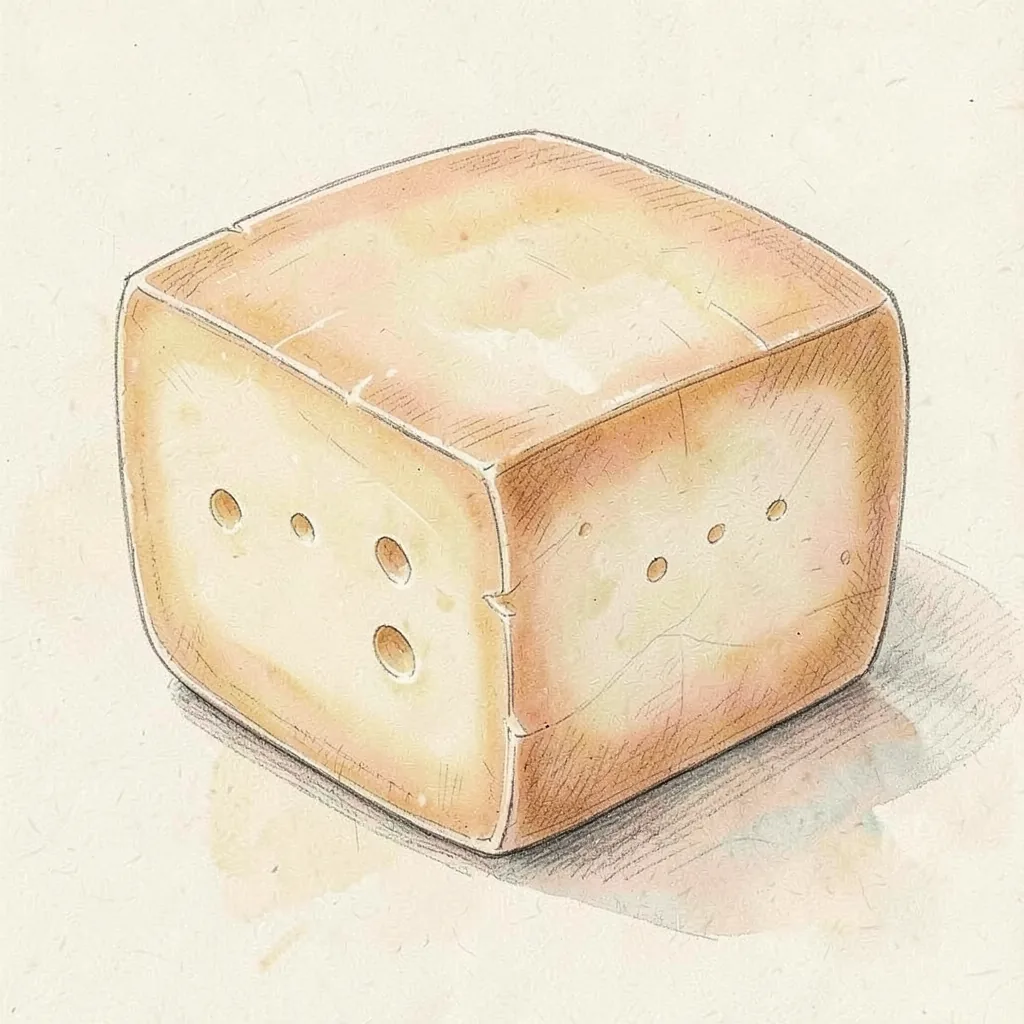
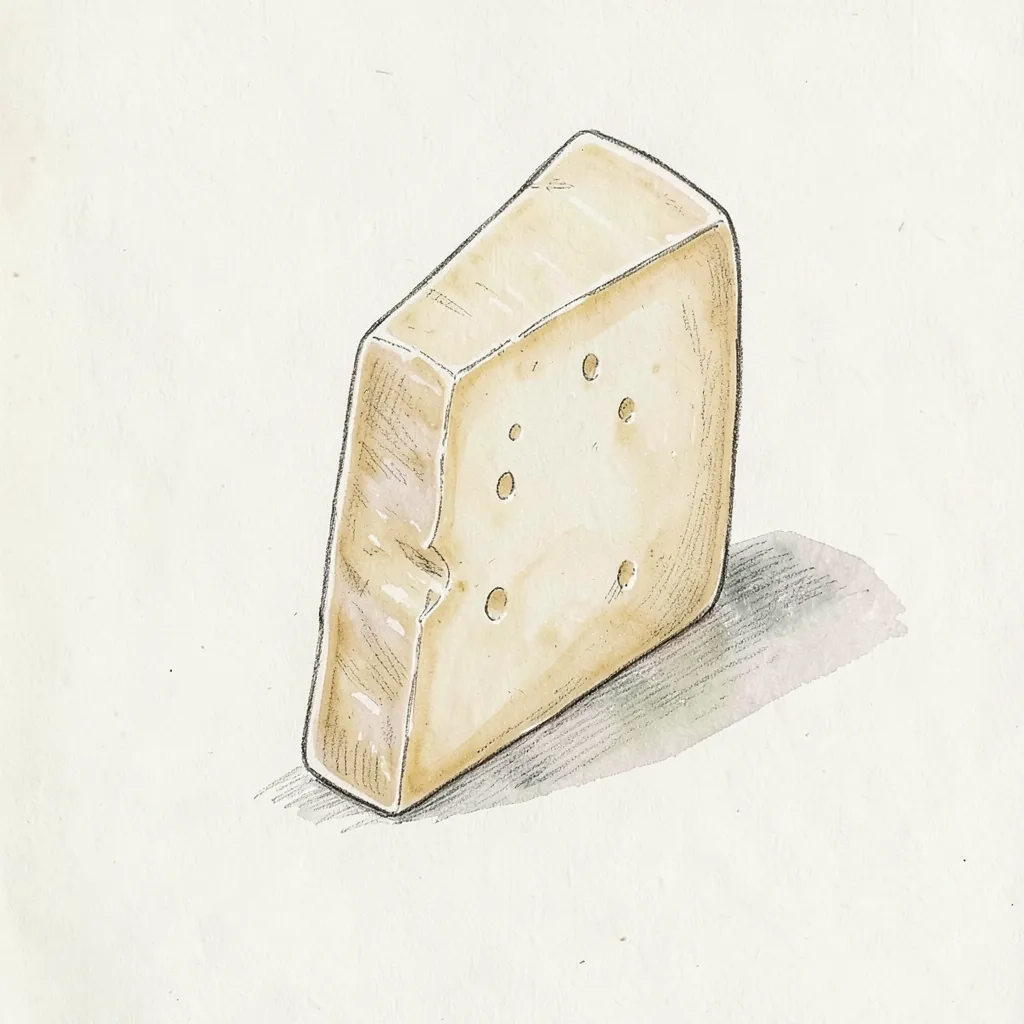
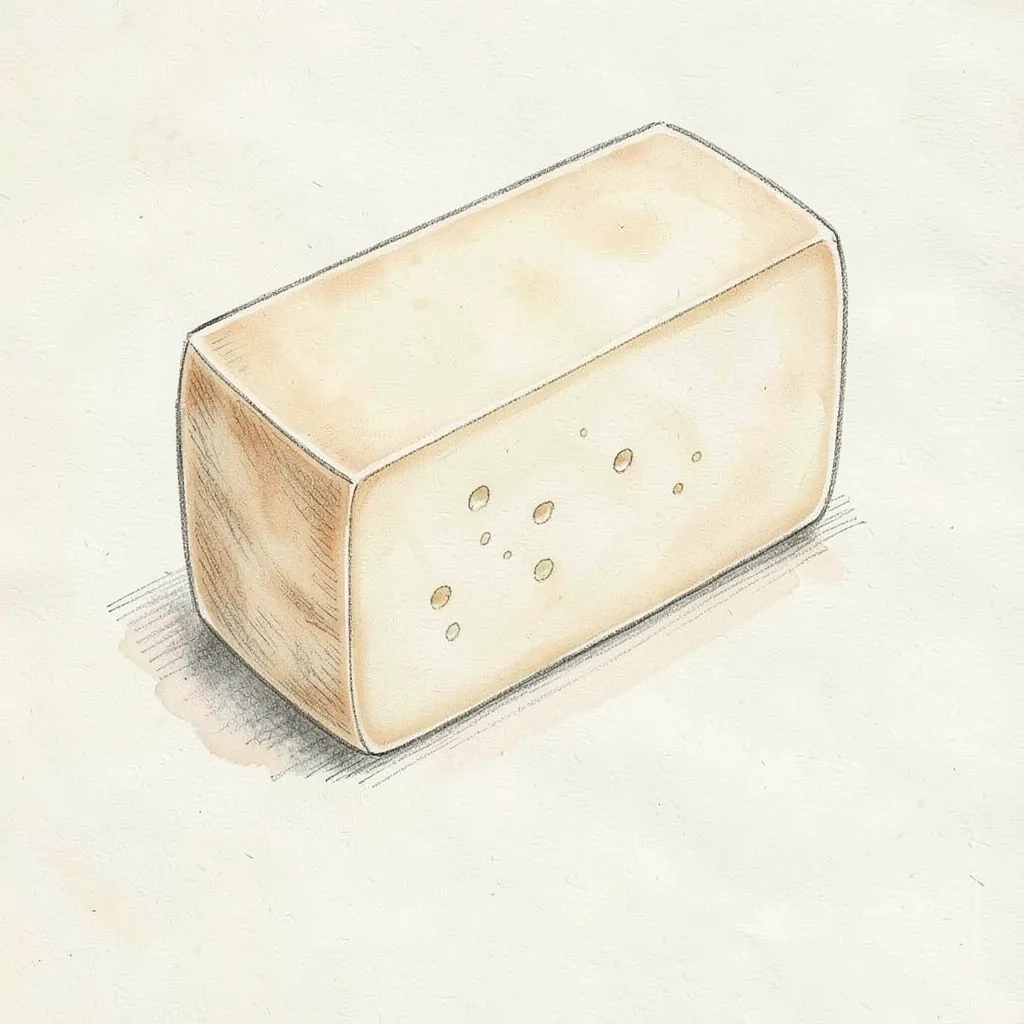
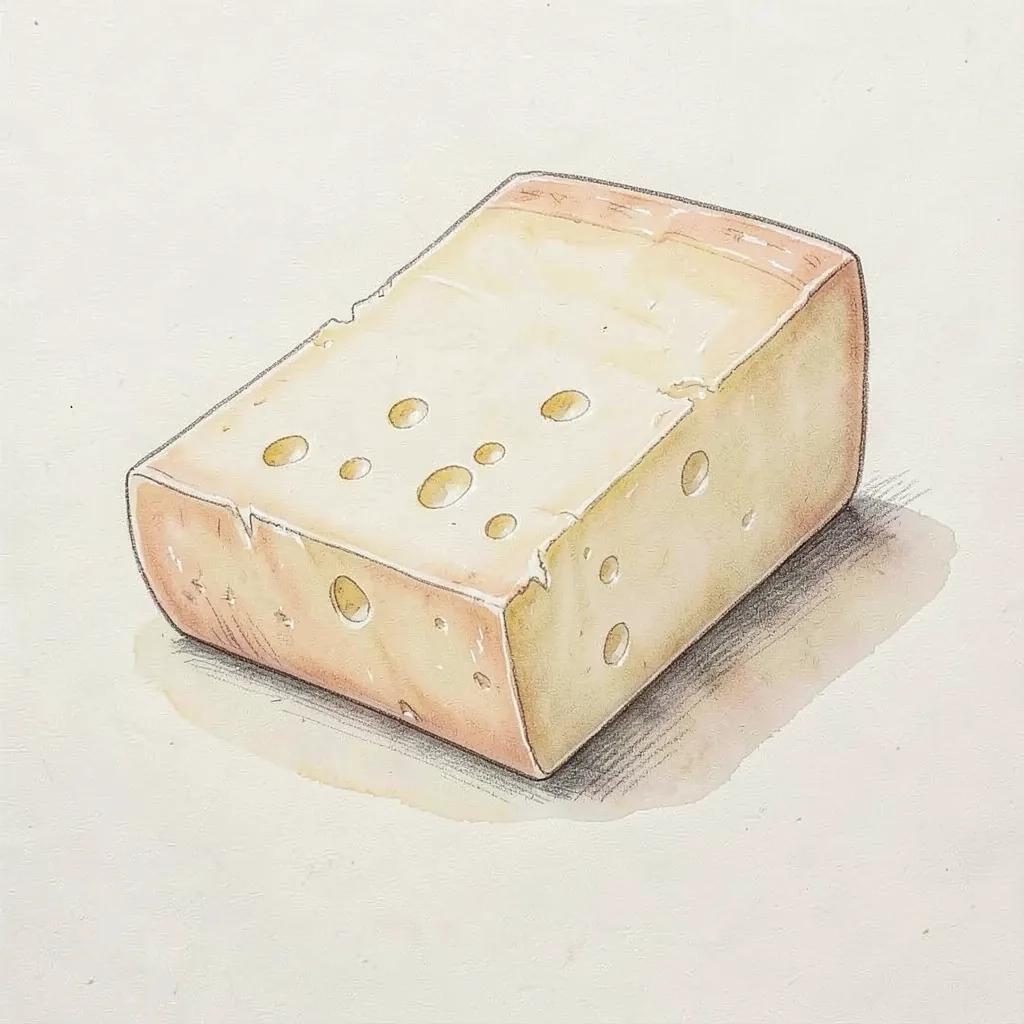
It is a pasteurized process cheese in the American style, formed into large unsliced blocks with plain labels. The point was to turn surplus milk into a food that could be stored and then given out. It slices and melts, which is what those programs needed. It is not a named regional cheese, and it has no rind.
The blocks were pale orange, mild, and salty, and people compared them with ordinary American cheese or a simple processed loaf. Packaging was generic, so the cheese looked institutional before anyone tasted it. Quality varied from lot to lot. Some early shipments drew complaints about mold, while later blocks were simply plain and predictable. The name now refers to that surplus cheese, not to a brand you choose for a special board.
History
Federal price supports bought dairy that farms could not sell at the supported price, and the surplus was converted into cheese, butter, and dry milk. Warehouses filled with those stocks. From the Second World War period onward, cheese served as a storable food, and the practice became widely known when very large stocks met wide need. Distribution went through assistance programs in big blocks. The cheese was a result of policy as much as of a recipe.
Newspapers treated the warehouses and the giveaways as a national story, because the amount of cheese on hand was hard to ignore. Households that received it knew the taste from food boxes, not from a deli counter. When dairy markets later calmed, the huge surplus programs eased, but the phrase stayed in American speech. Assistance channels can still move commodity cheese after emergencies and through food aid. The classic image remains the plain block from the surplus years.
How it is made
The product fits the standard for pasteurized process American cheese. Makers blend one or more cheeses, often cheddar, Colby, curd, or granular cheese, and add emulsifying salts so the mixture melts evenly and stays sliceable. The blend is heated, mixed, and poured into large blocks. Color is typically the pale orange associated with American cheese. Other allowed dairy ingredients can appear, which is normal for process cheese and not a separate style.
Nothing in that method is a farm aging cave or a washed rind. The cheese is manufactured to be uniform, to keep for a practical storage life, and to survive transport. Blocks were cut for distribution rather than sold as whole wheels with a natural crust. Some cheese in the programs was made to kosher rules, but most of what people remember is the standard orange block. The process explains the smooth slice and the melt that does not separate.
Taste
Flavor is mild, salty, and straightforward, with the cooked dairy note common to process cheese. It is less sharp than an aged cheddar and less bland than some very soft cheese spreads. The orange color suggests a stronger taste than the block actually delivers. A cold slice is dense and a little springy. Warmed, it softens and turns creamy, which is why people used it in hot sandwiches and simple sauces.
There is no earthy rind, no blue veins, and no fresh cultured tang. Salt is the main accent, so a thick piece eaten alone can taste flat. Melted, the salt and the mild dairy flavor come forward and coat other food. Off smells, sour patches, or heavy mold mean the block was stored badly and should be discarded. A sound piece smells like mild process cheese and nothing more dramatic.
In the kitchen
The useful jobs are melting and everyday cooking. It goes on sandwiches, into macaroni, and through casseroles, where the emulsifiers help it stay smooth instead of oily. It can also sit on a plain board or in a lunch, but it will not impress next to a farmhouse cheese. Because the flavor is mild, add mustard, pepper, onion, or a sharper cheese if you want more character. Do not expect a long finish or a dry grating texture.
A shop block of American cheese is the closest practical substitute, and a mild cheddar works when you want more flavor and a less processed body. Government cheese reached people through aid, so recipes that name it are often about memory and a tight budget, not about a special aroma. If you are cooking from that memory, salt the dish carefully. The cheese already carries plenty of salt. Ordinary groceries do not sell a product under this exact name.
Around the world
The phrase is American, and it does not name a style made in Europe or Latin America. Other countries have process cheese, cheese for public programs, and surplus dairy, but they do not use this name for a national block. Visitors who know only the words may picture a cheese with large eyes, which is a different American product. Government cheese is the orange process block. Eyes, if a block has any, are not the point of the name.
In the United States the cheese remains a reference in stories about food assistance, surplus, and the taste of institutional meals. That reputation is stronger than any export trade, and you will not find a foreign twin under the same name. When a recipe or a memoir calls for it, use American cheese or a mild cheddar and keep the seasoning in check. The history is the notable part. The flavor is simple on purpose, and the block was built to feed, not to impress.