Cow
What it is
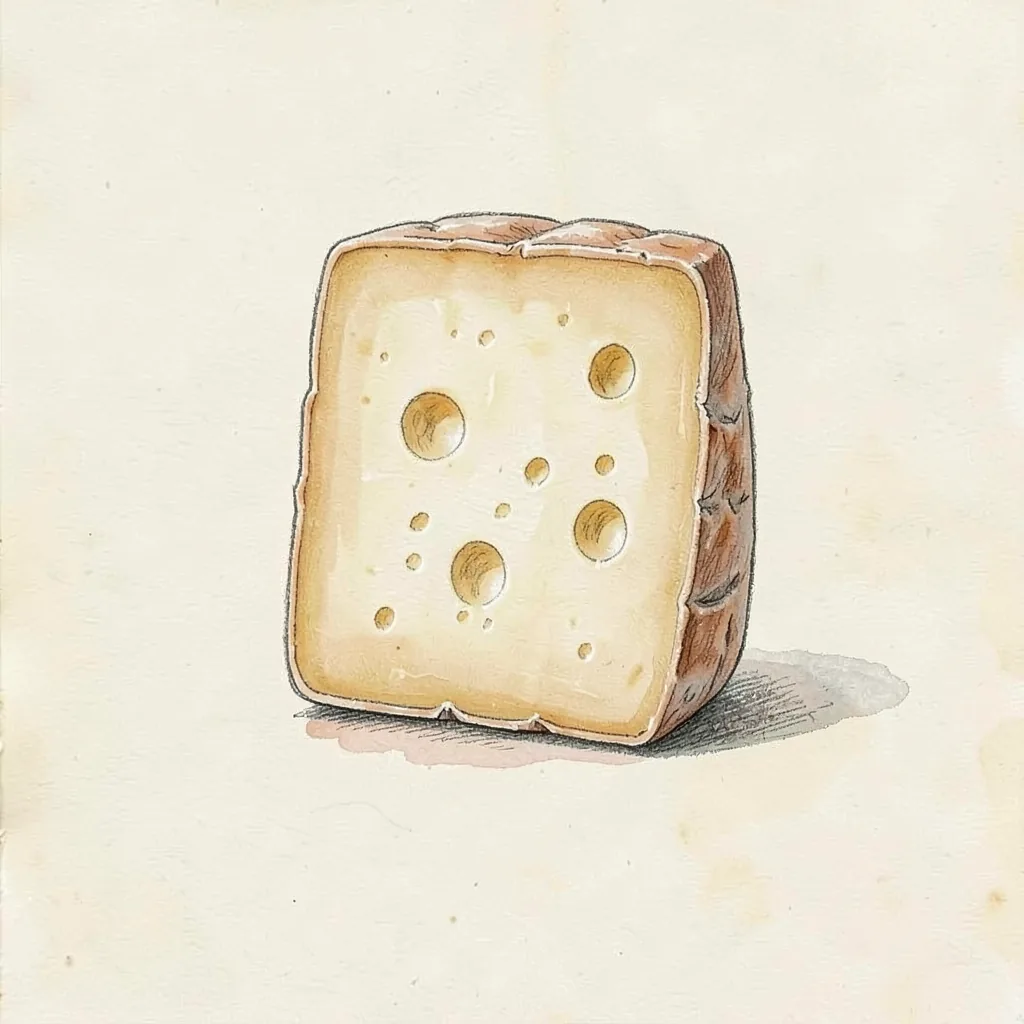
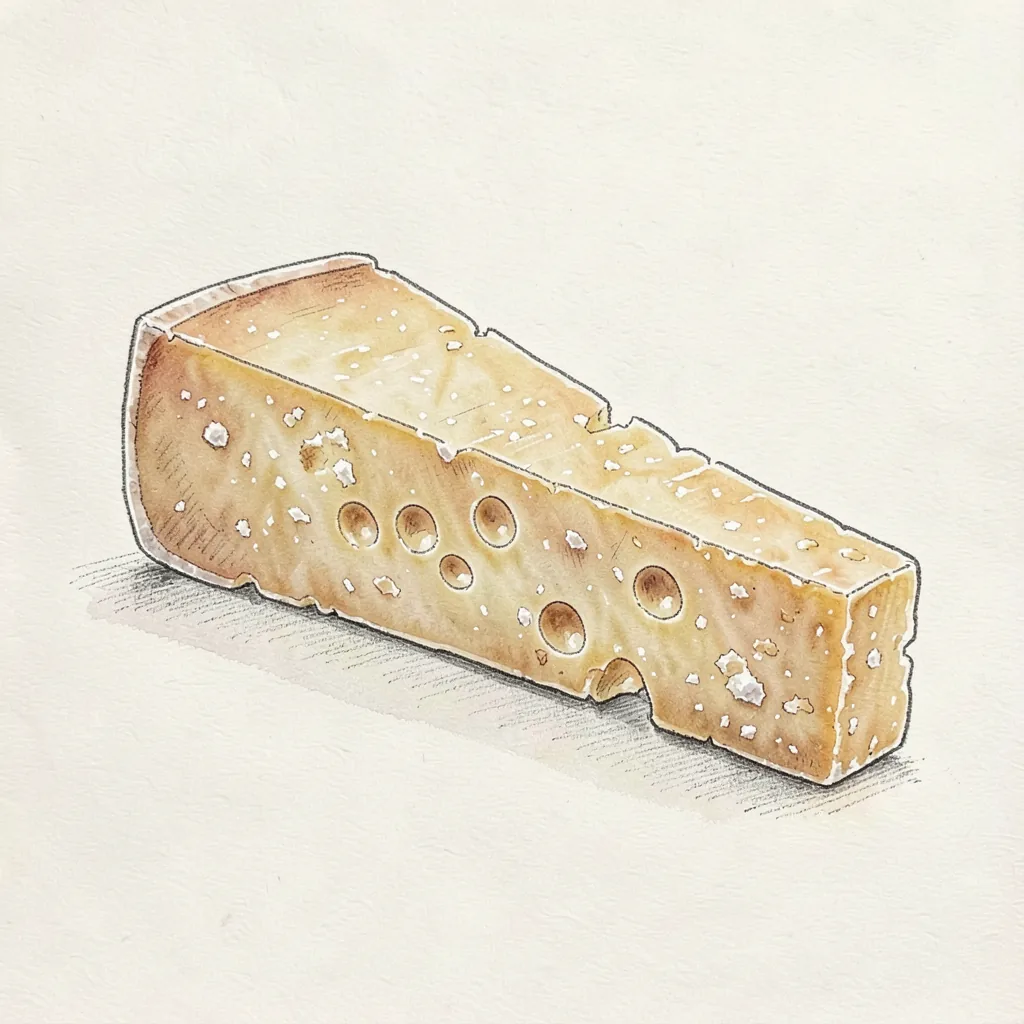
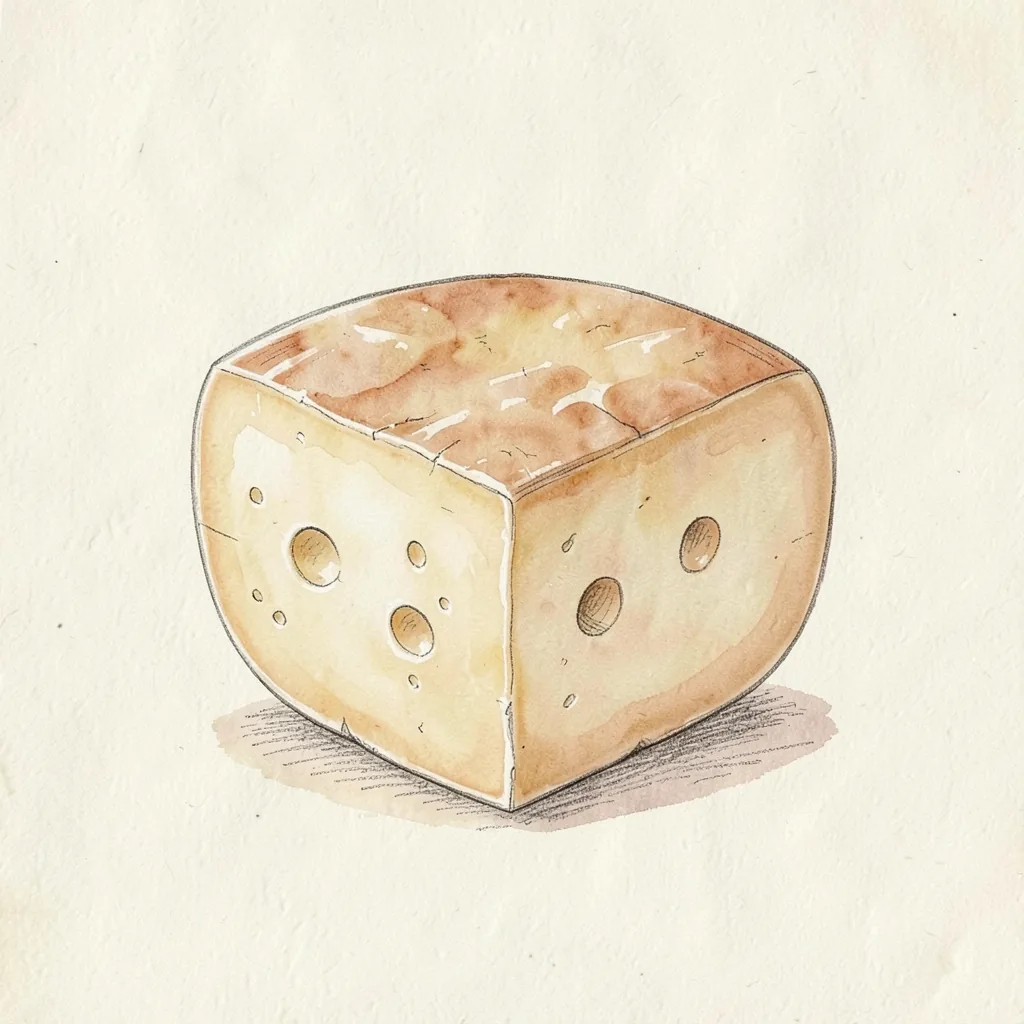
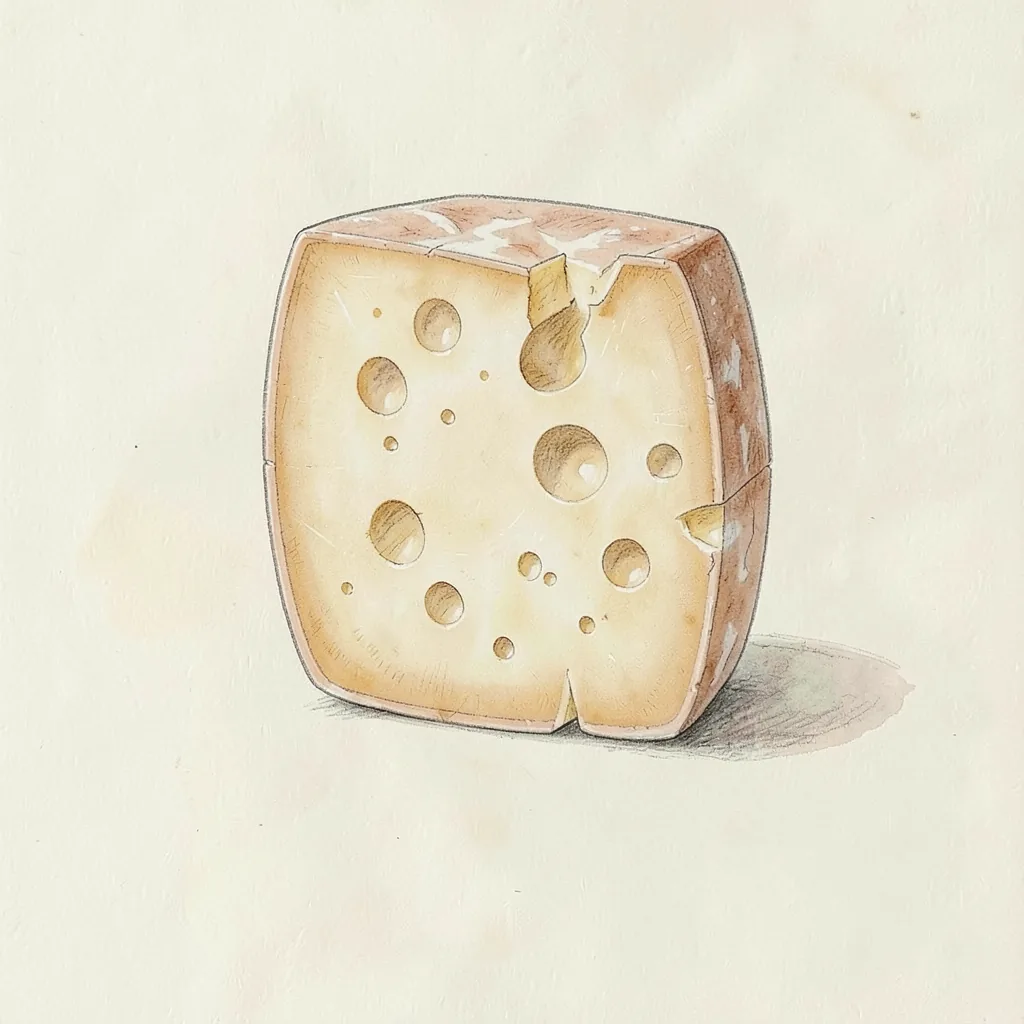
The paste is firm and dry enough to grate, with a color from straw yellow to golden cream and a flavor that is sweet, nutty, and lightly sharp. Wheels and blocks are both sold, and the faces of the cheese carry a cord motif pressed into the surface. It is a cooking and grating cheese, and it also sits on a board when you want a firm slice rather than a soft spread.
The brand name joins Imokilly, the old coastal district linked with this part of Ireland, to a word that signals a firm, piquant style. The taste leans savory and nutty, more like a grating cheese than a mild sandwich block. Aroma can suggest butter and a light fruit sweetness, then finish with a gentle bite. It is not a soft bloomy cheese and not a blue. The milk is pasteurized, and the cheese is matured until the texture holds a clean cut.
History
The name Imokilly comes from a historic barony on the Cork coast, the part of Ireland where this brand is rooted, and Mogeely is the place tied to its making. The cheese was developed as a practical hard cheese for modern Irish kitchens, something that could grate, melt, and still taste distinct. It grew out of the dairy life of the south, where pasture and cow's milk have long been central. The brand on the label is what shoppers buy, not a loose farmhouse title shared by many dairies.
Over time the cheese settled into a recognizable form: a golden firm body, a sweet piquant smell, and molds that leave a cord pattern on the top and bottom. That pattern helps buyers pick it out of a case of plain yellow blocks. The milk comes from cows on pasture in the southeast of the country, which supports the warm color of the paste. The brand stayed an Irish product connected with Mogeely, rather than a style made under many different labels.
How it is made
Pasteurized cow's milk is cultured and set with rennet. The curd is cut and stirred, then shaped in molds that press a cord motif into the upper and lower faces. The forms may be wheels with curved edges or blocks that are easier to cut for retail sale. Salting is done in brine and again with dry salt, which helps the rind and the flavor develop slowly. Nothing in the make aims at a soft, runny center, and the cheese is built to be firm.
Maturing takes long enough for the paste to turn firm and for the sweet, nutty taste to come forward. The rind stays natural, a result of salting and time rather than a coat of wax or a white mold. Color deepens toward gold as the cheese ages, and the texture dries enough to grate without turning sandy. The method is kept consistent so the brand tastes like itself from batch to batch.
Taste
The flavor is sweet and piquant at once. Butter and cream sit under a nutty note, and a light fruit quality, sometimes compared with pear, shows in the aroma before the finish turns gently sharp. Salt is present and clean. The paste is dry and firm, not elastic like a young melting cheese and not full of crunchy crystals like a very old grate. Color is a clear clue in the case: straw to golden cream, not chalk white and not deep orange.
On the tongue the cheese feels dense and smooth, with a short crumb if you break a corner. The smell is stronger than a mild block but quieter than a washed rind. Age moves the taste from creamy toward savory, and that savory edge is why cooks like it on pasta and potatoes. If the piece tastes flat or watery, it is not a good example of the brand. A sound piece tastes finished, nutty, and lightly sharp.
In the kitchen
Imokilly Regato is used where a recipe wants a firm cheese that still melts. Grate it over pasta, baked potatoes, vegetable pies, and pizza, or stir it into a sauce once the pan is off a hard boil. It also slices for a board beside bread and fruit. The piquant finish stands up to tomato, onion, and herbs without disappearing. It is less useful as a spreading cheese, because the paste is too firm and dry for a knife to smear across bread.
For a gratin, mix it with a moister melting cheese if you want a soft top, or use it alone for a savory browned surface. Keep the pieces wrapped so the cut face does not harden. Dubliner is a nearer local swap for everyday cooking, and a long-aged Italian grating cheese is the swap when you only need nutty sharpness. Taste a slice plain first so you know how salty the batch is.
Around the world
Imokilly Regato is an Irish brand, and most of it is eaten in Ireland or sold through shops that carry Irish cheese abroad. Visitors meet it as a firm golden cheese from Mogeely, not as a clothbound farmhouse wheel. Outside the country it appears in specialty cases more often than in ordinary dairy aisles. The cord motif and the brand name are the practical way to identify it on a crowded shelf. A plain yellow block without that name is a different cheese, even if the color looks close.
Cooks who cannot find it usually want either another Irish firm cheese or a nutty grating cheese. Dubliner gives a similar savory melt in sandwiches and on baked potatoes. Parmigiano Reggiano is drier and sharper, and it works when the dish is pasta or a grate over soup. Coolea is another Irish cheese, sweeter and closer to a Gouda style, so it is only a loose stand-in. Use this brand when the label is there, and use those others only as kitchen replacements.