Cow
What it is
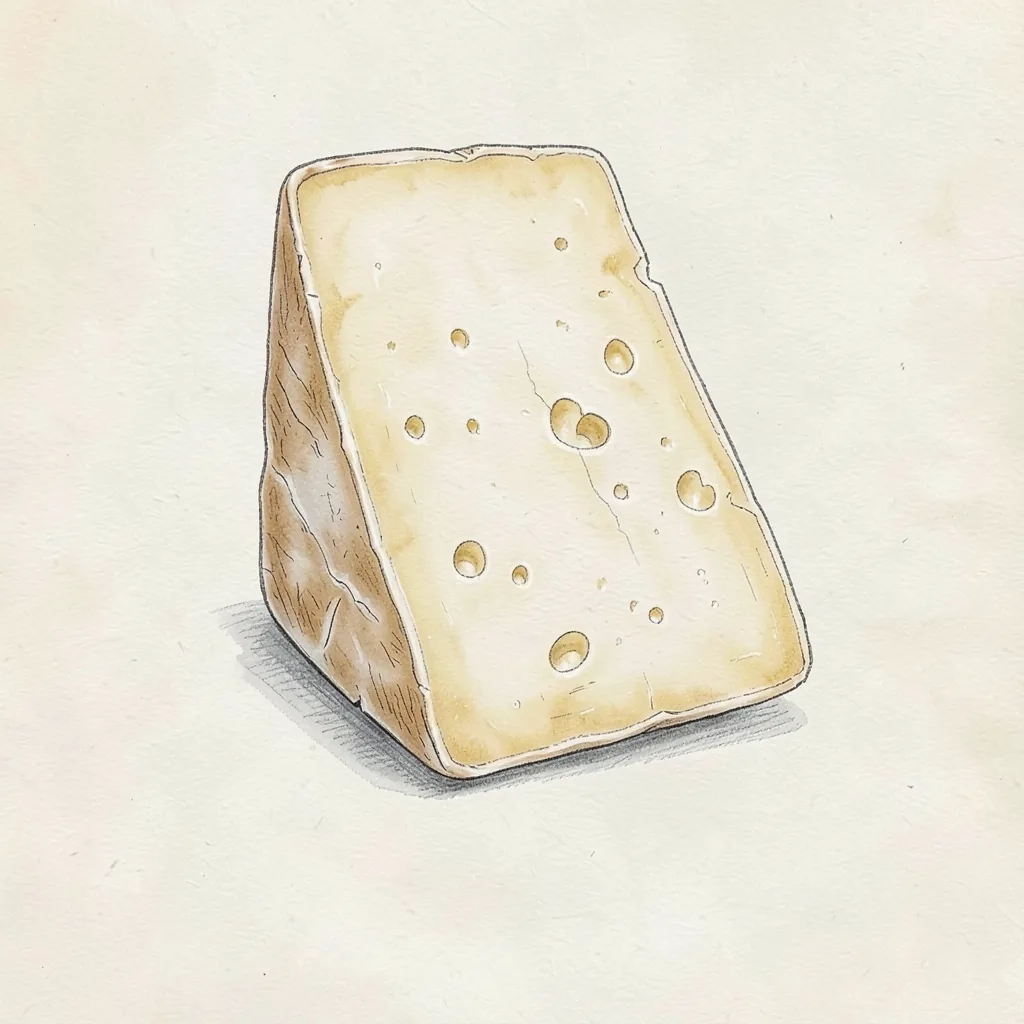
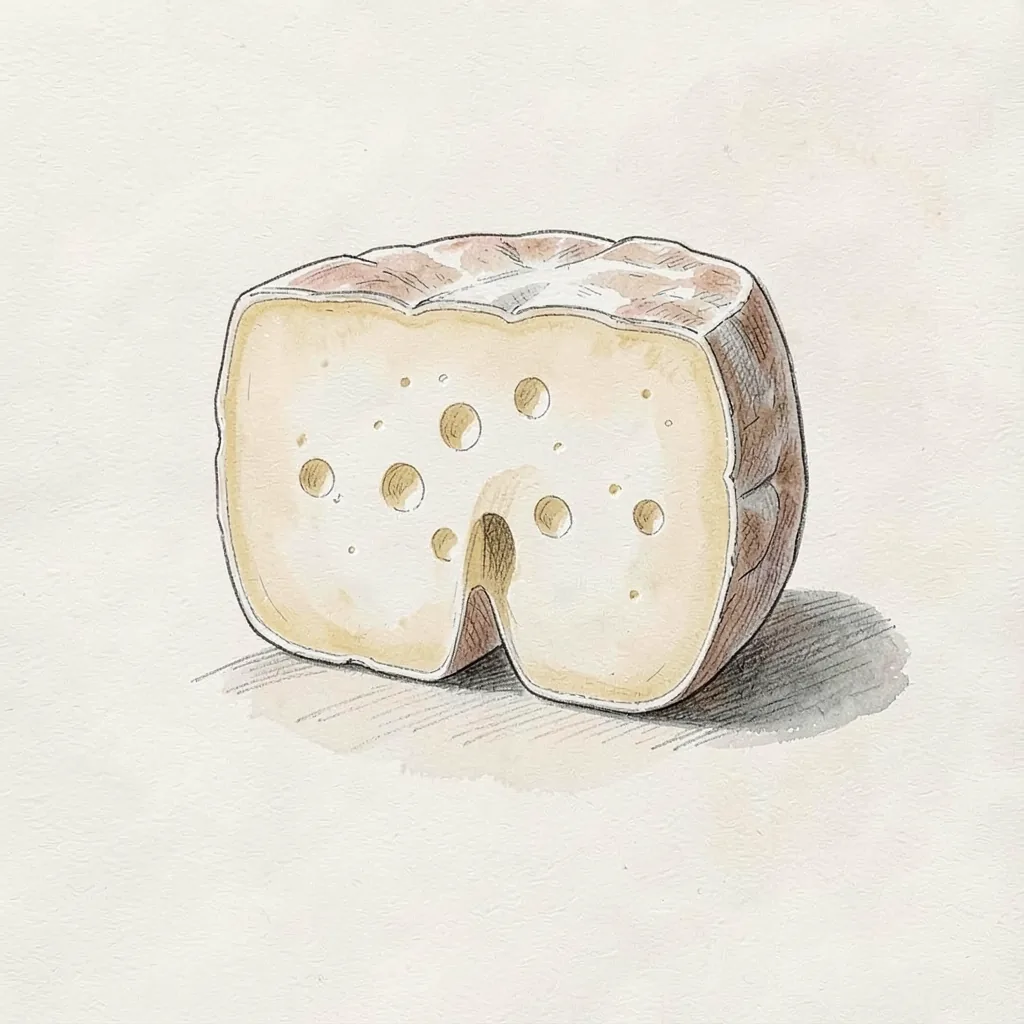
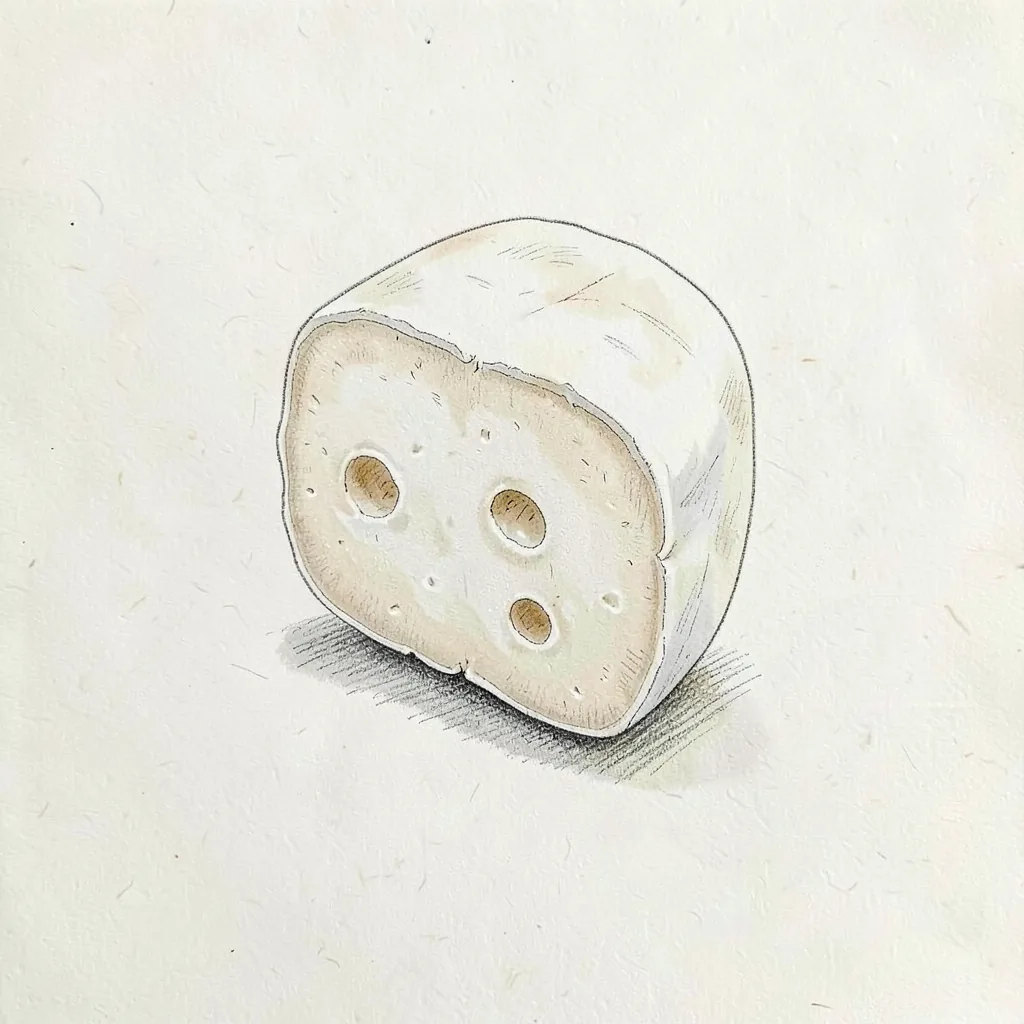
The wheels are round, with a smooth rind and a pale interior that can crumble slightly at the center. Young cheese is mild, a little acidic, and not strongly scented. It is a local pressed cheese, closer to a simple table cheese than to a pungent washed rind. Production stays small, so it is not a cheese you should expect in an ordinary supermarket abroad.
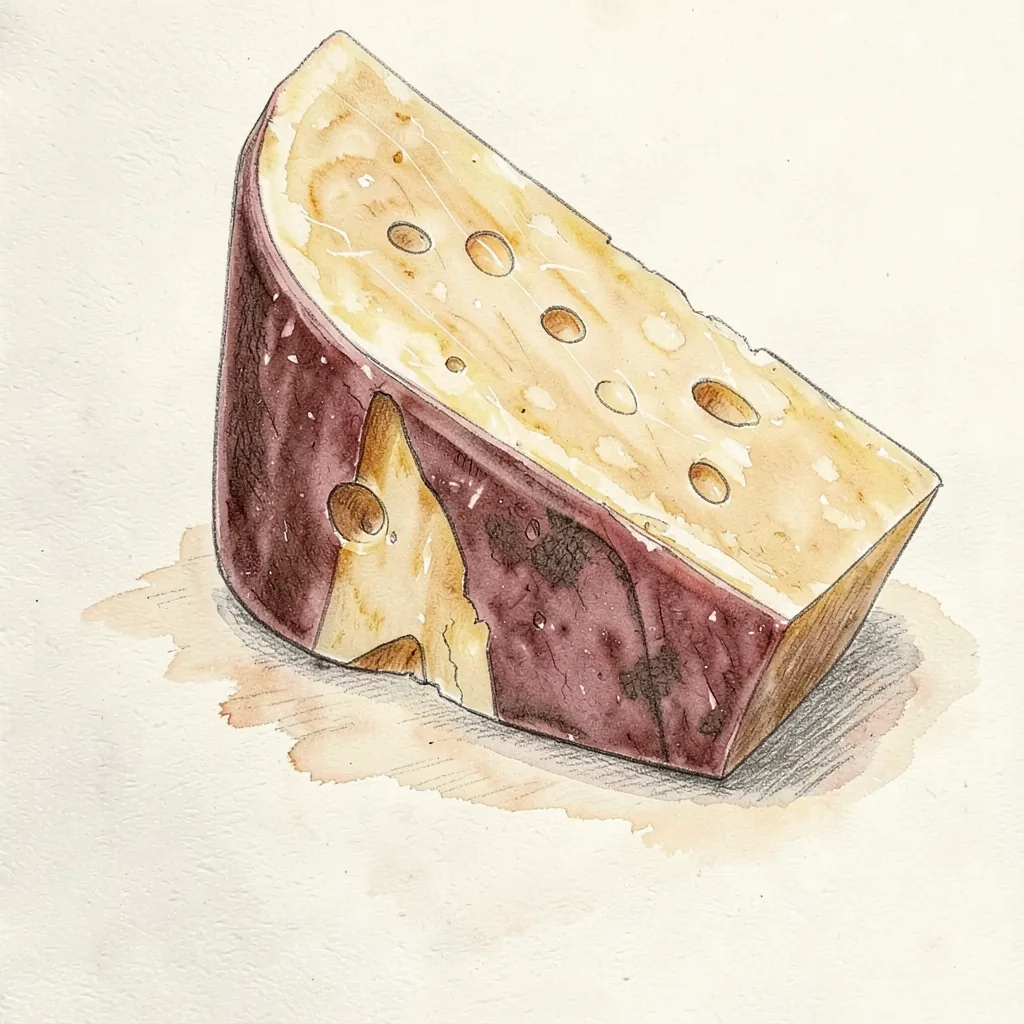
The rind is edible and fairly smooth, often pale yellow where it meets the paste. The center is white to cream and a bit crumbly, not elastic like a stretched curd and not full of large holes. Flavor is tangy and clean when the cheese is young. A longer keep can deepen the taste a little and bring more mold to the rind, which is normal if the cheese is still sound. It is meant to be eaten as cheese, not only as a cooking ingredient.
History
The cheese takes its name from Kalimpong, in the Indian state of West Bengal, and that town is where the style is associated. European dairy practice reached the hills, and cow's milk cheeses in a pressed wheel became part of local making. The cheese was never a national staple across India. It stayed tied to this hill area and to small batches. Writers still describe it as a local cheese rather than as a brand with one owner.
Output has risen and fallen with the small dairies that make it, and the cheese is still produced in limited amounts. It does not flood city markets the way paneer does. Some pieces are sold near the town, and some reach other shops only in small lots. There is no single giant brand behind the name. A label that says Kalimpong points to this local cow's milk cheese, not to a copy of a famous European wheel.
How it is made
Makers start with cow's milk, warm it, and set the curd with rennet. The curd is cut, stirred, and drained, then pressed into round molds so the wheel holds a tidy shape. Salt goes into the curd or onto the surface, and that salt helps the rind begin. The wheels are not stretched in hot water, and they are not left as a soft fresh curd like paneer. Pressing is what gives the semi-hard body and the smooth outside.
After pressing, the wheels rest in a cool place while the rind settles and the flavor evens out. Young cheese is sold while the center is still pale and a little crumbly. If a wheel is kept longer, the color can deepen slightly and light mold may show on the rind. That mold is part of a natural rind, not a blue cheese interior. Makers work in small quantities, so one batch can differ from the next.
Taste
Young Kalimpong cheese tastes mildly acidic, milky, and lightly salty, with a clean finish. The center crumbles a little under the knife, while the area near the rind is smoother. The smell is gentle, so it will not take over a plate the way a washed rind does. There is a tang, but not a burn, and there is no strong bitterness in a sound wheel. People who like mild British or Dutch table cheeses often recognize the quiet style.
A wheel that has rested longer tastes a bit fuller, still in the mild range, with a slightly deeper color. The rind can carry more mold aroma, earthy rather than sharp, and you can trim it if you prefer only the paste. The texture does not turn hard and granular. It stays sliceable, with that soft crumble in the middle. If the cheese smells harsh, ammoniated, or yeasty, it has gone too far.
In the kitchen
Eat Kalimpong cheese in slices on its own, or with bread, fruit, and a mild cracker. The gentle tang also works crumbled over a salad, where it will not fight the greens. It can melt on toast with ham or a little mustard, and the crumble softens without becoming a long stretch. Do not expect it to behave like mozzarella. Use it where you want a mild savory note and a soft crumb, and keep fierce spices light.
Because the center crumbles, a knife or a coarse grater does better than a very thin slicer. Bring a cold piece toward room feel before a board, so the mild aroma can open. In a cooked dish, add it near the end if you want distinct pieces to stay visible. For toast, let it soften fully under a gentle heat. Wrap leftovers well, since the rind can pick up other smells and dry in the same box.
Around the world
Kalimpong cheese rarely travels as a major export. Most people outside India meet the name in writing, not in a cheese case, and even inside India it is a regional food. Shops in and near Kalimpong are the realistic place to find a wheel. A piece in a distant city is a lucky lot, not a guaranteed stock item. Treat it as a small-production cow's milk cheese from West Bengal, and do not assume every Indian counter will have it.
Caerphilly is the practical substitute when you want a mild, slightly crumbly cow's milk cheese with a smooth rind. A young Gouda can stand in if you need a gentle slice that softens with heat, though it is usually smoother and a bit sweeter. Bandel is another cheese from eastern India, but it is a small salty curd, often smoked, and it will not slice like this wheel. Paneer is easier to buy and is a fresh curd, not this pressed cheese.