Cow
What it is
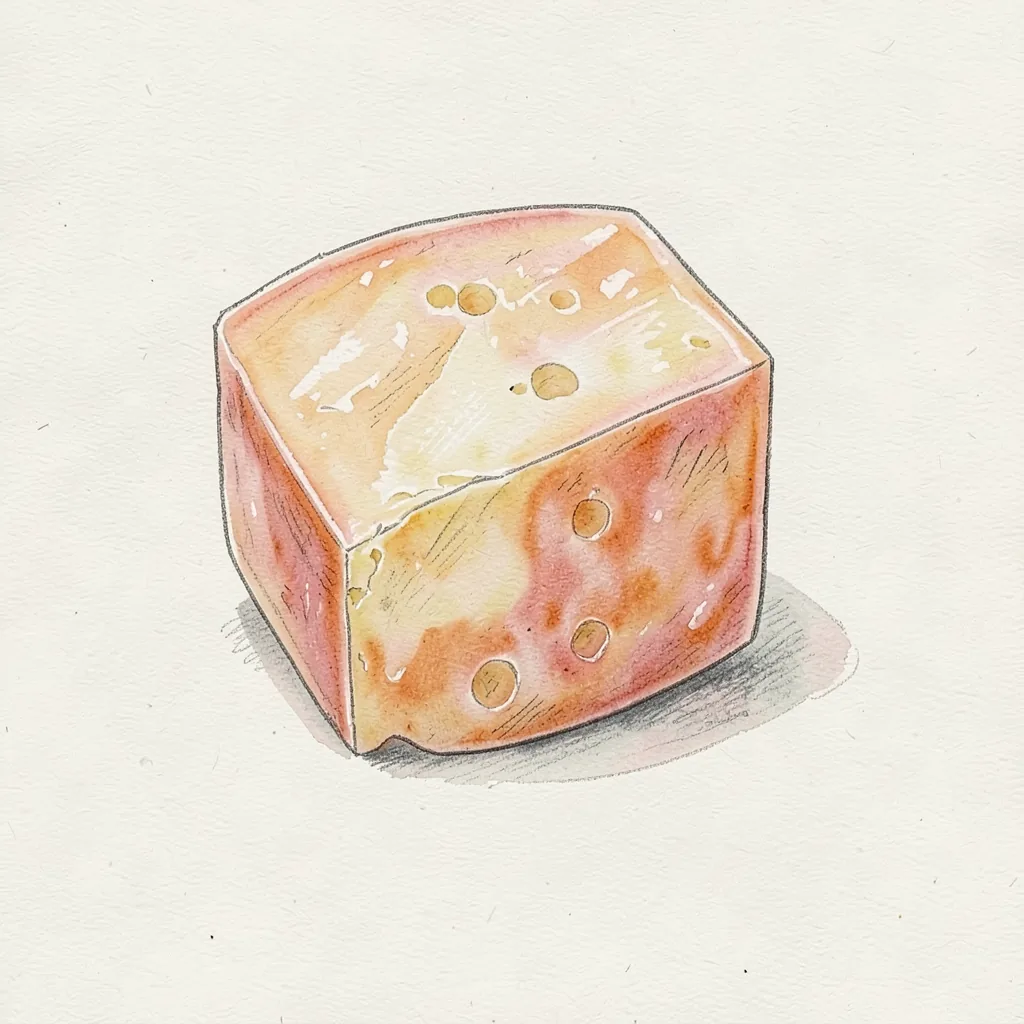
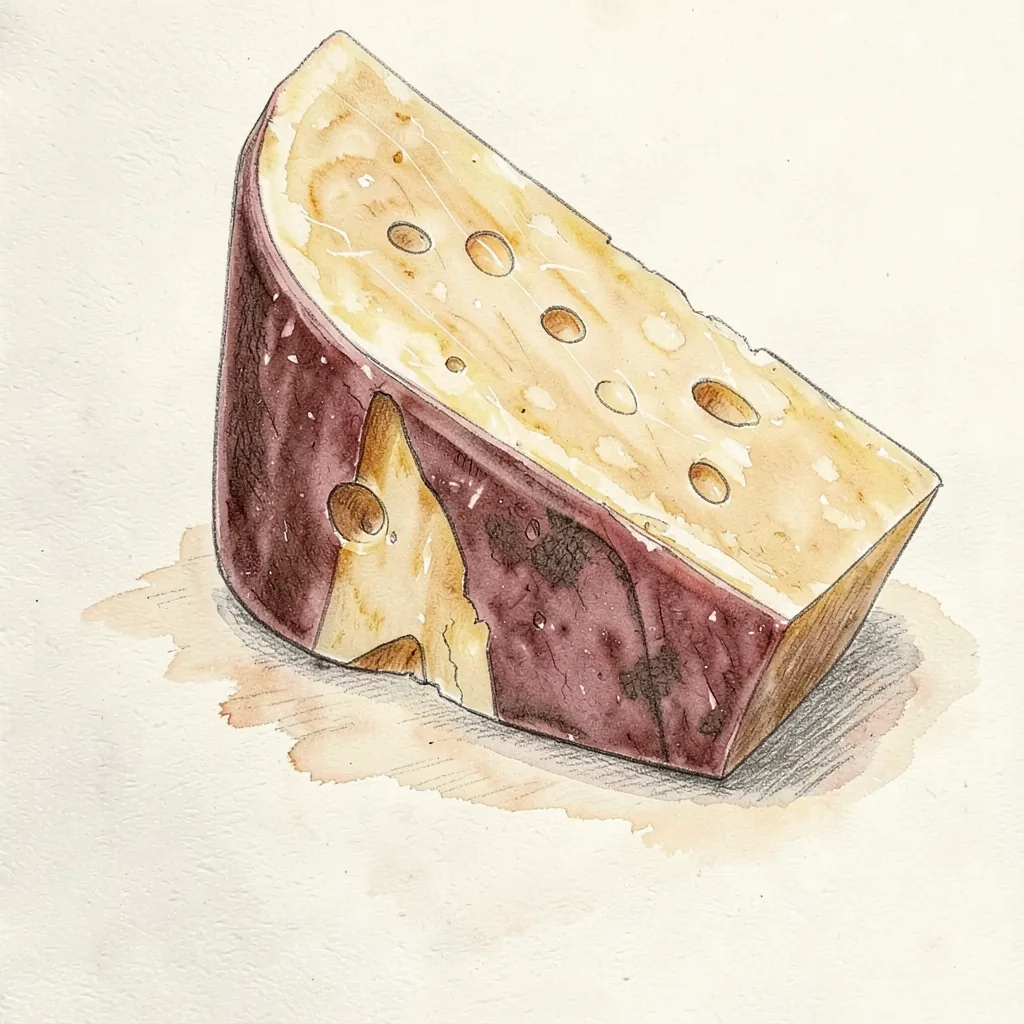
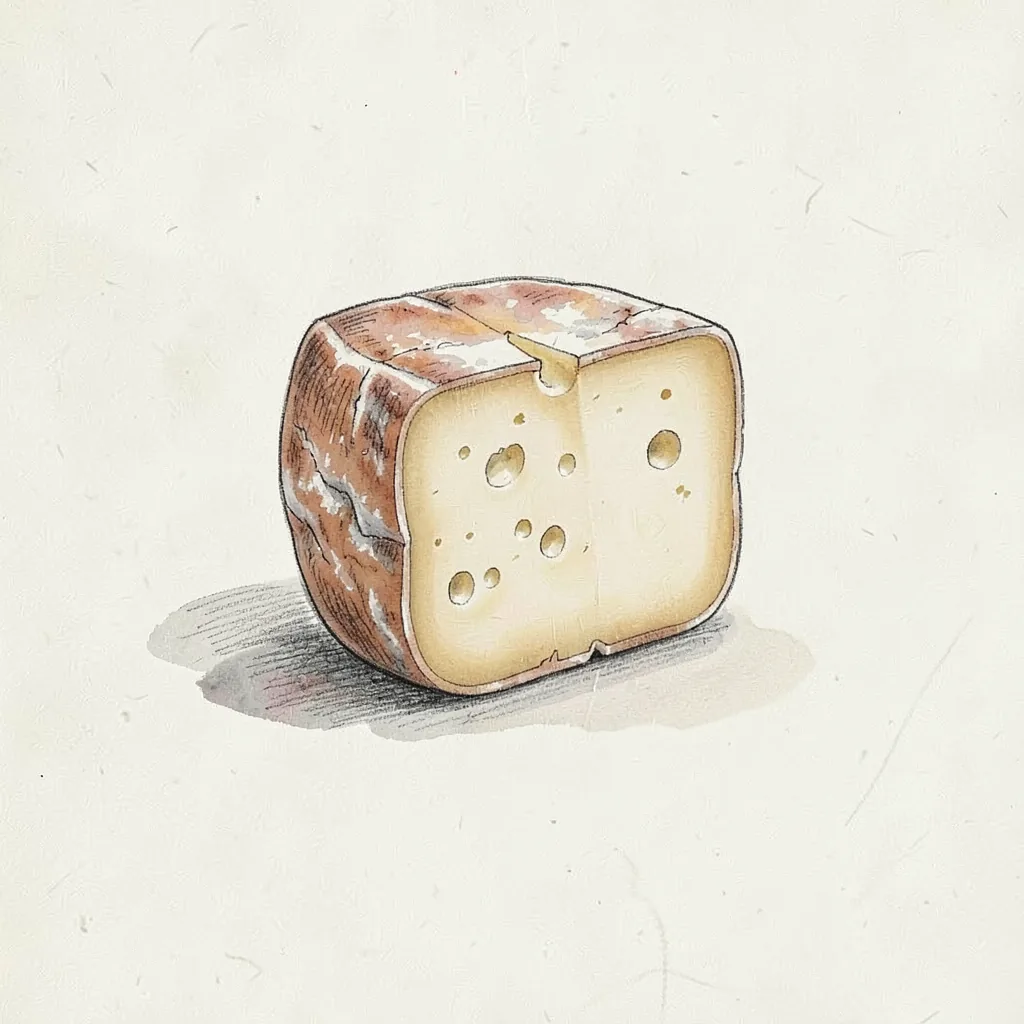
Dairies make it from pasteurized milk, and the wheels or blocks have a yellow wax coat. The paste is pale yellow, firm, and creamy, with many small irregular holes. The taste is tangy, with more bite than a very young mild cheese. Some batches are seasoned with caraway seeds, and those taste plainly of the spice.
The interior feels dry enough to slice cleanly, yet it still has a creamy bite. Eyes are scattered and uneven, not the large round holes of a Swiss-style cheese. A plain wheel smells buttery and a little sharp. The caraway version smells of the seed first and of the dairy second. Both are cow's milk cheeses from the same Danish style, and both are meant for the table and the kitchen.
History
Maribo grew up in the dairy culture of Lolland, where cow's milk cheeses were made for local tables and for trade. The town name became the cheese name, so the island and the cheese stay linked. It sits in the broad family of Danish semi-hard cheeses, nearer to a Gouda-like wheel than to a blue or a fresh curd. Creameries standardized the make so shops could sell a steady tangy cheese. Caraway was an optional seasoning, not a rule for every wheel.
The cheese never became as famous abroad as Havarti or Danbo, but it remained part of the Danish range. Export pieces are usually waxed, which protects the surface on a long trip. At home it is an everyday cheese, sliced for bread as well as cooked. No single estate has to be named for the style to make sense. What matters is cow's milk, a pressed paste with small holes, and that tangy Danish flavor.
How it is made
Makers start with pasteurized cow's milk and set a curd with rennet. They cut and stir the curd, and they warm it so more whey leaves and the texture turns firm but still supple. The curd is pressed in molds into wheels or blocks. Salting is done in brine, which also helps the surface. After that, the cheese is coated in yellow wax and left to ripen until the taste is tangy.
Caraway, when it is used, goes into the curd so the seeds are spread through the paste. A plain wheel skips that step and tastes only of the milk and the ripening. The wax keeps the rind from drying out while the cheese rests. Eyes form as small irregular holes, not as a few huge openings. The finished cheese slices without crumbling, which is the texture Danish cooks expect from this style.
Taste
Plain Maribo tastes tangy, buttery, and a little sharp, with a clean cow's milk base. The flavor is stronger than a very young mild block, but it is not a biting aged cheese. Salt is noticeable and supports the tang. The paste is smooth on the tongue, then firm as you chew. Holes do not change the taste, but they show that the texture is open rather than dense.
Caraway Maribo keeps that tang and adds a warm, herbal spice that some people want on dark bread. If you do not like the seed, choose the plain cheese, because the spice is hard to miss. A cold slice tastes quieter, and a slice at room temperature smells fuller. The wax is not for eating. Under it, the rind is thin and pale, and the paste should look even, without cracks or a sour smell.
In the kitchen
Slice Maribo for open sandwiches, a Danish habit, with buttered bread and a simple topping. It also melts in gratins, sauces, and toasted sandwiches, and it browns without turning oily at once. Cubes can go on a board beside fruit or pickled vegetables. The caraway version is better with rye, cabbage, or pork than in a sweet dish. Grate it if a recipe asks for a firm cow's milk cheese, though slices are the more common cut.
Remove the wax before you cook or serve the cheese. Keep the block wrapped and cold so the cut face does not dry and crack. It can sit out for a board, then go back to the cold. Do not confuse a caraway wheel with a plain one halfway through a recipe, because the seed will season the whole dish. If the paste smells harshly sour, choose another piece.
Around the world
Outside Denmark, Maribo shows up less often than Havarti, Danbo, or a waxed Gouda. Cheese counters in shops with a Nordic range are the likely place. The yellow wax and the small holes can make it look like several other cow's milk cheeses, so read the name. A caraway label should be believed, because that spice changes the use. If the piece is unlabeled and only mildly nutty, it may be a different Danish cheese.
Danbo is the closest common stand-in, with a similar mild to tangy Danish character and a sliceable paste. Gouda can fill in for melting and for a board if you accept a slightly different sweetness. Samsø is also Danish and also full of holes, but those holes are larger and the taste is nuttier and gentler. Esrom is stronger and has a washed character, so it is a poor swap in a mild recipe. Pick the plain Maribo style unless the dish clearly calls for caraway.