Sheep
What it is
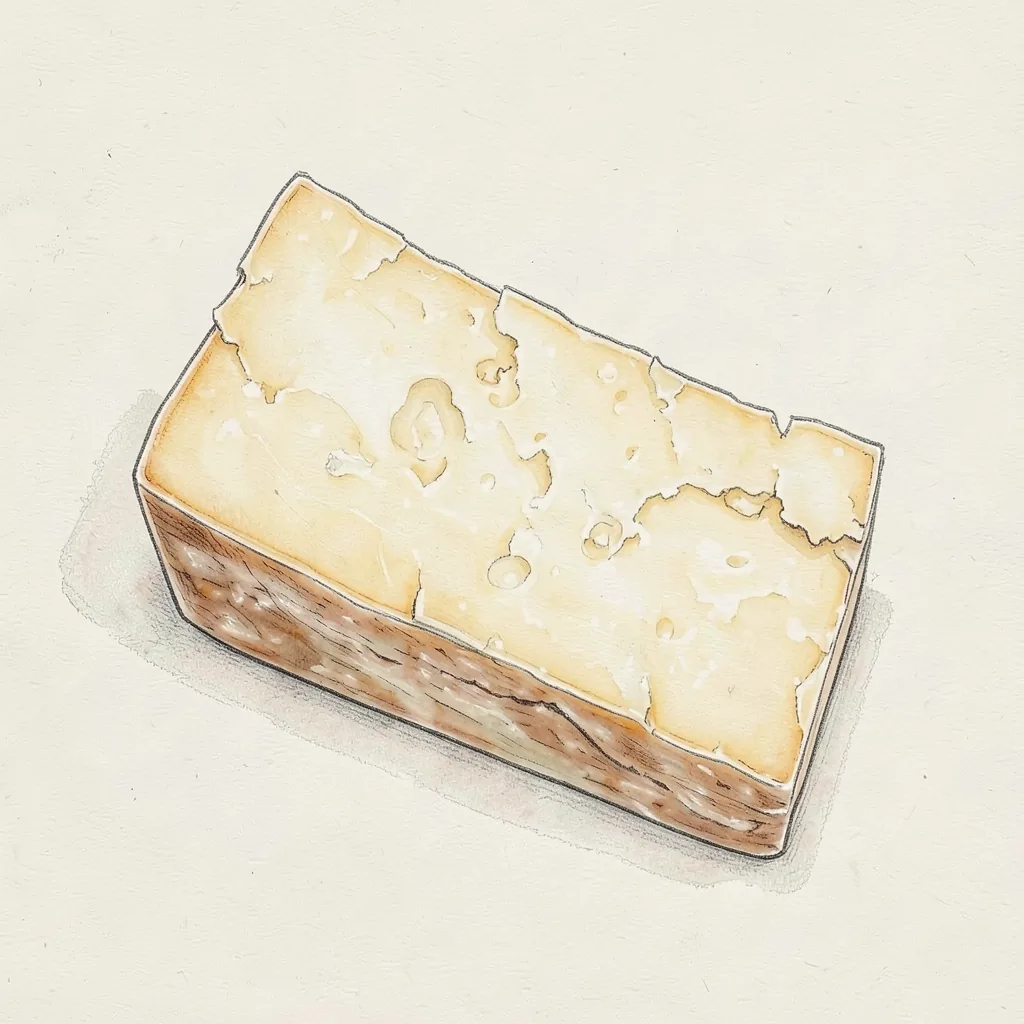
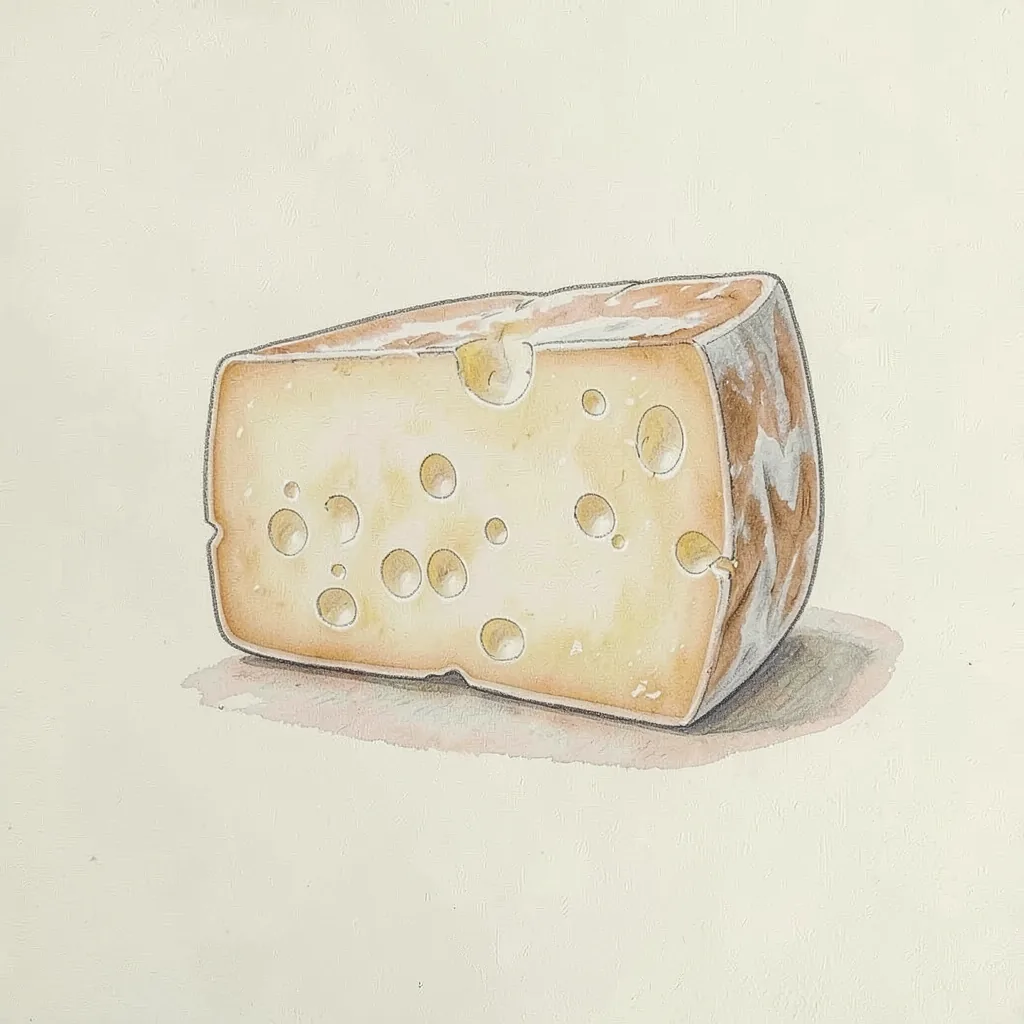
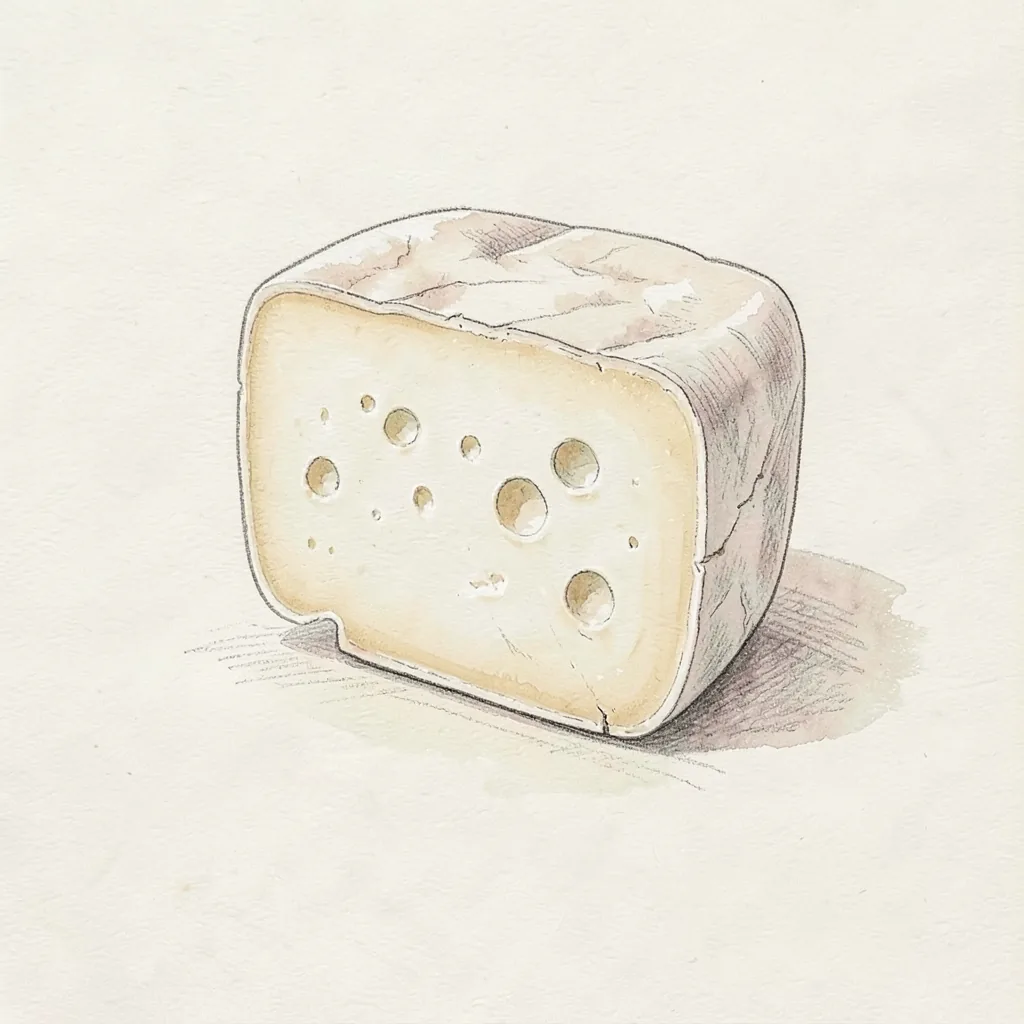
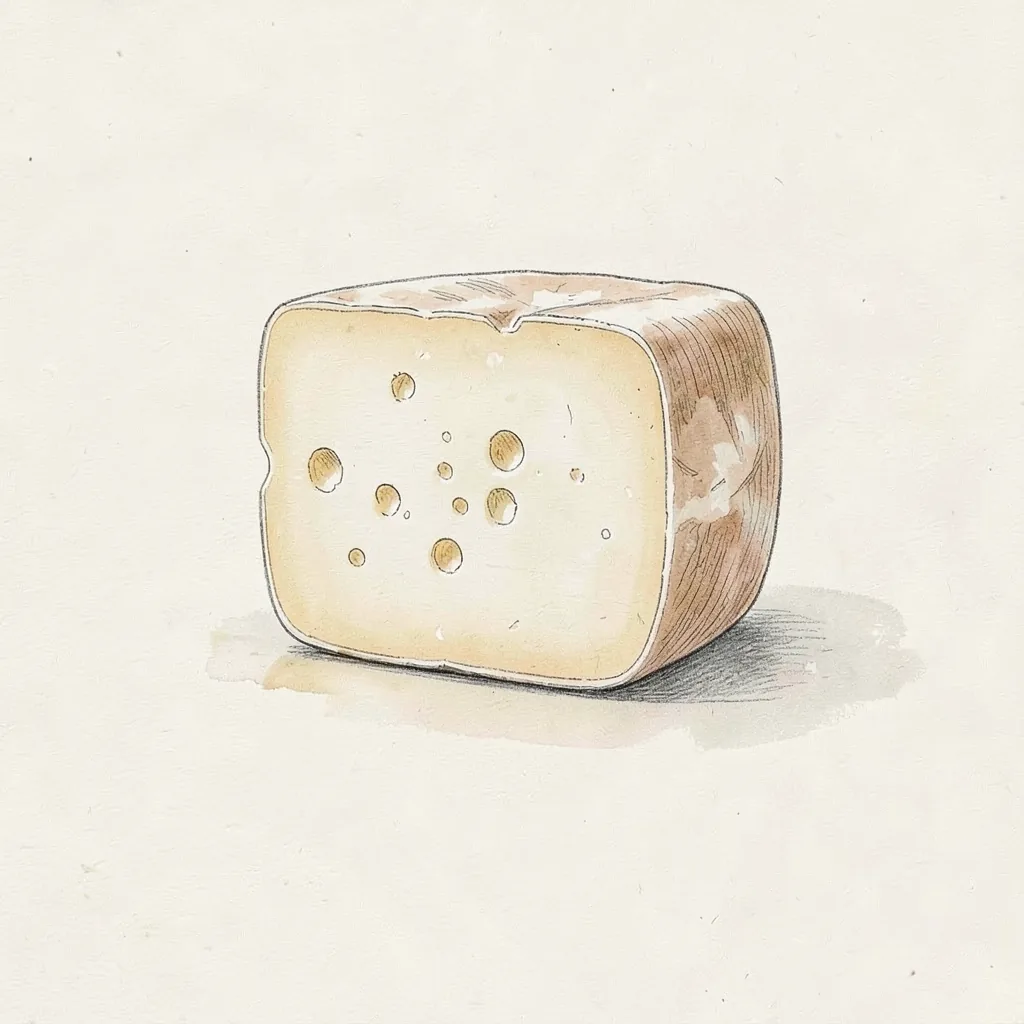
Makers age it in brine until the paste is firm and full of small round eyes. The color runs from cream to pale yellow. A thin rind covers a dense interior that still has a little give. It is an aged cheese, not a fresh white cheese, even though brine is part of how it is kept.
Shoppers also meet it under the names Kelle and Mağlıç. Those names point to the same salty sheep's milk cheese from this part of Turkey. A younger piece is firm, moist, and very salty. A longer-aged piece turns drier, grainier, and sharper on the tongue. Both can go on a plate or into a hot dish, but the older cheese is the one cooks grate.
History
The name Mihaliç comes from an older name for a district tied to Balıkesir. Cheese makers there built a hard sheep's milk cheese that could stand salty storage. The style spread through the province and into neighboring dairy country. Families kept wheels in brine so the cheese would last past the milking season. It became a regional staple rather than a soft fresh cheese eaten on the same day.
Sheep's milk from local flocks was the traditional base for this cheese. It earned a name for being tough, salty, and full of small holes. Cooks in Balıkesir used it in home kitchens long before it showed up on wider cheese lists. It is still known as a cheese of that province. Travelers who ask for a hard Turkish sheep cheese are often pointed toward Mihaliç Peyniri.
How it is made
Makers warm sheep's milk and set it with rennet until a clean, firm curd forms. They cut the curd and often scald it so the paste will be dense and durable. Whey drains off, and the curd is gathered and pressed into large pieces. Those pieces go into brine, sometimes through more than one salt bath. The brine seasons the cheese all the way through and helps it keep.
Aging continues in the brine until the texture is hard and the eyes are set. The interior should be free of cracks, with small round openings scattered through the paste. A thin outer layer becomes the rind. Salt is high by design, not an accident of a short bath. When the cheese leaves the brine, it may be dried a little before it is cut for sale.
Taste
Salt hits first, and it is stronger than in many table cheeses. Behind that salt you find a rich sheep's milk flavor, a little acidic and faintly buttery. The paste is firm, and an older piece feels grainy rather than creamy. Small round eyes make each slice look open and slightly shiny. There is no blue vein and no soft bloomy rind, only a clean and lasting savory finish.
The aroma is milky, salty, and a bit sharp as soon as you cut the cheese. It does not smell like a washed-rind cheese or a fresh curd cheese. Color stays in the cream to light yellow range from the center to the edge. Fat in the sheep's milk gives the paste some richness even when the texture is hard. If the piece is very old, the flavor turns more intense and the crumb gets drier.
In the kitchen
Cooks in Turkey put Mihaliç Peyniri into salads, where the salt seasons the greens. Thin slices also go into hot dishes and into toasted sandwiches. Grate an older piece over baked vegetables, eggs, or pasta. It softens with heat, but it keeps a salty punch instead of turning mild. A firm slice can still sit on a board beside bread, tomatoes, and olives.
If a piece is extremely salty, a short soak in fresh water pulls some of the brine out. Pat the cheese dry before it goes into a salad or onto a sandwich. Do not expect it to stretch like a pulled-curd cheese. Use it when you want sheep's milk flavor and salt, in the way you might use a firm aged sheep cheese. Crumble a drier piece so the flavor spreads through a dish.
Around the world
Mihaliç Peyniri is still most at home in Turkey, especially around Balıkesir. Turkish grocers in other countries sometimes stock it beside other brined cheeses. It is less famous abroad than fresh white cheese or halloumi. Cheese boards outside Turkey rarely include it unless a shop specializes in Turkish food. When the cheese travels, it usually travels as a salty cheese meant for cooking and for grating.
In a foreign kitchen it can stand in for other firm sheep cheeses. Grated, it plays a role close to an aged kashkaval or a salty pecorino. It is often saltier than those cheeses, so a lighter hand is wise. It will not replace a fresh brined cheese in a dish that needs creamy curds. People who know only soft Turkish cheese are surprised by the hard texture and the small eyes.