Cow
What it is
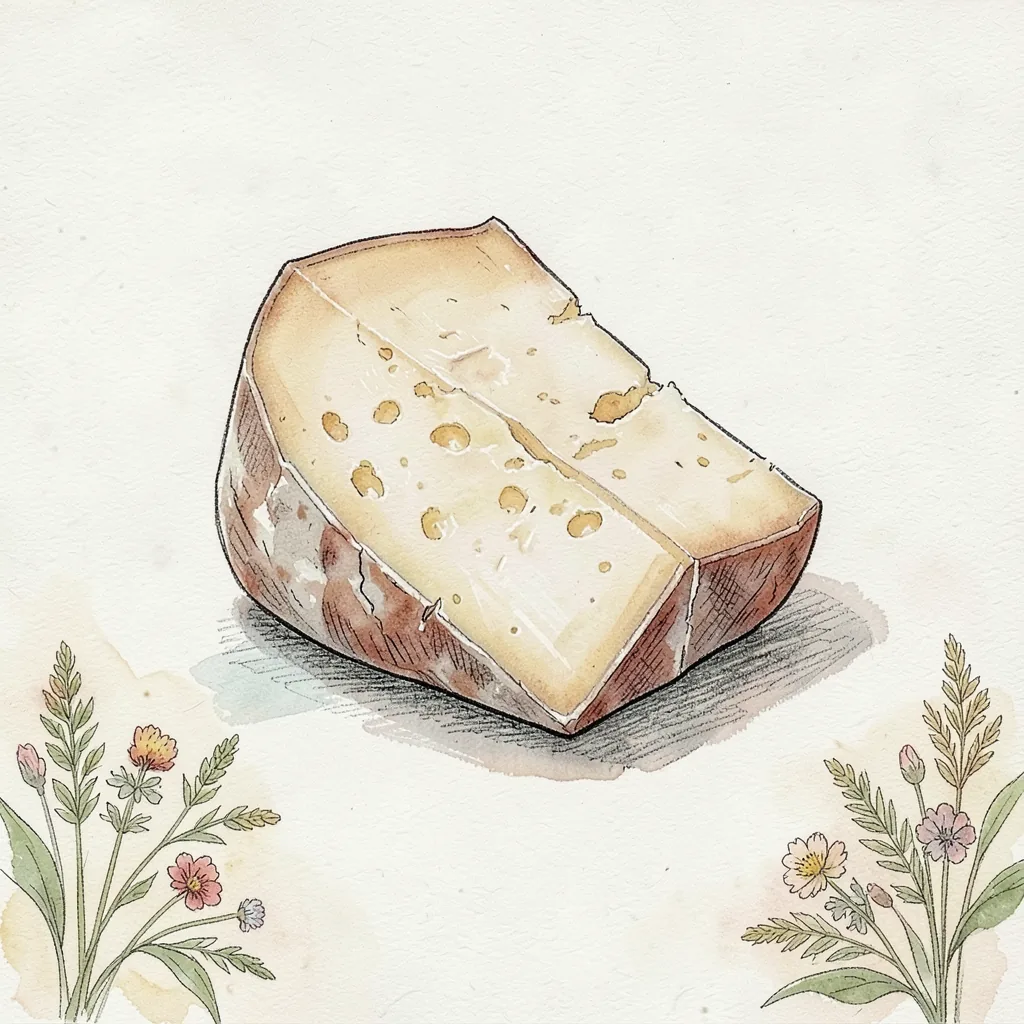
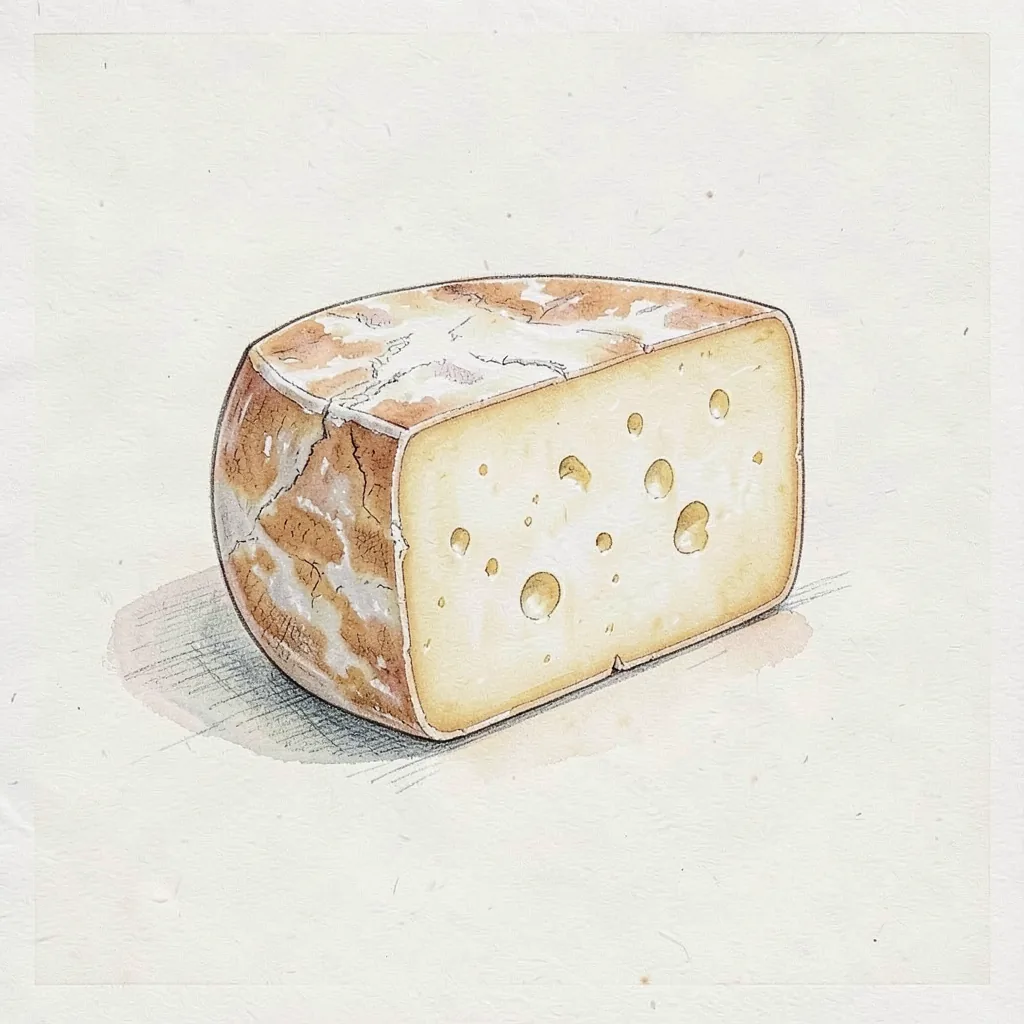
Young wheels are supple and mild, while older wheels turn firmer, drier, and better for grating. The paste is pale to straw colored, with a natural rind and sometimes a few small eyes. It belongs with the northern Italian cheeses that move from the table to the grater as they age. Friuli is the heart of that identity.
A fresh wheel slices cleanly and melts with little fuss. A well aged wheel is grainier, more savory, and suited to a board or a grater. Both are Montasio, and they are not the same cheese in the kitchen. The protected name ties the cheese to Friuli and to a recognized zone around it, rather than to every dairy in Italy. Buy the age that matches the dish, because the label stages are part of the style.
History
Montasio takes its name from the high country of that name in Friuli, where cow's milk cheeses were made for mountain keeping. The style settled into a pressed wheel with a natural rind, able to be eaten young or kept until hard. It is a regional cheese of the northeast, not a copy of a French or Swiss wheel. Over time the name was reserved for cheese from the recognized zone. That protection is why a true Montasio should say where it comes from.
Farm dairies and larger creameries both make the cheese, and neither story needs a single founder. Young cheese, middle aged cheese, and older cheese are sold as different stages of the same name. Those stages matter more than a brand mark. The wheel is part of Friulian cooking, especially where cheese is cooked with potato. Visitors who only know Parmesan will find Montasio gentler when young and more forceful after a long rest.
How it is made
Makers start with cow's milk, set the curd, and heat it enough to give a smooth pressed paste. The curd is cut, stirred, and put into molds, then pressed so the wheel knits and loses whey. Salting follows, either from brine or from dry salt on the rind. A natural rind forms as the wheel dries. Nothing about the method depends on blue mold, a washed smear, or a wax coat.
Aging decides the cheese you actually buy. A short rest leaves a pale, elastic paste that slices and melts. A longer rest dries the paste, deepens the color, and makes the flavor more savory. Wheels are turned and kept clean while the rind stays natural. The maker marks the stage so a cook can tell a table cheese from a grating cheese without cutting the wheel first.
Taste
Young Montasio tastes of sweet milk and butter, with a mild tang and a soft, elastic bite. Salt is present but not harsh, and the aroma stays clean. There is little of the nutty force that comes later. Small eyes, when they appear, do not change the flavor. The cheese should not smell of ammonia or show a wet, sticky rind.
Older Montasio is a different experience on the same wheel style. The paste grows firmer and a little grainy, and the taste turns savory, nutty, and lightly spicy. It still reads as cow's milk, not as sheep or goat. A very old piece can remind you of other hard Italian grating cheeses, though it is usually less fierce than a long aged Parmesan. If the rind is bitter, leave it off the plate and eat the paste.
In the kitchen
Use a young or middle wheel when you want slices, sandwiches, or a melt. Montasio is the usual cheese in frico, the Friulian dish of cheese cooked until crisp, often with potato. Cubes can go onto polenta or into a baked pasta where a mild melt is welcome. It browns better than a fresh spreadable cheese. Keep the rind out of a smooth sauce if the rind tastes strong.
Save an older wheel for grating over risotto, soup, and stuffed pasta, or for shaving onto a warm plate of vegetables. A few coarse crumbs add salt and a nutty edge without a huge amount of cheese. On a board, pair a medium wheel with bread, pears, or a plain cracker. Honey is optional, and it suits the milder stages more than the oldest ones. Do not expect a young wheel to replace a hard grater cheese in a recipe that needs dry, sharp flakes.
Around the world
Montasio is well known in Italy and less famous abroad than Parmesan, Asiago, or Fontina. Specialty shops and Italian grocers are the realistic places to find a labeled wheel. Outside that trade, cooks often buy Asiago or Piave, which are pressed cow's milk cheeses with a similar path from mild to aged. Those cheeses are neighbors in style, not identical copies. A wedge that lacks the protected name may be a pleasant table cheese and still not be Montasio.
Travelers meet the cheese most easily in Friuli, where frico and potato dishes put it in plain sight. In other countries the name is easy to miss on a crowded cheese counter. If a recipe calls for Montasio and the shop has none, choose the age of Asiago that matches the job, young for melting and older for grating. Piave is another fair stand-in from the same broad northeast. Read the stage on the label, because a fresh wheel will not grate like an old one.