Cow
What it is
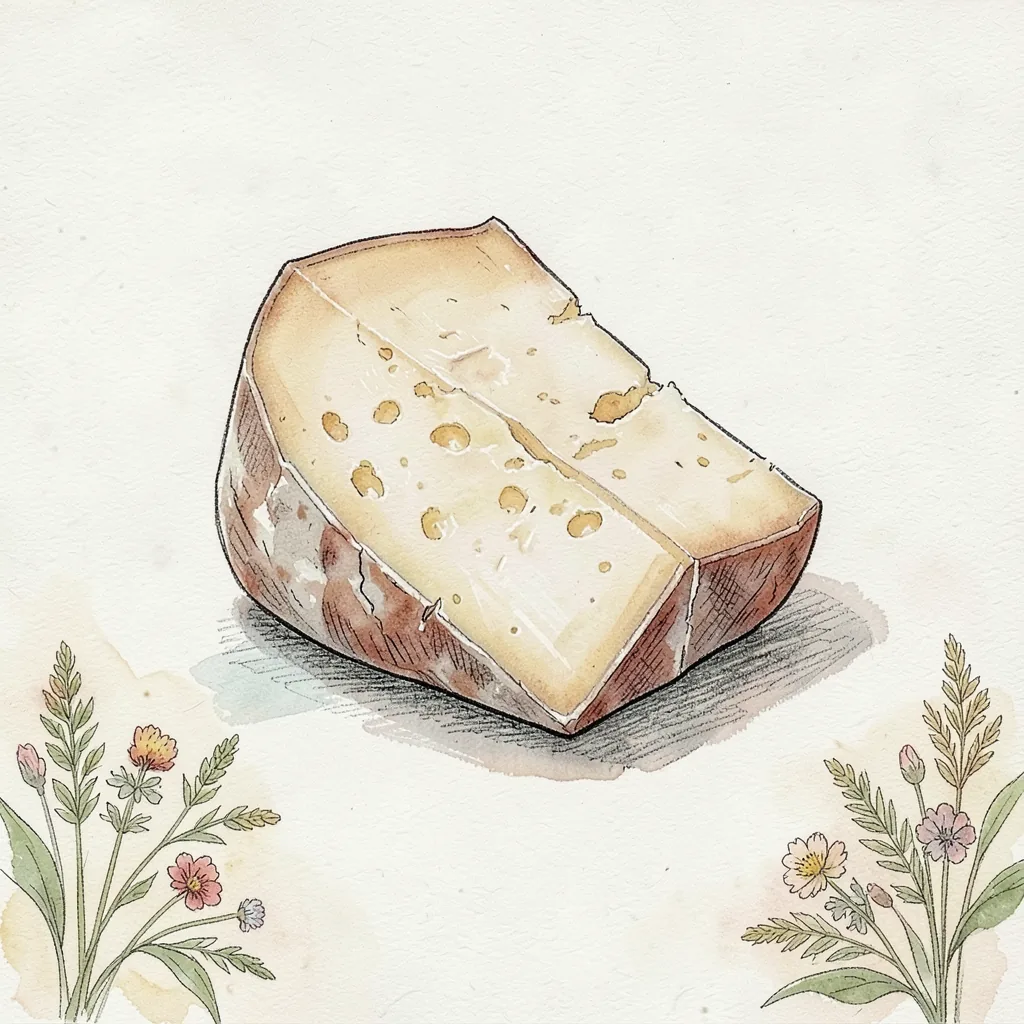
The name is protected, and it covers two related styles from the same area. One is made with whole milk and stays younger and milder. The other, called d'Allevo, uses partly skimmed milk and ages longer, until it is firmer and better for grating. Both are pressed wheels with a thin natural rind and a pale paste.
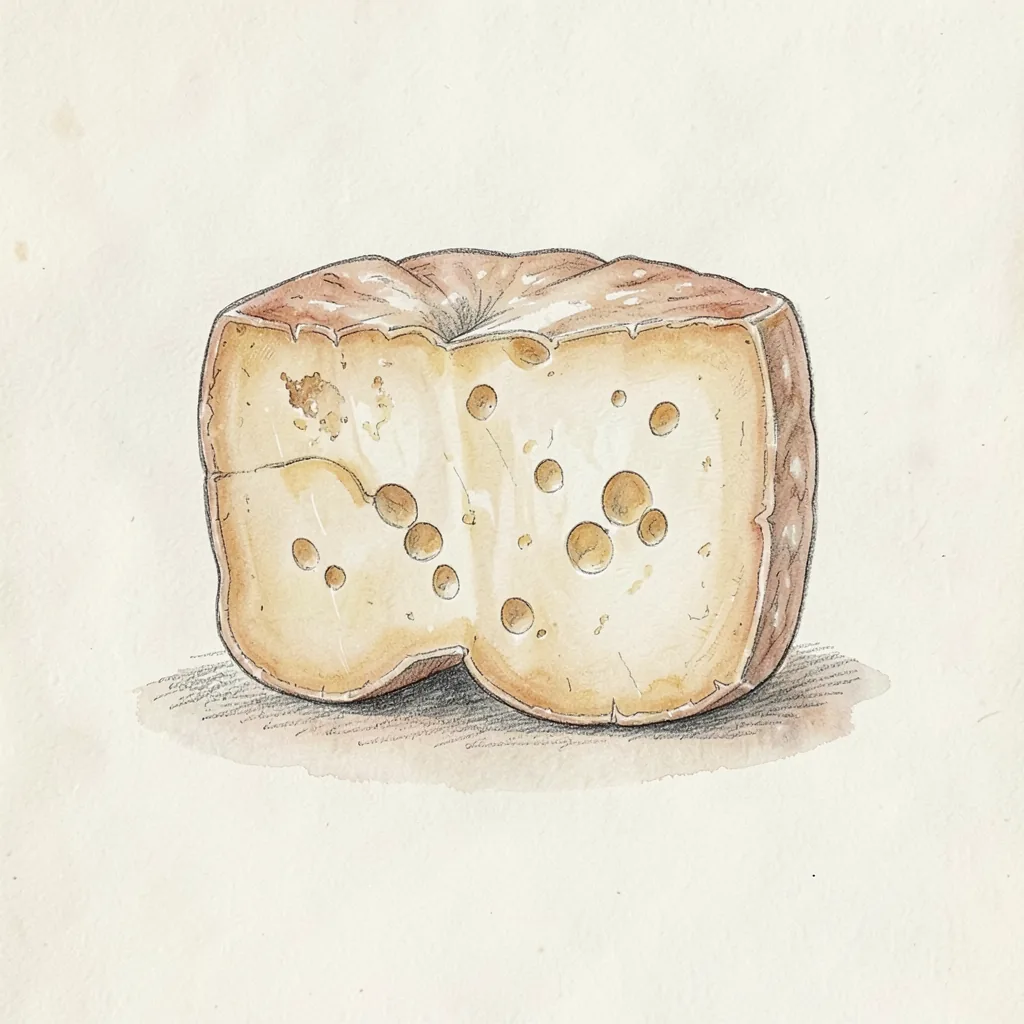
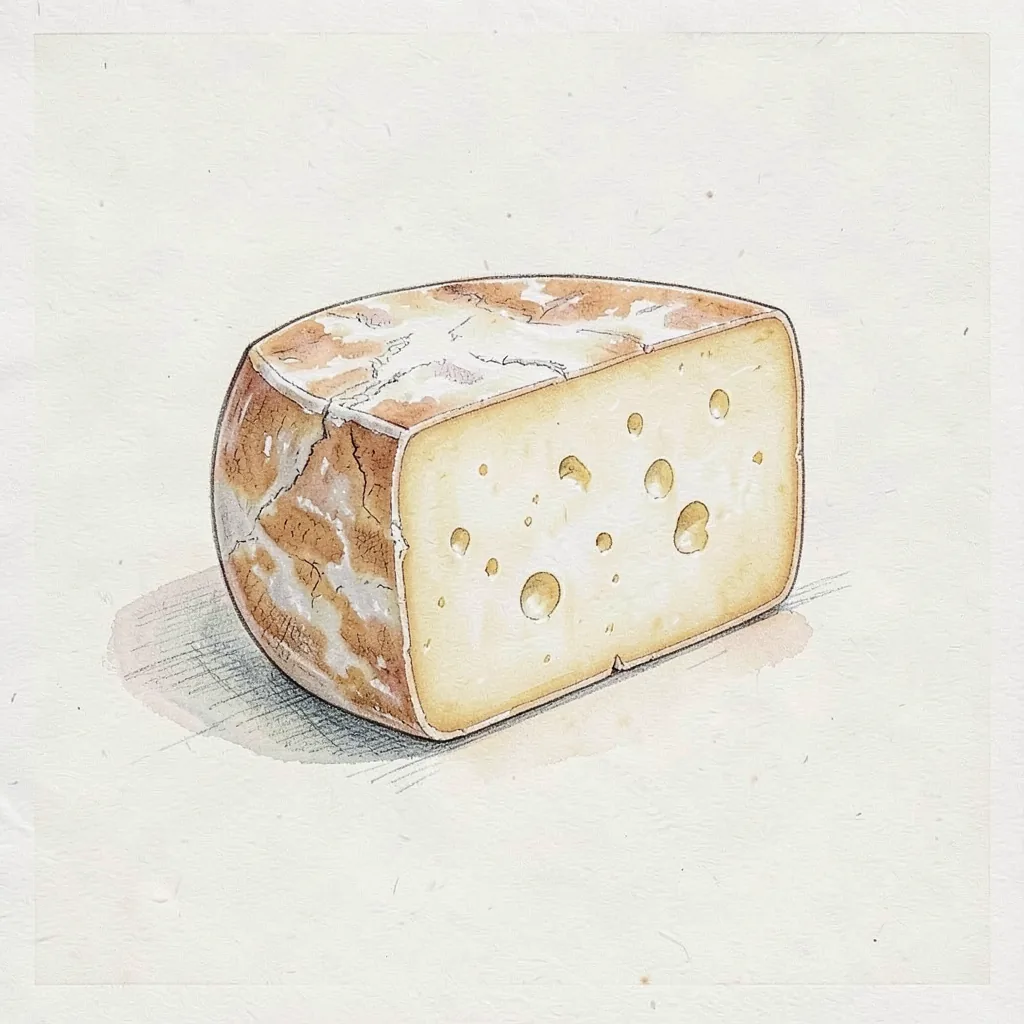
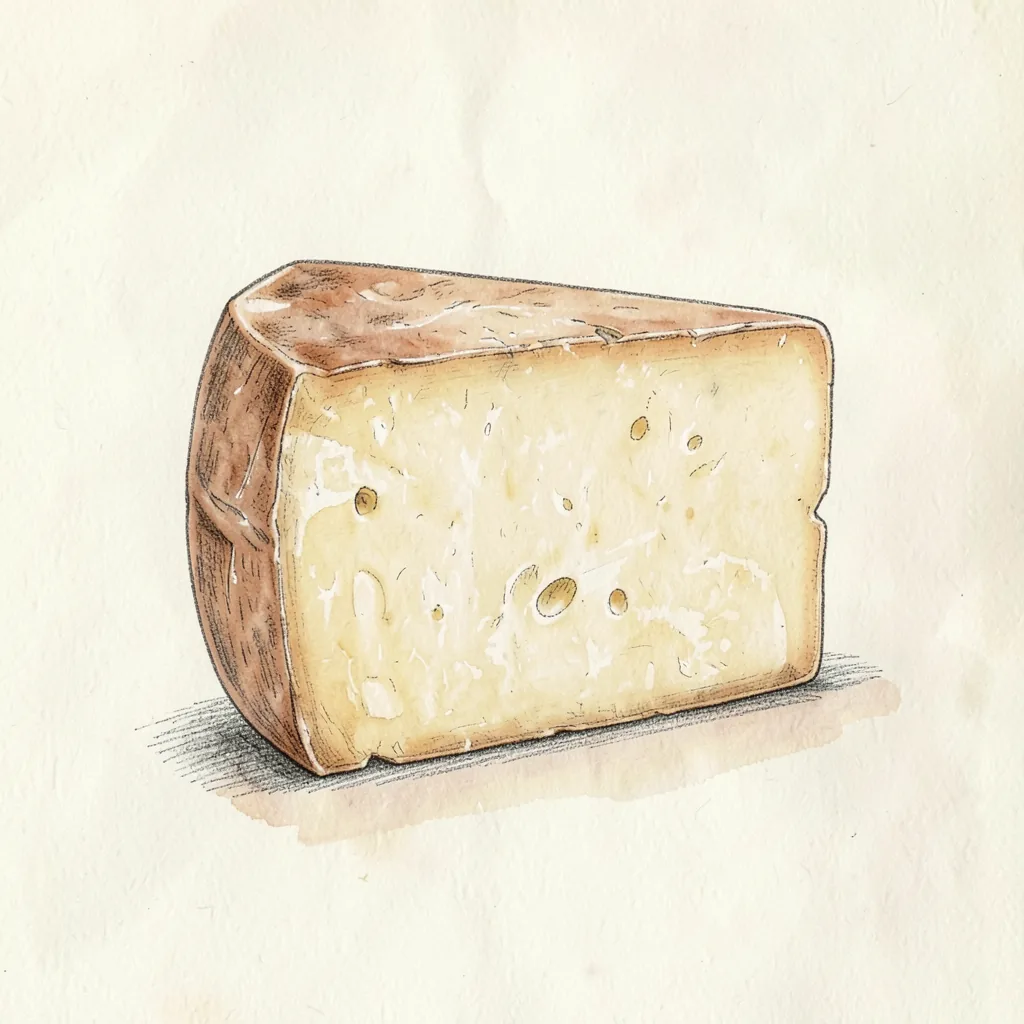
Whole-milk Monte Veronese is a table cheese, with small eyes and a gentle, milky sweetness. The longer-aged d'Allevo wheel is more savory, and a very mature piece can turn slightly sharp. Color runs from white to straw, depending on the season and the age. The rind is smooth and thin, not washed and not bloomy. In the kitchen the young cheese melts into warm dishes, while the older cheese takes a grater.
History
Cheese from the Verona hills has a long place in local farming. Herds grazed the upland pastures, and dairies turned the milk into wheels that could be kept. Monte Veronese took its name from those mountains, and the two styles grew out of different uses for the same milk. One style was eaten sooner at the table. The other was set aside to become a harder cooking cheese.
The protected name now marks wheels made in the defined Verona mountain area, from local cow's milk, in the two approved styles. A mark on the rind helps buyers tell a true wheel from a similar cheese made elsewhere. Whole-milk wheels carry one label color and d'Allevo wheels carry another, so the style is visible before the cut. The rules keep the milk, the place, and the method tied together. Outside that area, a cheese may taste similar, but it cannot use this name.
How it is made
Cow's milk from the production area is the start. For the whole-milk style, the milk is used as it comes, while d'Allevo has part of the cream removed first so the paste is leaner. Rennet sets the milk, and the curd is cut and then heated enough to count as semi-cooked. The curd goes into molds and is pressed into a low cylinder. Salt is added dry or in brine.
Aging is what splits the two styles in the cellar. The whole-milk wheel is ready while it is still supple and mild. D'Allevo stays longer, first as a table cheese and later as a grating cheese if the maker keeps it. Wheels are turned and checked while the rind dries and the paste settles, and small eyes form in the interior. Nothing is smoked, washed repeatedly, or wrapped in wax as part of the standard method.
Taste
A young whole-milk wheel tastes sweet, fresh, and lightly buttery. The paste is white to pale straw, with fine eyes scattered through it. The smell is clean and milky, without a strong rind funk. On the tongue it is smooth rather than grainy, and salt is present but not dominant. That quiet profile is why the young cheese works early in a meal or beside fruit.
D'Allevo changes the picture. Less cream and more time bring a fuller, more savory taste, with a light bite if the wheel is well aged. The eyes are usually a bit larger, and the color can deepen toward straw. The texture turns firmer and drier, which is what makes a mature piece grate cleanly. It still should not be harsh or bitter, and a good wheel smells of aged milk and hay, not of ammonia.
In the kitchen
Use the young whole-milk cheese on a board, in slices, or melted over polenta and baked dishes. It softens smoothly and does not split into grease if the heat stays gentle. Cubes can go into warm vegetables or a simple salad. The flavor is mild enough to sit with fruit, nuts, or a light red wine. Avoid a very hot pan if you want the slice to stay in one piece.
Keep d'Allevo for the end of a meal when it is still a table cheese, and move to the grater when it turns dry. Grated cheese finishes soups, pasta, and risotto without the sharp punch of a very old grana. Thin shards on a board show the savory side better than a thick wedge. Do not treat the two styles as the same ingredient. A young wheel will not grate well, and an old wheel will not melt as softly.
Around the world
Monte Veronese is known in Italy, especially in the Veneto, and it appears in shops that stock protected Italian cheeses. It is less famous abroad than Asiago or Parmigiano Reggiano, so many buyers walk past it. Cheese counters in other countries sometimes carry the whole-milk wheel as a mild slicing cheese. The aged d'Allevo is easier to miss, because it looks like several other firm northern Italian wheels. Reading the rind mark is the practical way to know which style you have.
When the real wheel is absent, Asiago or Montasio can stand in, matched to age. A young Asiago is the closer swap for whole-milk Monte Veronese. An older, drier wheel is the closer swap for grating d'Allevo. Neither copy carries the same pasture taste. Cooks who know the cheese use it as a local ingredient first, and as an export second.