Cow
What it is
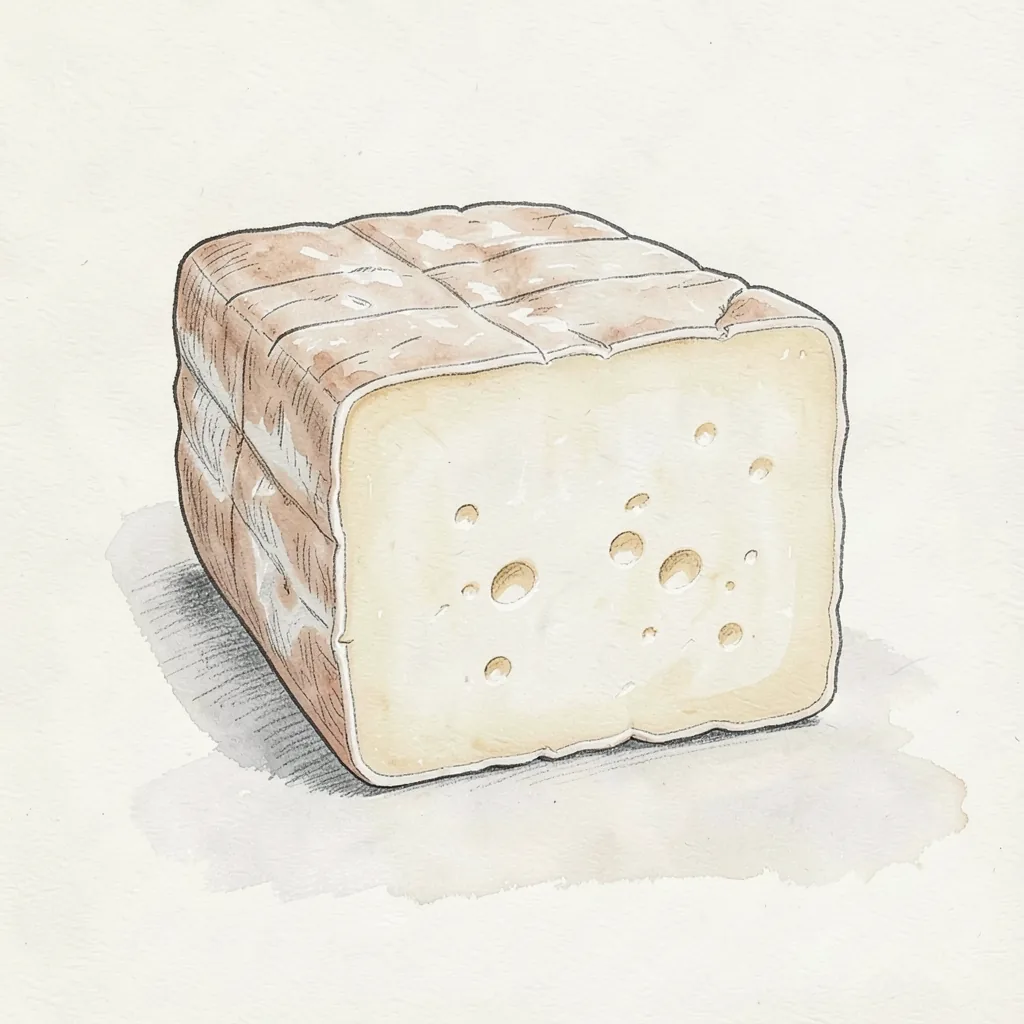
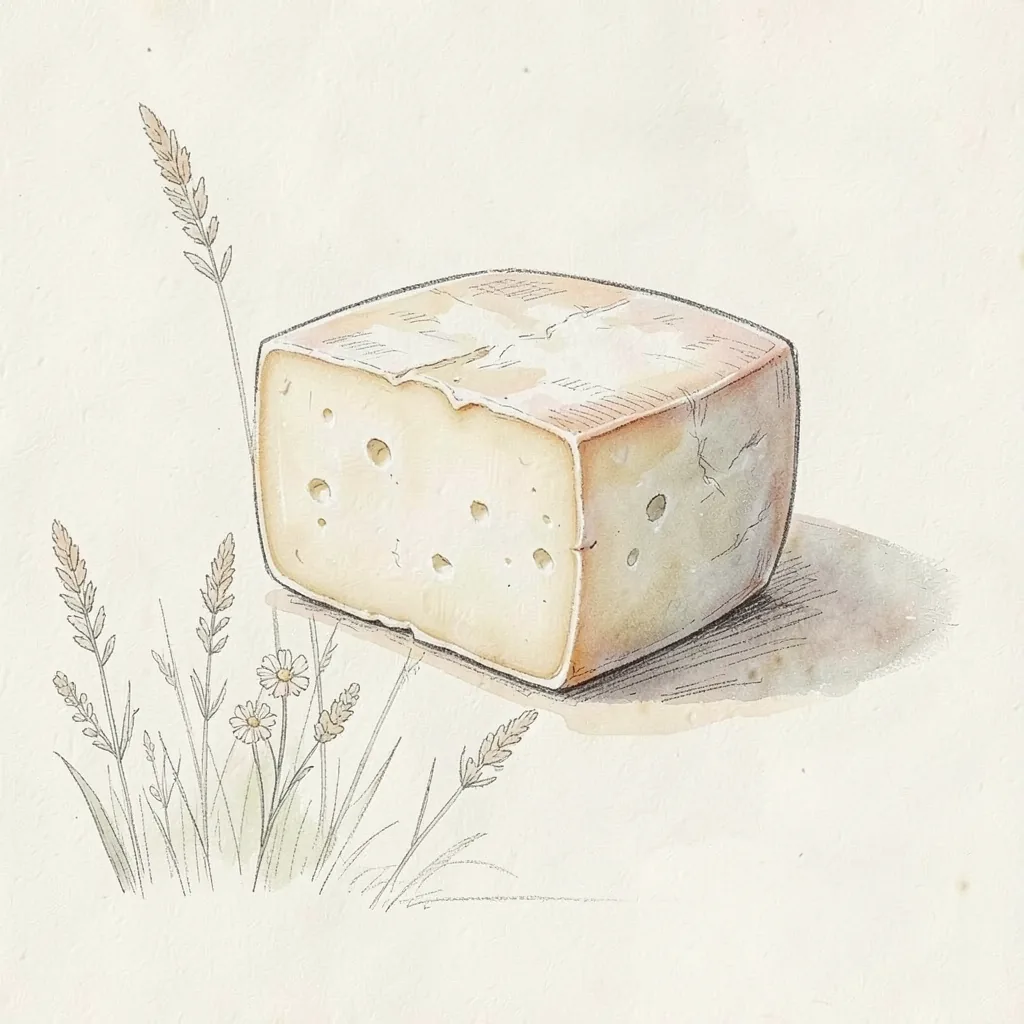
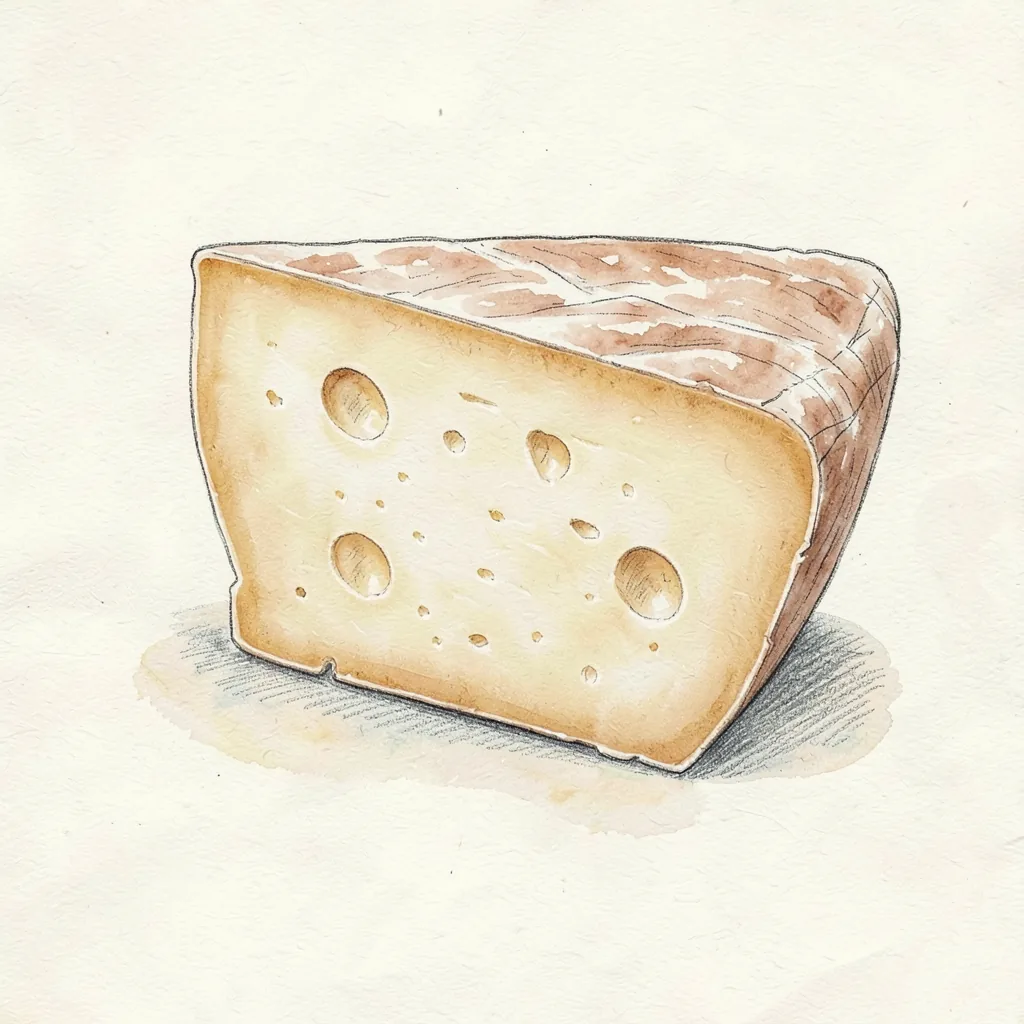
It is also known as Morlacco del Grappa, a name tied to mountain dairy practice rather than to a single town. The milk is partly skimmed, so the paste stays light and the taste leans tangy instead of rich. A young piece is white, moist, and open, with a few small holes. Makers sell it with a thin natural rind after a short rest, or they keep it longer until the flavor grows sharper.
On the board, Morlacco sits between a fresh cheese and a firm aged wheel. The paste can be soft enough to spread when it is young, then firmer and more aromatic after a longer rest. Salt is clear, and a grassy or lemony note often shows under the milk. It is a table cheese first, though cooks also melt a little into hot polenta or warm vegetables. A cold slice hides the smell, so let it stand before you serve it.
History
Morlacco belongs to the mountain dairy tradition of Italy. Herders made it during the pasture season, when cow's milk was on hand and butter was a separate product. Part of the cream was lifted off, and the remaining milk was set for this lighter cheese. The method stayed with small dairies rather than with one named firm. No single founder is recorded, and the cheese is still understood as a farm style, not as a brand.
Today both mountain huts and valley dairies make Morlacco. The old version used raw milk and baskets that left faint lines on the surface. Many current wheels are made in molds, and some milk is heat treated before the curd is set. Those changes affect the aroma, but the cheese is still a short-aged, lightly skimmed cow's milk cheese. Buyers should read the label, because a very fresh piece and a well rested piece are not the same in the kitchen.
How it is made
Cheesemakers warm cow's milk that has been partly skimmed, then add rennet and let a soft curd form. The curd is cut, allowed to settle, and lifted into cloths or perforated molds so the whey can leave. It is not cooked into a hard grain, and it is not pressed like a long-aged wheel. Salt is added to the curd or to the young cheese. The forms used to be baskets, which is why some rinds still show a light striped mark.
A young Morlacco is ready while the paste is still white, moist, and a little crumbly. If the maker keeps it longer, the color moves toward straw and the taste becomes stronger and saltier. The rind stays thin, and it may feel slightly elastic rather than thick and dry. Small holes are normal, and the cheese should smell of milk and grass rather than of a washed rind or blue mold. Wheels differ with the pasture and with how much cream was removed.
Taste
A young piece tastes milky, lightly salty, and a bit tangy, with a clean grassy edge. The paste is soft and open, so it yields under a knife and can crumble on the board. As it rests, the same cheese turns more aromatic, with a sharper finish and a hint of lemon or herbs. Fat is modest because the milk was skimmed, which keeps the flavor lively instead of buttery. The rind is mild enough to eat if it is clean and thin.
Not every wheel is gentle. A longer rest brings a stronger smell and a salty bite that can surprise people who expect a bland fresh cheese. Some pieces stay mild and milky, while others pick up a fuller herb note from the pasture. Texture is the easy clue, because a spreadable moist paste is the young style and a firmer pale yellow paste is the rested style. Taste both if you can, since the difference is larger than the label suggests.
In the kitchen
Serve young Morlacco with bread, or spread it on warm polenta, which is a common Italian plate for this cheese. A spoon of fruit preserve or a few berries can balance the salt and the tang. It also works in a simple salad if the pieces stay in soft chunks rather than in shreds. Do not treat it like a hard grating cheese. Heat softens it, but a long bake can dry the modest fat and leave a sharp, crumbly bite.
A more rested wheel can sit on a cheese board next to a mild white wine or a simple cider. Cut it thick, because thin slices fall apart. If you cook with it, add it near the end so the tang stays fresh. It can top baked vegetables or a slice of toasted bread. Keep the other seasonings light, because black pepper, olive oil, and herbs are enough, and a strong cured meat will cover the milk flavor.
Around the world
Outside Italy, Morlacco is a specialist cheese, not a standard item in a large grocery case. Look for it at Italian importers and at shops that carry soft mountain cheeses. The label may say Morlacco del Grappa or a shorter name. Ask whether the piece is young or rested, because the texture changes enough to matter in a recipe. If the shop has none, do not accept a generic soft cheese without checking the taste you need.
Quartirolo Lombardo can stand in when you want a soft Italian cow's milk cheese with a tangy, milky taste. Stracchino is milder and more spreadable, so it works for polenta or bread if the sharp edge is not the point. Bastardo del Grappa is the cheese people mix up with Morlacco, and it is richer because it keeps more of the cream. Use that only when you want a fuller bite. None of these copies the exact skimmed-milk character of a true Morlacco.