Cow
What it is
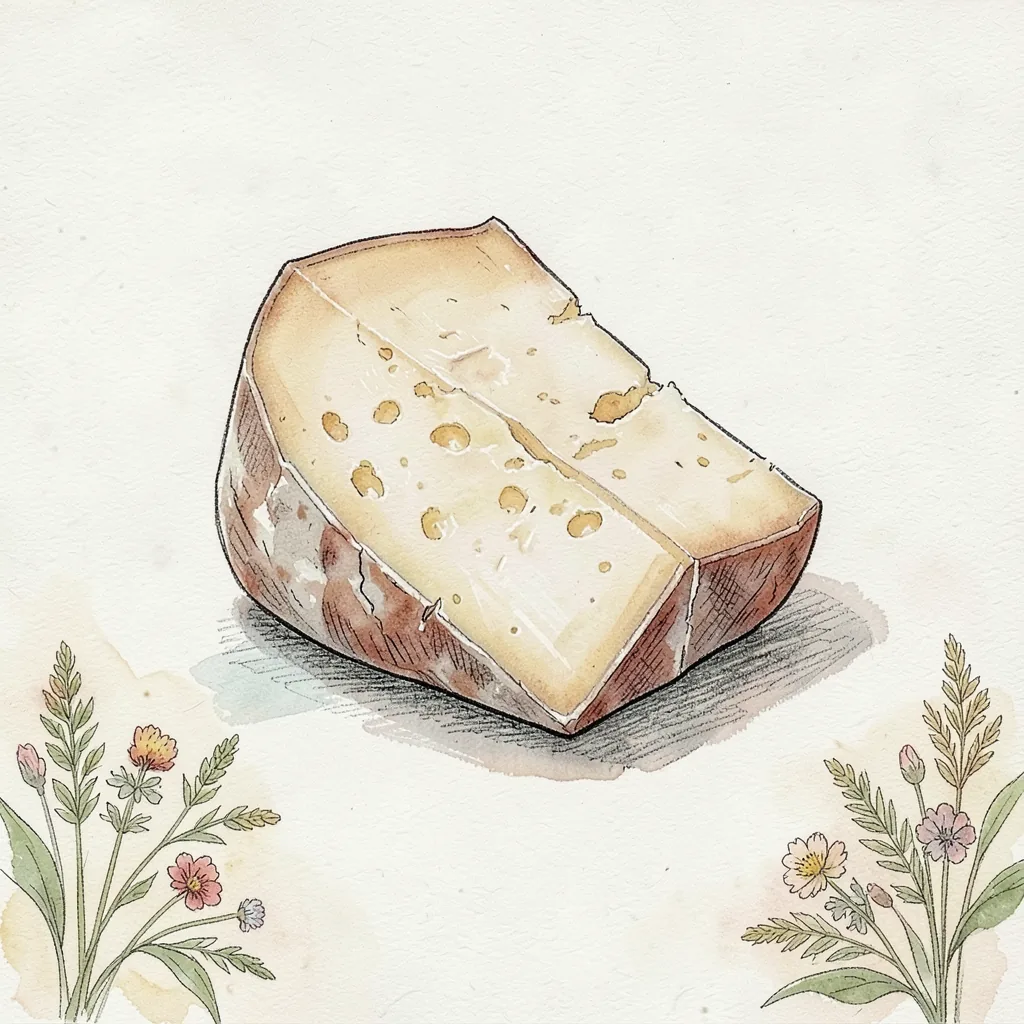
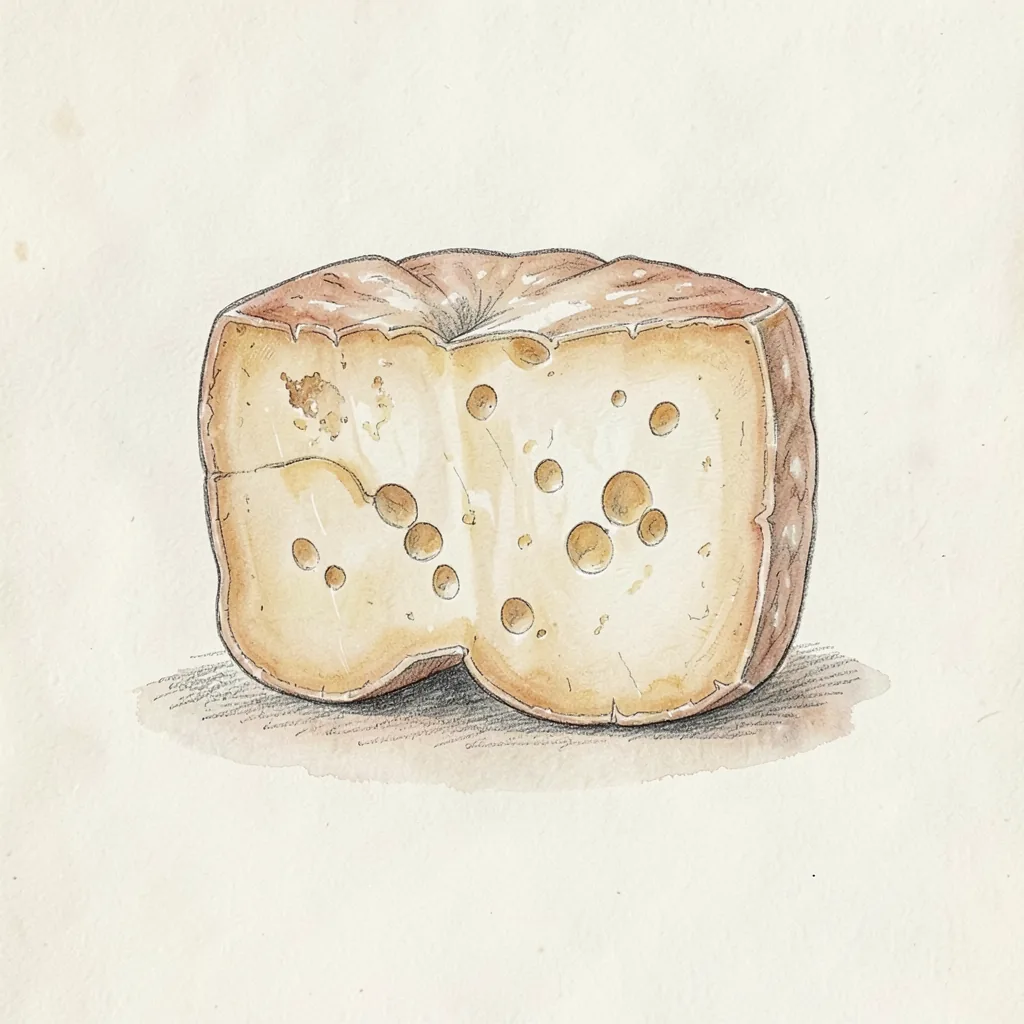
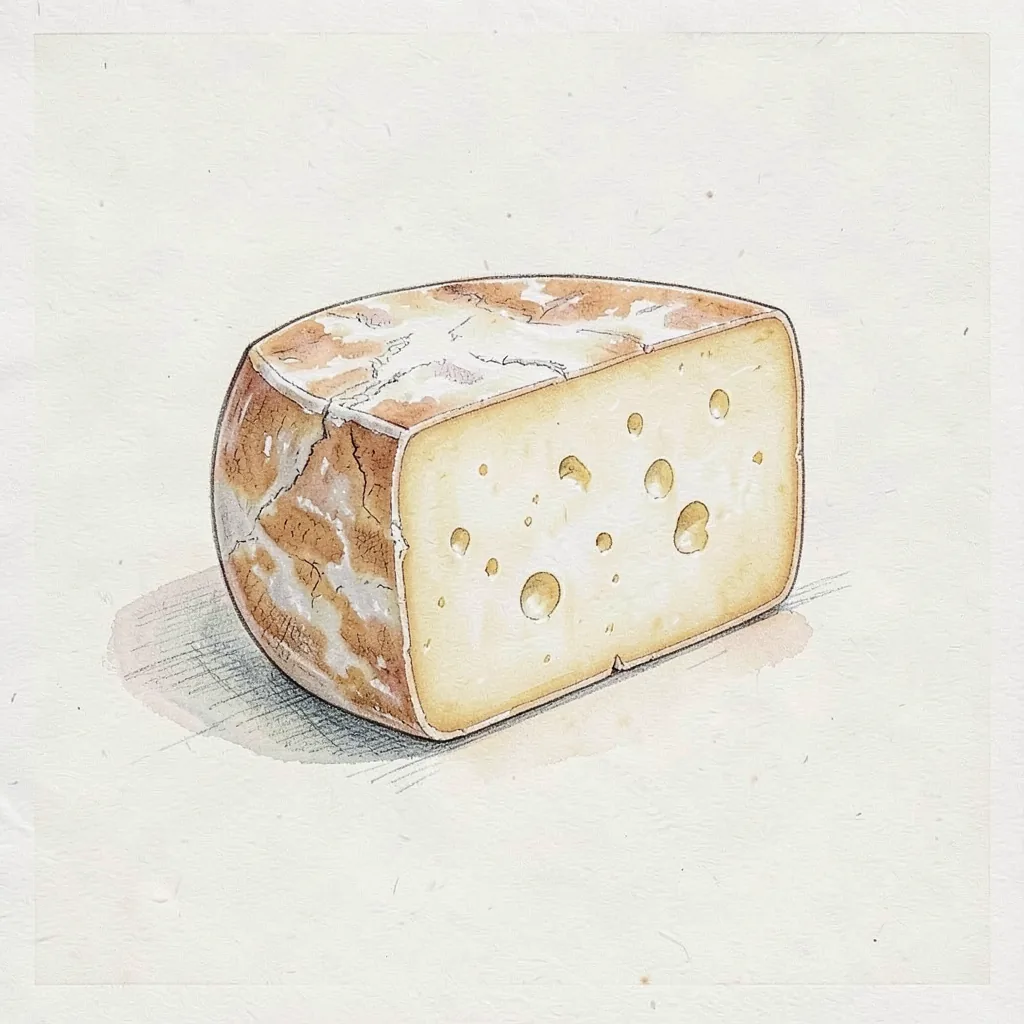
The name does not mean a mixed milk cheese. It marks a method that sits between two familiar Asiago styles, one pressed and relatively fresh, the other kept much longer. The wheels are round, with a dry natural rind and a pale straw paste. Small eyes are scattered through the body.
Young cheese is supple, semi-hard, and mild. With a long rest the paste firms, the color deepens, and the taste grows savory. Mountain batches are often made from raw milk that has been partly skimmed by letting the cream rise. Valley dairies may use milk that has been heated. In either case the cheese is meant to show the pastures, not a sharp blue mold or a washed rind.
History
The cheese grew up on the alpine farms around Monte Grappa, where summer milk had to become something that could travel. Makers borrowed from the pressed Asiago of the same broad region and from the longer aged Asiago used for keeping. The hybrid was useful: one wheel could be eaten sooner or held. That practical middle path is the origin of the blunt name. It is a traditional product of the Veneto mountains, not a modern flavored invention.
Production stayed close to the mountain for a long time and later spread to dairies at lower altitude that still use milk from the area. The wheel kept its plain look: flat faces, a straight side, and a rind that darkens as it ages. No herbs, smoke, or wine bath define it. What changed over time was scale, not the basic idea of a lightly pressed cow's milk cheese from a warmed curd. Cooks in the Veneto still treat a young wheel and an old wheel as two different tools.
How it is made
Evening milk is left so that some cream rises and can be removed, then it is mixed with the morning milk. Rennet sets the vat, the curd is cut fine, and the mass is heated again until the grains firm. This second warming is what links the cheese to other alpine styles. The curd goes into hoops, drains, and is pressed only lightly. The young wheel then rests until the paste feels sound.
Salting is done in brine, or sometimes with dry salt, until the rind begins to form. Aging happens in a cool room, and the wheels are turned so they dry evenly. Makers may scrape or oil the surface to keep unwanted mold off the rind. A short age leaves a supple semi-hard cheese. A long age makes the paste harder, grainier, and deeper in color, with a rind that is not usually eaten.
Taste
A young Bastardo del Grappa tastes sweet, milky, and lightly salty, with a clean alpine smell. The paste is smooth enough to slice and still a little elastic. As it ages, the sweetness pulls back and a savory note like warm broth comes forward. The eyes stay small, and there is no pepper heat or blue vein. The pleasure is in the milk and the cellar, not in a strong rind wash.
Texture tracks the age, so an early slice bends slightly and feels moist. Later the paste breaks with a fine grain, more like a mountain cheese kept for the grater. Bitterness is a fault, not a goal. A good piece smells of hay, warm milk, and a dry cellar, and the rind should be clean rather than sticky. If the paste tastes flat, the wheel was probably rushed.
In the kitchen
Serve a young wheel on a board with bread, pears, or a few nuts, and slice it thin. It also melts in a sandwich or over polenta without turning oily. An older wheel grates onto pasta, risotto, or a vegetable soup, where the savory edge replaces a harder grana. The mountain habit of grilling or frying a slice is worth trying with a piece that is still supple. Do not waste an aged wheel on high heat, or the grain will toughen.
Keep the rind out of a fine grate if it tastes bitter. For the table, bring the cheese out of the cold so the sweet milk notes can show. Pair a young piece with a light red from the Veneto or with sparkling wine. An older piece likes a fuller red. Because the flavor is medium rather than huge, it can sit next to mushrooms, speck, and bitter greens without a fight.
Around the world
Outside Italy, Bastardo del Grappa is a specialist cheese, easier to find in shops that import alpine wheels than in a general dairy case. Asiago is the name shoppers already know, and it is the fair comparison. Pressed Asiago is milder and more elastic. Aged Asiago is firmer and sharper. Bastardo del Grappa is the wheel that can land between them, which is why the substitute works only if you match the age.
Montasio and Piave, also from the northeast of Italy, can look similar on a label crowded with mountain names. Montasio is often milder and more uniform. Piave tends to be sweeter when young and very firm when old. None of those cheeses carries the Grappa name, and none should be sold as this one. If a menu abroad lists Bastardo del Grappa, ask whether the wheel is young or aged before you order it for the table or the grater.