Cow
What it is
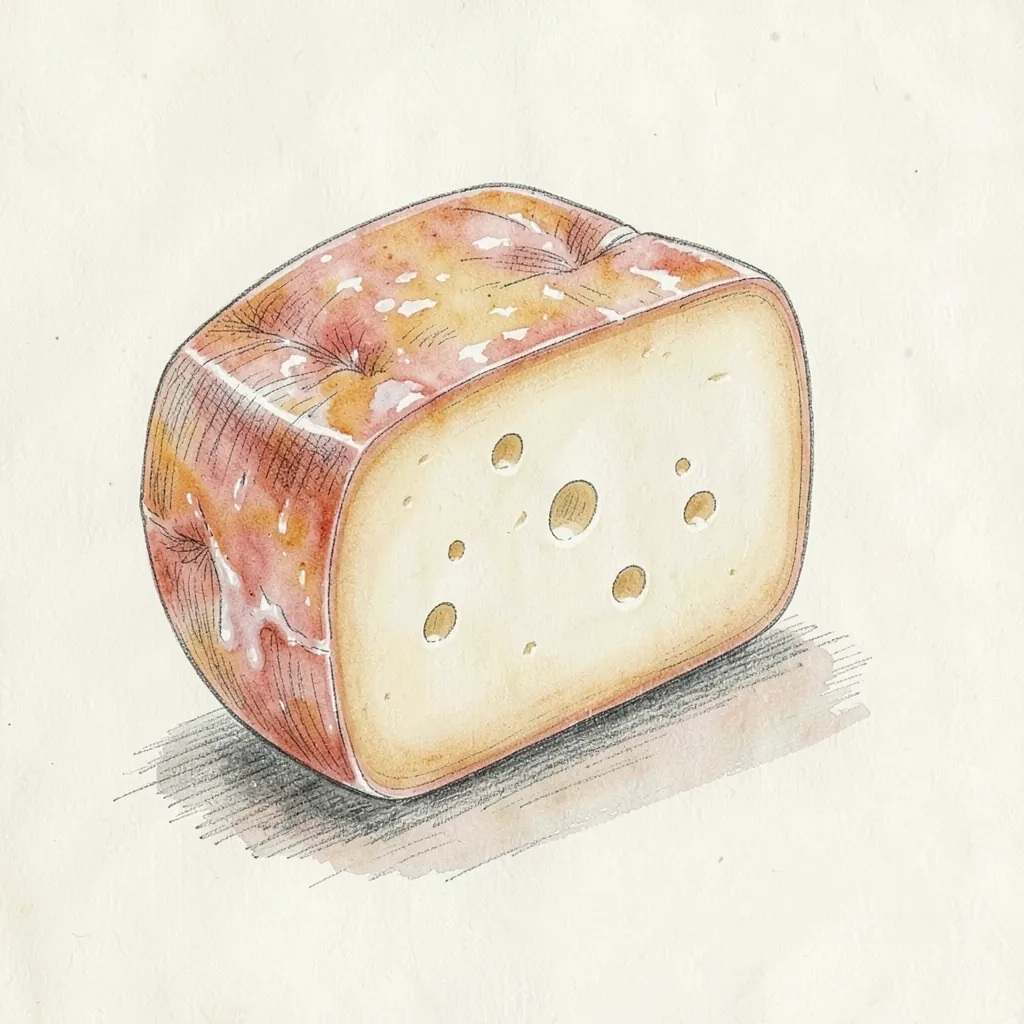
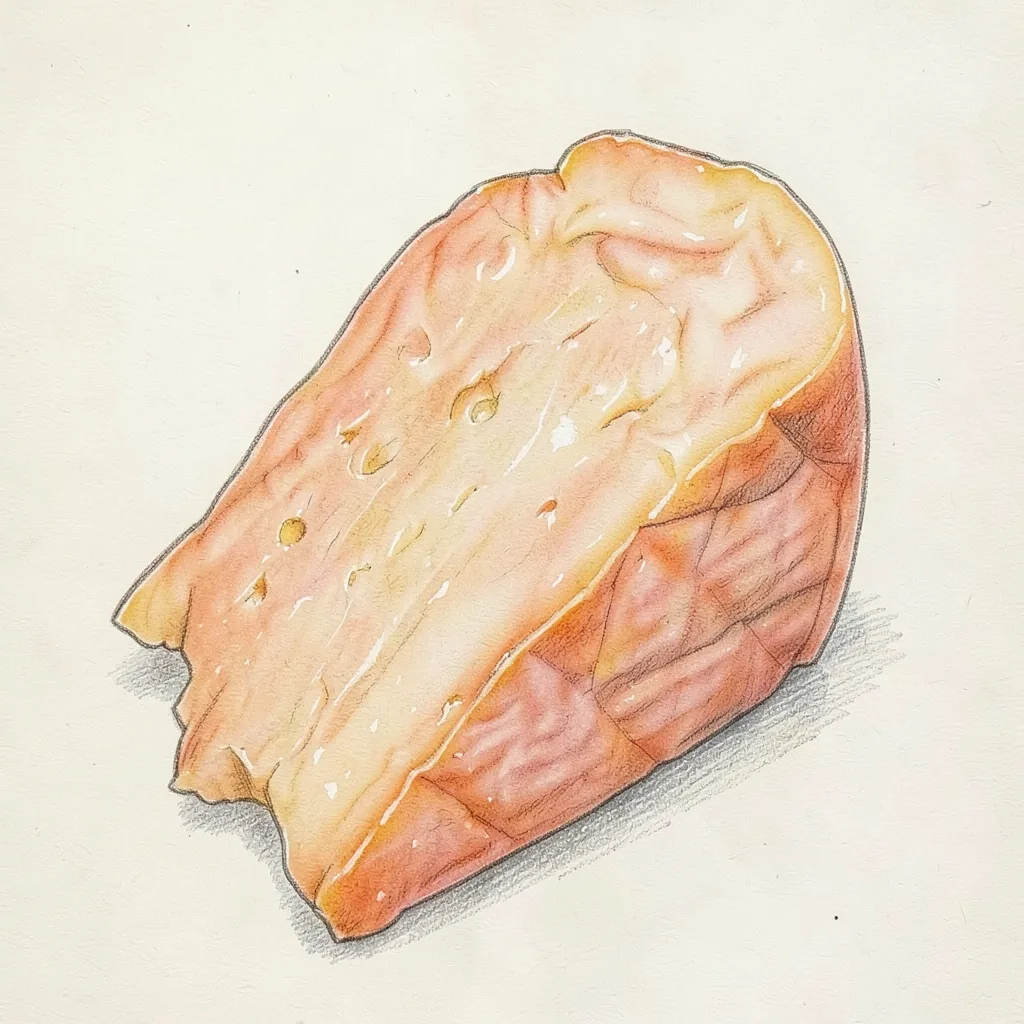
It is smear-ripened, and the surface turns a warm orange or reddish tone while the inside stays pale and creamy. The cheese takes its character from ripening in a natural cave, where the surface flora grows on its own. The smell is strong, and the taste is earthy and savory. Output is small, so it is a special cheese rather than an everyday block in every shop.
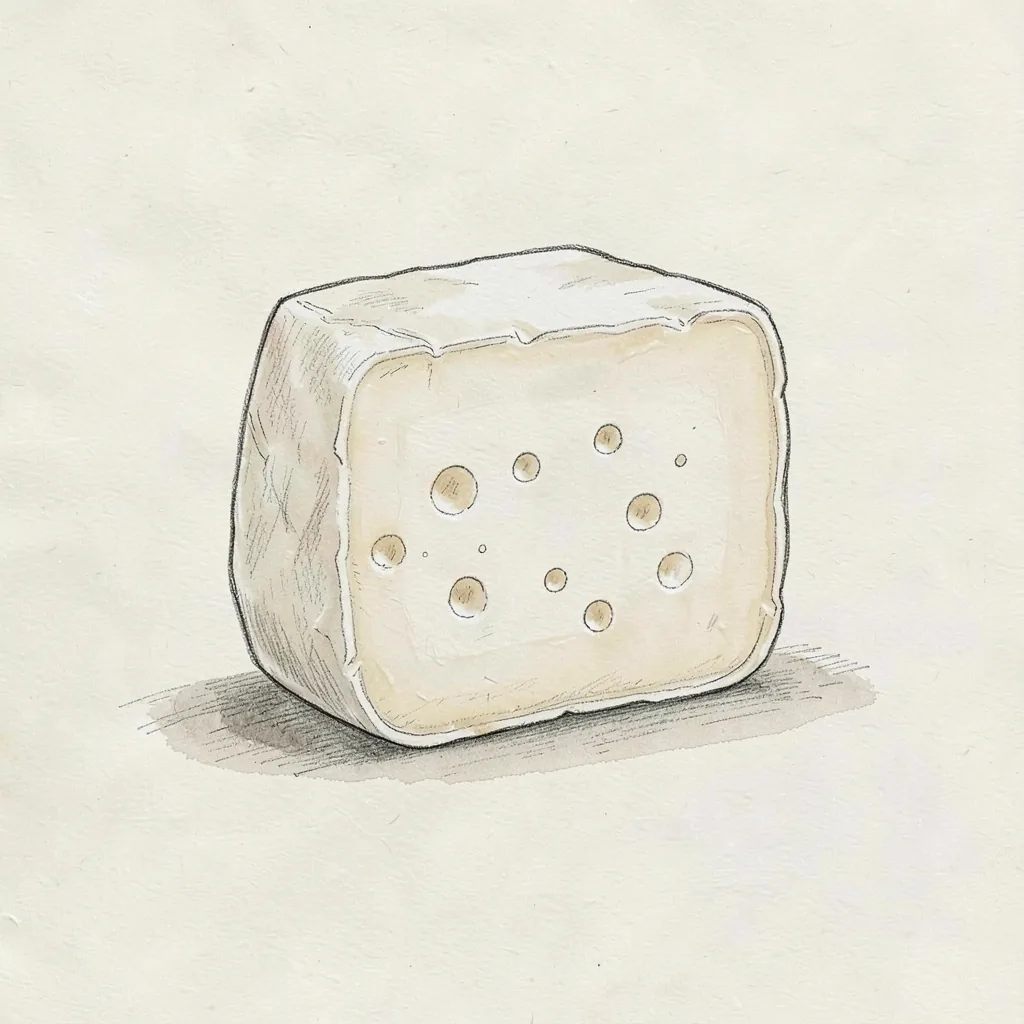
The paste is soft enough to spread when the cheese is ripe, and a knife meets little resistance near the rind. The body is not full of holes, and it is not a blue cheese. Salt supports a deep, slightly spicy savor. People eat it as a starter with bread, grapes, nuts, or onion, and with a dry red wine. A sound piece smells pungent but clean, with a cellar note rather than a spoiled one.
History
Năsal cheese is counted among the older matured cheeses of Romania. Its story is tied to cave ripening, not to a single branded recipe that can be copied in any dairy. Makers found that one cave gave the rind its flora, and attempts to move that flora to a laboratory did not give the same cheese. The cave has been enlarged over time, but the useful zone for ripening stays limited. That limit is why the cheese never became a mass-market product.
For a long time the cheese was known mainly in Romania, among people who could get a piece from that ripening place. It later reached a wider public as a national specialty, still made in small quantity. The name on the label points back to the original place, but the cheese is spoken of as a Romanian cave cheese. The flavor does not come from a monastery recipe or from an export brand. The cave air and the cow's milk did the work, and they still do.
How it is made
The cheese starts as a cow's milk curd set with rennet. The curd is drained and formed into pieces that are still soft, without a long press like a hard wheel. Starter cultures are not the point of the method. The young cheese then goes into the cave, and the smear bacteria settle on the surface by themselves. No one sprinkles on a blue mold to make veins, because this is not a blue cheese.
In the cave the temperature and the damp air stay steady, which lets the rind flora grow in a reliable way. The surface changes color as the bacteria work, and the inside softens into a creamy paste. The cheese is turned and watched until the smell and the texture are right. It cannot be rushed in a dry room and still taste the same. Once ripe, it is packed and sold as a small specialty, not as a waxed block for long storage.
Taste
The first impression is the smell, which is strong, earthy, and a little spicy. The taste follows with a deep savor, more robust than a mild dairy cheese, and salty without being only salt. The paste is creamy and soft, and it can feel almost spreadable at the peak. Under the rind the flavor is strongest. The center is a bit quieter but still full, with a lingering finish that stays savory.
People who like washed rind cheeses will recognize the style, though this one is tied to its cave. It is not as mild as a young semi-hard cheese, and it is not a sharp blue. A cold piece from the fridge hides some of the aroma, so let it warm before you judge it. If the smell is only ammonia, or the paste is dry and cracked, the piece is too old. A good one stays creamy, pungent, and clean.
In the kitchen
Serve Năsal cheese on a board with bread, and let people spread the soft paste. Grapes, nuts, and a slice of onion are common partners, and a dry red wine stands up to the smell. It can sit on a salad if you use a modest amount, because the flavor travels. Heat is not its best use, since the point is the ripe aroma, not a melt. Keep pieces small so the pungency does not cover the rest of the plate.
Take the cheese out of the cold before serving, with the lid on until you are ready. A ripe piece can smell through a fridge if it is left open. Wrap the cut face, but do not seal it so tightly that the rind sweats and turns bitter. Use it within a short time of ripening, because this is not a cheese that improves for a long time at home. If you want a milder plate, offer a firm cow's milk cheese beside it.
Around the world
Outside Romania, Năsal cheese is scarce. Shops that carry Romanian food may have telemea or a burduf cheese long before they have this cave-ripened piece. Those are different foods, one brined and one often kept in a fir bark container, and neither has this smear rind. Buyers who know Limburger or Munster will understand the strong smell more quickly. Even then, the Romanian cheese is its own product, because the cave flora is not a standard dairy culture you can order.
If you need a substitute, a washed rind cow's milk cheese such as Limburger or Munster will echo the smear and the soft paste. Esrom is another pungent cow's milk cheese, though its make is Danish and its shape is a loaf. None of them will copy the cave note exactly. Do not swap in a brined white cheese and expect the same aroma. When a real piece is available, treat it as a board cheese and give it air before you taste it.