Cow
What it is
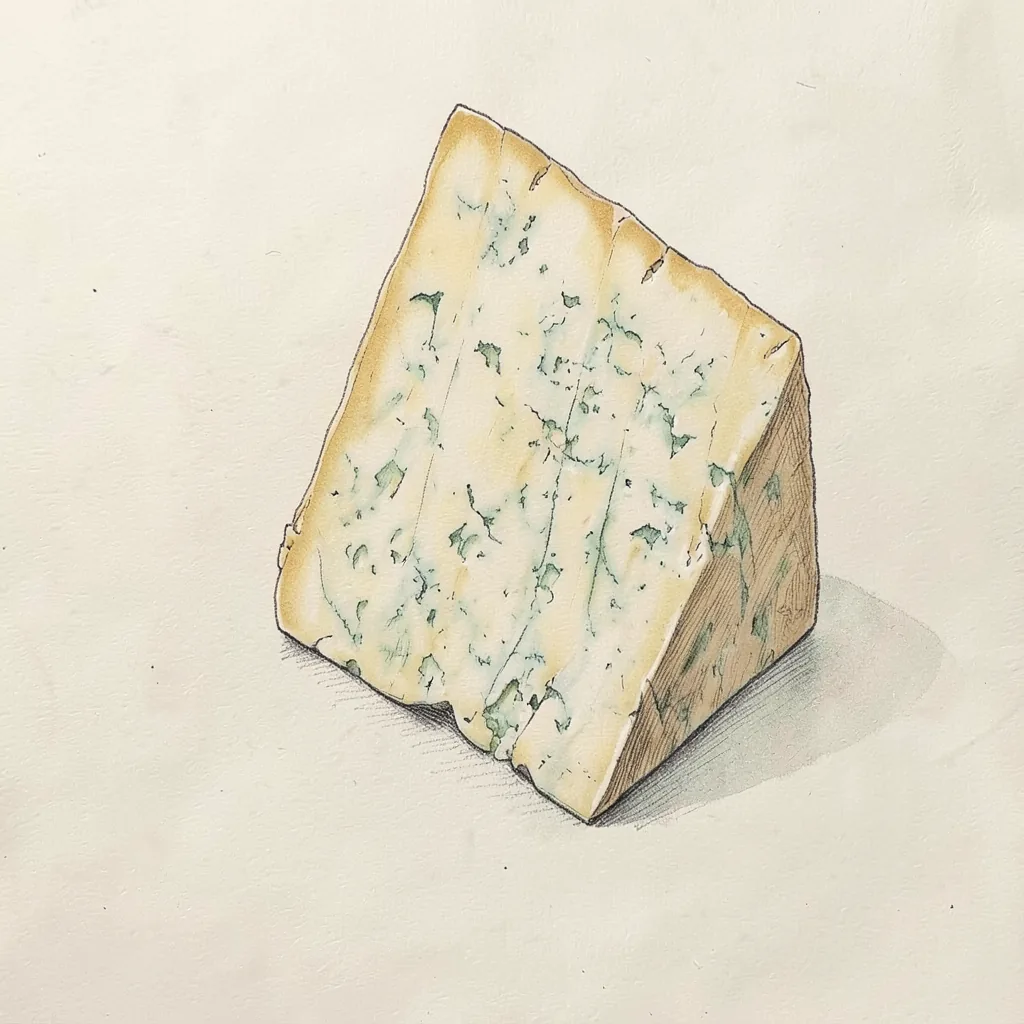
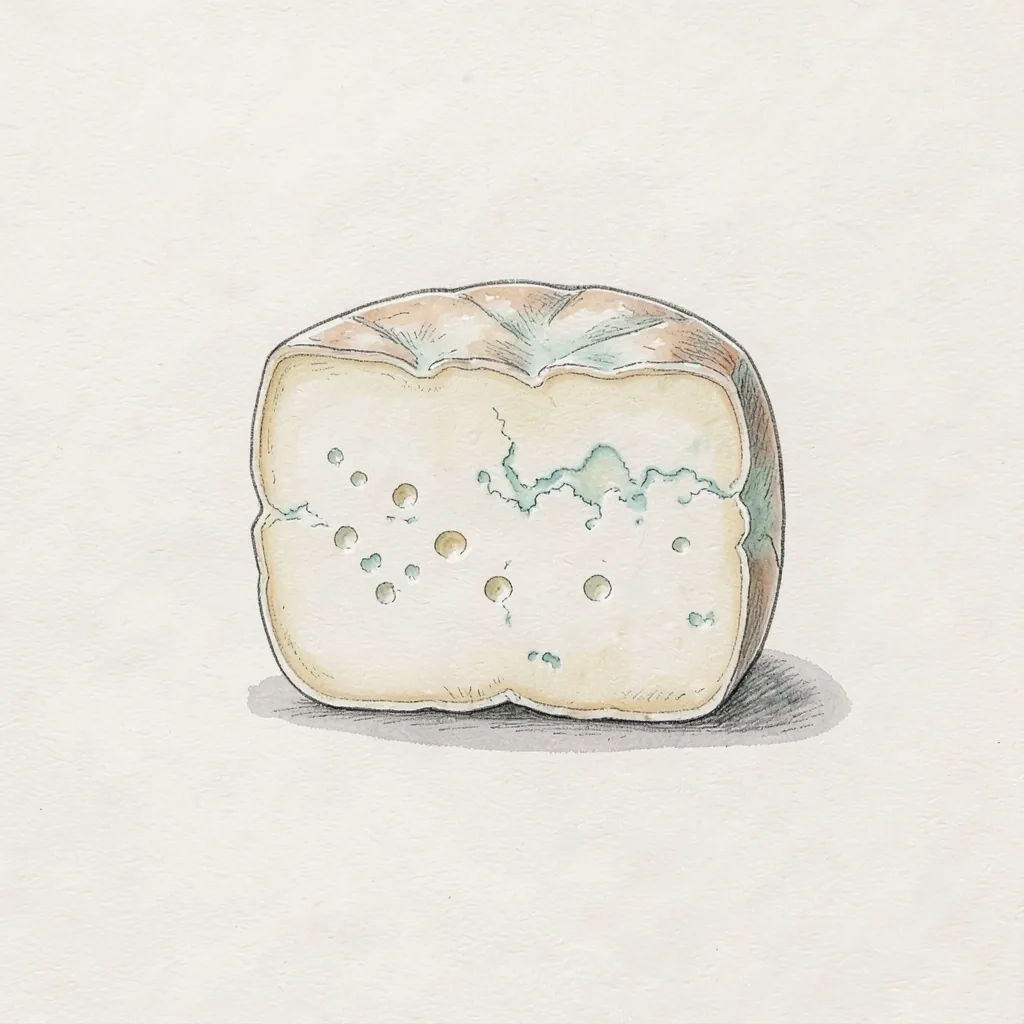
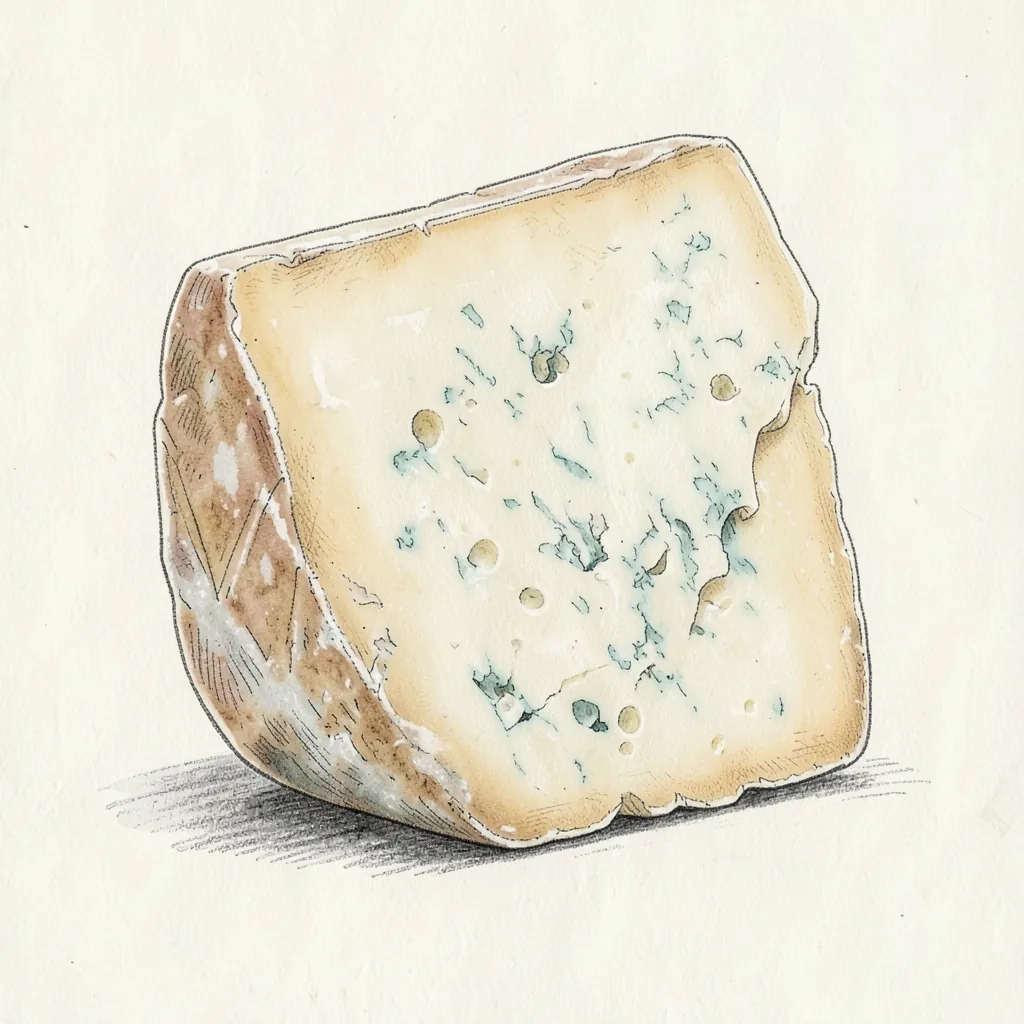
The paste is semi soft and creamy, pale between blue green veins. A moist natural rind covers the cheese, and it can feel slightly sticky. The taste is tangy, salty, and aromatic, with a spicy edge that stays milder than a very old Stilton. It is a British blue for the board and the kitchen, not a hard cheese for a grater.
The style was shaped as a creamier relative of the traditional English blue. Makers aimed for a moist body that yields under a knife and still shows clear veins. You will find it in wedges or small wheels where British blues are sold. The flavor is rich, and a little piece is enough on bread. It belongs to the United Kingdom as a country cheese in the broad sense, not to a single village named on a label.
History
Oxford Blue is a modern British blue, made to stand near Stilton in spirit but with a softer, creamier paste. It began in the manner of a classic English blue, then settled into its own recipe. Making has moved between dairies in the United Kingdom, and the cheese is still sold under the same name. There is no ancient monastery tale behind it. The identity is the creamy cow's milk blue, not a founder story.
The cheese joined other British blues that favor a rich paste over a dry crumble. Cow's milk and a moist rind stayed part of the style, and the veins were meant to be clear without making the cheese fierce. Counters offer it to people who want a blue that still feels lush. The name can suggest one famous place, but the country of the cheese is the United Kingdom. The recipe is what you taste, not a village legend.
How it is made
Makers set cow's milk with rennet and introduce blue mold so veins can form later. The curd is cut, drained, and put into molds with a looser knit than a dense cheddar, so air can move inside. Salt is added, and the young cheeses are pierced. Those channels let the mold grow into blue green lines. The body is kept moist on purpose, which is why the finished cheese feels creamy rather than chalky.
Ripening continues until the veins spread and the flavor turns tangy and spicy. The rind becomes natural, soft, and a little damp, not a thick dry crust and not a washed orange coat. The paste stays pale between the veins. Makers do not press it into a hard wheel, and they do not cook the curd for grating. The result is a semi soft blue with a sticky rind and a spoonable edge when it is fully ripe.
Taste
Oxford Blue tastes salty, tangy, and lightly spicy, with a creamy sweetness from the cow's milk. The blue mold brings an aromatic, mushroom like note, and the finish can feel warm rather than burning. The main line is dairy, salt, and blue. The paste is moist and can cling to a knife. It is milder than a strong Stilton and fuller than a very young, bland blue, so it sits in a middle ground that many people like.
The rind is edible for people who like a stronger bite, and it tastes saltier and more mushroomy than the center. Paste near the veins is sharper than the pale parts between them. The texture should be soft at the edge, not dry and cracked. A cold slice hides the aroma, so let the cheese warm before you judge it. If the smell is only harsh ammonia, the piece is too old, and a good one smells clean, rich, and clearly blue.
In the kitchen
Put Oxford Blue on a board with pears, walnuts, bread, and a milder cheese so the blue does not take over the plate. Crumble it over bitter leaves, or melt a little into a sauce for steak or mushrooms. It can top a baked potato or a burger. It is too soft and moist to grate well. A small amount flavors a whole dish, because the salt and the mold are concentrated.
For a simple supper, spread a ripe piece on warm toast. Honey or fig balances the tang, and plain bread lets the cheese speak. In a sauce, stir it off a hard boil so the fat stays smooth. It is a poor choice for a long time over high heat, because it melts and runs. Keep the cut face covered in the fridge, and bring out only what you plan to eat.
Around the world
Oxford Blue is known mainly in the United Kingdom and in shops that import British cheese. Abroad it is easy to miss beside Stilton, which has the older fame. The creamy texture is the point to explain to someone who has only met a dry, crumbly blue. It is a cow's milk cheese, so it will not taste like a sheep's milk Roquefort. Treat it as a specialist blue, and buy it ripe, with veins already grown through the paste.
Stilton is the cheese most often named with it, and it is the usual substitute when you want a classic English blue. Stilton is often drier and sharper, so use a bit less if a recipe was written for this creamier paste. Shropshire Blue looks orange as well as blue, so it will not match on the plate. Dolcelatte is an Italian creamy blue that can fill a similar soft role. Gorgonzola dolce is another lush stand-in for sauces and boards.