Cow
What it is
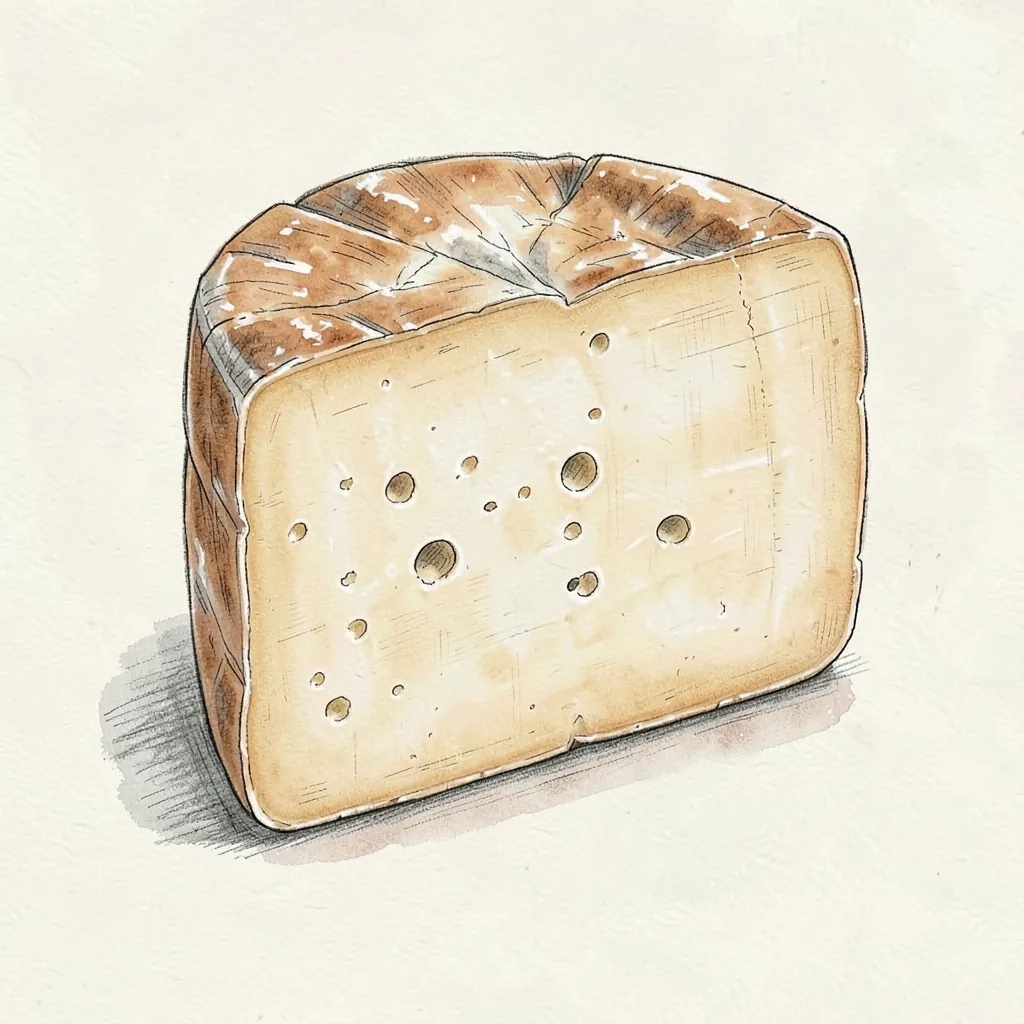
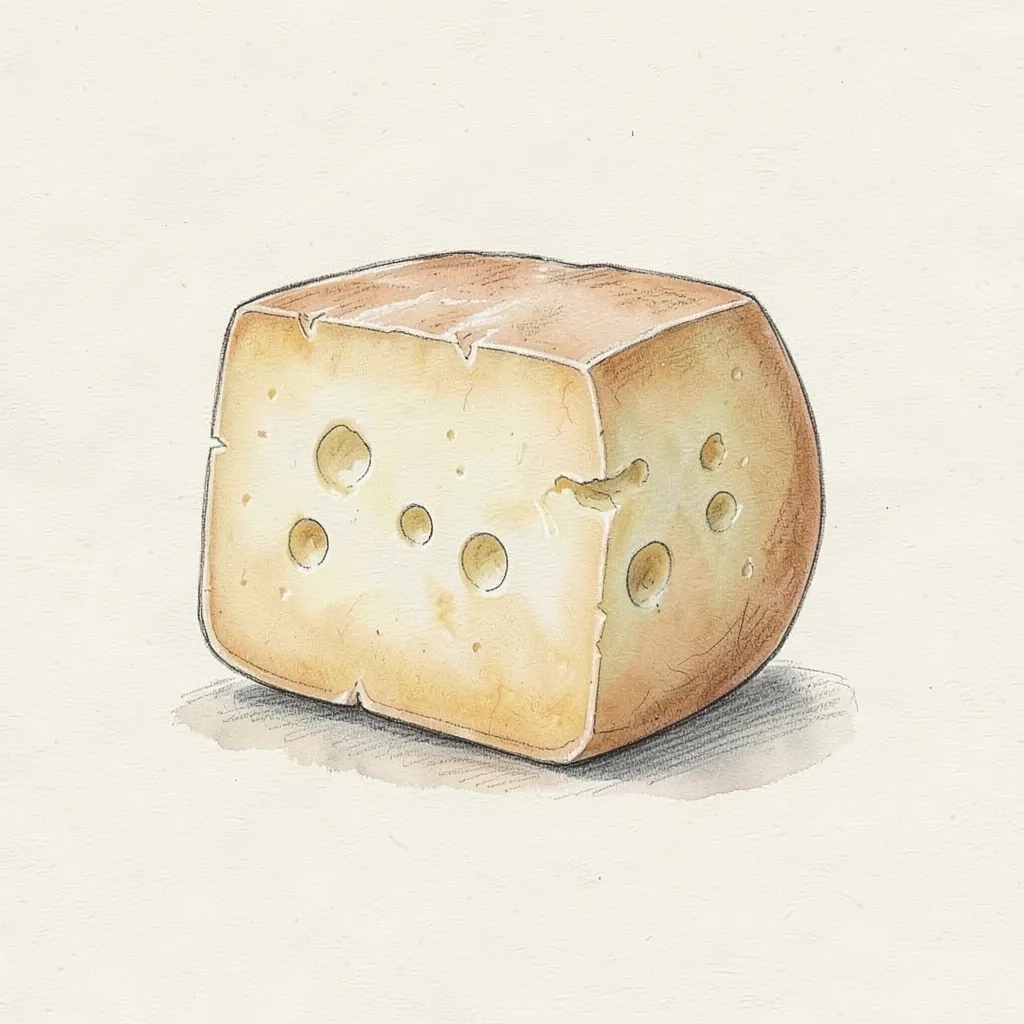
Skimmed milk is soured, warmed until the curds separate, drained, salted, and mixed with the seeds. The cheese is lean and pungent, with no rind and a sharp lactic taste. Norwegians spread it on bread or flatbread, or set it beside boiled potatoes. It is an old everyday cheese, not a mild slicing cheese for a quiet board.
Two textures sit under the same name. One is smooth enough to spread, and that version usually tastes stronger. The other is loose and grainy, with a drier feel and the same sour, salty, caraway character. Both are high in flavor and low in fat because the milk was skimmed. A small spoonful is enough for a slice of bread, and the smell is assertive, so keep the tub covered in the refrigerator.
History
Pultost belongs to the old group of Norwegian sour-milk cheeses. Farm kitchens soured skimmed cow's milk, cooked the curds, and kept the result with salt and caraway. Salt helped the cheese last, and the seeds made a lean food more interesting to eat. It did not need a thick rind or a long rest in a cave. The method stayed in rural cooking, and dairies still make it for shops across Norway.
The cheese was practical food from milk that had already given up its cream. Households could stir a richer dairy product back in if they wanted a softer bite, but the base stayed lean. Grainy and spreadable habits grew up side by side, and both are still sold. The name covers the style, not one estate or one town. Buyers in Norway treat it as a familiar staple rather than a rare festival cheese.
How it is made
Makers start with skimmed cow's milk and let it sour, or they add a souring culture. Gentle heat then separates the curds from the whey. The curds drain until the mass is thick enough to season. Salt and caraway go through the curd, and the cheese matures until the flavor turns sharp. Some batches stay smooth enough to spread, and that path is the stronger of the two common finishes.
A grainy batch is drained further, or handled so the curd stays in loose crumbs instead of a paste. It is still pultost, with the same sour milk and the same seeds. There is no bloomy rind, no wash, and no pressing into a hard wheel. The cheese is ready when the aroma is pungent and the salt tastes balanced. Dairies pack it in tubs, and a farm batch may look rougher and taste a little wilder.
Taste
The first note is sour, then salt, then caraway. The flavor stays in the mouth for a long time, which is why a thin layer is plenty. Spreadable pultost clings to bread and often tastes sharper than the grainy kind. Grainy pultost feels drier and breaks into small curds, but it is still pungent. Neither style is sweet, buttery, or mild, so a person who expects a young creamy cheese will be surprised.
Caraway should taste baked into the cheese, not like a loose sprinkle. The sourness is clean when the cheese is well kept, and it should not turn bitter or moldy. Fat is low, so there is little of the round mouthfeel people get from a rich soft cheese. Cold cheese tastes tighter. Let a spoonful warm on bread briefly if you want the full aroma before you judge it.
In the kitchen
Spread pultost on dark bread, lefse, or flatbread. Butter or sour cream next to it softens the sharp edge if you want a gentler bite. It is a classic partner for boiled potatoes, where the tang cuts the plain starch. Use it as a seasoning more than as a thick blanket, because the taste lingers and it does not melt into a smooth sauce. Crumble the grainy style over a warm dish, and spread the soft style straight from the tub.
Keep other flavors plain. Onion, chives, or a few slices of egg can sit beside it, while sweet chutney usually fights the sour note. On a cheese board, give it a small knife of its own so the smell does not coat every mild cheese. Cover the tub as soon as you finish, and return it to the cold. An open container will scent the whole shelf, so finish it while the aroma is still clean and lively.
Around the world
Outside Norway, pultost shows up in Scandinavian shops and in a few dairies that export Nordic cheese. Read the label for spreadable or grainy, because the two do not feel the same on a knife. If a shop has only one, the spreadable kind is the safer match for bread. Do not substitute a sweet brown whey cheese and expect the same plate. Pultost is sour, seeded, and lean, and those three traits are the test.
Gamalost is the cheese people mix up with it most often. Gamalost is also a lean Norwegian sour-milk cheese, but it is firmer, browner, and usually free of caraway. Nokkelost has caraway, and sometimes cloves, yet it is a semi-hard slicing cheese with a mild base. Neither copy has the soft, pungent spread of pultost. Use gamalost when you want sourness, and nokkelost when you want the seed on a sandwich.