Cow
What it is
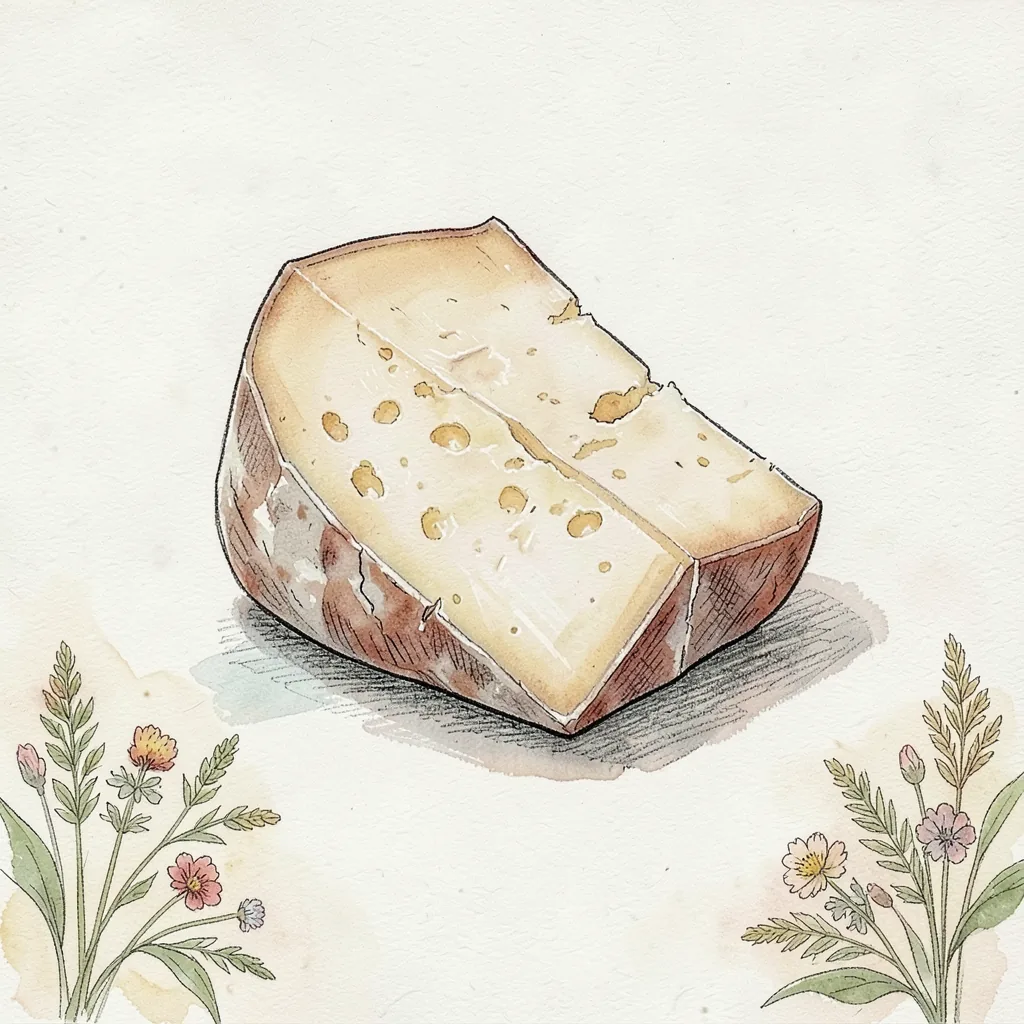
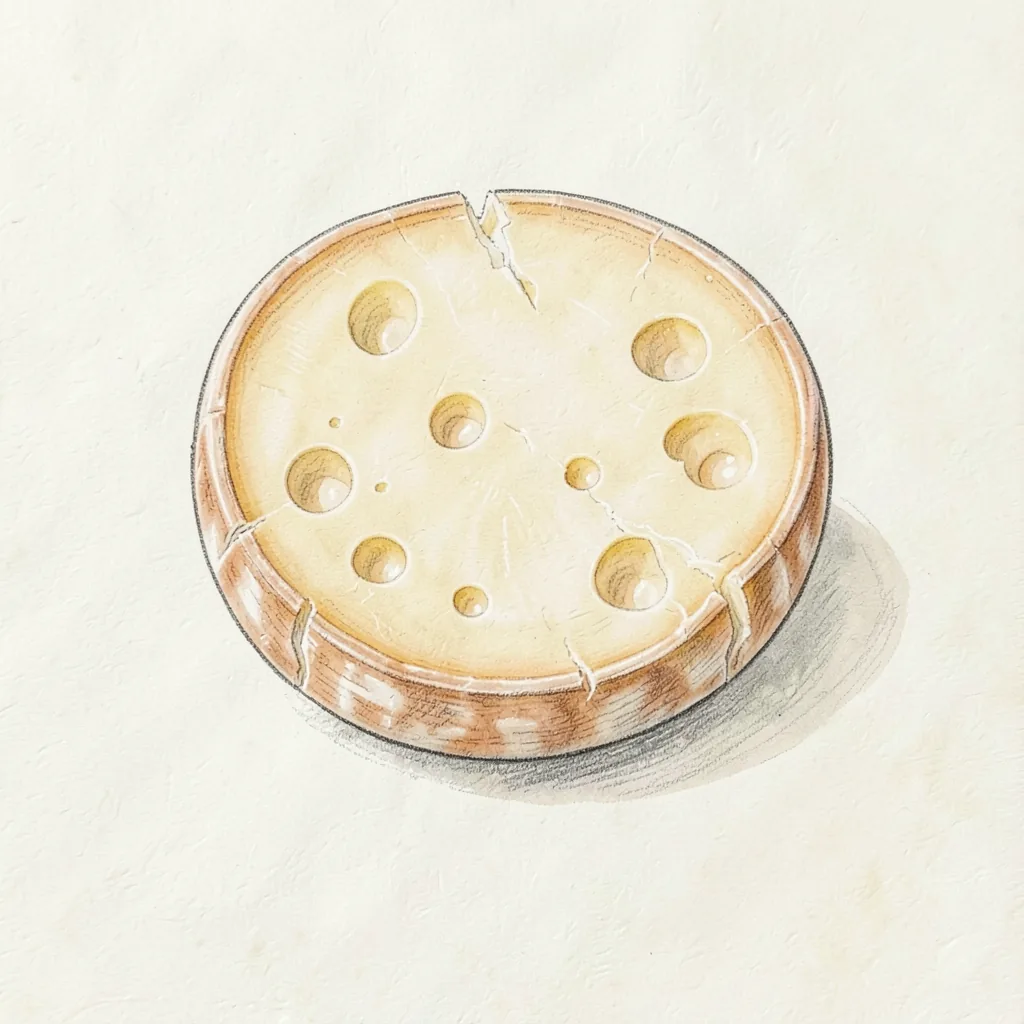
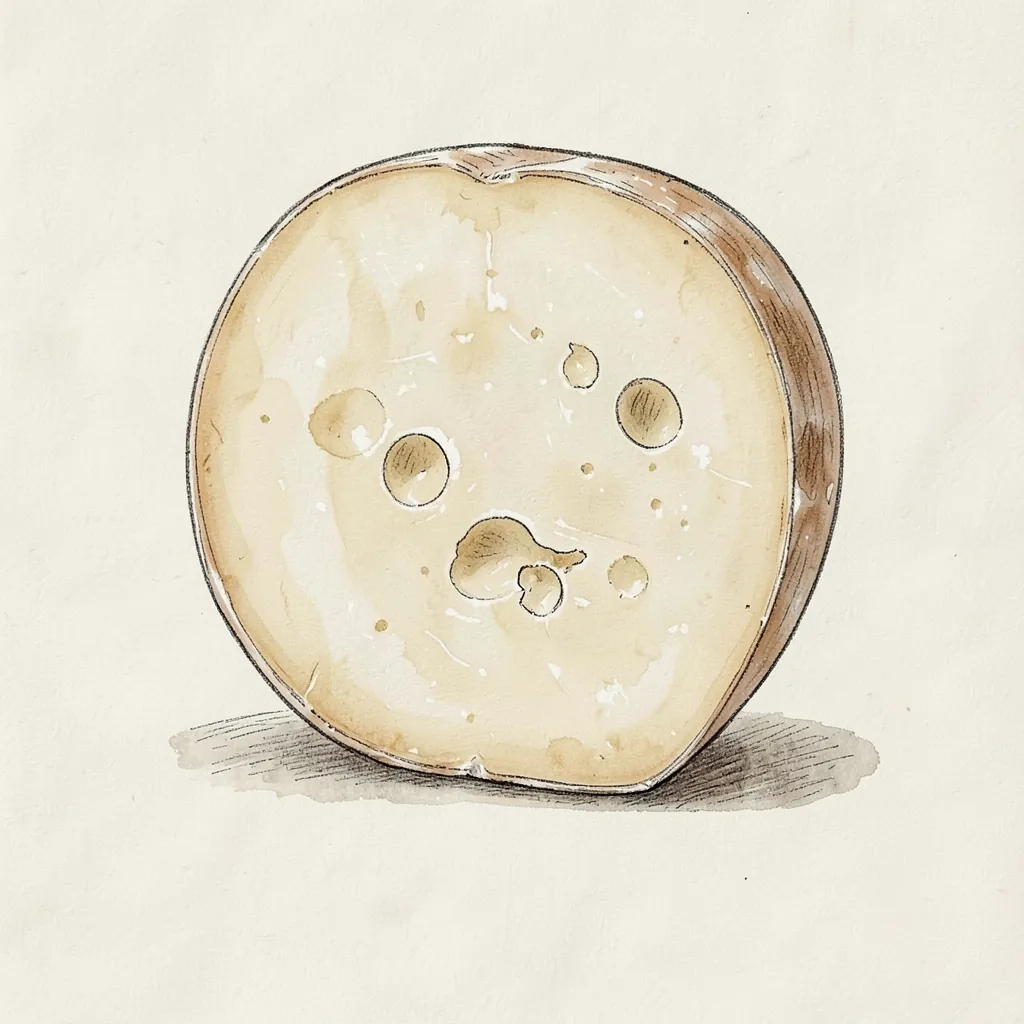
It is made from partially skimmed cow's milk. The wheel is not a plain round. Makers shape it like the Camunian rose, the four-lobed flower carved on rocks in the valley and used as a symbol of Lombardy. A short rest leaves an ivory paste with small, even eyes and a thin rind that carries a light white bloom.
The paste is compact, elastic, and pale, and it softens when it is heated. The taste is gentle and buttery, with a light hint of mountain grass rather than a sharp bite. Salt stays in the background. People eat it as a table cheese with bread, and they also cook with it because it melts without turning oily too fast. A young piece is the usual one in shops, since the cheese is not made for a long aging.
History
The flower in the name is much older than the cheese. The Camunian rose comes from rock carvings in Val Camonica, and today it stands for Lombardy as well as for this valley. Dairies in the valley later used that shape so a local cow's milk cheese would be easy to recognize. The cheese itself is a modern product of those dairies, not an ancient recipe copied from the carvings. Its home remains Val Camonica.
Alpine herds in Lombardy have long supplied milk for table cheeses, and Rosa Camuna sits in that line. It is a semi-hard cheese with a short life, meant for eating soon rather than for grating after years in a cellar. The rose mold marks the wheel, and some pieces also carry the mark of the dairy. Buyers in northern Italy know it as a valley cheese with a clear shape. Outside Italy it is still a specialty, not a standard export wheel.
How it is made
Makers start with cow's milk from the valley and skim part of the cream. The milk is usually pasteurized, then warmed and set with rennet until a curd forms. They cut the curd, stir it, and heat it enough to give a semi-hard paste rather than a fresh soft one. The curd is drained and pressed into molds that form the four lobes of the rose. Salt goes on the surface or into a brine bath.
The wheels then rest for a short time in a cool room, and they are turned so the surface stays even. A light white mold may appear on the thin rind, which is closer to a light bloom than to a thick washed coat. The inside stays ivory or pale straw, with small eyes spread through a compact paste. Aging stops while the cheese is still supple, so it does not dry into a grating cheese. Each finished piece should show the rose outline clearly.
Taste
The first taste is mild, sweet, and slightly tangy. Butter and fresh milk come through, and a faint herbal note recalls the mountain pastures. There is no peppery finish and no strong cellar smell. The eyes are small, so the paste feels even on the tongue rather than lacy. Near the rind the bloom can add a soft mushroom hint, but it does not take over the flavor.
Texture matters as much as flavor. A cool slice is elastic and a little springy, and it does not crumble like a long-aged mountain cheese. Warmth makes it softer and more buttery. The skimmed milk keeps the richness in check, so the cheese tastes clean rather than heavy. If a piece tastes bitter or dry, it has likely been kept too long.
In the kitchen
Slice Rosa Camuna onto soft bread, and add a thread of oil and a little pepper if you want the valley habit. It also fits an aperitif plate with fruit or cured meat, because the taste stays mild. In hot dishes the paste melts into vegetables, polenta, or a simple baked pasta without a sharp edge. Cut the thin bloom away if you prefer a plainer bite. Do not expect the cheese to grate into dry flakes.
Use a young, supple piece for cooking, and keep a cooler slice for the board. Heat should be gentle, or the cheese can oil off and lose its clean milk flavor. It will not brown into a crust the way a drier cheese does. Pair it with plain bread rather than with another strong cheese. Wrap the cut face so the elastic paste does not dry in the refrigerator.
Around the world
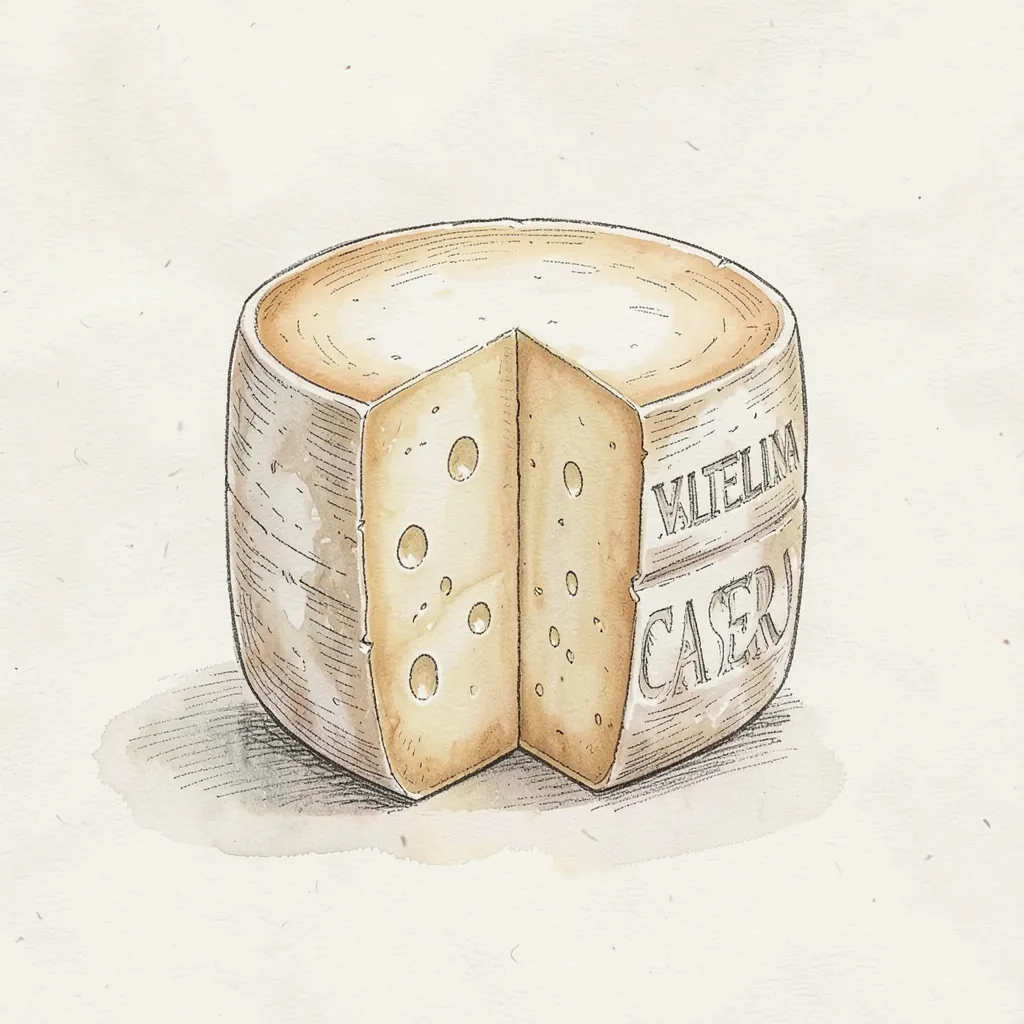
Outside Lombardy, Rosa Camuna is a specialty rather than a standard shop cheese. The rose shape is the easiest clue, together with the Val Camonica name. Silter comes from the same broad mountain country and also uses cow's milk, but it is a different, longer-aged wheel. Valtellina Casera is a neighboring alpine cheese and should not be swapped in without a taste. A plain round with no rose is not this cheese.
Asiago is the practical stand-in when you want a mild semi-hard cow's milk cheese from northern Italy. A young Fontina melts in a similar smooth way and can cover bread or a hot dish. Neither one copies the rose shape or the light bloom. Ask for Rosa Camuna by name if the shape matters to you. Keep it cool, and eat it while the paste is still supple.