Cow
What it is
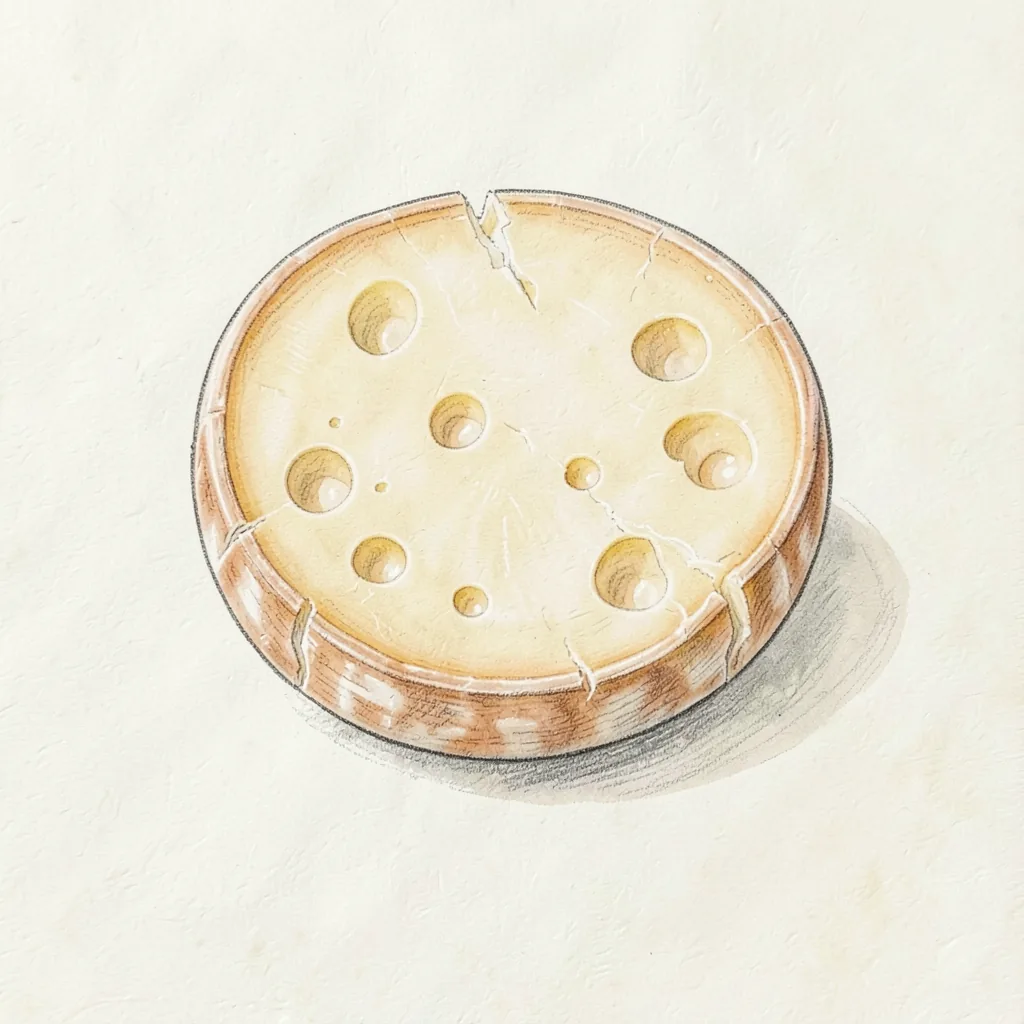
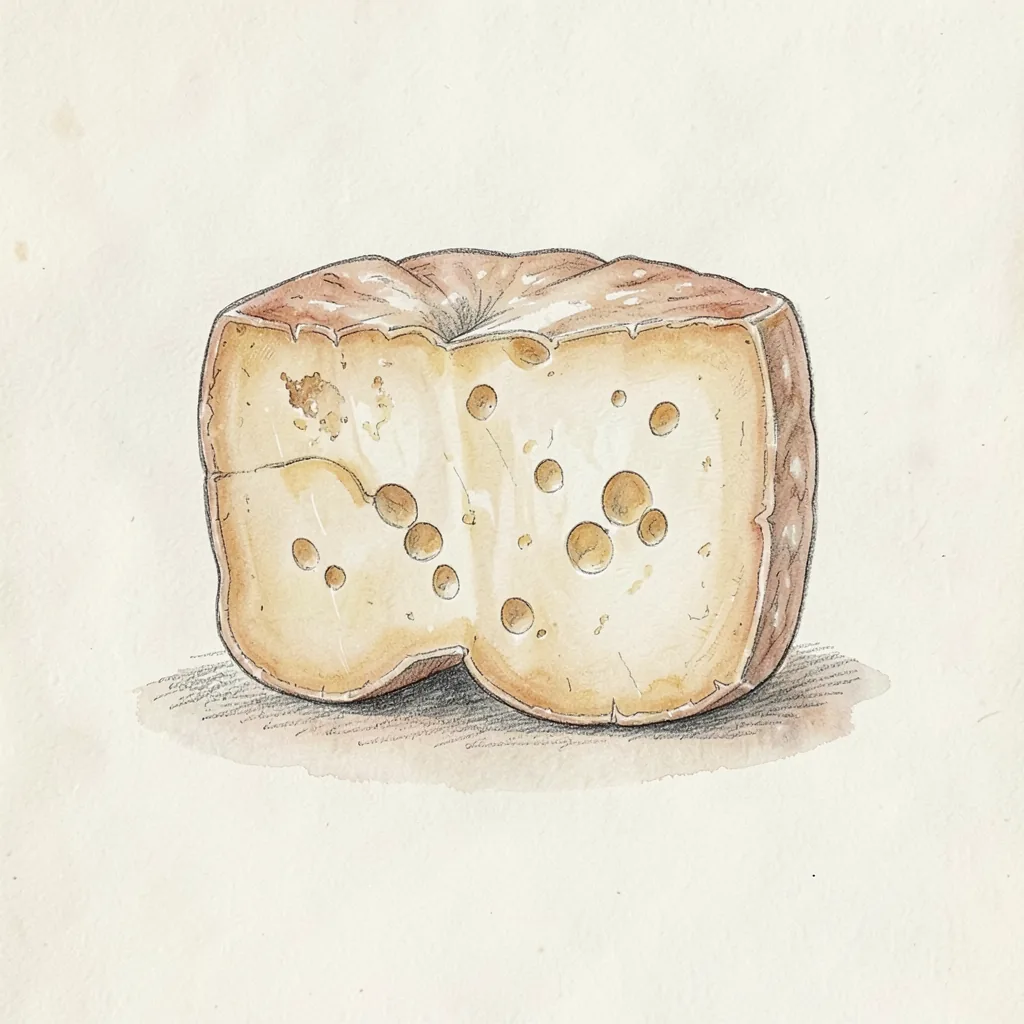
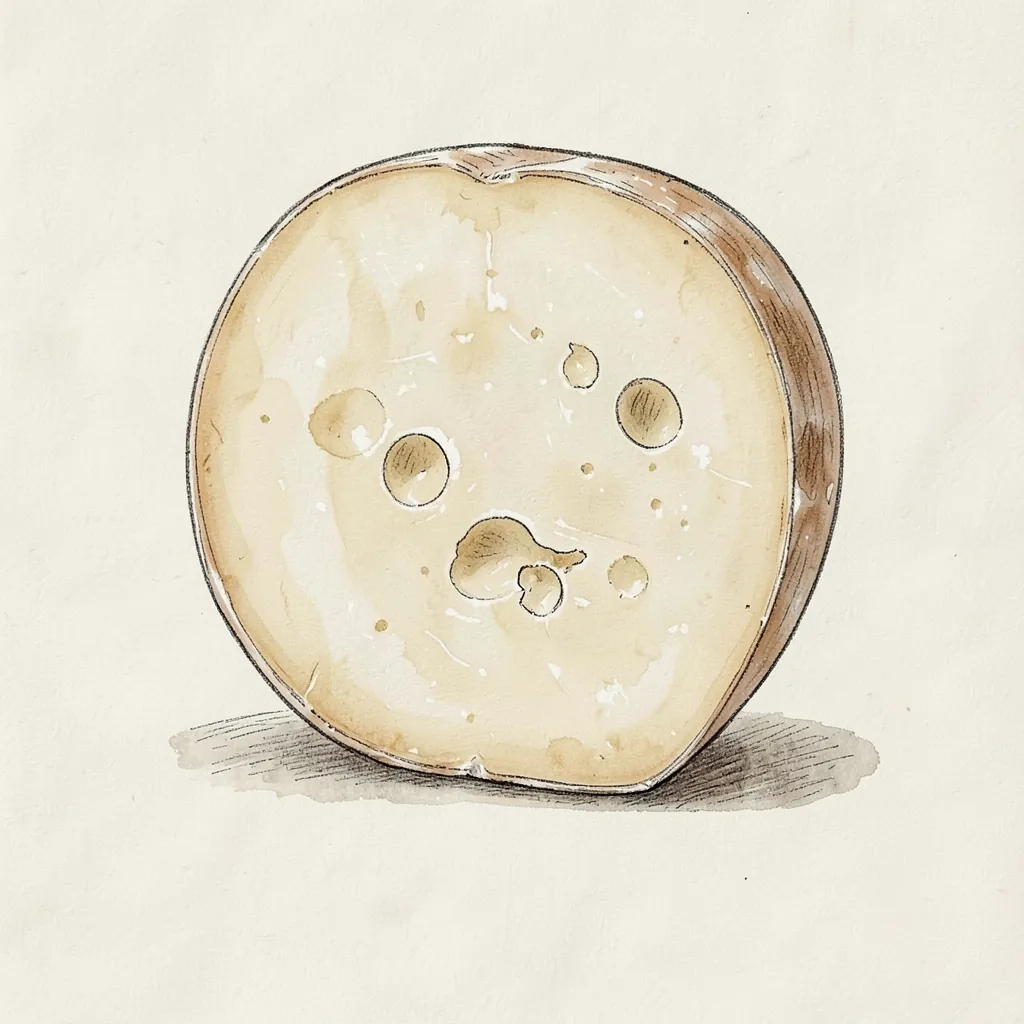
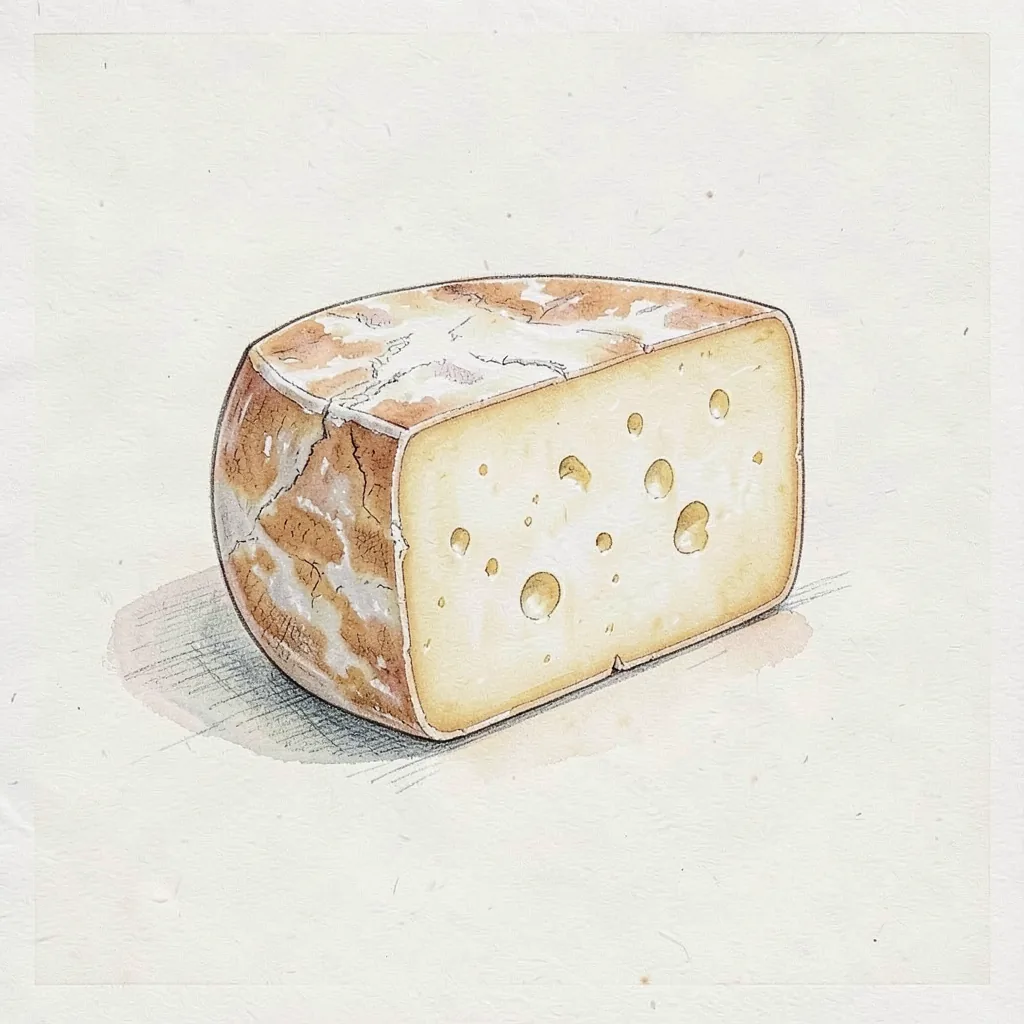
Makers use partly skimmed milk, cook the curd, and press it into a wheel with a firm straw-colored rind. The paste is elastic, white to pale straw, and usually dotted with small eyes. Young wheels are sweet and mild. Older wheels turn more aromatic and can be grated.
Casera refers to the cellar or dairy room where wheels were aged, and the cheese still finishes in that kind of room. The flavor starts milky and sweet, then picks up dried fruit and the scent of hay as it ages. It melts into a smooth mass without losing all of its body, which is why local cooks rely on it. Polenta and buckwheat pasta are the classic partners. A mature piece also works on a board or over a hot dish from the grater.
History
Dairy work in the Valtellina has long used cow's milk from animals fed on local forage. Casera grew up as the valley's everyday wheel, aged in the rooms that gave it a name. It was food for the table and for the pot, not a rare show wheel. The protected name later fixed the link between the valley, the milk, and the method. Wheels from outside that area cannot borrow the name, even if the recipe looks similar.
The cheese shares its valley with other dairy traditions, but Casera is the one tied to cellar aging of partly skimmed milk. Cooks built famous local dishes around its melt, and that kitchen role kept demand steady. It stayed less known abroad than some bigger Italian names. A mark on the rind became the buyer's check. The story is agricultural and practical, and it does not depend on a single founder or a single family firm.
How it is made
Milk from more than one milking is partly skimmed before it is set. Calf rennet coagulates it, and the curd is cut fine, about the size of a maize grain. The curd is then heated so the texture will be semi-cooked and able to hold together. Makers pack it into molds that carry a mark of origin and press the wheels. Salting follows, and the finished form is a broad, regular cylinder with a straight side.
Aging takes place in cool rooms, the modern version of the old casera. Wheels are turned and cared for until the rind is firm and straw yellow, darker as time passes. The paste stays elastic, with small scattered eyes, rather than becoming a dry granular block at the usual stage of sale. Longer aging deepens the aroma for those who want a grating cheese. The milk must come from cows fed mainly on forage from the production area, and a quality check comes before the wheel is fully marked.
Taste
Young Valtellina Casera tastes sweet, milky, and gentle, with a light aroma of fresh grass rather than a sharp bite. On the palate the paste is supple and slightly moist, not chalky. Salt is balanced, so the cheese can sit in a rich dish without dominating every bite. Eyes are small and sparse. The rind is firmer than the paste and is not the part you eat for pleasure.
Time in the cellar changes the same cheese rather than making a new one. Mature wheels smell more of dried fruit and of dried forage, and the taste grows stronger while it stays fundamentally sweet. The paste becomes a little less elastic and more suited to thin shavings or a grater. It should not turn bitter or soapy. If the aroma is only harsh, the wheel was stored badly, but a good aged piece still reminds you of milk.
In the kitchen
The defining dish is pizzoccheri, a buckwheat pasta cooked with potatoes and cabbage, then folded with this cheese so it melts into a creamy coat. Casera is chosen because it melts and still has flavor, instead of turning into plain grease. Polenta taragna, which mixes corn and buckwheat, uses the same melting quality. Thin slices can also dress vegetables or a simple soup. Use the younger, more elastic wheel for these dishes.
On a board, serve a younger wheel with bread and a light red wine from the mountains. An older wheel can be shaved over risotto, vegetables, or a meat sauce near the end of cooking. It is not as dry as a long-aged grana, so do not expect the same powdery grate. Cubes can go into a salad if the piece is still mild. Keep leftover cheese wrapped, because the paste dries at the cut face and loses the sweet milk note.
Around the world
Inside Italy, Valtellina Casera is a known protected cheese, especially wherever pizzoccheri is on the menu. In Lombardy it is a normal shopping item, not a curiosity. Abroad, it appears in Italian delis and in shops that stock alpine cheeses, though less often than Fontina or Parmigiano Reggiano. Cooks who learn the pasta dish go looking for this wheel in particular. If the rind mark is missing, the cheese may be a similar style without the protected name.
Fontina is the common substitute when a recipe needs a nutty alpine melt and Casera is unavailable. A young Asiago or Montasio can cover the table-cheese role, and a firmer aged wheel can cover light grating. The swap will change the dish, because those cheeses are not from the same valley and are not skimmed in the same way. For the traditional pasta, it is worth seeking the real wheel. Other melting cheeses are useful, but they are not the same ingredient.