Cow
What it is
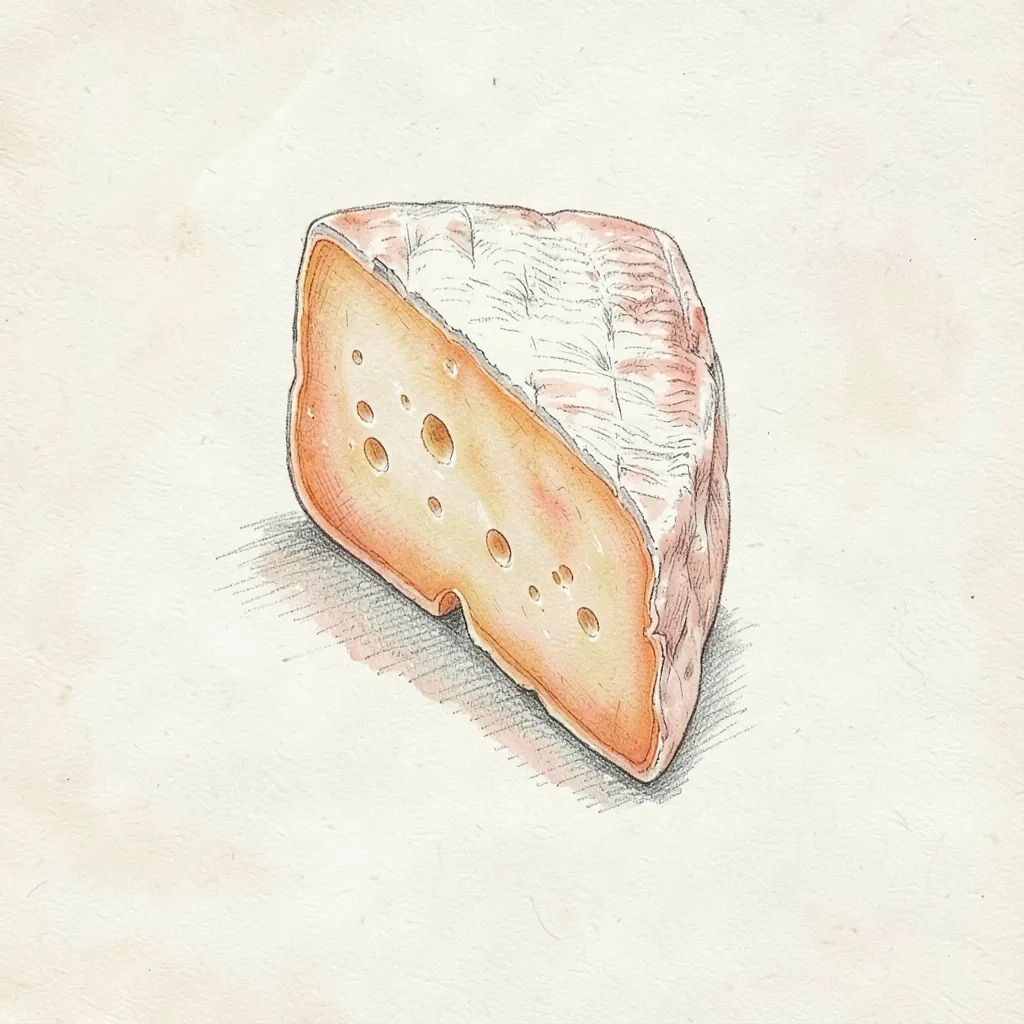
It is a modern creamery cheese, not an old farmhouse wheel with a long village history. The paste is mild and creamy, and the rind is washed until it turns a warm orange brown. Makers shape the large cheese like a flower, with petals around an open center. A smaller version keeps a solid middle and is easier to cut for one household.
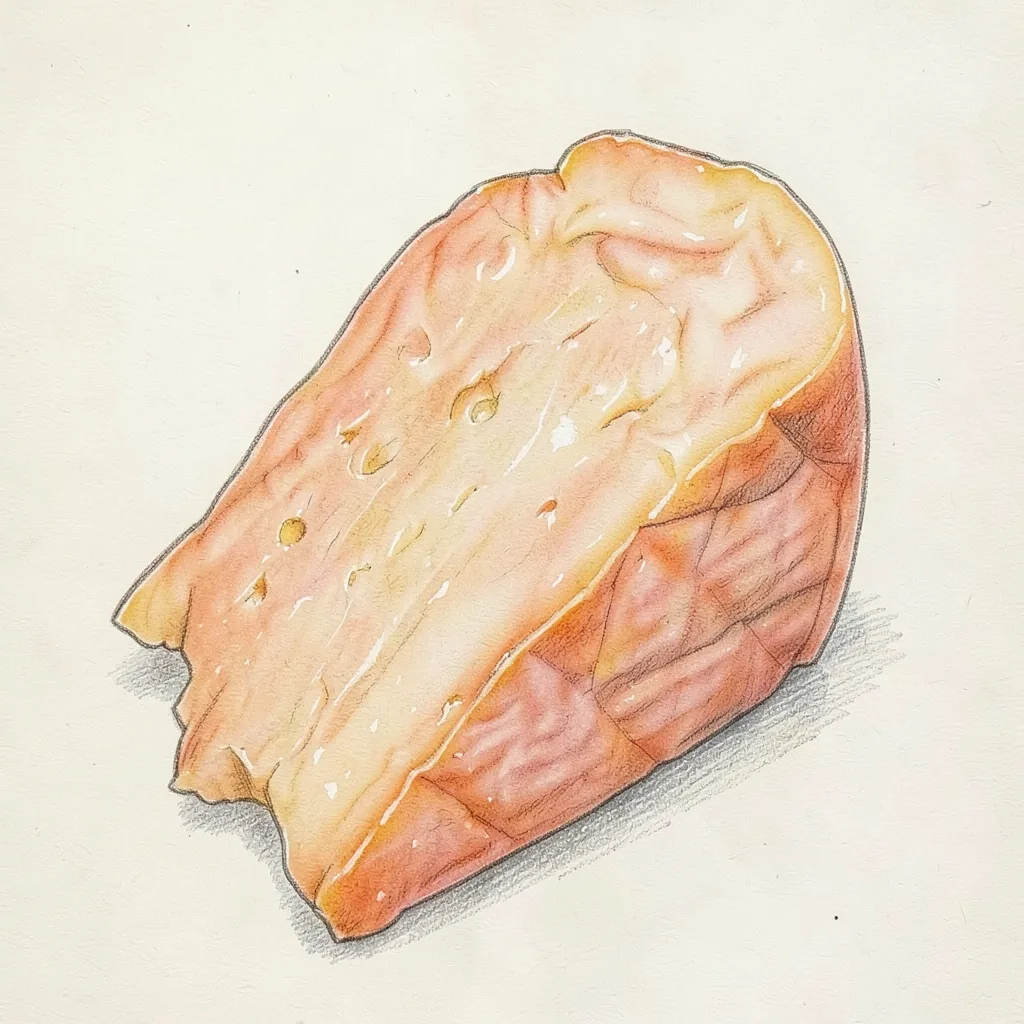
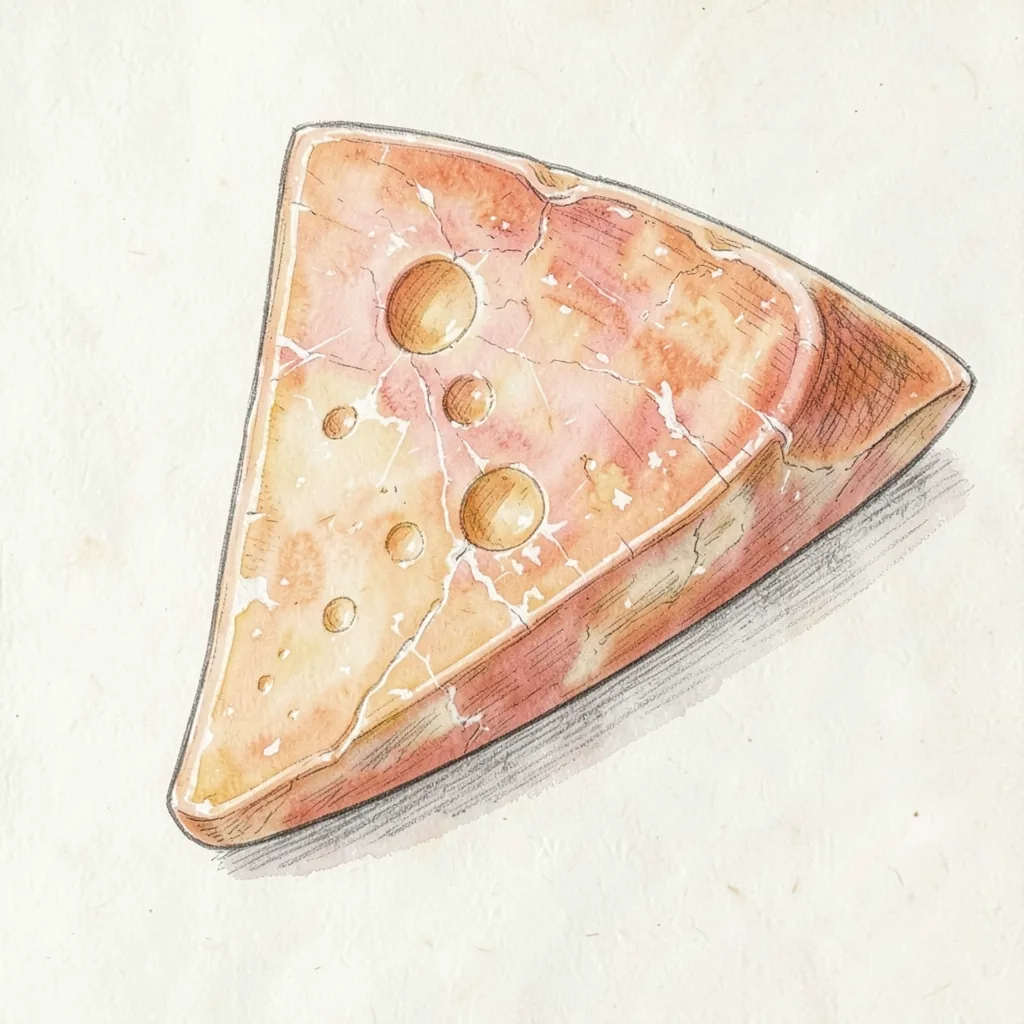
The flower shape is the easiest way to recognize Saint Albray on a shop counter. Each petal can be cut away and shared, which makes the cheese a practical piece for a table. The flavor stays gentle when the cheese is young, with cream, butter, and a light nutty note. With a little more time the taste grows fuller and more savory, in the way of other washed-rind cheeses. The rind is edible, and many people eat it with the paste.
History
Saint Albray does not come from a medieval abbey or from one famous dairy village. It was developed in France as a branded soft cheese, and dairies still make it from pasteurized milk. The flower form was part of the idea from the start, so the cheese would look different from a plain round. Shops in France have carried it for decades as an everyday washed-rind cheese. The public story is the shape, the milk, and the mild taste, not a long farmhouse legend.
The brand sits with other modern French soft cheeses that were designed for wide sale. It kept a washed rind and a creamy paste while the outline did the advertising. Large flowers and smaller solid rounds now share the name, so the label and the size both matter. Nothing about the cheese depends on one place name alone. Buyers meet it as a supermarket and cheese-counter cheese in France, and as a specialty import elsewhere.
How it is made
Pasteurized cow's milk is set, and the curd is cut and drained until it is soft and moist. The curd is shaped so that pieces sit like petals around a center. On the large format, that center is open, which lets the cheese ripen toward the middle as well as from the outside. The surface is washed during a short ripening, and that washing builds the orange rind. Salt and time do the rest, with no blue mold and no thick natural rind.
A smaller cheese is made with a filled center, so it looks like a flower but cuts like a compact round. Both formats use the same mild cow's milk base. The ripening is brief compared with a hard alpine wheel, which is why the paste stays soft and the flavor does not turn sharp. Creamery production keeps the shape and the taste steady from one batch to the next. The result is a sharing cheese, not a grating cheese.
Taste
A young piece tastes of cream, melted butter, and a little salt, with a sweet nutty edge. The paste is soft and yielding, not chalky, and it should not smell of ammonia. The washed rind adds a gentle savory aroma, milder than a very strong washed-rind cheese. As it ages, the center becomes softer and the flavor a bit fuller. If the rind smells harsh or the paste is dry and cracked, the cheese is past its best.
The open center on a large flower is not a flaw, and it is part of the shape. The paste near that opening should still taste clean and milky, and petals from the same cheese ought to match one another. A bitter finish or a soapy note means the piece was stored poorly. Serve it less cold than the fridge, because a chilled slice hides the butter and the light nut flavor. The rind can stay on the bite if you like its savory edge.
In the kitchen
Saint Albray belongs on a board with bread, nuts, and a mild fruit such as pear or apple. Cut along the petals so each person gets a piece of rind and a piece of paste. At room temperature it can be spread on toast, and it also softens in a warm tart or over potatoes. Do not expect it to stretch like a spun-curd cheese. Keep the seasoning light, because a strong spice will cover the mild cream taste.
The cheese is rich enough that a thick slice is plenty beside salad leaves or a simple omelet. It can melt into a sauce if you add it off a hard boil and stir, but it will not behave like a dry grating cheese. Pair it with a light red or a mild white, and with walnuts rather than a fierce pickle. Wrap the cut face so the soft paste does not dry. Finish an open flower within a few days.
Around the world
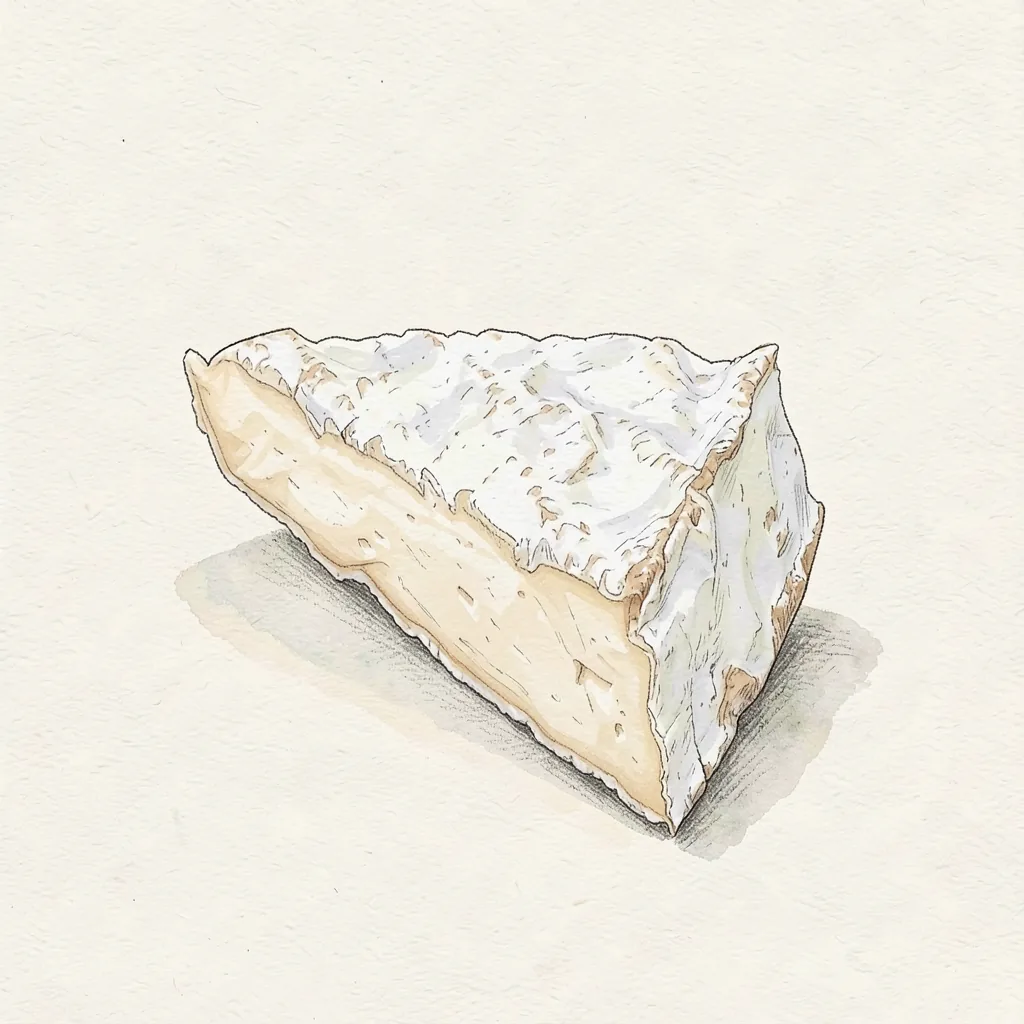
Outside France, Saint Albray shows up in shops that stock French soft cheeses, often as a whole flower or a pre-cut wedge. The shape travels well as a gift cheese because people notice it at once. Buyers who want a stronger washed rind may prefer Munster, and buyers who want a white bloomy rind may prefer Brie. The name is a brand style, not a village you visit for a farmhouse tour. If the label is missing, the flower and the orange rind are the clues.
Import counters sometimes sell only the small solid version, so do not assume every piece has a hole. Either format is the same cheese in the kitchen if the paste is soft and the rind is washed. Chaumes is a nearer everyday stand-in than a hard French tomme, because it is also mild and creamy. Pont-l'Évêque is a more traditional washed-rind choice when you want depth. Tell a shop the shape you expect, or the wedge in the case may surprise you.