What it is
The same word is an old name for a country person, and the brand uses that rural sense on its dairy foods. Under the name you can find fresh cheese, firmer cured pieces, and requeijão. The pieces are often small cylinders or modest blocks for the table. It is a shop brand, not one farmhouse wheel with a single fixed recipe.
The fresh side is soft, moist, and mild. A cured piece is firmer, with a pale paste, a light tang, and an aroma that can recall fresh cream. Salt and a short rest give the cured cheese a clean savory taste rather than a long aged bite. Requeijão in the same range is spoonable and mild. Because several cheeses share the brand, read the label for fresh, cured, or requeijão before you choose how to serve it.
History
Saloio grew as a commercial name in Portugal, and it still sells through ordinary grocery channels. The brand covers more than one cheese, which is why one age or one shape never fits every pack. Fresh cheeses, cured cheeses, and requeijão sit together in the line. The rural word behind the name points to simple countryside food meant for bread. The name is a brand, so it is not a single village recipe locked to one farm.
Portuguese table cheese includes many regional styles, and this brand fills an everyday role without being one of the famous rich cheeses. Makers pasteurize the milk for retail pieces and keep the make regular through the year. The cured style in the line is a short-aged cylinder with a thin outer coat. The fresh style is sold to be eaten soon. Shoppers abroad may see only one of those products, so judge the pack in your hand.
How it is made
For the fresh and cured cheeses, milk is pasteurized, set with cultures and rennet, and drained. Salt goes in, and the curd is placed in small molds. Fresh cheese is packed while it is still moist and soft. Cured cheese stays long enough to hold a slice, then rests until the paste settles and the outside dries a little. A thin coat may cover the cured piece, and the aim is a clean dairy taste rather than a pungent rind.
Saloio also sells requeijão, a soft mild dairy food eaten with a spoon. That product is not the same curd as the sliced cheese. Across the line, the dairy uses ordinary commercial steps and dated packs, rather than a long cave age. You will not see blue veins or a washed orange crust on the usual pieces. Read the pack for fresh or cured, because that choice changes the texture more than a small change in the mold.
Taste
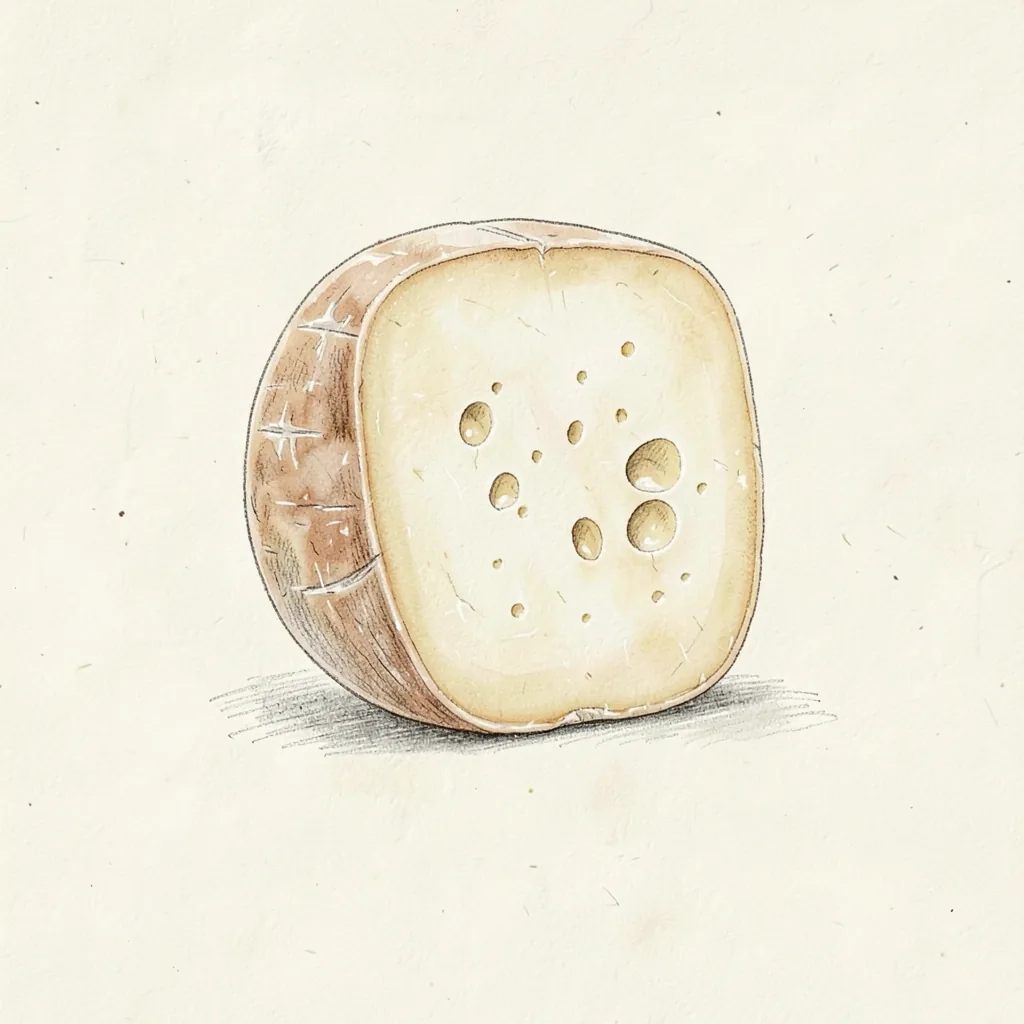
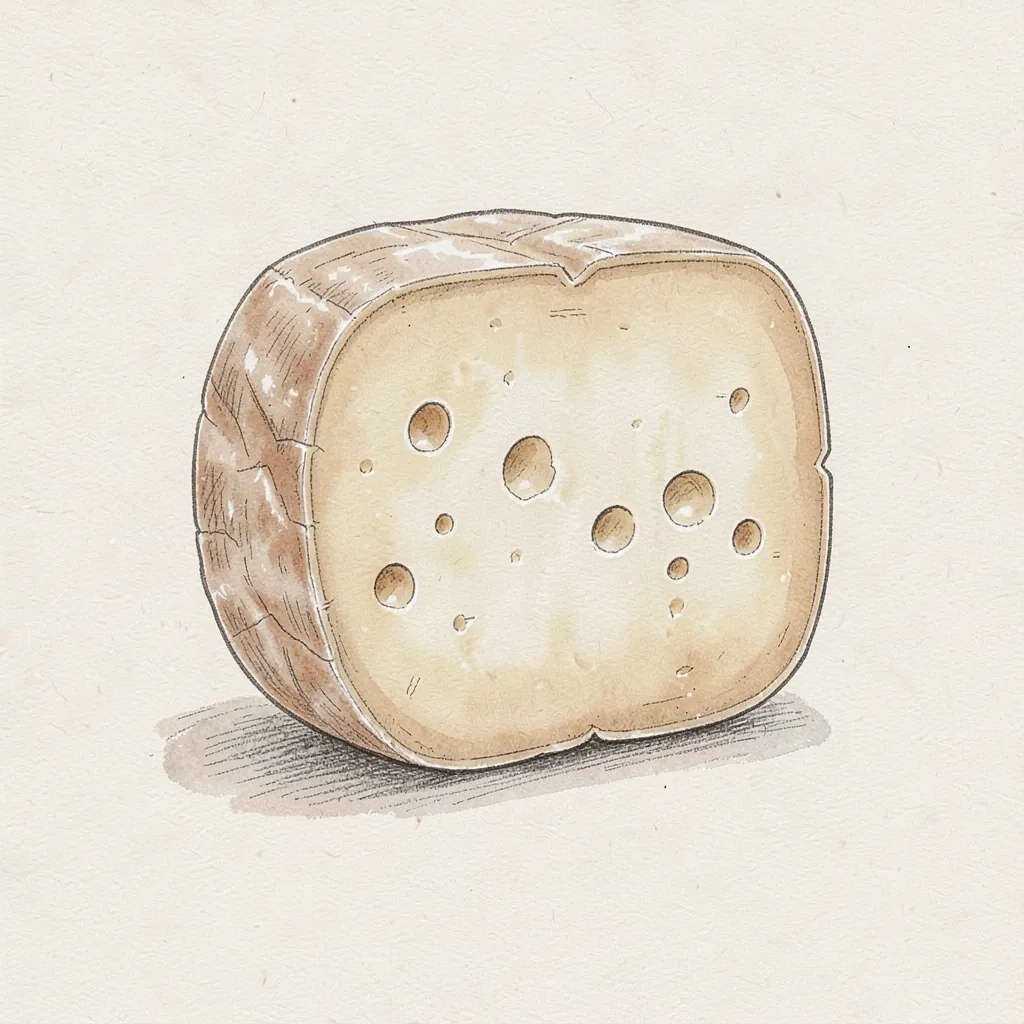
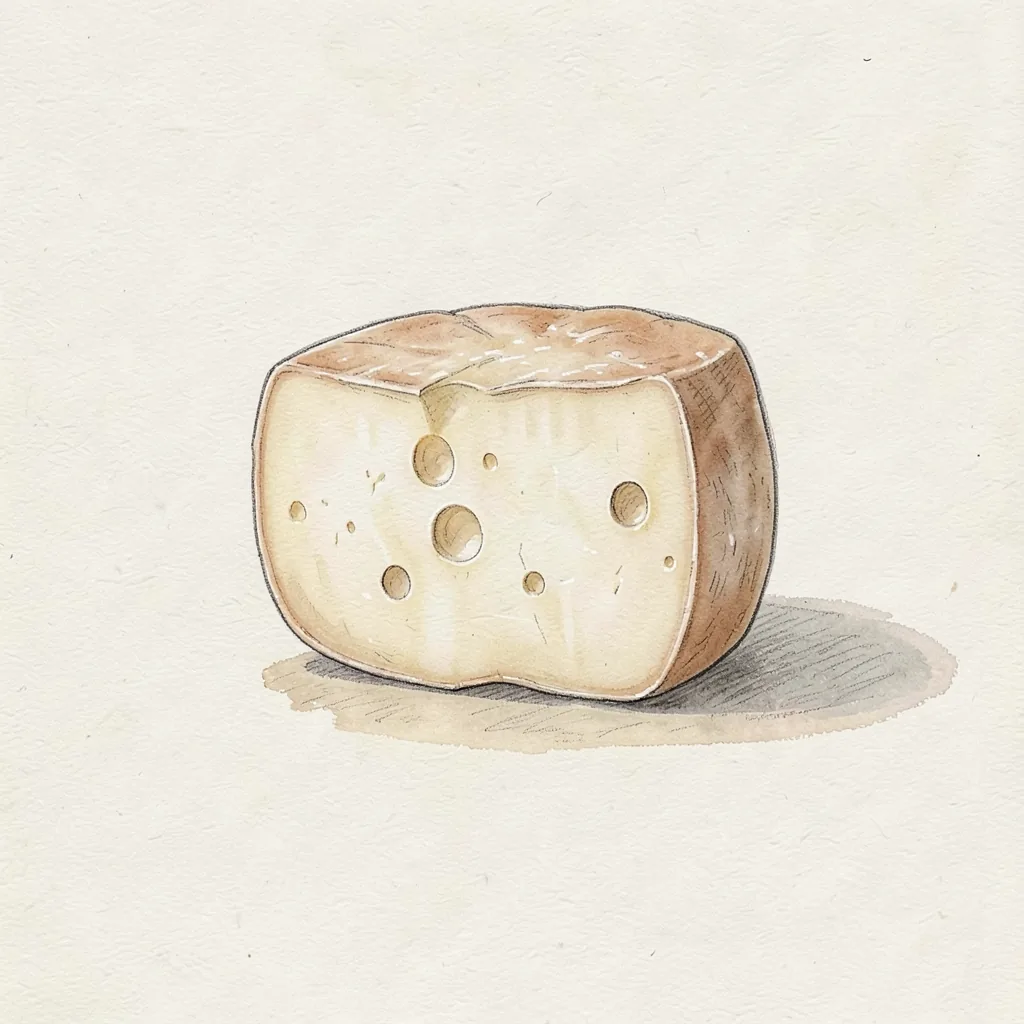
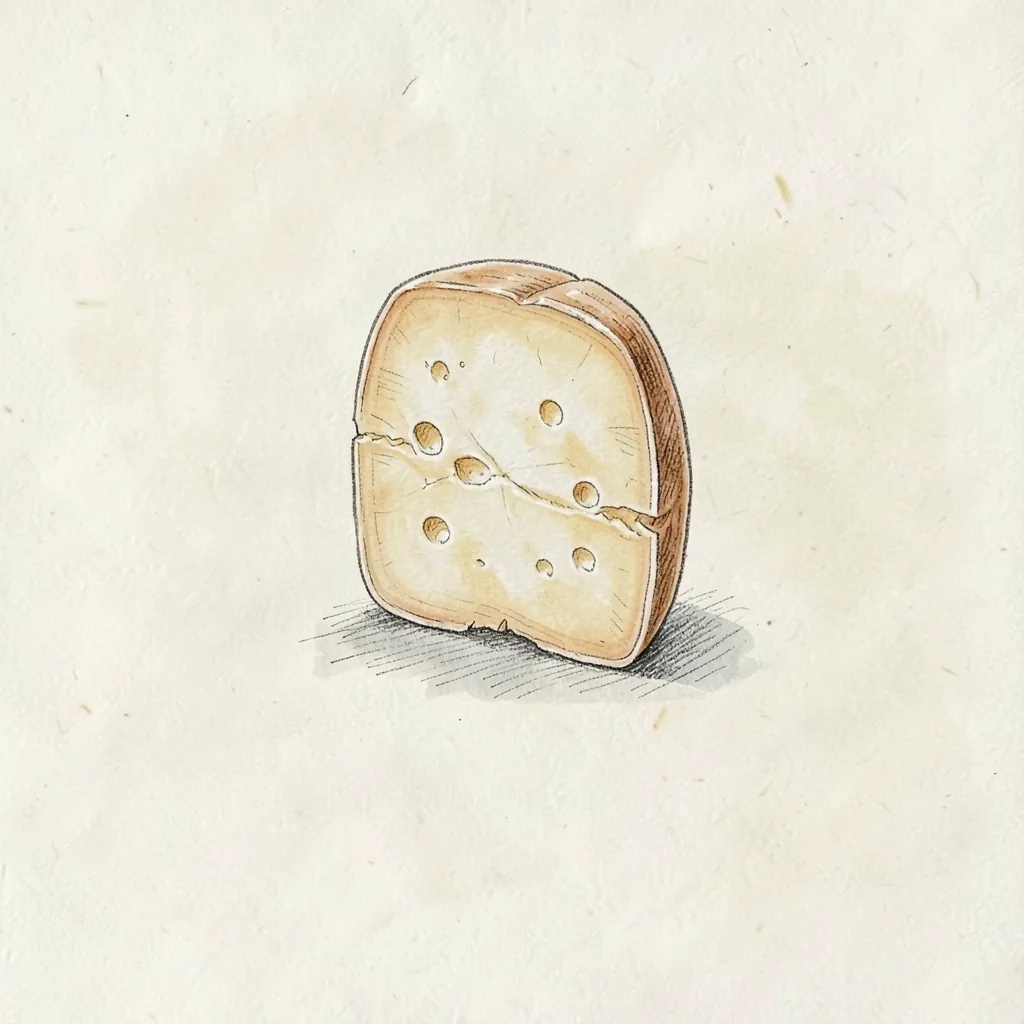
Fresh Saloio tastes milky, lightly sour, and soft, with little rind character. The cured style smells of fresh cream, and the flavor is fresh, slightly acidic, and mildly salty. The paste is pale, and small eyes may show in a slice. It is not sharp, smoky, or bitter. A piece at room temperature tastes fuller than a cold slice, and the finish stays short and clean.
Requeijão from the brand is milder and gently sweet in a dairy way, and it feels moist on a spoon. It should not taste yeasty or harsh. If a fresh pack smells sharply sour, or the cured paste is dry and cracked, the cheese is past its best. Herbs are not part of the plain products, so any extra flavor comes from the cook. The brand style is approachable, the sort of cheese people set out with bread.
In the kitchen
Slice the cured cheese onto bread, or lay it on a salad of tomato and leaves. Serve it as a starter or a simple last course with fruit. The fresh cheese can be spread or broken over warm vegetables. Requeijão is for spooning, not for grating. None of these gives a stretchy pizza pull, and gentle heat can soften a slice, but a very hot oven will make it oily.
Let sliced cheese sit out briefly before a meal. Keep the packs cold, and cover a cut face so it does not dry or pick up smells. The cured cylinder cubes neatly for a snack board, while the fresh cheese is better the day you open it. If a Portuguese recipe calls for a mild table cheese, the cured Saloio style fits better than a long-aged hard cheese. If it calls for a spoon cheese, use the requeijão and not the slice.
Around the world
Saloio is well known in Portuguese shops and much less known in other countries. Export packs exist, but many grocers abroad will not have the brand. People sometimes treat every Portuguese cheese as a rich spoonable specialty, and this brand is milder and more ordinary than that. A cured piece behaves like a small everyday cheese with bread. A fresh piece behaves like a soft cheese for breakfast or a salad, so match the pack and not only the country.
Queijo de Nisa and Castelo Branco can stand in when you need a Portuguese slice for bread and a board. Serra da Estrela is richer, softer at the center, and a poor match for a firm little cylinder. Another maker's requeijão covers the spoonable side of the Saloio line. If the brand is missing, choose a mild short-aged cheese rather than a sharp aged one. The name Saloio on the label is what ties the piece to this brand.