Cow
What it is
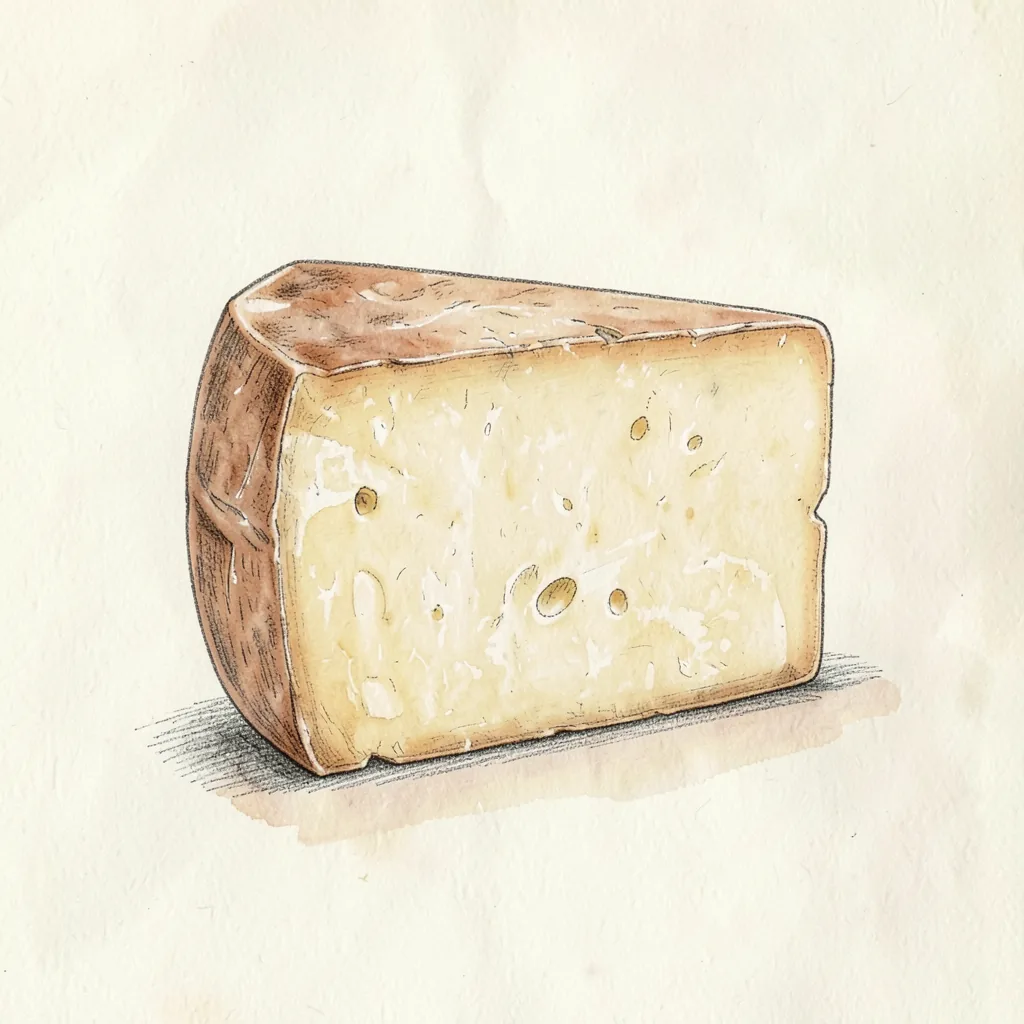
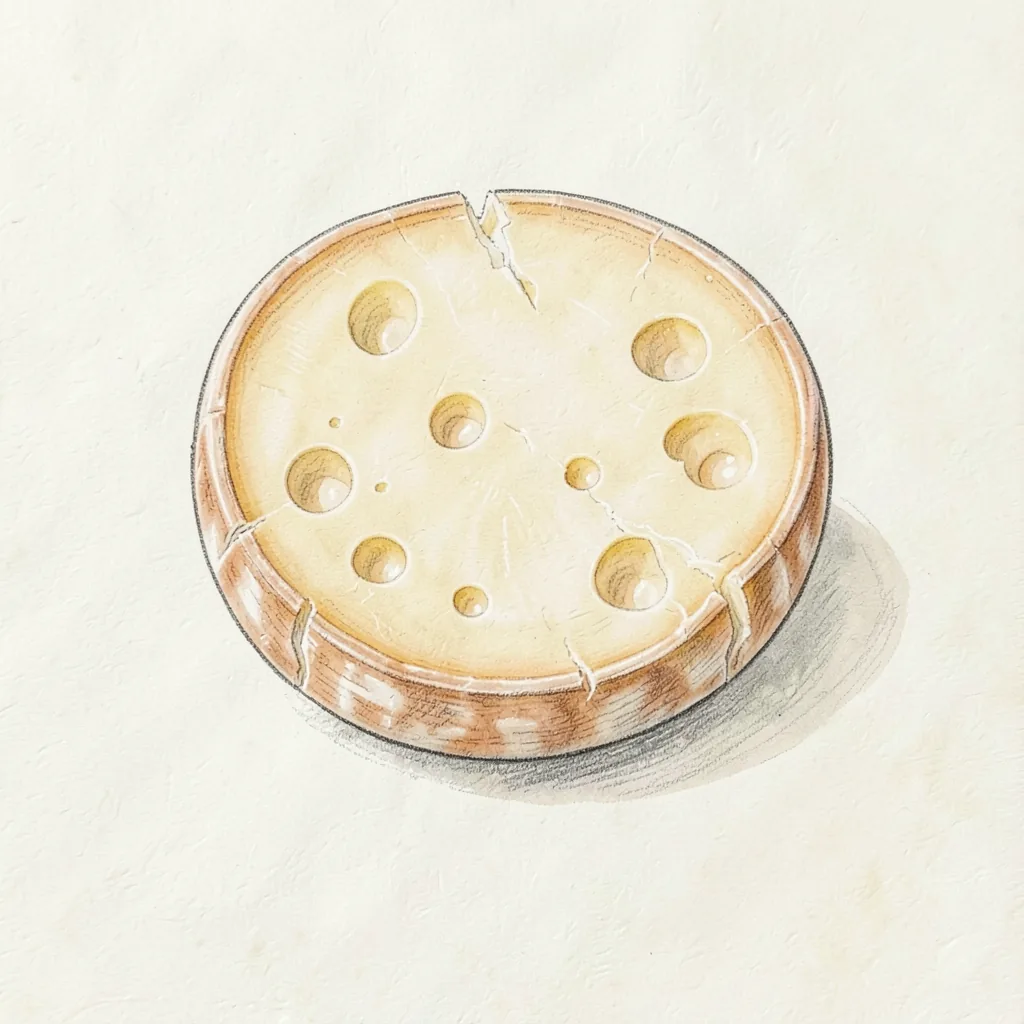
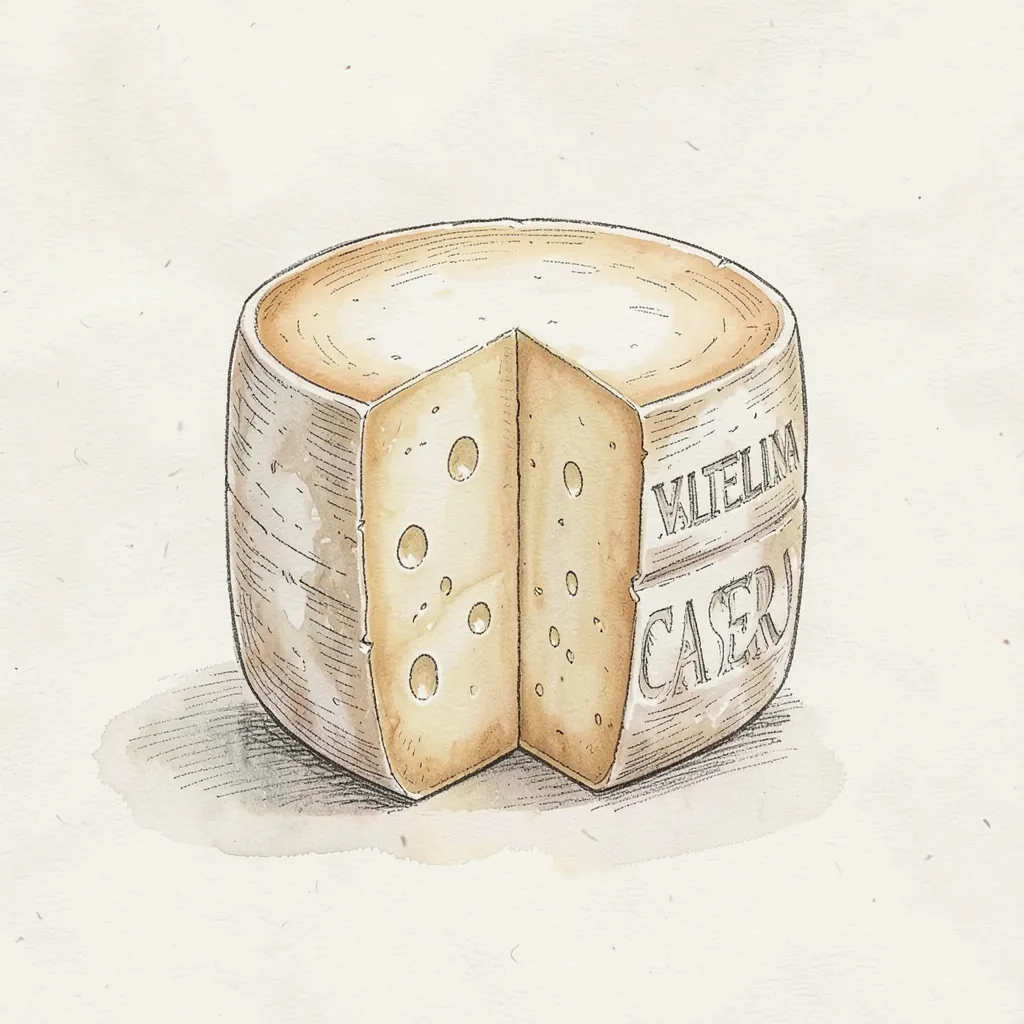
The dialect name means mountain cheese, and the full name ties it to the upper valley. Whole cow's milk is set into wheels with a thin natural rind and a compact, elastic paste. Small eyes are scattered through the ivory to straw interior. Young wheels are table cheeses, and older wheels grow stronger and more useful in hot dishes.
The flavor is delicate and fragrant, slightly salty, and not piquant in a typical wheel. You can taste milk, hay, and a light mountain note rather than a sharp bite. A valley wheel and a pasture wheel are not identical, because the feed and the season change the aroma. Both stay in the same family of pressed cow's milk cheese. The rind darkens a little with age, while the paste remains sliceable before it turns hard.
History
Mountain cheeses have been made in the Brembana Valley for a long time, as a way to keep cow's milk from high pastures. Formai de Mut is the local name for this wheel from the upper valley. Dairies in the valley and herders on the alp both have a place in the story. The valley make and the pasture make are still told apart by people who know the cheese. The style is regional, not a brand owned by one house.
Production became more organized in the valley dairies, while summer pasture cheeses continued on the high ground. Buyers learned to look for marks that separate a valley wheel from an alpine one. The cheese remained a food of the Brembana Valley even as it reached shops farther away. No single founder is needed to explain it. Cow's milk, a semi-cooked paste, and a patient ripening are the parts that define the wheel.
How it is made
Makers curdle whole cow's milk with calf rennet, and they may add a natural starter or a selected culture. They cut the curd, then warm it again so the paste is semi-cooked. Stirring helps the grains dry to the right point. The curd goes into molds called fasere, and the wheels are pressed so whey leaves. Salting is dry or in brine, repeated until the wheel has taken salt.
Ripening lasts long enough for a rind to form and for the aroma to settle. Alpine wheels are made when the cows are on high pasture, and valley wheels are made from milk worked lower down. The rind stays thin, straw colored at first and deeper in color later. The paste should be compact and springy, with scattered eyes and sometimes a small split. A wheel sold very young is milder, and a wheel kept longer is more fragrant and firmer.
Taste
The taste is gentle, milky, and fragrant, with a light salt and no real heat. Hay, butter, and a clean animal note can show up, especially in a pasture wheel. The paste feels elastic and smooth, not crumbly, when the cheese is at a normal age. A cold slice is quieter and more about texture than smell. At room temperature the aroma opens and the mountain character is easier to catch.
Older cheese tastes deeper, still savory rather than fiery, with a longer finish. Nut and dried herb notes may join the milk. The paste firms and the rind thickens a little, but this is not a brittle grating block at the usual age. If the smell is harsh or the paste is slimy, the wheel was stored badly. A sound one stays fragrant, slightly salty, and pleasant on the tongue.
In the kitchen
Set out a younger wheel in slices with bread, honey, pear, or a mountain rye loaf. It also melts on polenta, a usual partner in the valley, and in baked vegetables or a simple sauce. Grate an older, drier piece over hot food when you want a savory finish. The cheese softens with heat but does not stretch like a pasta filata cheese. Use a pasture wheel when you want the aroma to lead the dish.
Keep the wheel wrapped and cool, with the cut face covered so it does not dry out. Serve board slices cooler than the room at first, then let them warm. Trim the rind if it is thick or very strong. Do not cover a young wheel with a fierce spice blend, because the delicate aroma is the point. Leftover grated cheese should be used soon, since the flavor fades once the paste is in small grains.
Around the world
Outside the Brembana Valley, this cheese is a specialist item. Italian shops may group it with other mountain wheels from Lombardy, such as Bagoss. The names look local and are easy to mix up if you only glance at the label. Formai de Mut should show a thin rind and an elastic paste, not a hard crystalline block. Ask whether the wheel is from the valley or from the pasture if the aroma matters to you.
Bagoss can stand in when you need a firm mountain cow's milk cheese, though it is often more pronounced. Fontina melts in a similar Alpine way and is easier to find in many countries. Valtellina Casera is a nearby valley cheese for polenta and cooking, with its own milder profile. Asiago can cover a grating role if the piece is aged, but a young Asiago is a different taste. None of these copies the Brembana pasture aroma exactly, so treat them as kitchen stand-ins.