Cow
What it is
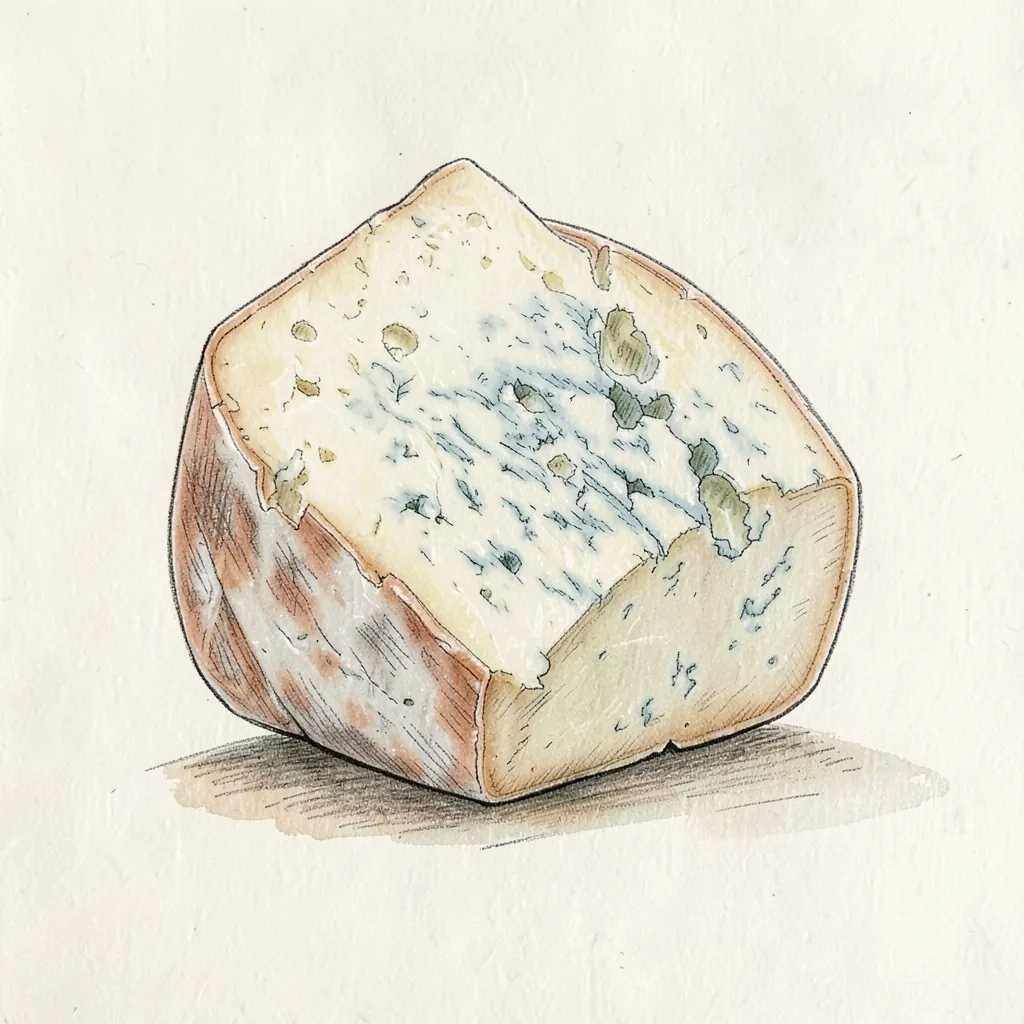
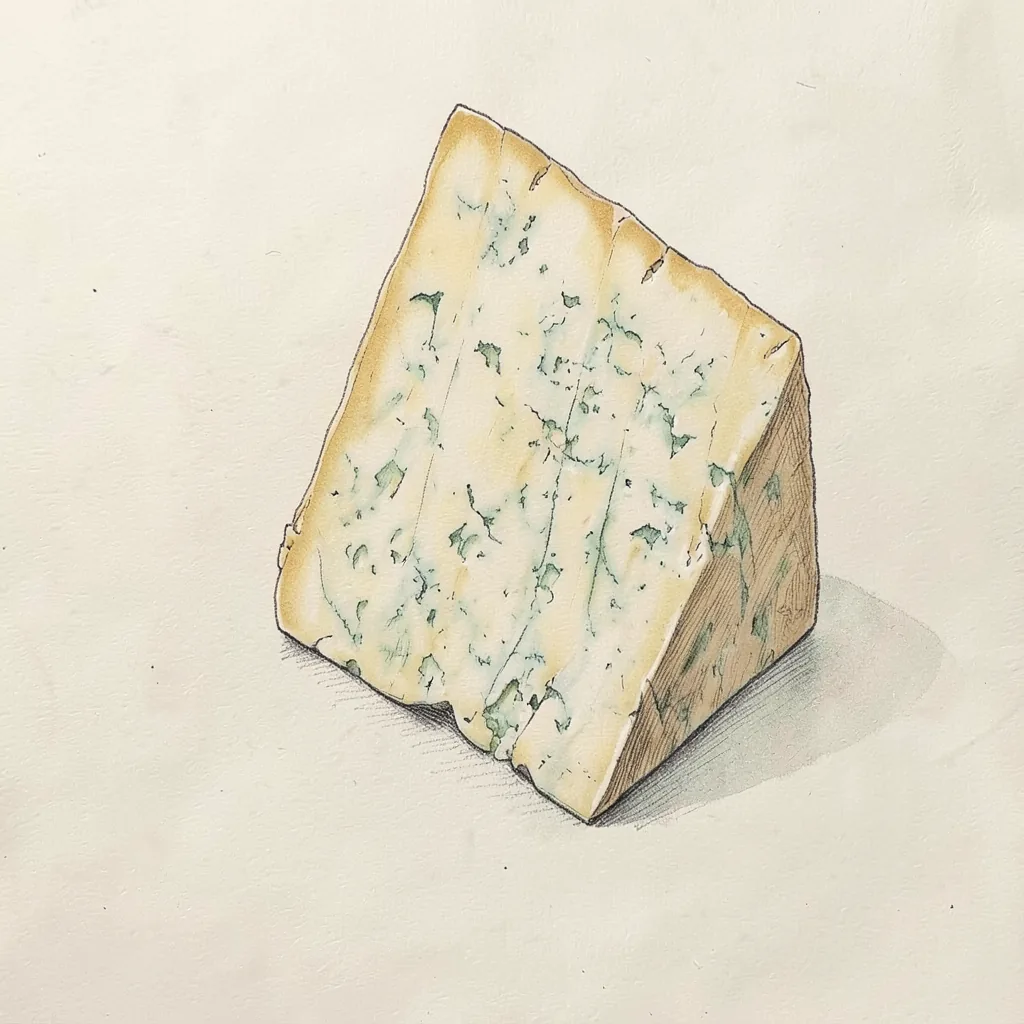
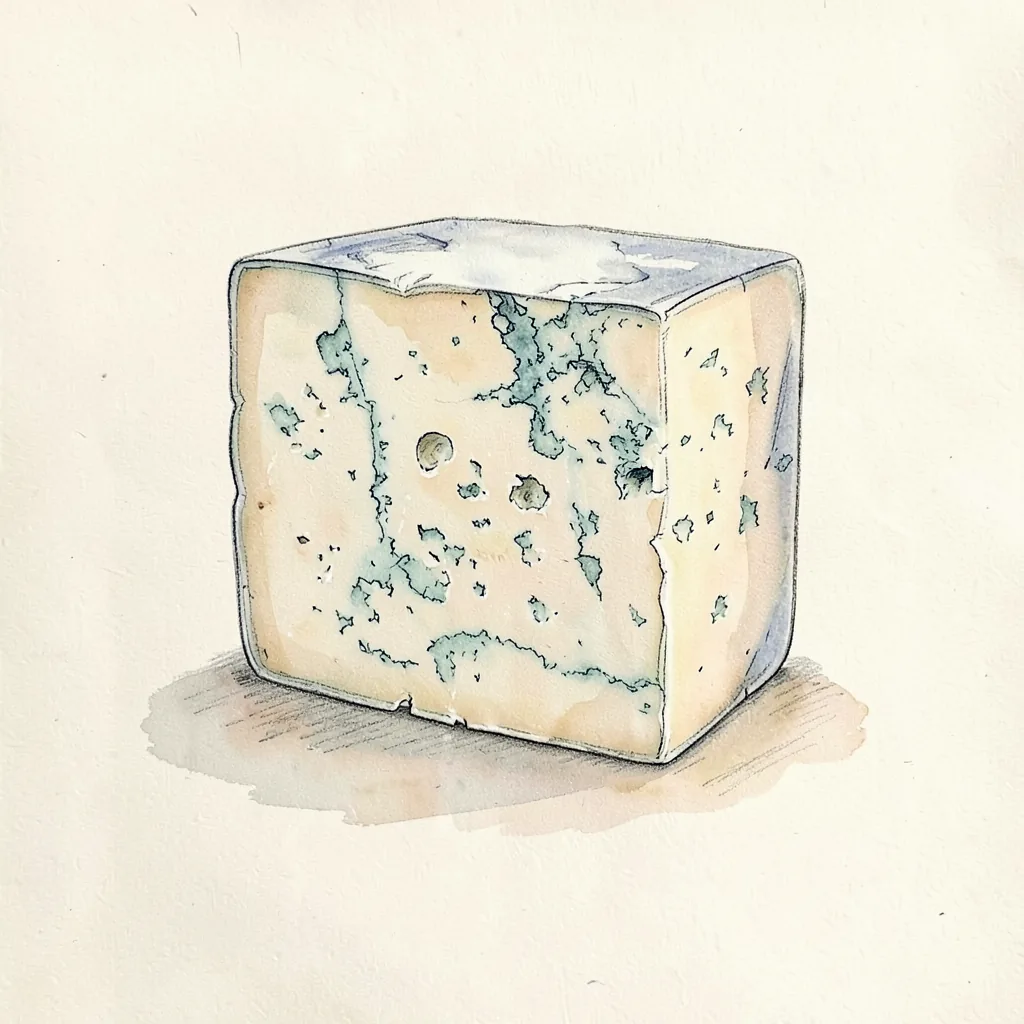
It is made from pasteurized cow's milk, and blue-green veins run through a pale, moist paste. The style takes its cue from Bleu d'Auvergne, so the texture stays softer than a dry, crumbly blue. The taste is tangy and full, with salt that can turn a little sweeter as the cheese matures. A clear blue note shows at the end of the bite.
The paste is rich because the milk is full fat, and the body holds more moisture than a long-aged blue. A younger piece tastes milder and more buttery. An older piece turns peppery while it stays creamy rather than chalky. Some batches use vegetarian rennet, and others use animal rennet, so check the label if that matters. It is a cheese for the board, a salad, or a sauce, not a hard wheel for the grater.
History
Strathdon Blue belongs to the modern Scottish blue cheeses, not to the medieval cheese of a single village. The name is Scottish, and the cheese is sold as a product of the United Kingdom. Makers shaped it after Bleu d'Auvergne, a cow's milk blue from central France, rather than after a sheep's milk blue. That choice gave them a moist, creamy target instead of a dry crumble. The cheese then found a place among other British blues on shop counters.
It is not Stilton, and it is not Lanark Blue. Stilton is the famous English blue, firmer and more widely known. Lanark Blue is Scottish too, but it is made from sheep's milk and tastes different. Strathdon Blue stayed a cow's milk cheese with a soft blue character. Read the dairy name and the milk line, because the style alone is not a unique mark.
How it is made
Makers pasteurize the cow's milk, then add cultures and rennet so a curd can form. They cut the curd, drain the whey, and shape rounds that stay fairly moist. Salt is worked in, and the young cheeses are turned while they settle. After the paste is set, the wheels are pierced so air can enter and blue mold can grow along those paths. That piercing is what draws the veins through the interior.
Many wheels are wrapped once the mold has taken hold, and they rest until the veins spread and the texture turns creamy. The rind, when it shows, is a thin natural coat rather than a thick washed crust or a white bloomy felt. Animal rennet and vegetarian rennet both appear in trade batches. The finished cheese is pale inside, with blue-green lines and a moist cut face. It is ready to eat as a creamy blue, not as a dry grating cheese.
Taste
Expect salt, cream, and a tangy blue flavor in the same bite. The smell is buttery at first, then sharper when the veins are thick. A young wheel is gentler and tastes more of milk. A mature wheel picks up pepper and a firmer blue edge, while the paste stays soft. There is no washed-rind funk and no sweet caramel note.
The texture is moist and slightly crumbly, and it yields under a knife without falling into dust. Fat from the cow's milk rounds the salt, so the cheese can taste almost sweet at mid-palate. The finish returns to blue and a light metallic tang. If the paste dries out, the salt seems harsher and the cream fades. Serve it cool but not icy, or the aroma stays closed.
In the kitchen
Crumble Strathdon Blue over a green salad, or set a wedge on a board with bread, celery, and a plain cracker. The creamy paste also melts into a sauce for steak, mushrooms, or baked potatoes. Use a light hand, because the salt and the blue mold carry a long way. It does not belong on a grater, and it will not stretch. Heat it just enough to soften, or the fat can separate.
A younger piece is better when you want butter and milk beside the blue. An older piece is better when you want pepper in a dressing or a bold crumb on a burger. Do not drown it in a sweet glaze unless you like that contrast. Keep it wrapped, away from mild cheeses, so the mold aroma does not travel. Let a slice warm for a short time before it goes on the plate.
Around the world
Outside the United Kingdom, Strathdon Blue is less common than Stilton or Roquefort. Shops that carry British farmhouse cheese are the likely place to find it. Buyers sometimes confuse it with Bleu d'Auvergne because the style was built on that French cheese. The two are close in spirit, but they are not the same wheel and not from the same country. A Scottish sheep's milk blue, such as Lanark Blue, is a different animal and a different taste.
Bleu d'Auvergne is the nearest substitute for a moist cow's milk blue in a sauce or on a board. Stilton can stand in when you accept a firmer, drier, and often sharper result. Roquefort is sheep's milk and saltier, so it will change the dish. If the label does not say Strathdon Blue, do not assume a Scottish blue is this one. Keep the cheese cold and covered, and eat it while the paste is still creamy.