Cow
What it is
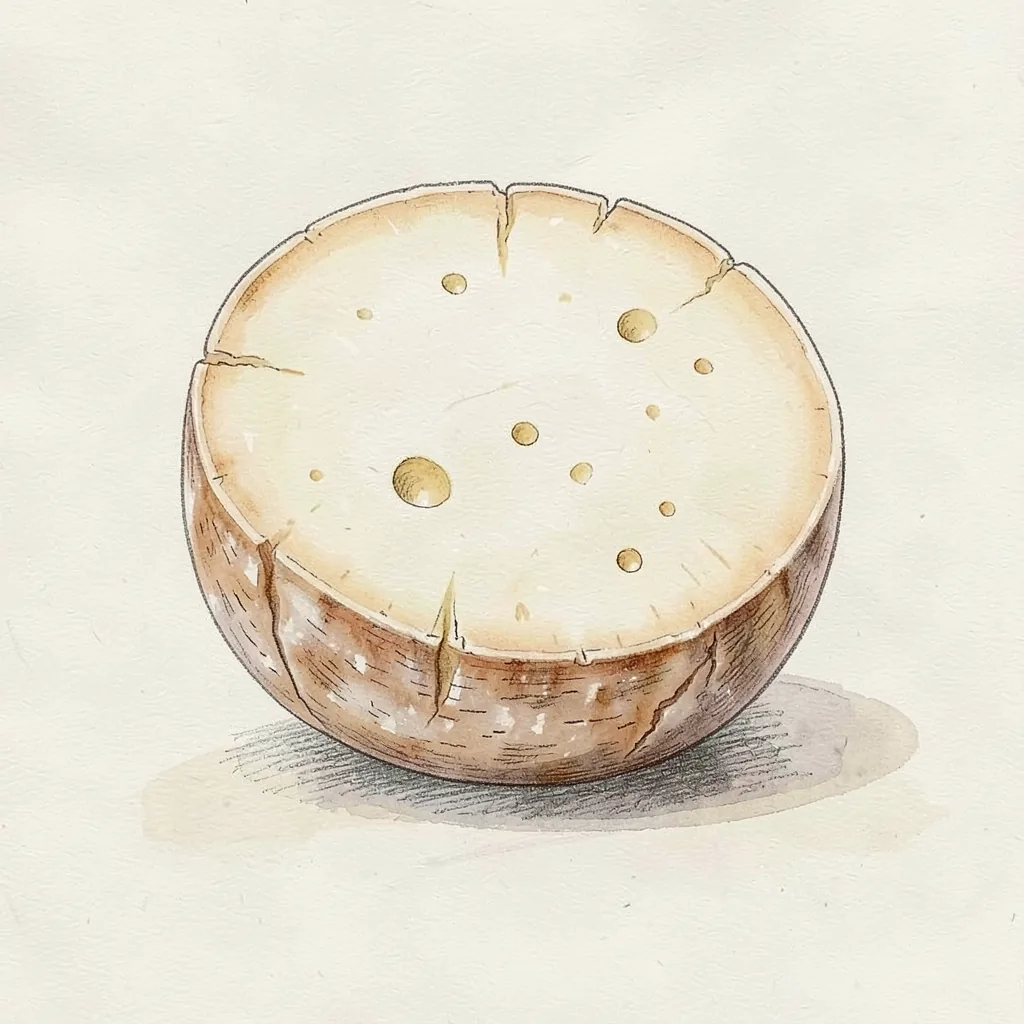
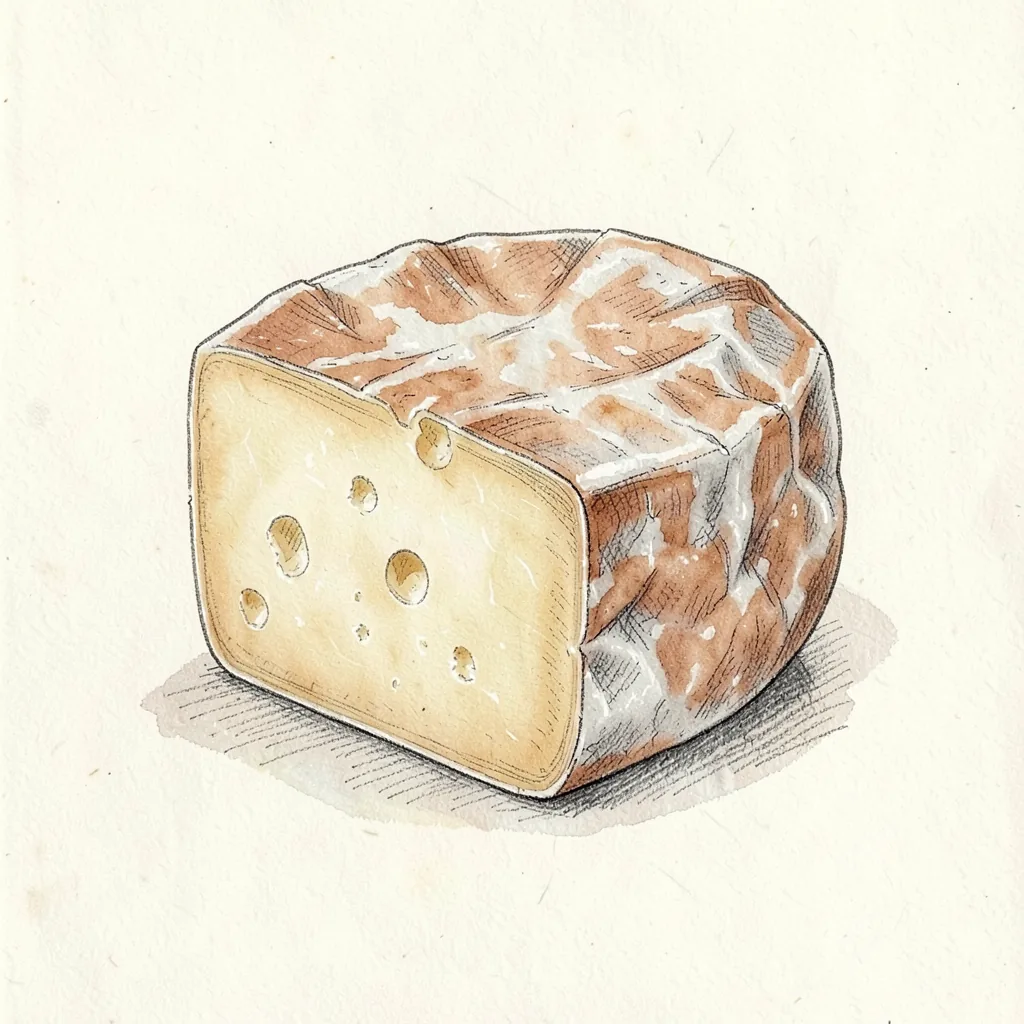
The name comes from the Latin word for Sweden, and dairies make it across the country rather than in one parish or valley. The paste is pale yellow and supple, with small irregular holes spread through the wheel. Wax covers the large rounds and keeps the surface tidy during storage and sale. The taste is mildly acidic and clean, and it grows a little fuller if the cheese is held longer before it is cut.
A younger wheel is the mildest, with a moist, springy slice that melts readily. An older wheel is firmer, a bit sharper, and better when a dish needs more flavor from a smaller piece. Both are Svecia, but they do not act the same way in a sauce or on a board. Swedish cooks treat it as a staple, much as other countries use a plain semi-hard cow's milk cheese. Look for Sweden on the label, because the Latin name can look unfamiliar abroad.
History
Farms in Sweden have long made semi-hard cow's milk cheeses in this practical style. The name Svecia came later, and it was chosen to mark the cheese as Swedish rather than to point at one estate. Waxed wheels, brine, and a dry ripening room became the usual commercial path once dairies worked at a larger scale. It sits beside household cheese and other Swedish semi-hard cheeses, but it keeps a mildly sour, open paste of its own. The country is the origin that matters, not a single village.
Pasteurized cow's milk is the modern norm, so dairies can make a steady cheese through the seasons. The style aims at a familiar mild acidity that home cooks can trust. Small holes come from the way the curd is packed, not from a Swiss-style culture meant to open large eyes. Buyers learned to expect a waxed wheel and a yellow slice, and that look still signals Svecia in a Swedish counter. Export pieces keep the same paste even when the wheel is cut before it travels.
How it is made
Pasteurized cow's milk is cultured and set with rennet until a clean curd forms. The curd is cut, stirred, and warmed again so more whey leaves and the grain can knit into a semi-hard paste. Salt is mixed through, and the curd goes into molds loosely enough to leave the small irregular holes. The wheels are pressed, brined, dried, and coated with wax. They then age in a dry room until the flavor is mildly acidic, and a longer stay makes the paste firmer and a little sharper.
The wax is a coat, not a rind you eat for its own flavor or aroma. It slows drying and protects the surface while the interior settles into an even texture. Under it, the paste should be an even pale yellow to a deeper yellow, without large cracks or wet seams. Holes stay small and irregular, scattered through the slice rather than opened into big round eyes. A good piece smells clean and lactic once the wax is peeled back, not bitter, stale, or sharply ammoniated.
Taste
The flavor is lactic, lightly salty, and a little tangy, with a mild nuttiness if the wheel has been kept longer. The texture is springy and moist, so a slice bends before it breaks under the knife. Small holes can suggest a Swiss-style cheese at a glance, but the taste stays milder and more acidic than that comparison implies. Aroma remains gentle even on a mature wheel. Young Svecia is the quietest on the board, and a well-kept older piece tastes fuller without turning harsh or dry.
Fat and moisture keep the cheese pleasant in a thick slice, not only as a garnish. There is no pepper, no caraway, and no washed-rind smell in the plain version. Salt should be even, not clustered in bitter spots. If the cheese tastes flat, it may simply be too cold, so let it warm before you judge it. A piece at cool room temperature shows the slight acidity that makes the style useful with savory food or a little jam.
In the kitchen
Lay slices on bread, crispbread, or a warm potato. Svecia melts smoothly in a cheese toast, a white sauce, or a casserole, and the surface colors to a pleasant gold. Grate a firmer, older piece over vegetables when you want a little more bite. It is plain enough to eat with jam or sliced fruit, a common Swedish way with mild cheese. Ordinary meals are where it does its best work, not on a plate built only to shock.
Because the flavor is mild, season the dish first, then let the cheese add body and a light tang. Cut away the wax before you cook or slice for the table, and do not eat the coat. High dry heat can toughen the surface, so melt the cheese with moisture, as in a sauce or on toast. Leftover wedges keep well when the cut face is wrapped and the cheese stays cold. It is a practical cooking cheese, and that is why Swedish kitchens keep a piece on hand.
Around the world
Svecia is sold mainly in Sweden, though some waxed cheese reaches shops that stock Scandinavian food. Outside the country it is often grouped with other mild semi-hard cheeses and cut to order. The Latin-looking name can suggest Italy or a single estate, which is the wrong trail. The label should say Sweden and cow's milk if the piece is the real style. It travels as a staple more than as a rare board cheese, and color alone will not separate it from similar Swedish wheels.
Hushållsost, the Swedish household cheese, is the closest substitute for sandwiches and for melting. Herrgård is another Swedish cow's milk cheese, slightly nuttier, and it can stand in when you want a mild slice. People confuse these cheeses because they are pale, semi-hard, and made for the same table. If the package says Svecia, expect a mildly acidic paste and small irregular holes under the wax. A different Swedish name on the label means a relative, not the same cheese.