Cow
What it is
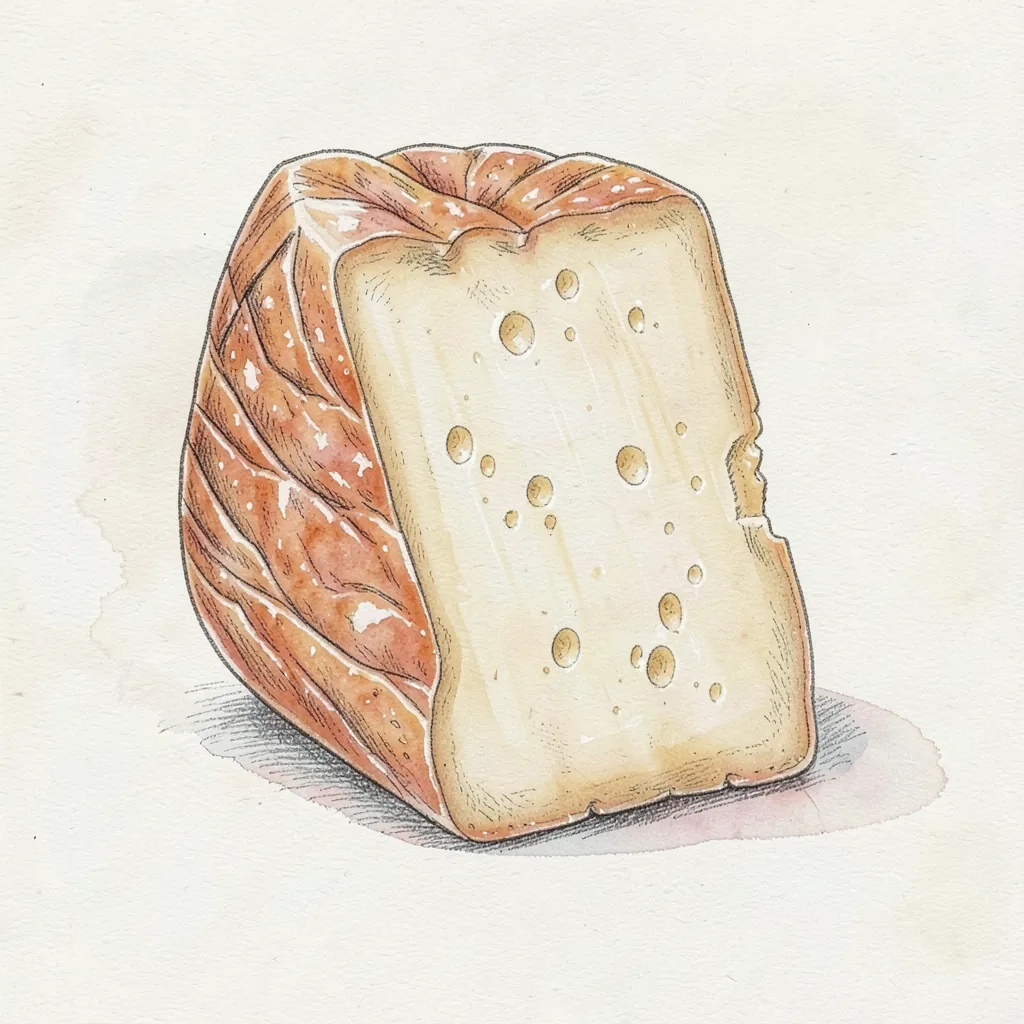
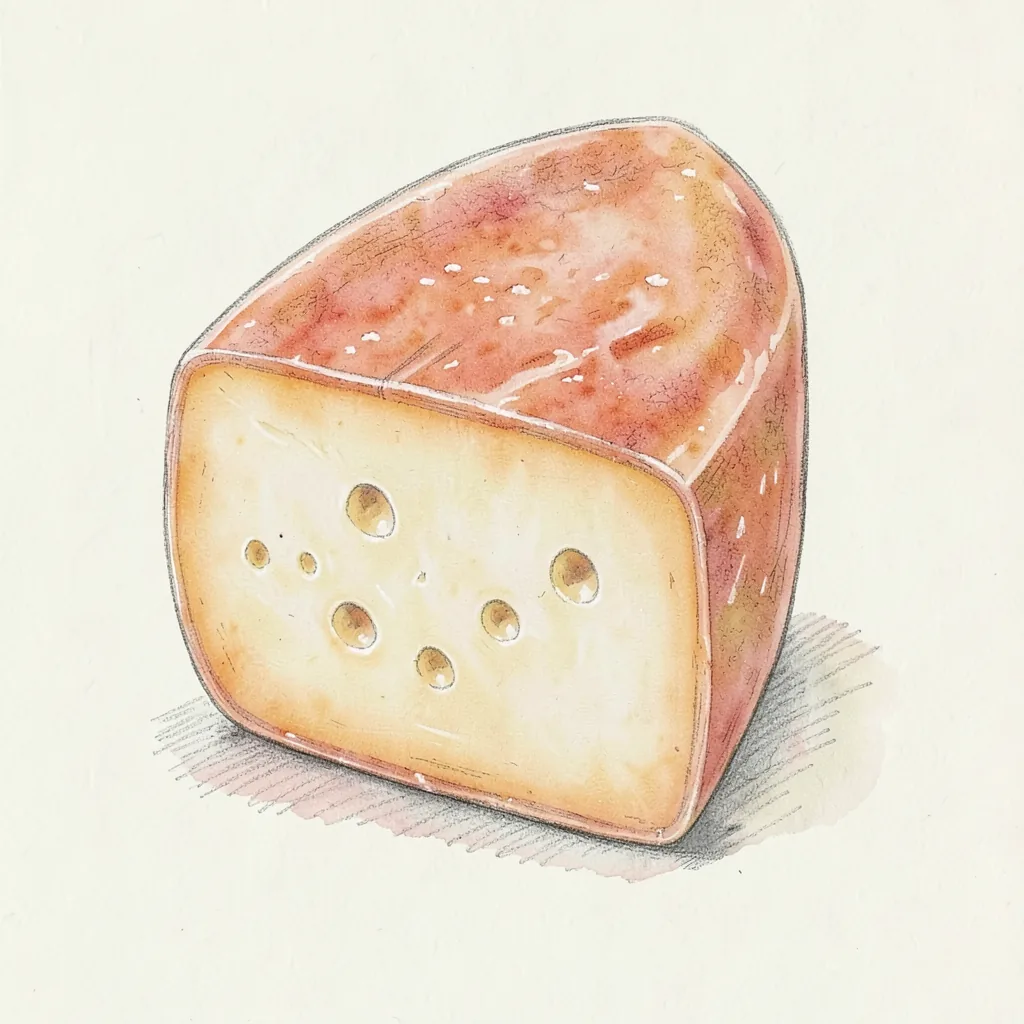
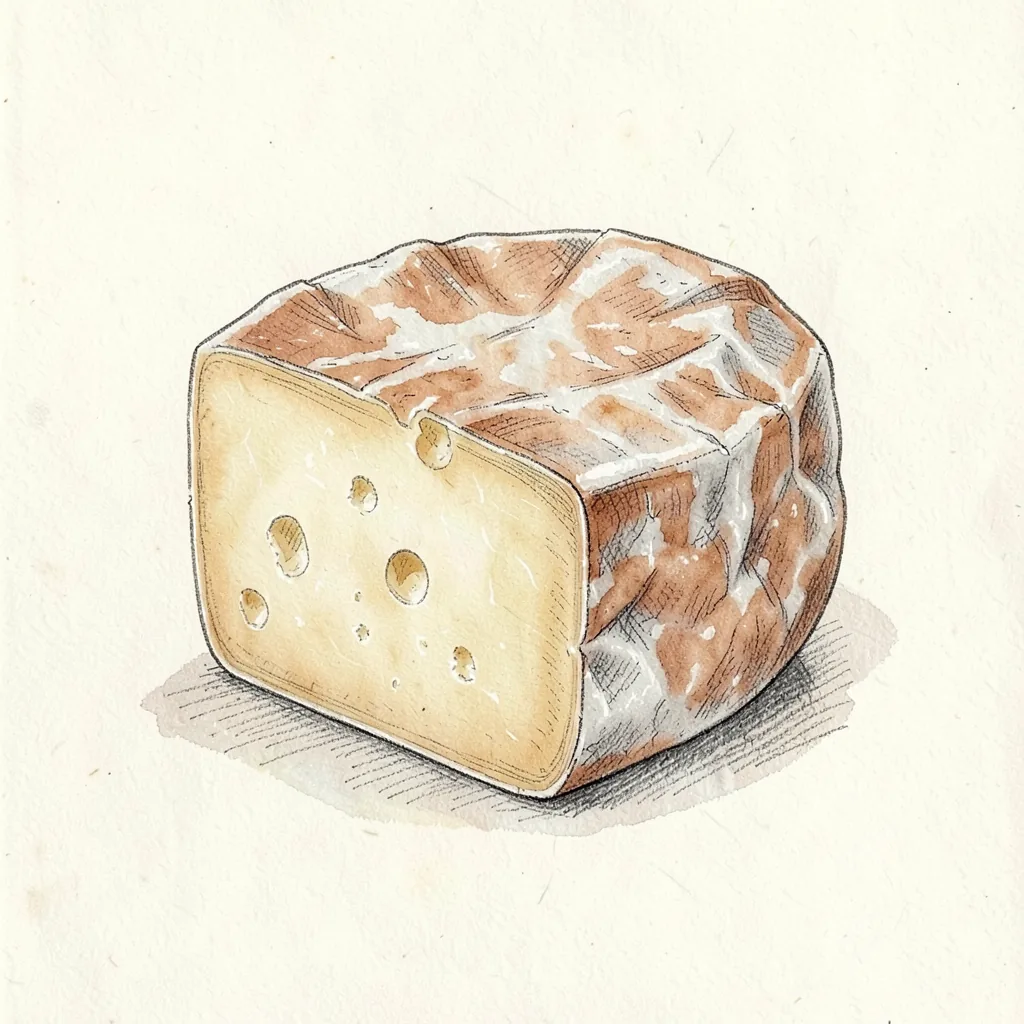
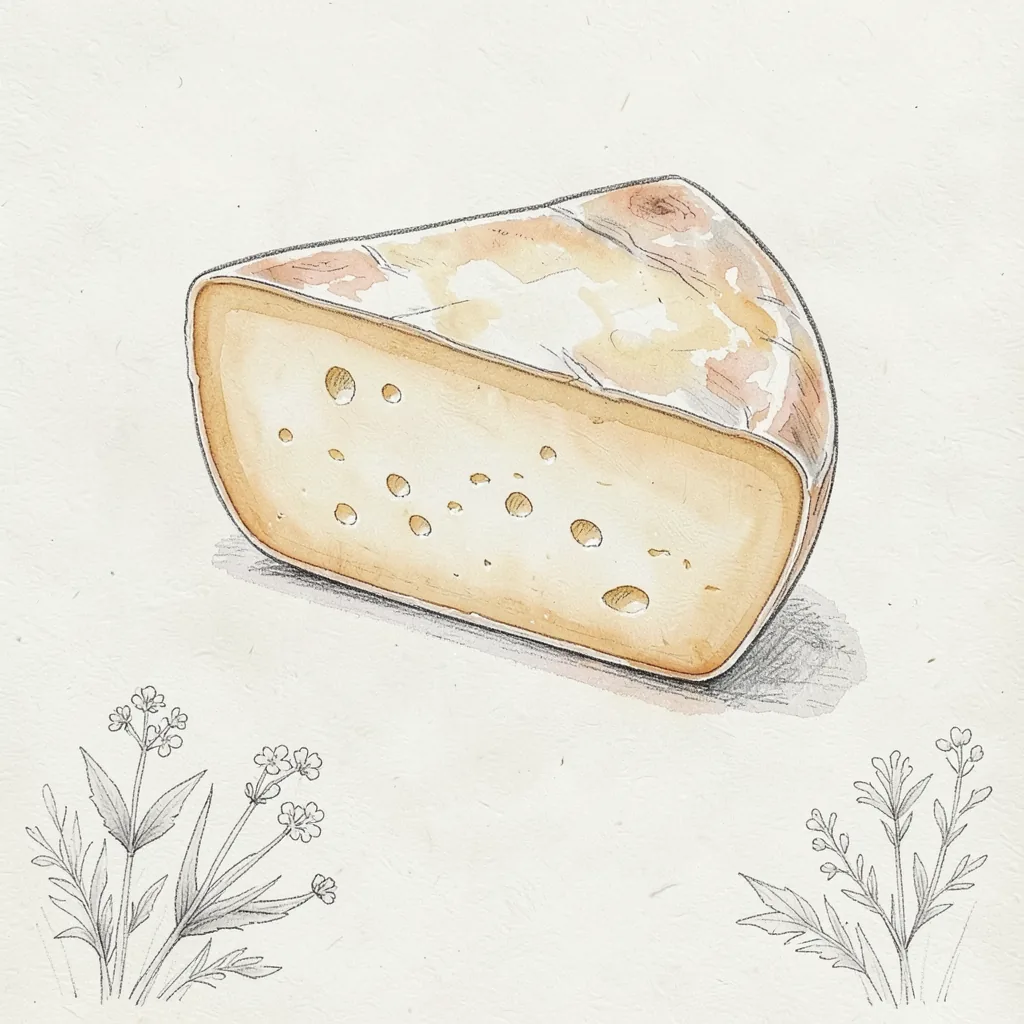
The name means household cheese, which fits a mild cheese made for everyday meals rather than a long-aged wheel. The paste is pale straw in color, smooth, and open, with small irregular holes scattered through it. It is usually sold young, in a short cylinder that slices cleanly for bread. The taste is lightly salty, a little sour, and gently buttery, without a sharp finish.
Supple slices bend before they break, so the cheese suits open sandwiches and a simple cheese board. It also melts in casseroles, sauces, and on bread that goes under a grill. A richer piece tastes rounder, while a leaner piece lets the fresh acidity show sooner. Neither version is crumbly or strongly aromatic. Think of a calm table cheese that Swedes buy often and use without fuss.
History
The name hushållsost has long marked cheese made for the household rather than for export or long storage. Farms in Sweden made mild cow's milk cheeses for daily bread, and this style grew out of that habit. Creameries later took over the work and gave the cheese a regular cylinder and a steady mild taste. Writers often place it near Port Salut because both are supple and mild, though the Swedish cheese is its own everyday food. The link is texture, not a shared recipe.
In modern Sweden the cheese is a staple, the kind of block a household keeps for sandwiches through the week. Dairies wrap the cylinders and sell them while the flavor is still fresh and the paste still pliable. It never became a famous export name in the way some alpine cheeses did. Travelers are more likely to meet it in a Swedish grocery than in a foreign cheese book. That quiet role is the point of a household cheese.
How it is made
Pasteurized cow's milk is set with culture and rennet, and the curd is cut and stirred so whey can leave. The curds are then gathered and pressed into a low cylinder. Salt is added in the make, which keeps the flavor clean and lightly salty. The young cheese is wrapped, often in plastic film, and left to mature until the paste is supple and the small holes are set. The goal is a mild cheese, not a dry aged one.
Makers do not wash the rind with beer or brine, and they do not add mold for a white coat or blue veins. The surface stays plain under the wrap. Whole milk gives a softer, richer paste, while a lower-fat make tastes a bit leaner and more acidic. Both are still hushållsost if the texture is semi-hard, the holes are small, and the flavor stays mild. The cheese is ready when it slices without crumbling.
Taste
Expect a mild, milky flavor with butter, light salt, and a fresh sour edge that keeps the cheese from tasting flat. Nutty notes can appear in the finish, but they stay quiet and never dominate. There is no bite from long aging, no ammonia, and no strong barn aroma. The sourness is closer to fresh dairy than to a pungent washed rind. At room temperature the same slice tastes a little fuller, while a cold slice stays clean and bright.
The paste is elastic and smooth, with small holes that make the cut surface look open rather than dense. It yields under the teeth and does not leave a grainy or crystalline feel. Moisture stays even in a well-kept piece, so the slice bends. If the cheese dries at the edge, the flavor turns duller and the texture tougher. A fresh piece smells lightly of milk and salt, not of mold.
In the kitchen
Swedes put hushållsost on bread for breakfast and for a packed lunch, often with butter, cucumber, tomato, or a slice of cold meat. The mild taste does not fight with those foods. Cubes or slices also fit a casual board when stronger cheeses are already on the plate. Because it melts, it works in a cheese sauce, a gratin, an omelet, or on a piece of bread under heat. It is a useful cooking cheese when you want melt and salt without a sharp aged flavor.
Do not expect it to grate into fine snow the way a very hard cheese does. Coarse shreds are enough for a hot dish, and slices are better for sandwiches. It can stand in for other mild semi-hard cheeses in a recipe that calls for a gentle melt. Salt the dish after the cheese goes in, since the cheese already carries salt. Keep it wrapped in the refrigerator, and use it while the paste is still moist.
Around the world
Hushållsost is easy to find in Sweden and harder to find once you leave Scandinavian shops. Outside the country it may be labeled with the Swedish name or with the English words household cheese. Buyers should look for a young semi-hard cow's milk cheese with small holes and a mild, slightly sour taste. A large-eyed Swedish cheese such as a grevé style is a different product. So is a long-aged hard cheese from the same country.
If a shop has no hushållsost, a mild Port Salut, Saint Paulin, or a young Gouda-style cheese will cover sandwiches and simple melting. The Swedish cheese is still worth buying when you see it, because the light acidity is part of the local taste. It is not a souvenir cheese with a famous rind or a dramatic story. It is the cheese that makes an ordinary Swedish open sandwich taste right. Serve it simply, and do not wait for it to become sharp.