What it is
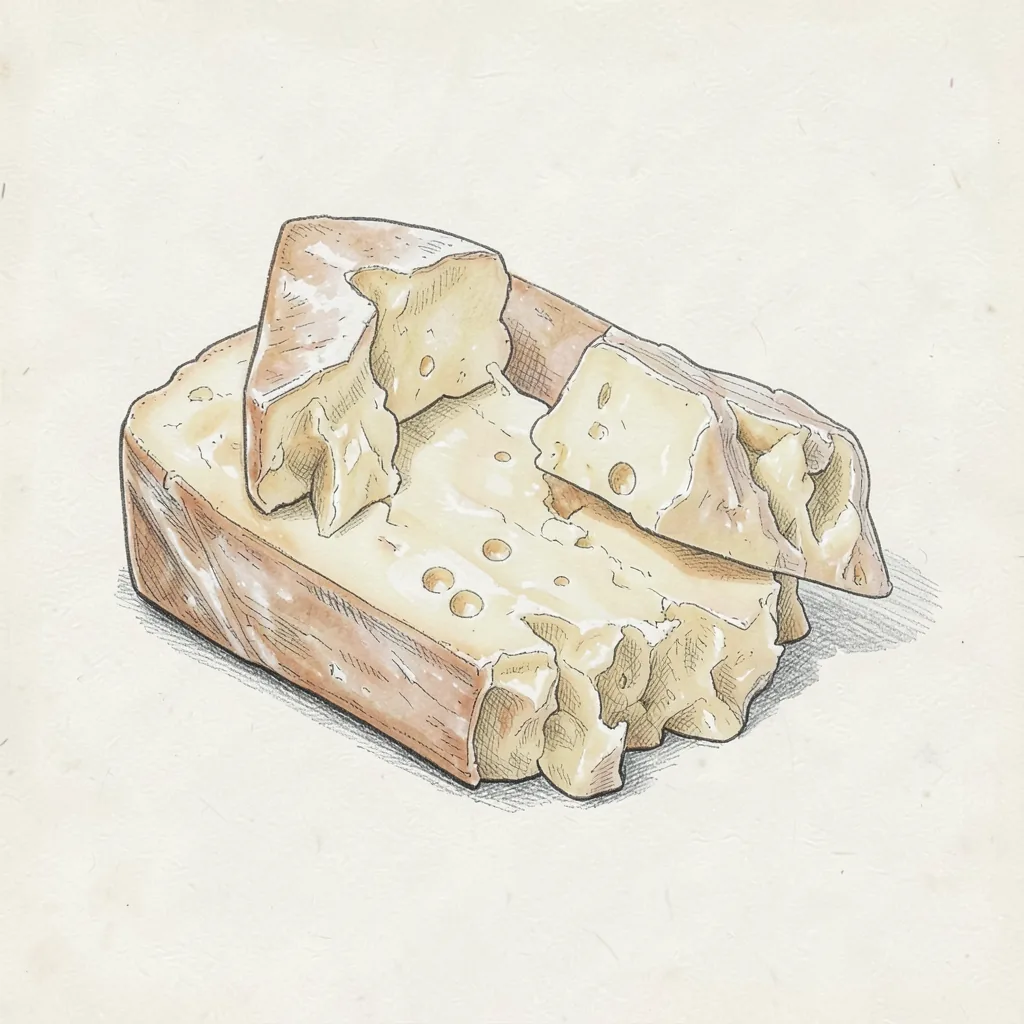
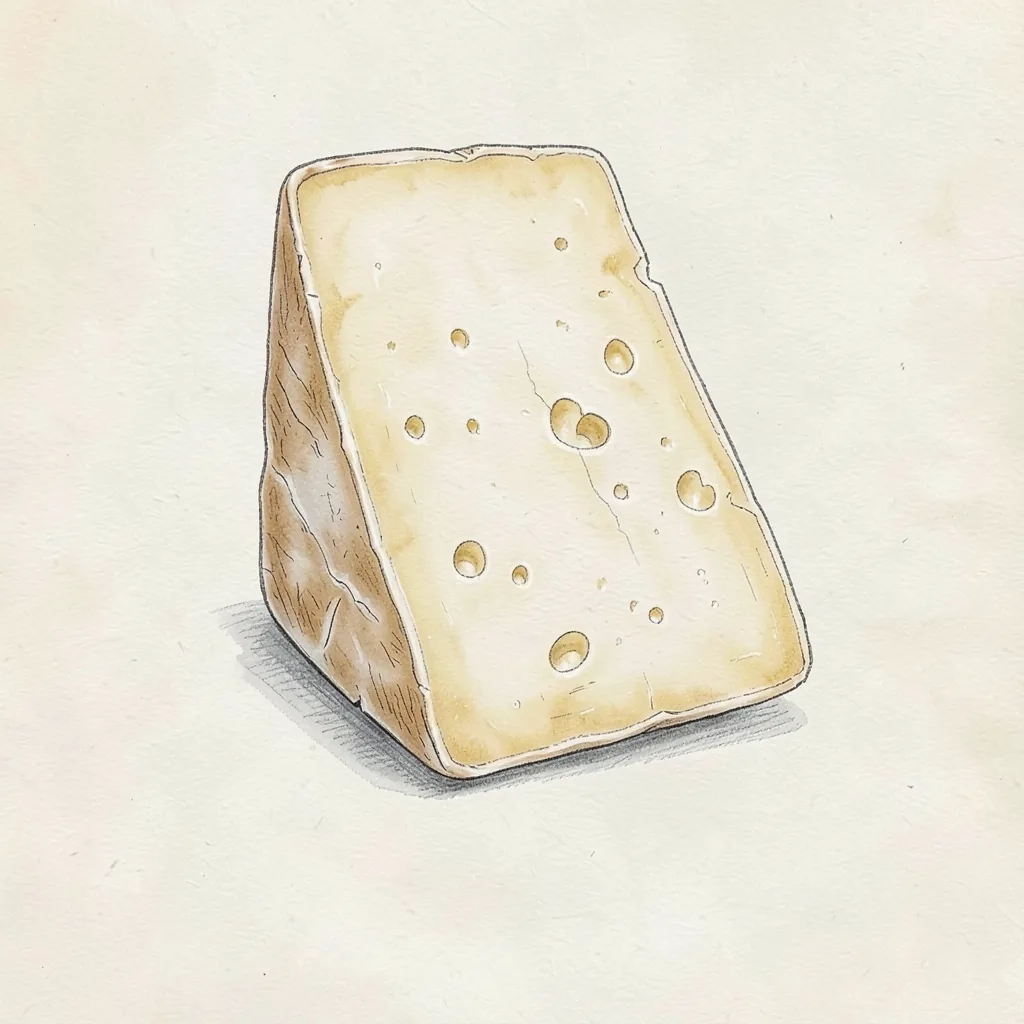
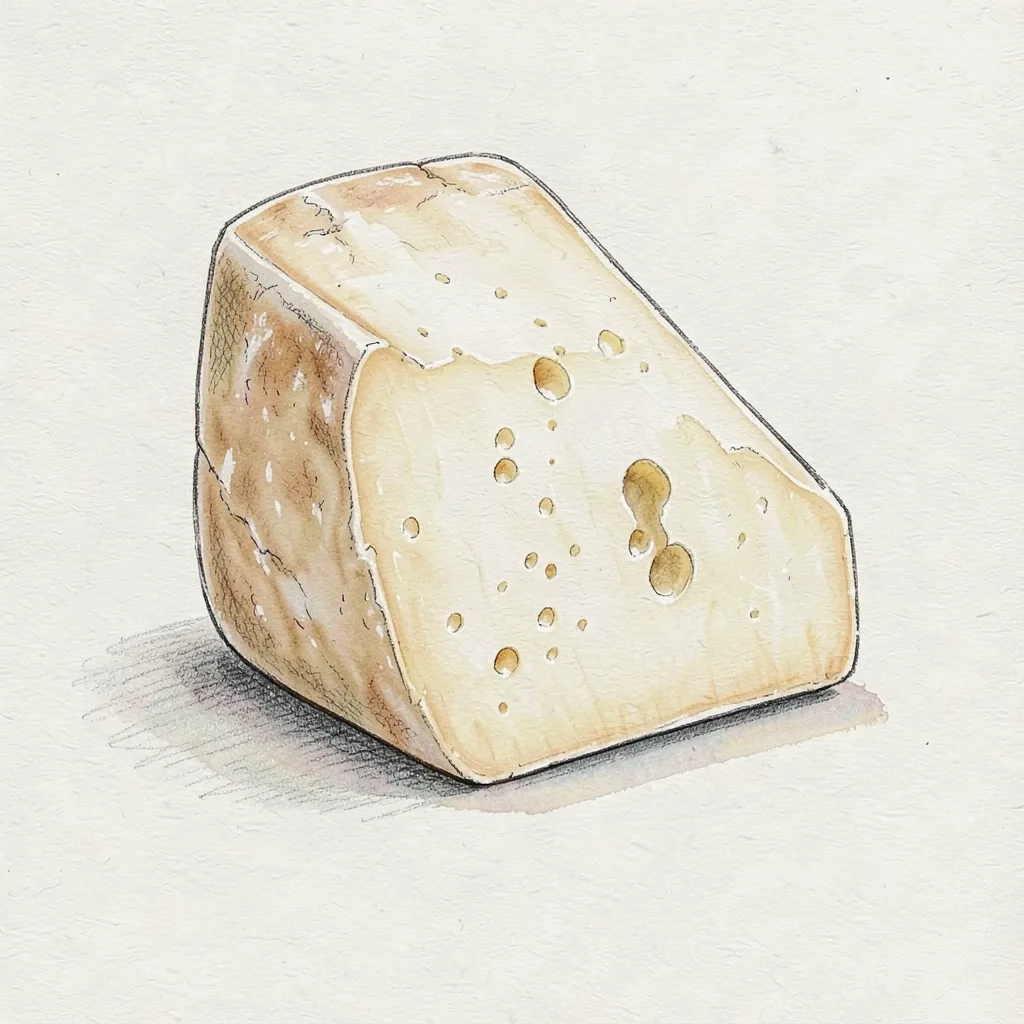
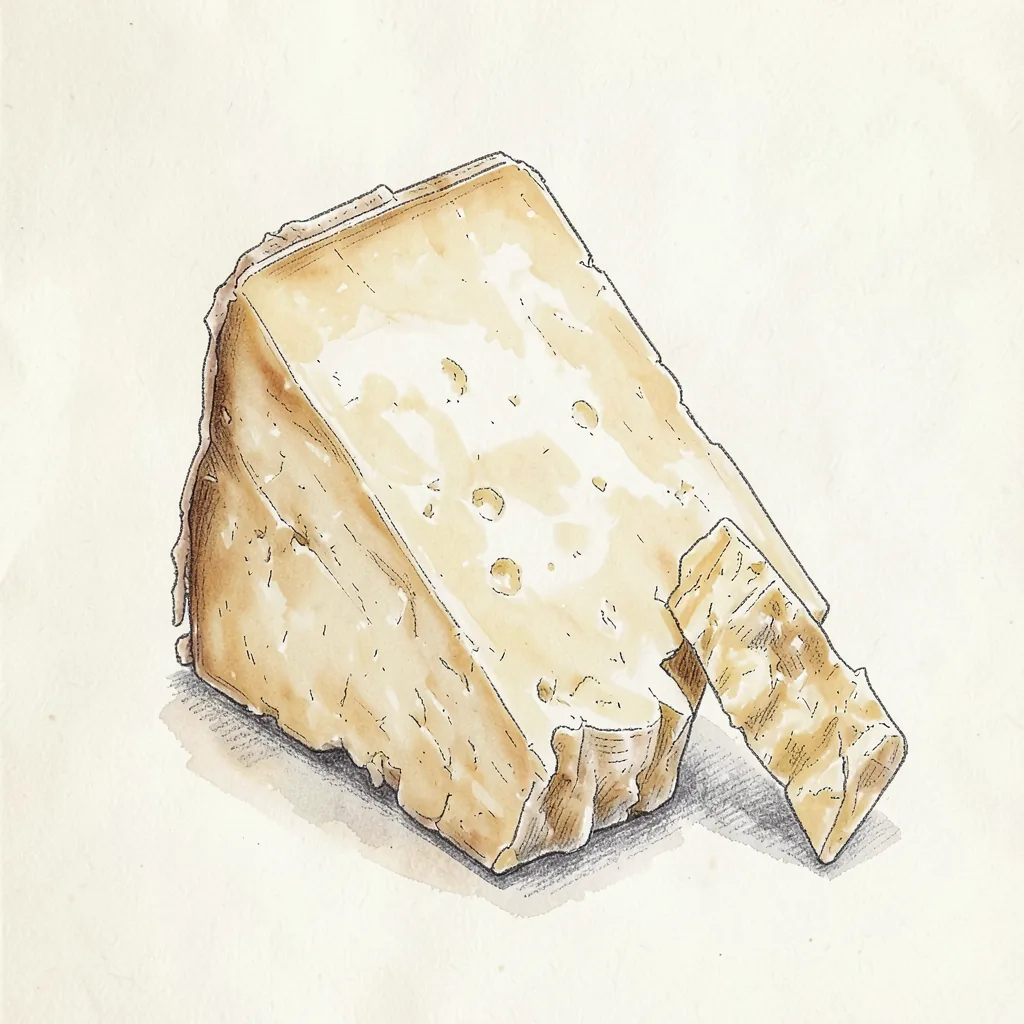
It is a full-fat wheel with a moist, slightly crumbly paste and a fresh, mild taste. Makers use more than one kind of milk, so the label matters more than the shared name. Some wheels wear a natural gray-blue mold on the rind, and others are coated in wax. The shape is a small cylinder, meant for the table more than for a long stay on the grater.
The flavor is often described as fresh and a little acidic, sweet rather than bitter, with a clean finish. Paste color runs from white to creamy, depending on the batch. The texture is open and moist, firm enough to slice, and ready to crumble with a knife. It is not a sharp aged block and it is not a soft bloomy cheese. In the kitchen it suits a board, a salad, or a simple cooked dish where a mild crumb is useful.
History
Swaledale takes its name from a dale in northern England, and cheese has been made there in a local style for a long time. The recipe stayed in few hands, passed on by practice among people who knew the method. Animals grazed the local pastures, and that feed is part of why makers talk about a taste of place. The cheese was a farmhouse food before it was a labeled product on a wider market. Written accounts are thinner than the oral habit of making it.
Modern production is still tied to that part of England, and the cheese is made by hand in small batches. Wheels are not a national commodity like a big creamery block. Buyers meet them in British cheese shops, at markets, and through farms that still follow the old outline. Waxed wheels and mold-rind wheels can both be traditional in finish. The shared point is the moist, firm paste and the fresh taste, not a single brand owner.
How it is made
Full-fat milk is set with rennet, and the curd is cut so the whey can drain. The curds are salted, packed into molds, and pressed into a firm round wheel. After the press, the cheese is brined so the salt seasons the paste and starts the rind. The work is done by hand, in the traditional outline rather than on a large automated line. Batches stay small, and the maker watches the curd instead of following a factory clock.
Maturing happens in a humid cellar. If the wheel is not waxed, a gray-blue mold grows on the rind while the paste settles. Waxed wheels keep a cleaner coat and a similar interior. The cheese is ready while it is still moist and mild, not after the long dry age used for a grating wheel. Turning and checking are part of the cellar work, and the result is a young firm cheese even though the style is classed as hard.
Taste
A typical piece tastes fresh, slightly acidic, and gently sweet, and bitterness is a fault rather than a goal. The paste is moist and open, so it yields under the knife and crumbles instead of snapping. Salt is moderate. The mold rind, when it is present, adds a damp cellar note that the waxed wheels lack. Under that coat, or under the wax, the flavor stays mild and clean.
Differences between batches are real, so one wheel may taste a little nuttier and another a little sweeter as the milk and the pasture change. None of them should taste like a long-aged sharp cheese. The finish is short and lactic. If the paste is dry or the taste is harsh, the piece is past its best. Eat it while the crumb still looks moist.
In the kitchen
Serve Swaledale in slices or thick crumbs on a board with bread, apple, or a plain chutney. It is mild enough for a ploughman's plate beside pickle, without taking over the meal. Crumble it into a salad so the moist pieces stay visible. Because it is not a powerful cheese, it needs a simple setting, and strong spices will hide it. Let it sit out of the fridge briefly so the texture softens.
In cooking, use it where a firm crumb can melt only partly, such as on a baked potato, in a tart, or through mashed roots. It will not stretch like a pasta-filata cheese. Grating is possible when the piece is cold, but crumbling is more natural. A waxed rind should come off before cooking, and a mold rind can be trimmed if the cellar taste is stronger than you want. Keep the heat gentle so the paste softens instead of oiling.
Around the world
Swaledale is a regional British cheese, not a worldwide staple. Most of it is eaten in the United Kingdom, especially by people who seek out northern English farmhouse cheese. Exporters send some wheels to specialist shops abroad, but you should not expect it in a standard supermarket dairy case. Wensleydale is the neighbor that more shoppers already know. The two can look alike on a board, yet each has its own crumb and finish.
If a recipe names Swaledale and the shop has none, Wensleydale or Caerphilly can cover the mild, crumbly role. Cheshire is another English option with a different tang. None of those swaps carries the same pasture note. When you do find Swaledale, check whether the wheel is waxed or mold-ripened, and check which milk the label names. That small reading prevents a surprise on the board, and it reminds you that the cheese is ordinary food at home and a find elsewhere.