Cow
What it is
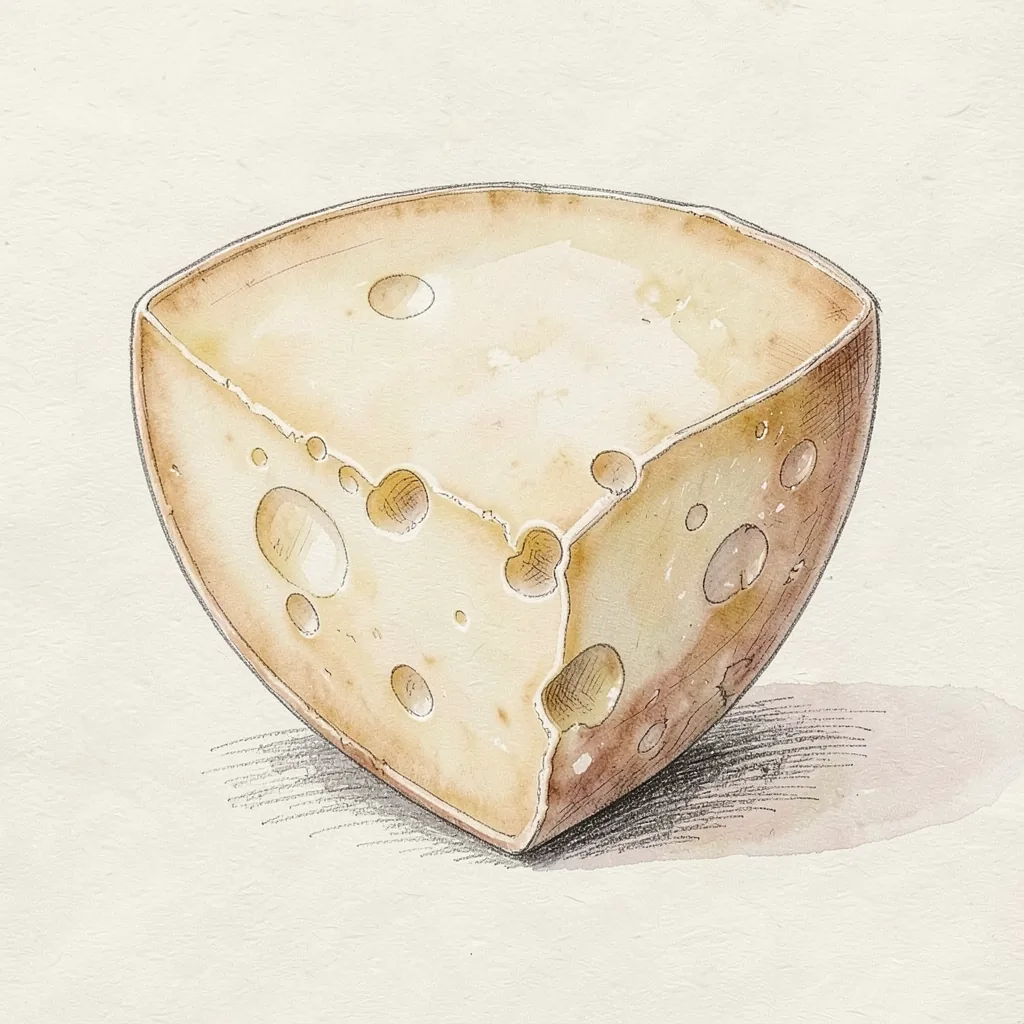
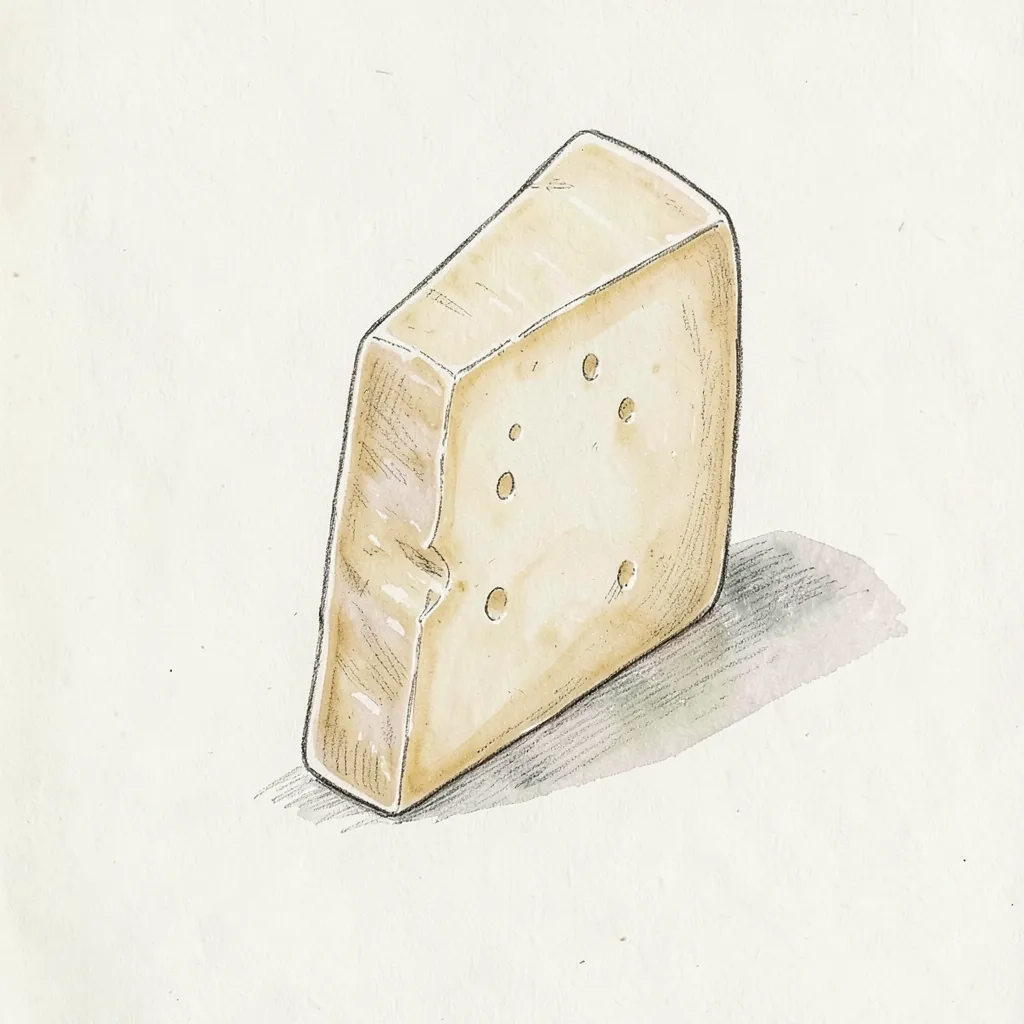
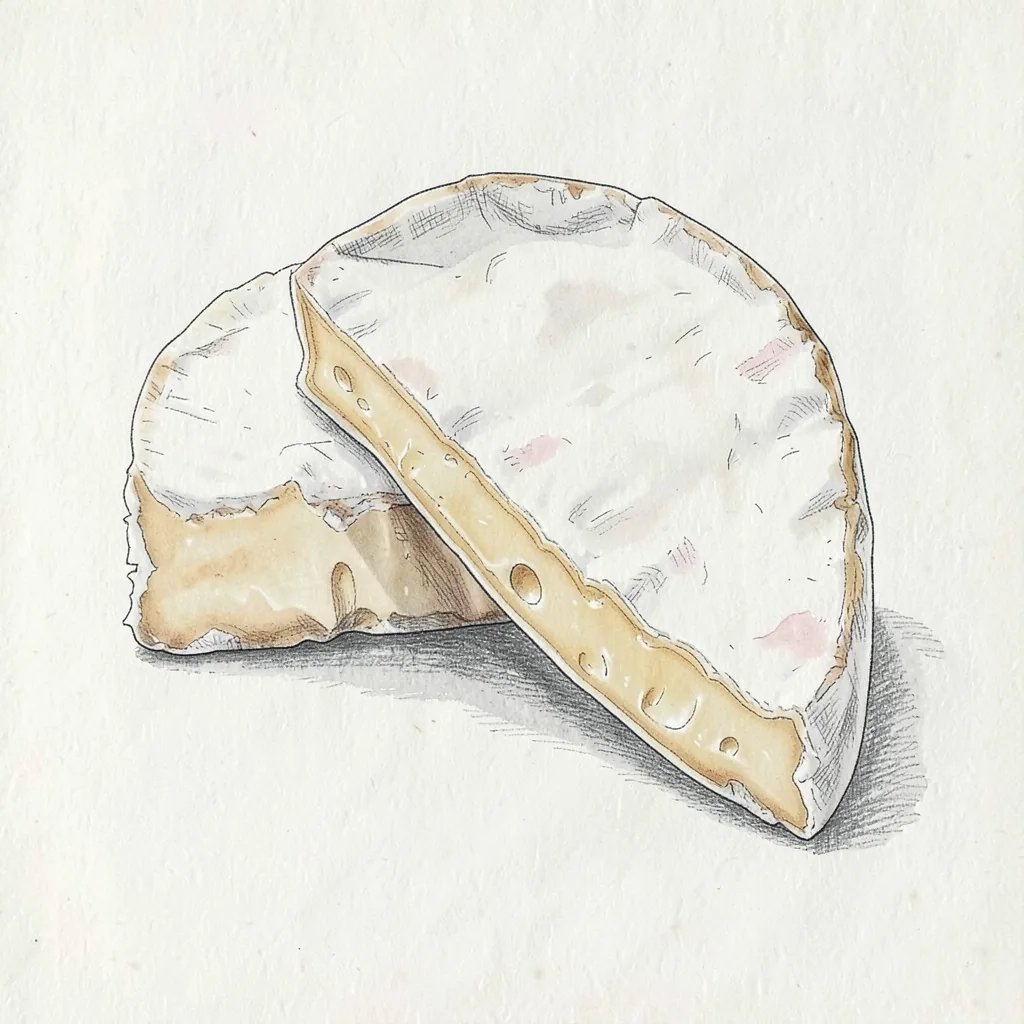
It is a cow's milk cheese, and the milk comes from Jersey cows. The wheels are cylindrical, with a white coat and a smooth yellow paste. The taste is salty and tangy rather than sweet. It is a firm cheese, not a fresh ladle cheese and not a blue.
The cheese was pressed and salted so it would keep a firm body instead of softening into a runny paste. A white coat sets it apart from a bare cheddar block, but the interior is smooth and close. Rich Jersey milk gives a full feel even though the texture is firm. No maker is known to produce it now. It is not sold in ordinary shops, so most people will only meet the name in a list of cheeses.
History
Teviotdale takes its name from the dale on the Scottish side of the border country. The cheese was made to use Jersey milk from pastures in that district, where local grass and herbs flavor the milk. It was shaped as a larger pressed cheese so it could be stored without collapsing. That choice set it beside softer white cheeses from the same border country, while this one was meant to stay firm. The style remained local and small in scale.
Accounts describe a traditional make in the border district, using only milk from that area. The Jersey herd was part of the identity, because that milk is rich and yellow in the paste. The cheese carried a geographic name, but the make did not grow into a national grocery brand. Production later stopped, and no current producer is known. The name still means that border cheese, not a cheddar made anywhere in Britain.
How it is made
Makers warmed whole unpasteurized milk from Jersey cows and added a starter culture. Rennet set the curd, and the curd was cut and left to settle in the vat. Workers then filled cylindrical molds with the curd. The cheeses were turned and pressed until they held a neat firm cylinder. Pressing is the step that kept the paste firm instead of soft and flowing.
After pressing, the cheeses went into brine and took up salt. They were dried with daily turning, then given a white mold and left to mature, still turned as the coat formed. The outside became white, and the paste stayed smooth and yellow. The maturing time was short for a cheese called hard, which is why the body is firm rather than dry and crystalline. Without a dairy still following those steps, the cheese cannot be bought as Teviotdale.
Taste
The flavor is salty, tangy, and clean, with the richness of Jersey milk behind it. The paste is smooth, not crumbly like a long-aged cheddar, and the color is a clear yellow. The white coat may add a light mushroom note, but the cheese is not a pungent washed rind. Salt is easy to notice from the brine. A small piece tastes bright and savory rather than sweet or mild like fresh curd.
Because the cheese is firm and not a very old wheel, the taste does not grow the deep nutty crystals of a long cellar age. Tang and salt lead, and a buttery feel follows from the rich milk. The aroma should be fresh and dairy-like, with only a mild smell from the coat. If a labeled wheel ever appears, let it warm before tasting so the salt does not dull the tongue. Most people will not find one, because the make has lapsed.
In the kitchen
When Teviotdale was on sale, it was a cheese for the board and for simple cooking. Slices went with bread, and the salty tang sat well with beer or a dry white wine. The firm paste could be cubed into a salad or grated over a hot vegetable dish. It was not a cheese for spreading on a cracker. The white coat could be trimmed if the flavor there was stronger than you wanted in the bite.
Do not build a recipe around a wheel you cannot buy. A firm British cow's milk cheese will do the kitchen job, but it will not copy the Jersey tang or the white coat. If a piece does appear at a specialty counter, keep it wrapped and cold, and eat it while the paste is still moist. Heat will soften it in a dish. It will not stretch into strands the way a pasta filata cheese does.
Around the world
Teviotdale never became an export cheese with a life in foreign shops. It belonged to a small border district of the United Kingdom, and even there it is no longer a staple. Readers of British cheese lists may know the name from geographic food registers. A label from another country that says Teviotdale is not this cheese unless the milk and the make match the old border style. For practical cooking, treat the cheese as unavailable.
Dunlop is a sensible substitute when you want a Scottish cow's milk cheese with a firm, mild body. Cheddar is the wider substitute for a salty firm cheese on a board or in a sauce. Bonchester is the cheese people confuse with Teviotdale. Bonchester is a soft white cheese from the same border country, also made with Jersey milk, and it is not this firm pressed cheese. Bonchester is also scarce, so neither name is a cheese you can assume a shop will have.