Cow
What it is
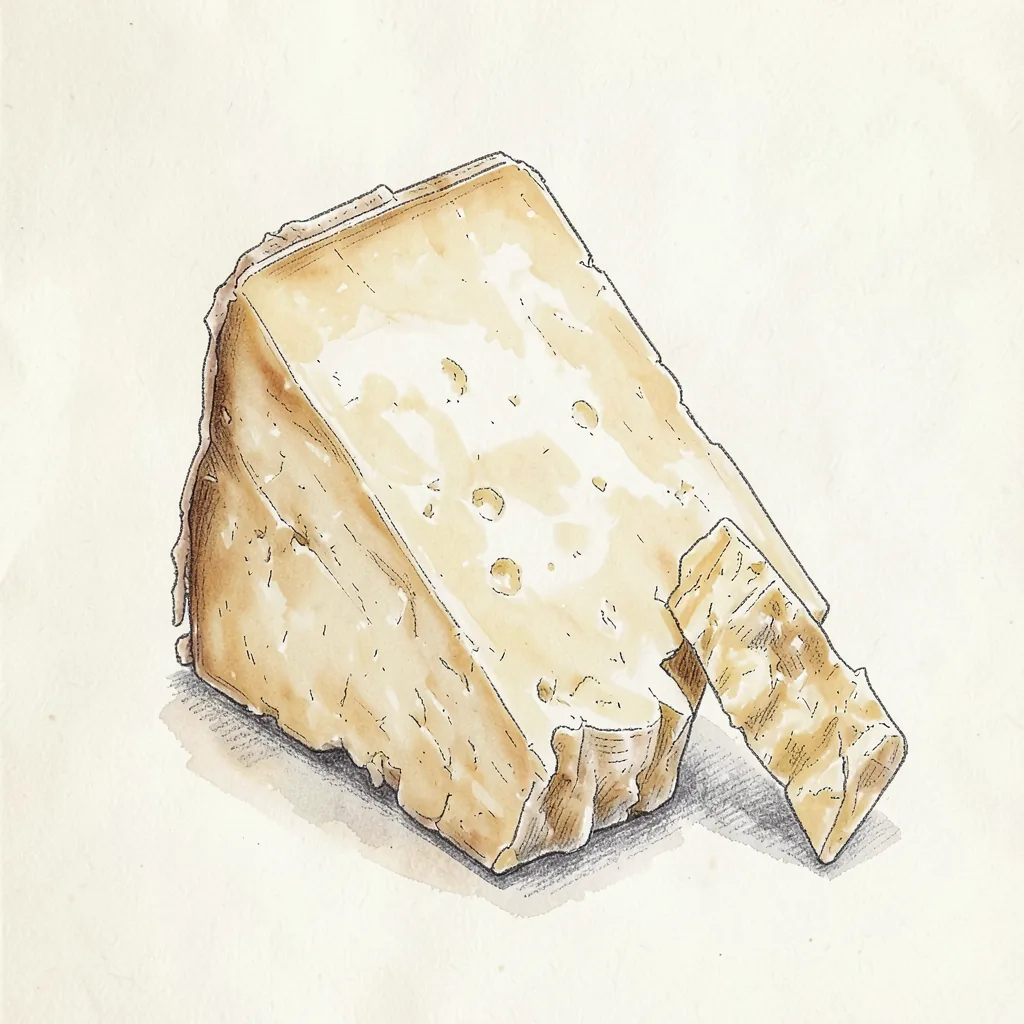
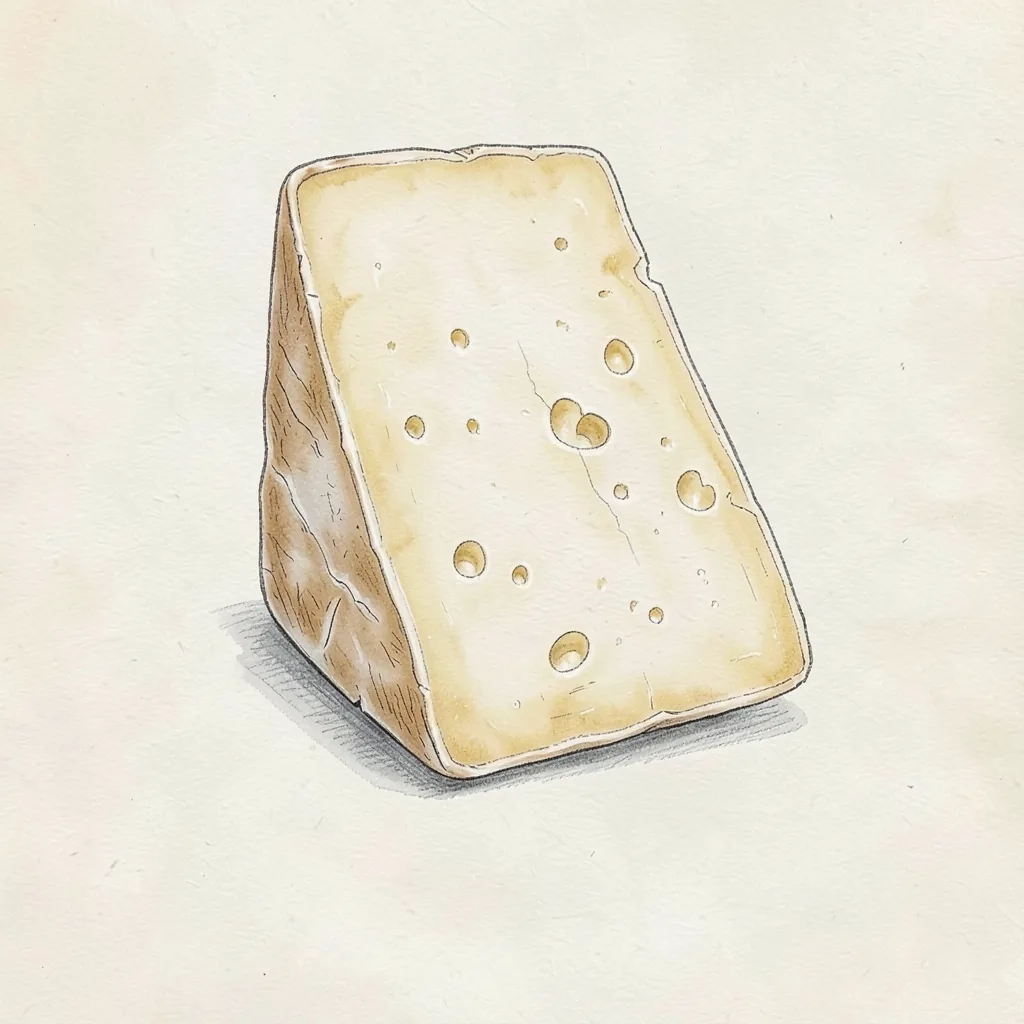
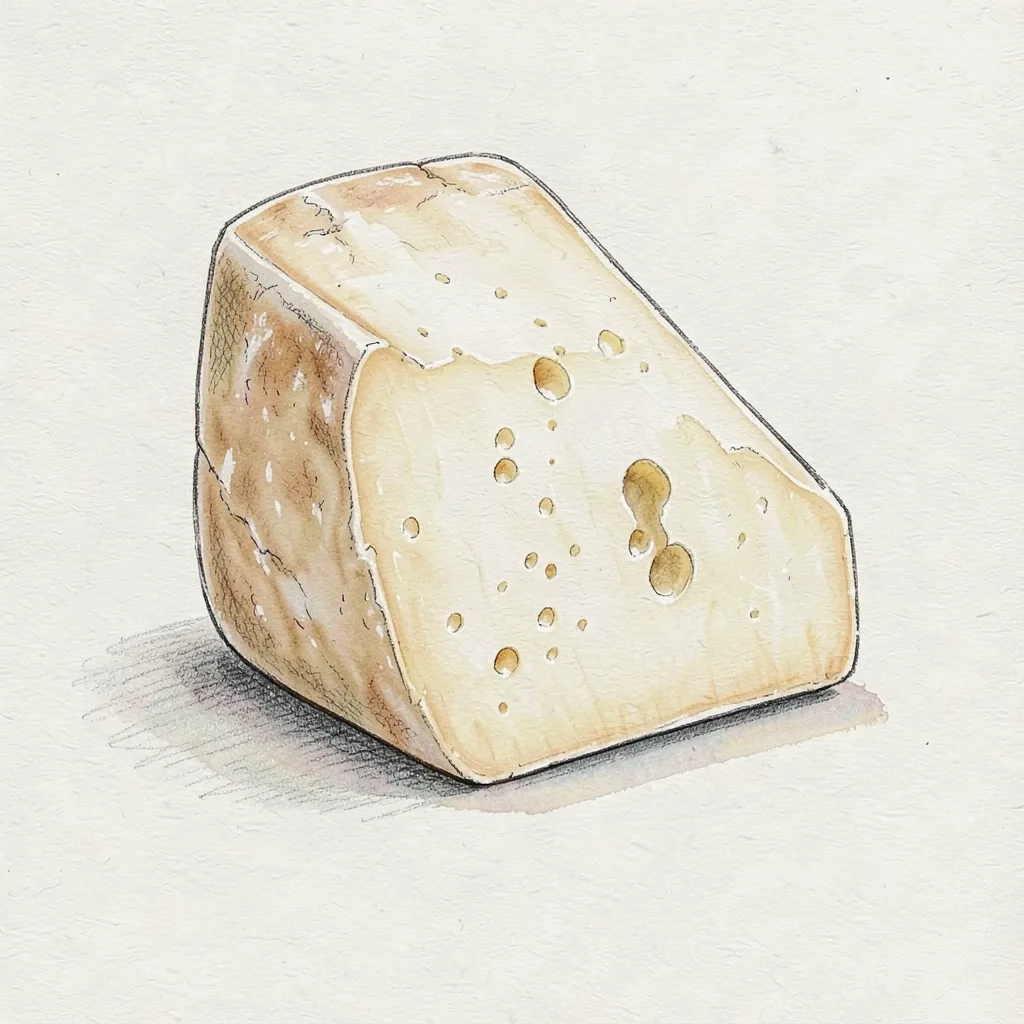
It is a pressed cheese with a close, moist texture and a mild, buttery taste. Young wheels are supple and gently nutty, and with more age the paste firms and picks up a light sharpness. It stays less aggressive than many long-aged British cheeses. A natural rind is typical on a cloth-finished wheel, and the cheese suits both the table and the kitchen.
People sometimes treat the name as a generic label for a mild Scottish pressed cheese. A wheel sold simply as Dunlop can come from more than one dairy, so the maker still matters. The best examples taste sweet and clean, with a buttered-nut finish and a texture that slices without crumbling. It is moister than a very dry aged block. On the palate it feels rounded, not acidic, and it should not taste bitter or stale.
History
Dunlop grew up in Scotland as a whole-milk cheese at a time when many farm cheeses were made from milk left after butter making. Using the whole milk gave a richer, sweeter result, and the style spread through dairy districts in the country. It became a familiar Scottish cheese in its own right. Later industrial cheeses pushed it aside for a period. Interest returned among smaller makers who wanted a moist, mild pressed cheese with a Scottish identity.
The name is Scottish, and the country on a broad label is the United Kingdom. The word is now used for this style beyond any one dairy. Traditional wheels are still linked with Scottish milk and with clothbound ripening on wooden shelves. Smaller makers keep that slower path, while a more uniform creamery cheese can wear the same name. Either way, the idea is a sweet, close-textured cow's milk cheese rather than a crumbly fresh one.
How it is made
Makers start with cow's milk, warm it gently, and set it with rennet. They cut the curd, stir it, and let whey drain until the pieces are firm enough to knit. Salt is mixed through the curd. The curd goes into molds and is pressed so the paste closes and holds a little moisture. That pressing, not a long cook, gives Dunlop its smooth body.
Traditional wheels are then clothbound or left to form a natural rind. They rest in a cool room and are turned so moisture does not collect on one face. Time firms the paste and builds the buttery flavor. A shorter rest leaves a mild, flexible cheese. A longer rest brings a drier edge and a clearer nut note, though the inside should not become harsh or granular.
Taste
Dunlop tastes sweet, milky, and buttery, with a light nut finish. Salt is moderate, and acidity stays soft. The texture is close and moist, so a slice feels smooth rather than crumbly or grainy. There can be a hint of grass or cooked cream, especially in a cheese from grazing season. Nothing in the flavor should sting, and it is a quiet cheese that becomes more interesting as you keep eating.
Age is the main source of difference. A young Dunlop is mild, almost gentle, and very easy to slice. More maturity adds a savory edge and a slightly firmer bite, still short of a biting tang. Clothbound wheels often taste deeper than a waxed or sealed block of the same name. A sound wheel smells of clean butter and warm milk, not of stale storage.
In the kitchen
Dunlop slices neatly for sandwiches, toast, and a ploughman's plate with bread and pickle. It melts in a sauce, a baked potato, or a grilled sandwich, and the mild flavor lets other ingredients show. Because it is moister than a very hard aged cheese, it softens without a long wait. Grate it coarsely for a vegetable gratin. Avoid a fierce boil, which can make even a gentle cheese oily.
On a board, pair Dunlop with apples, oatcakes, and a chutney that is fruity rather than fiery. It is a good bridge between a very mild fresh cheese and a sharper pressed cheese. Cubes can go into a salad with celery and walnuts. For cooking, a younger wheel melts more smoothly, while an older one adds a bit more savor to a sauce. Keep the cut cheese wrapped, because the moist paste dries at the face.
Around the world
Dunlop is still most at home in the United Kingdom, and especially in Scotland, where smaller dairies and farm shops sell it. Outside that market it is a specialist cheese, not a standard grocery item. A label may say Dunlop without much more detail, so ask whether the wheel is clothbound and how mature it is. Visitors who expect a single famous export brand may miss it. The cheese rewards a direct question at a good counter.
Cheshire and Caerphilly are useful substitutes when Dunlop is absent. Both are British pressed cheeses with a moist, mild character that can cover a board or a cooked dish. Lancashire is another option if you want a supple melt. A very sharp, dry aged cheese will not give the same sweet butter note. Pick a younger, gentler wedge, and season the dish as you would for a quiet Scottish cheese.