Cow
What it is
The paste is pale, lightly fermented, and left unsalted, so the flavor stays milky rather than sharp. Makers often lift this curd out of the early path used for Cantal, Salers, or Laguiole, then send it to cooks instead of to a long cellar. It is a kitchen cheese, and its reputation rests on hot potato dishes that need stretch.
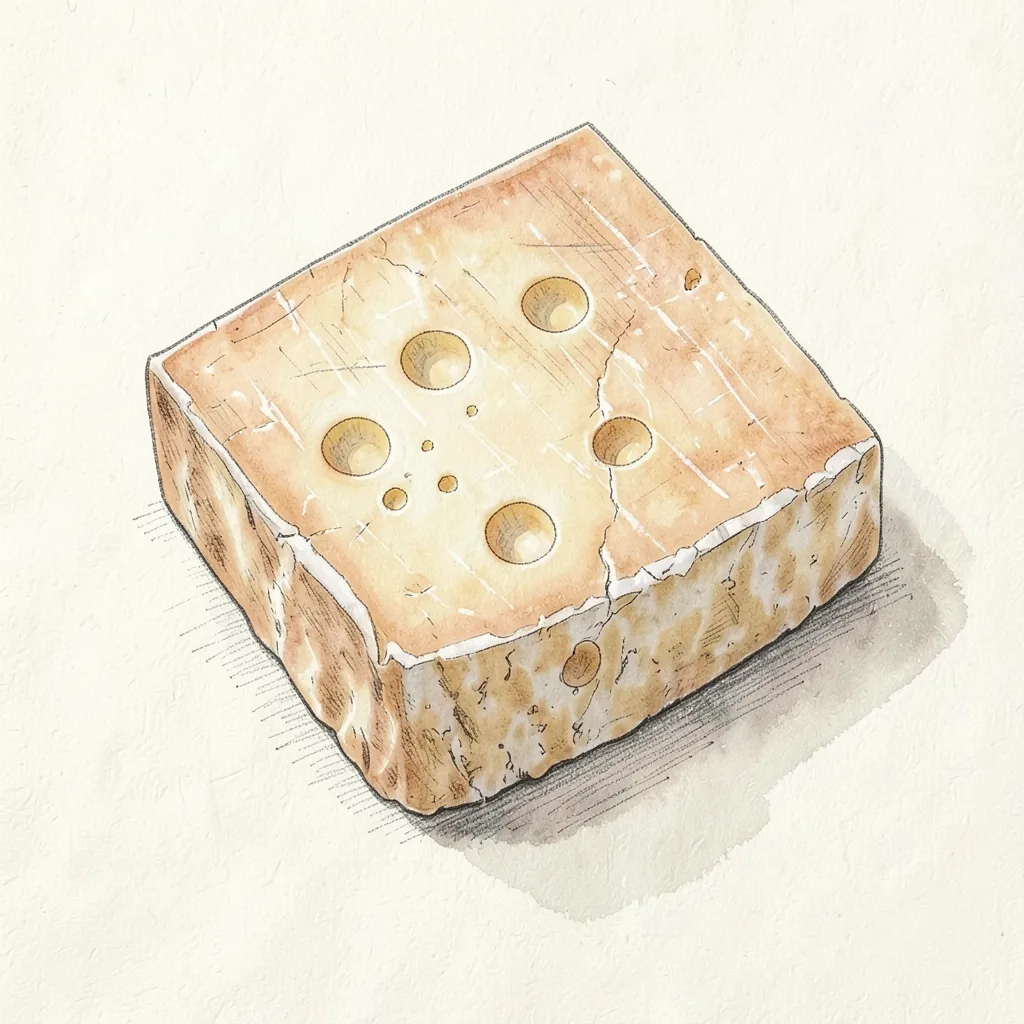
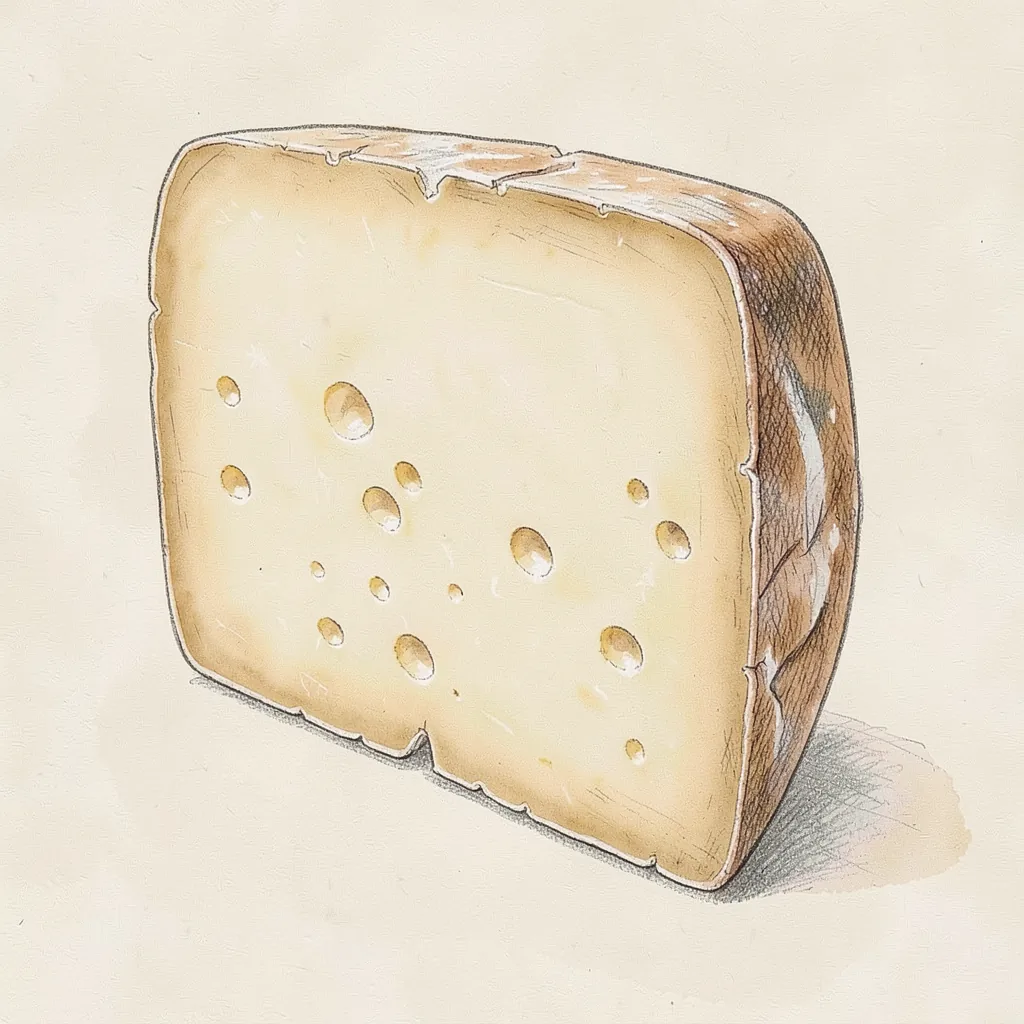
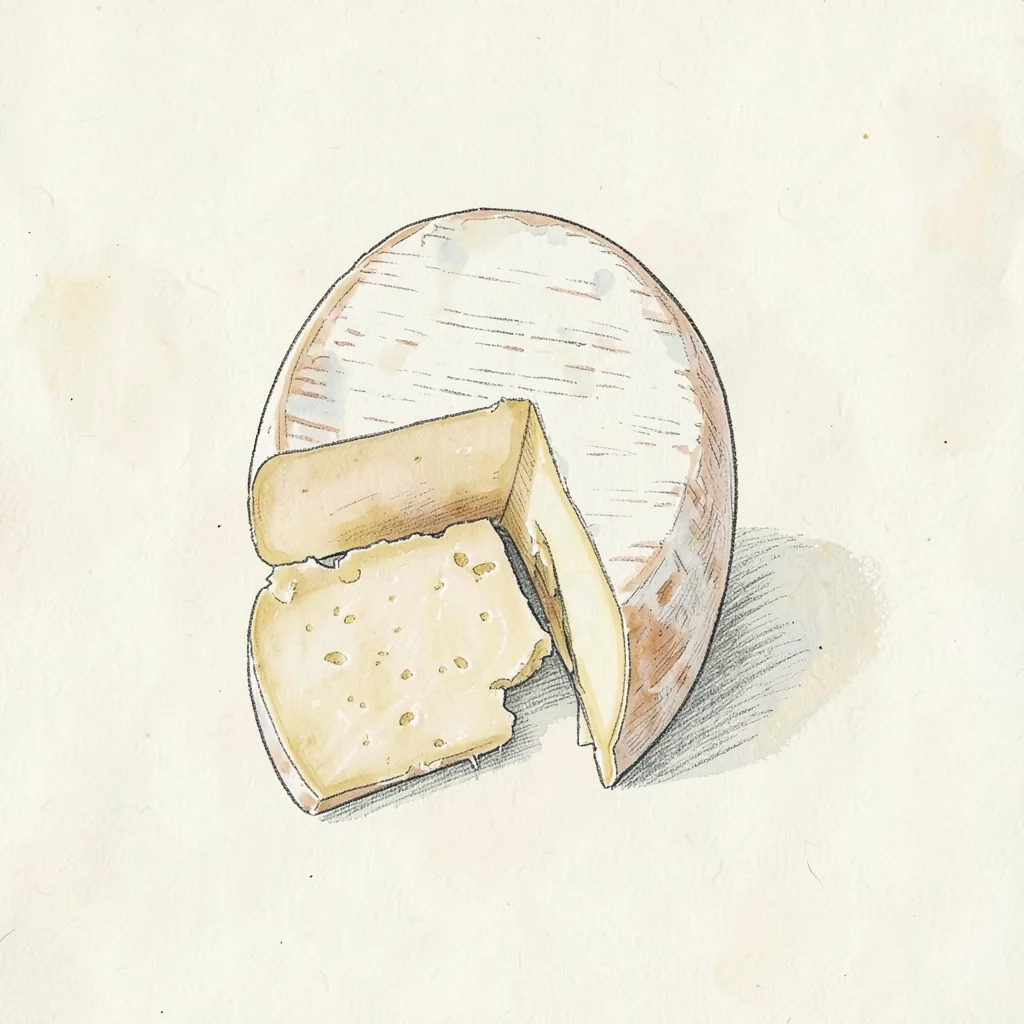
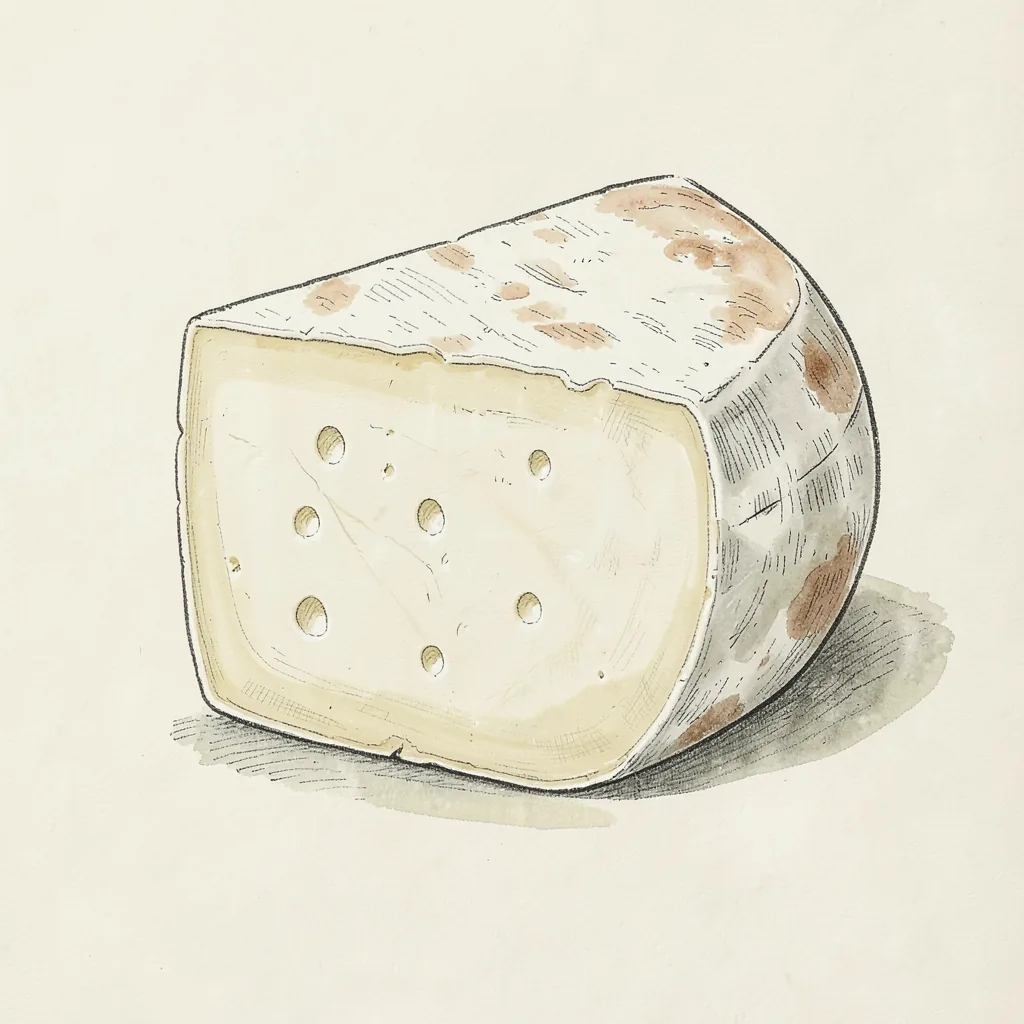
Shop labels may say tomme fraîche, and the Occitan name toma fresca points to the same fresh cheese. The block is supple but firm, with a few small openings and a color from cream to pale yellow. Nothing about it is meant for a long age on a board. Heat is what shows its character, and a good piece turns smooth, elastic, and able to pull into strands. Cooks buy it in cut portions or already ground, ready for the pan.
History
The word tome comes from the Occitan toma, a name for a fresh cheese, and in this part of France the spelling tome won out over tomme. That wording marks a cheese that has had a first working and has not yet become a long-aged wheel. Auvergne and Aubrac kept the fresh curd as a food in its own right, not only as a step on the way to something older. Farmers could sell it quickly, and cooks could use it the same day.
The cheese became tied to the potato cooking of the high pastures. Aligot, from Aubrac, whips the fresh tome into mashed potatoes and garlic until the mixture stretches from the spoon. Truffade, from the Cantal side of the same country, cooks potatoes with that curd in a skillet. Those dishes carried the unsalted cheese beyond the farm. A plain aged tomme from another valley is a different product, and it will not behave the same way in the pot.
How it is made
Cow's milk, often raw in the traditional Aubrac product, is set with rennet and cut so the curd can firm. The mass is pressed without a long cook, which keeps moisture in the paste and leaves it able to stretch later. A short fermentation gives a light acidity, and salt is not worked in. Because the cheese is not ripened, no rind develops, and the interior stays pale, closed, or only lightly open.
In practice, the curd belongs to the same family of pressed, uncooked curd used at the start of Cantal, Salers, and Laguiole. Those cheeses go on to be salted and aged until they develop a rind and a stronger taste. Tome fraîche leaves the process before that turn, so it stays mild and supple. Dairies sell it as a cut portion or as ground cheese for kitchens that make aligot every service. The ground form melts fast, and the block lets a cook grate or slice to order.
Taste
Cold, the flavor is gentle, milky, and a little buttery, with a fresh lactic tang and almost no salt bite. The aroma suggests sweet milk and clean pasture rather than a cellar or a washed rind. The paste feels firm under the knife and tender on the tongue, not chalky and not crystalline. Acidity is noticeable but soft. People who expect a sharp aged cheese will find this one quiet, and that quiet is the point.
Heat changes both taste and texture. In a hot pan the cheese turns glossy and elastic, and the mild butter note spreads through potatoes or vegetables without covering them. Garlic, pepper, and browned potato do the loud work, and the tome supplies body and stretch. If the piece is stale or dried out, it can turn greasy or refuse to pull, so freshness matters. There is no blue mold, no thick rind, and no lingering pungency once the dish cools a little.
In the kitchen
Aligot is the classic test of this cheese. Warm mashed potatoes, a little garlic, and tome fraîche are beaten until the mixture forms a smooth ribbon that stretches from the spoon. Truffade uses the same cheese with potatoes in a skillet, often with cured pork nearby on the table. The curd also goes into gratins and vegetable tarts where a mild melt is wanted. It is not a dry grating cheese for the table in the way a long-aged wheel is.
Use it as the dairy in the dish, not as a finishing shard. Shred or crumble it into hot potatoes while they are still steaming, and keep the heat moderate so the proteins stretch instead of splitting into oil. A young Cantal, Laguiole, or Salers can help in a recipe, but those aged cheeses are saltier and less elastic. For a board, choose a ripened tomme. For aligot, stay with the fresh unsalted curd, and serve the dish as soon as it pulls.
Around the world
Outside Auvergne and Aubrac, tome fraîche is still mostly a French cooking ingredient, found where regional food is sold and in restaurants that serve aligot. Travelers meet it on a plate of potatoes more often than in a cheese shop display. Export is limited because the cheese is unsalted, moist, and meant to be used fresh. A pack of ground tome travels better than a soft block, and that is the form many kitchens buy. The name on the label matters more than a pale color alone.
When the real curd is missing, cooks look for another mild pressed cheese from the same family. Young Cantal is the usual stand-in, and Laguiole or Salers can melt in a potato dish if you accept more salt and a firmer bite. None of those will copy the stretch of true tome fraîche exactly. A generic aged tomme from another French region is a different cheese, with a rind and a longer life. Buy the fresh, unsalted block if the label says tome fraîche.