Cow
What it is
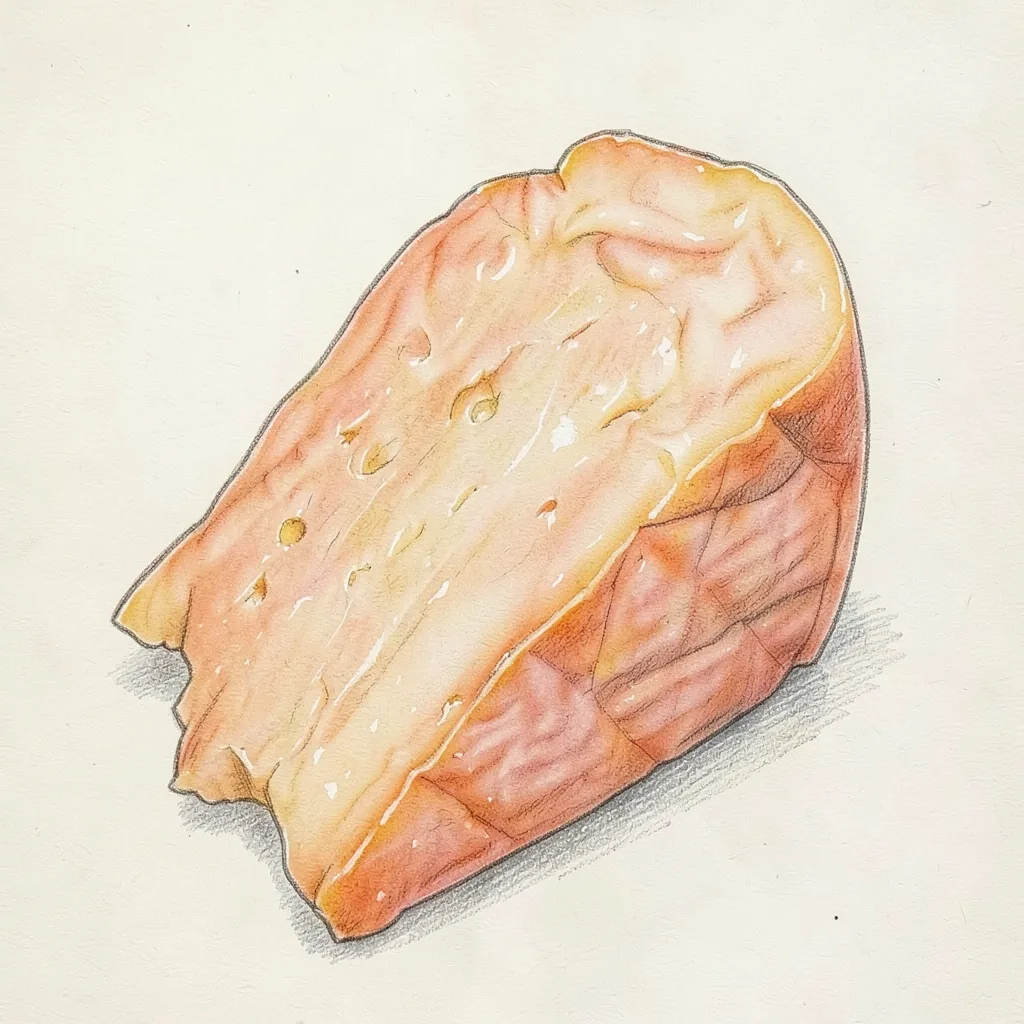
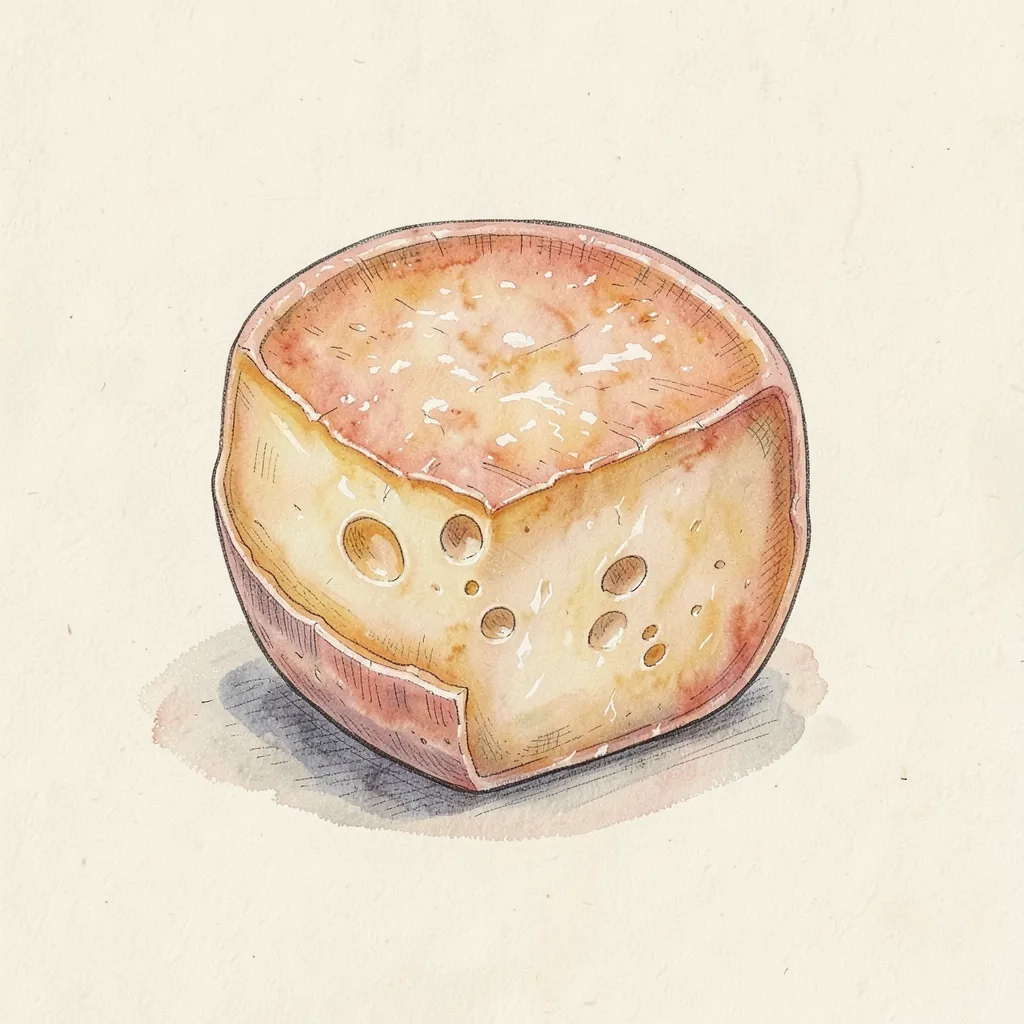
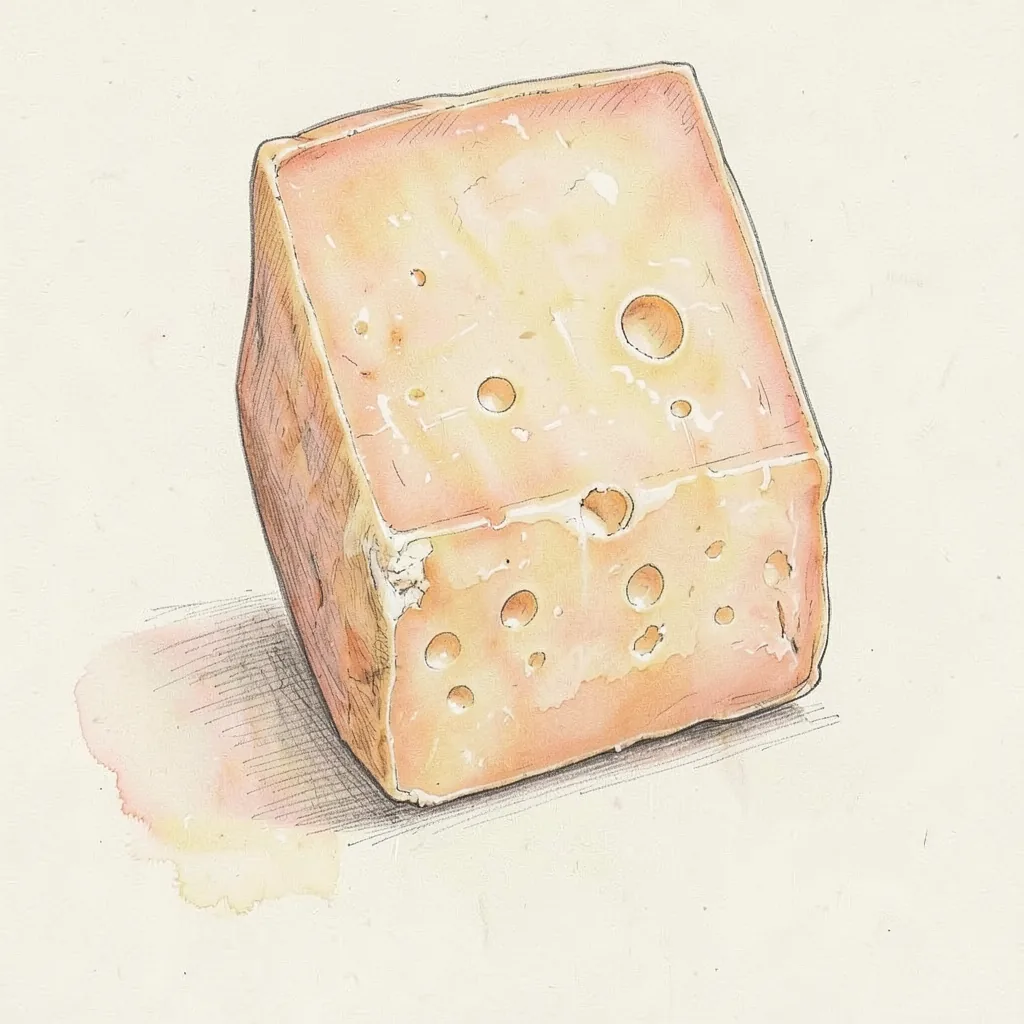
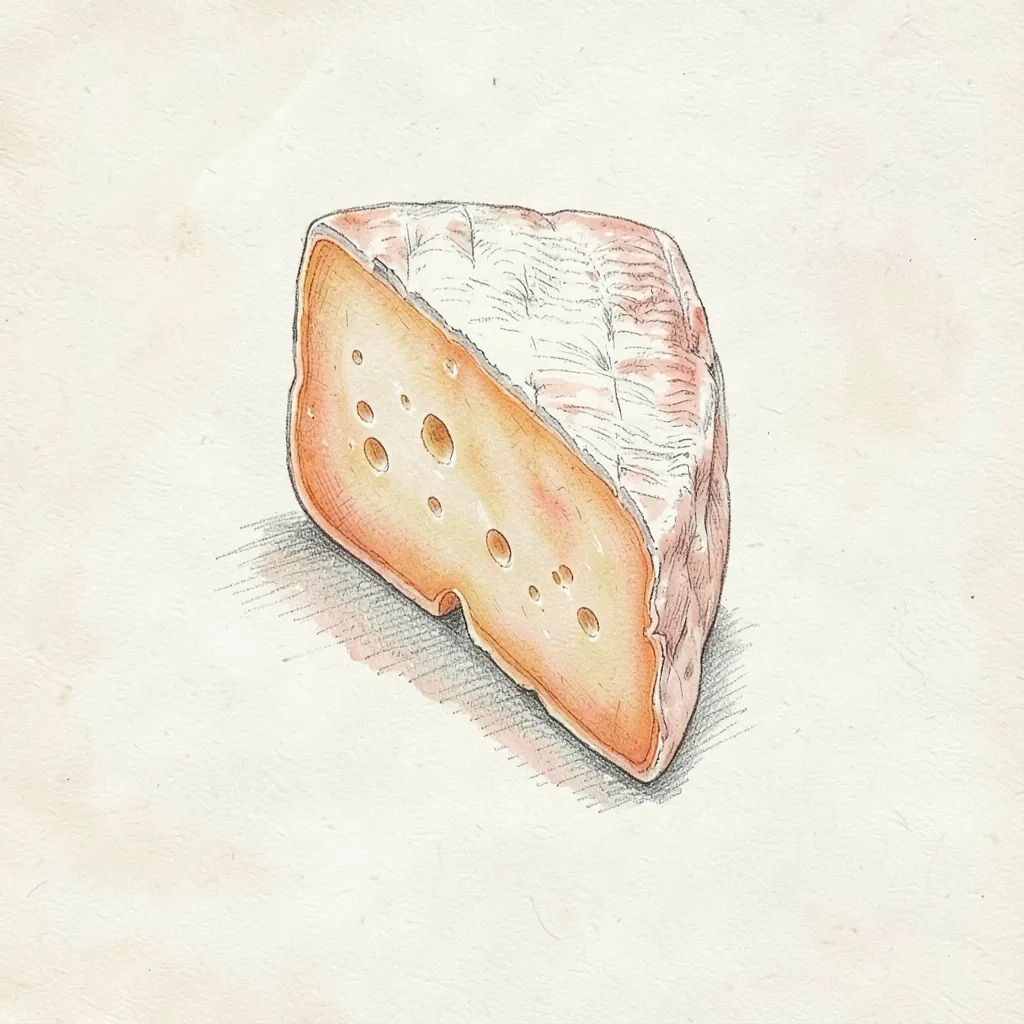
The format is a small square, and the paste is unpressed, moist, and elastic. The rind is orange to red and is washed with beer while the cheese ripens, which feeds the aroma, and traditional milk is raw. The flavor is savory and full, but many people find the smell stronger than the taste. It is a cheese-shop cheese, not a mild slice for everyday sandwiches.
Sable du Boulonnais is another name for the same cheese. The square shape and the beer-washed rind are the clues on a counter crowded with other strong French cheeses. Maroilles, Munster, and Pont-l'Eveque can sit nearby and smell powerful too, and Vieux-Boulogne is often named among the strongest of that group. The paste stays soft enough to spread a little once it warms. You eat it for the contrast between a loud rind and a rich, salty interior, and it is not a block for grating.
History
Vieux-Boulogne is a modern artisan cheese from France, not an old farmhouse name tied to one village story. It was developed in the washed-rind tradition, where beer and soft cow's milk cheeses already shared a table. The square format and the beer wash gave it a clear identity next to older pungent cheeses. The smell made the name travel faster than the cheese did, and writers began to cite it when they wanted an example of a powerful aroma. The cheese itself stayed a small-production item.
No stamp or slogan is required to tell the story honestly. The cheese is known because makers wash a square of cow's milk cheese in beer and sell it ripe and pungent. It did not become a brand in every supermarket dairy case. Specialty shops and French counters are the normal route, and outside those shops people often know the reputation before they know the taste. A famous smell is not the same thing as a cheese you can assume is on the local shelf every week.
How it is made
Raw cow's milk is set with cultures and rennet, and the curd is ladled into square molds. The cheese is not pressed hard, so the paste keeps moisture and a supple, elastic texture. Salt is added, and the young squares go into a humid room to ripen. During that time the rind is wiped with beer, which encourages the orange-red surface life that washed-rind cheeses are known for. The beer is a rind treatment, not a flavor stirred through the paste.
Affineurs turn the squares and repeat the wash so the rind stays moist and active. Color deepens from pale orange toward a redder coat, and the aroma builds as the surface ripens. You will notice the smell before the paste looks any different. When the cheese is ready, the center should still be intact and creamy, not collapsed. Overripe pieces can smell harsher and taste less balanced, so buy from a shop that keeps washed rinds cold.
Taste
The first impression is the smell, which is pungent, yeasty, and savory, with a barnyard edge that some tasters link to the beer wash. On the tongue the paste is milder than that smell suggests, though it is still strong. Expect salt, a light sweetness, and a soft tang, with hints of broth, onion, or mushroom. The texture is moist and elastic, not chalky or hard. A thin taste of rind with a larger taste of paste is the usual way to learn the cheese without being overwhelmed.
If you only smell the square in a warm room, you may decide before you taste, and that would miss the point. Cold, the aroma is quieter, and at serving temperature both smell and flavor open up. The finish is savory and lasting, not sharply bitter when the cheese is in good condition. Ammonia that stings the nose means the piece is past its best. A good Vieux-Boulogne is powerful but still eats as cheese, with a rich paste under the funk.
In the kitchen
Serve Vieux-Boulogne on a board with bread, and keep the portion small. A square this aromatic will dominate fruit, nuts, and any mild cheese beside it, so give it space on the plate. Beer is a natural drink beside it. You can spread the soft paste on crusty bread and leave most of the rind if you like the full aroma. Cooking is possible but rarely kind, because heat pushes the smell through the kitchen and can turn the rind harsh.
If a recipe calls for a strong washed-rind cheese and this square is what you have, add it near the end, and do not bake it uncovered for a long time. Most of the time, leave it off the stove and keep it for the board. Munster, Maroilles, or Pont-l'Eveque can stand in when you need a French washed-rind presence and cannot find this cheese. Epoisses is another powerful option, often soft enough to spoon when ripe. Match strength to strength.
Around the world
Vieux-Boulogne is famous beyond France mainly as a reference point for smell. Cheese writers cite it when they talk about pungent cheeses, and shoppers may recognize the name before they see a square. Actual distribution is limited. You find it at serious cheese counters and by special order more than in a standard dairy case, which is normal for a raw-milk washed rind with a strong aroma and a short life. Do not expect a corner grocery to stock it beside mild sandwich cheeses.
In countries that like bold washed rinds, local examples can satisfy a similar curiosity. Limburger, Munster, and Stinking Bishop are names people already use when they want a cheese that announces itself across a room. None is beer-washed Vieux-Boulogne, and none copies the square format exactly, but they do show that smell and taste are not equal. If you are in France, a counter that keeps washed rinds is the likely place to meet the cheese. Ask for it by name, and expect a strong aroma.