Cow
What it is
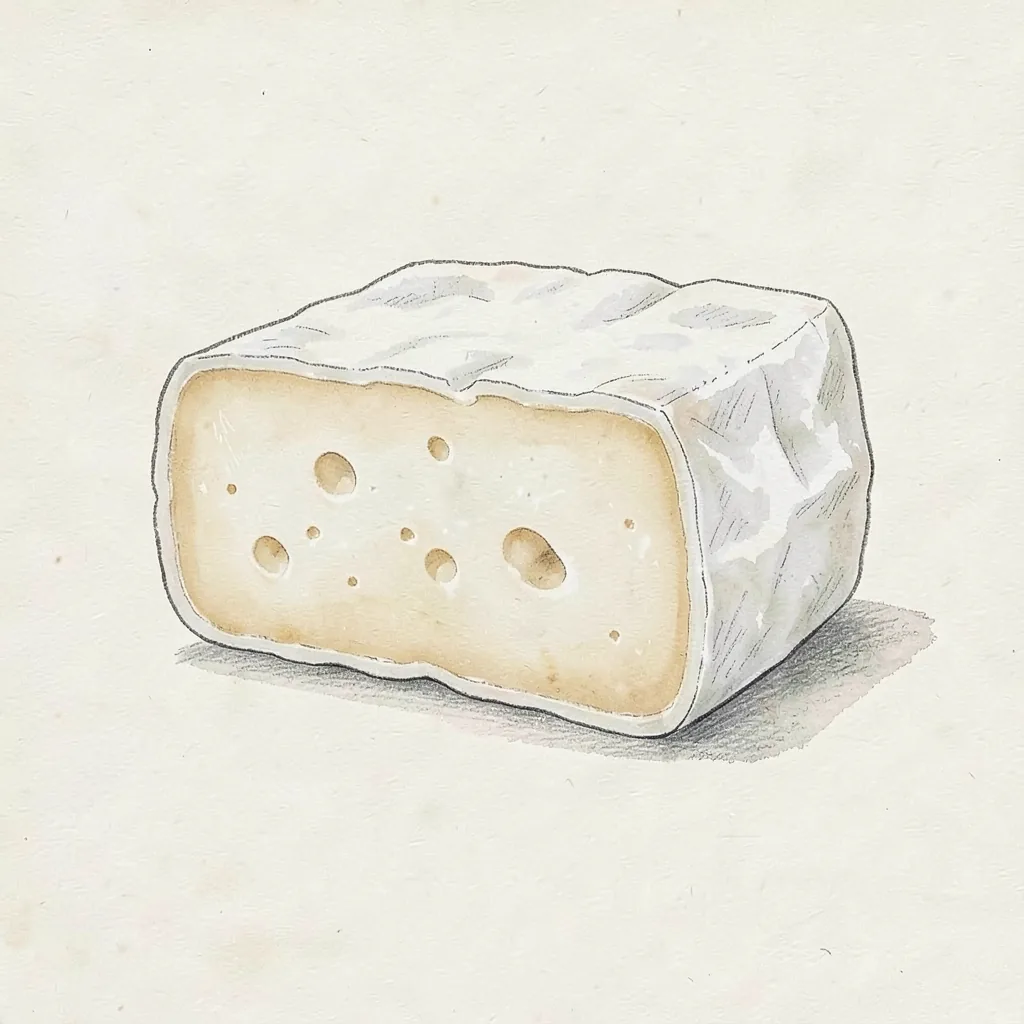
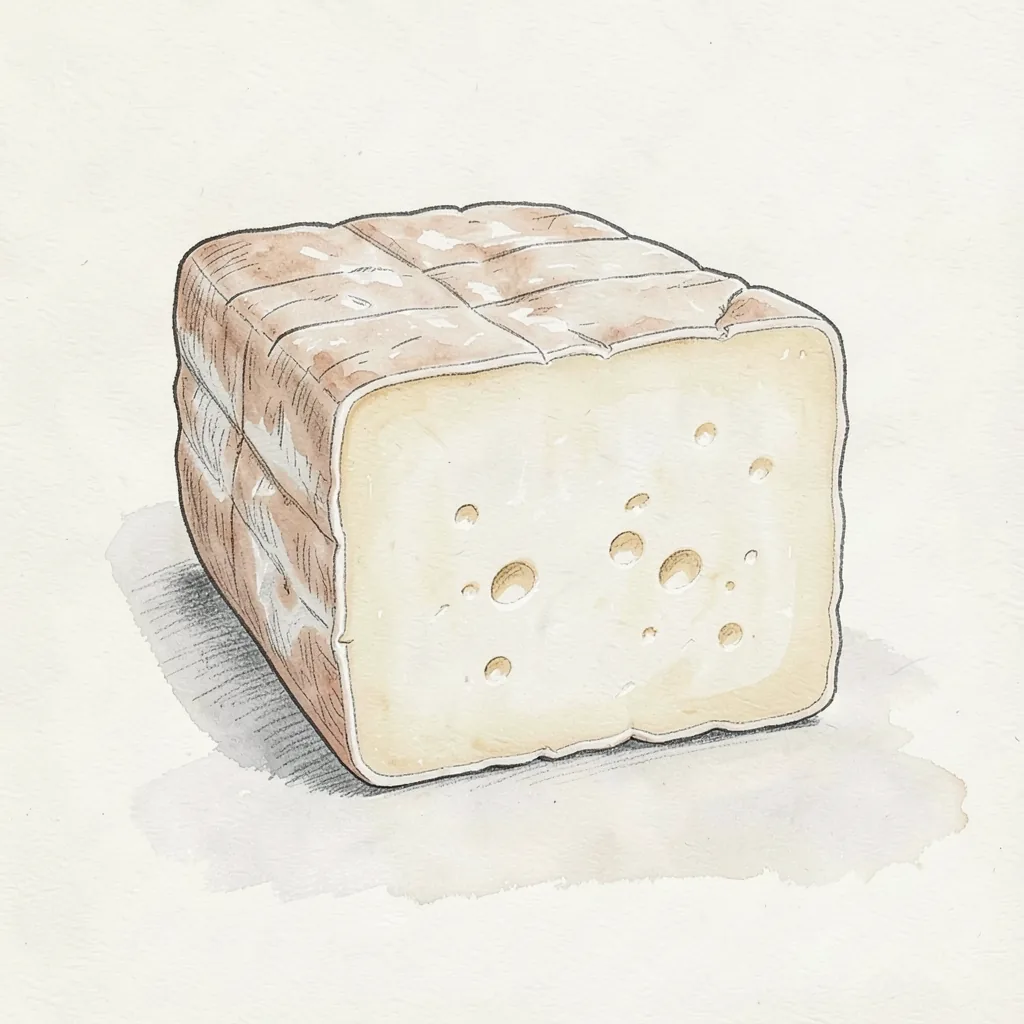
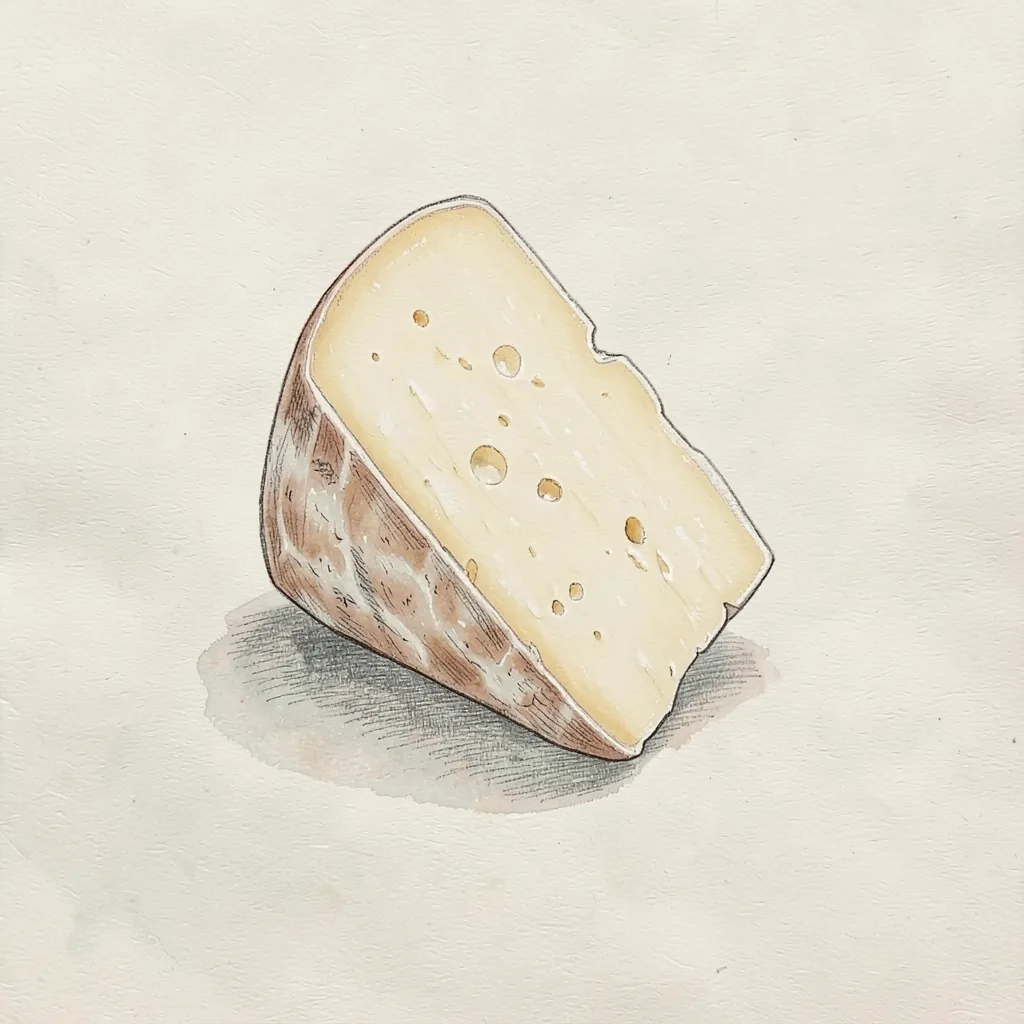
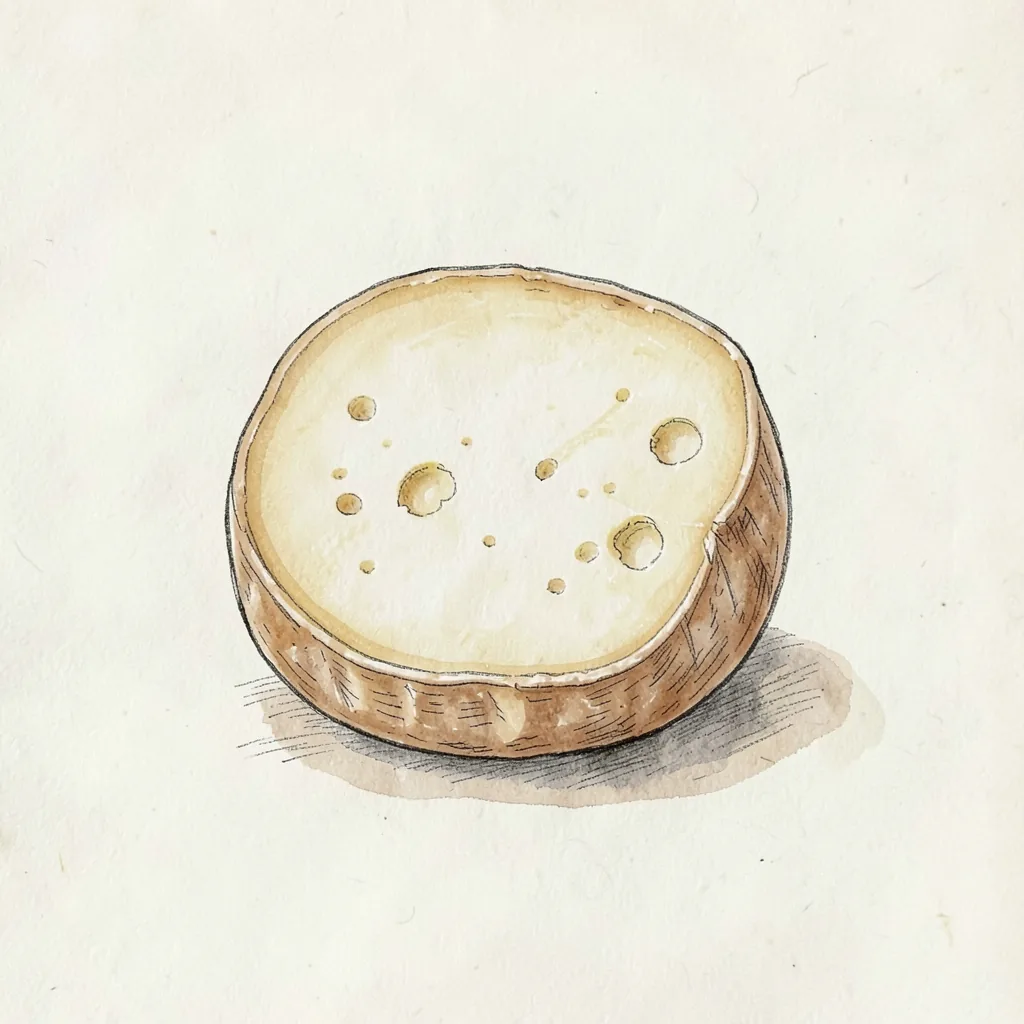
Makers use skimmed milk, and they produce it in summer, when milk from the mountain season is on hand. The cheese is pearly white, rindless, and meant to be eaten while it is still very fresh. The taste is lightly tangy and fragrant of milk, with no long-aged sharpness. It is a small local cheese, not a wheel built for distant trade.
Because the cheese is kept only briefly, the paste stays soft and moist. There is no thick rind to trim and little salt to push the flavor. A piece is best with bread or in a plain sandwich. It can also sit beside salad leaves as a mild, milky bite. Once it dries or sits too long, the fresh character that defines it is gone.
History
The cheese carries a local name from the mountains of Piedmont. Summer milk there was turned into small fresh cheeses for the household, not into huge wheels for export. Acceglio never became a widely traded name, and accounts of Italian cheese now describe it as rare, with only a little made. Much of that small make stays close to where it is produced.
Production is seasonal, tied to summer, and it has never been scaled like the famous aged cheeses of northern Italy. There is no long cellar tradition attached to this particular cheese. Families and small makers kept it as food to eat at once. That is why references stay short and why the cheese is easy to miss in a survey of Piedmont. It is not a cheese sold on an ordinary shop counter.
How it is made
Skimmed cow's milk, often raw, is warmed only gently and set with rennet, and lamb rennet is the kind often named for this cheese. After the milk sets, the curd is shaped into small rounds. The rounds firm for a short time and are not given a long aging. No spice and no smoke are added. The result is a rindless disc with a pearly white paste.
Because aging is so short, there is no rind washing, no wax, and no cloth binding. The cheese is unseasoned, so any salt is minimal or absent. A disc that is held too long loses the fresh milk taste and is no longer the cheese as it is meant to be. Output stays small, and some descriptions treat the make as nearly gone. What remains is a summer product for prompt eating, not a stock item.
Taste
Fresh Acceglio tastes of sweet skimmed milk with a light tang. The paste is soft, moist, and pearly white, and it yields without a rubbery pull. There is no salt-forward bite and no crystallized grit from age. The aroma stays clean and faint. If you want a loud cheese, this one will seem too quiet, and that quiet is the point.
The flavor can turn dull or sour if the cheese is old, dry, or warm for too long. At its best it is fragrant, fresh, and only slightly acidic. Fat is lower than in a cream-enriched fresh cheese because the milk is skimmed. That keeps the taste light rather than buttery. It is closer to a fresh table cheese than to a tome, a blue, or a washed-rind square.
In the kitchen
Eat Acceglio soon, with plain bread or inside a simple sandwich. It can share a plate with salad leaves, cucumber, or ripe fruit. Do not plan on grating it, and do not expect a long, stretchy melt. A moist piece can be spread or spooned if it is still soft. Strong condiments will cover the milk flavor, so keep the plate simple.
In Piedmont it is a summer table cheese, the sort that is finished in the house rather than stored. A few slices beside tomatoes are enough. If you cook with it, fold it into a warm dish at the end so it softens without frying hard. It will not brown into a crust the way a firm cheese does. Think of it as food to eat fresh, the way you would eat a young, mild, and rindless cheese.
Around the world
Acceglio almost never travels far from Piedmont. It is too fresh, and made in too small a quantity, for a normal export trade. Many cheese shops outside Italy will not know the name at all. Visitors in the region are more likely to be offered aged wheels with famous names. At home, the cheese remains a seasonal bite for people near the make.
Someone who wants the same role abroad should look for another fresh, mild cow's milk cheese with little or no rind. A soft bloomy cheese will be richer and mushroomy. A brined cheese will be saltier and more acidic. A Piedmont toma or a young pressed wheel is a different food, even if it comes from the same region. The match is freshness, skimmed-milk lightness, and a short life.