Cow
What it is
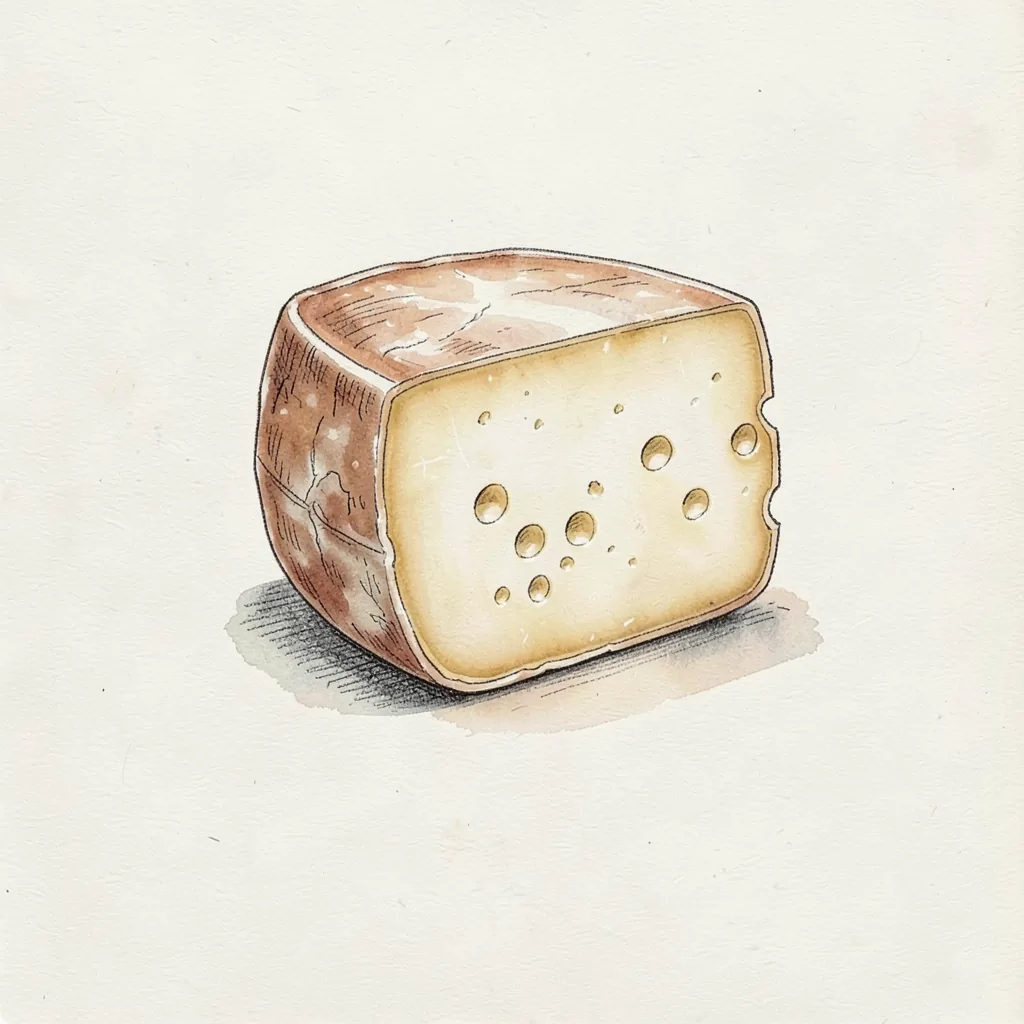
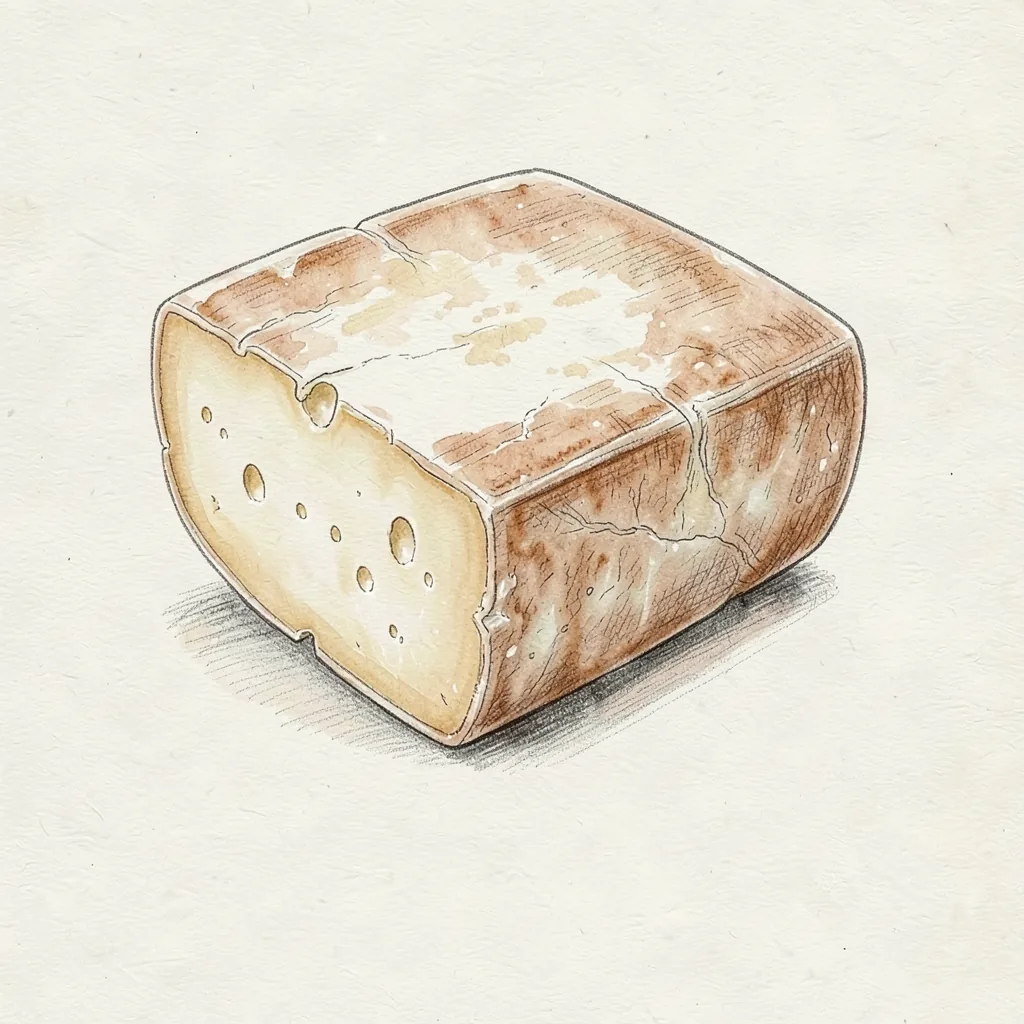
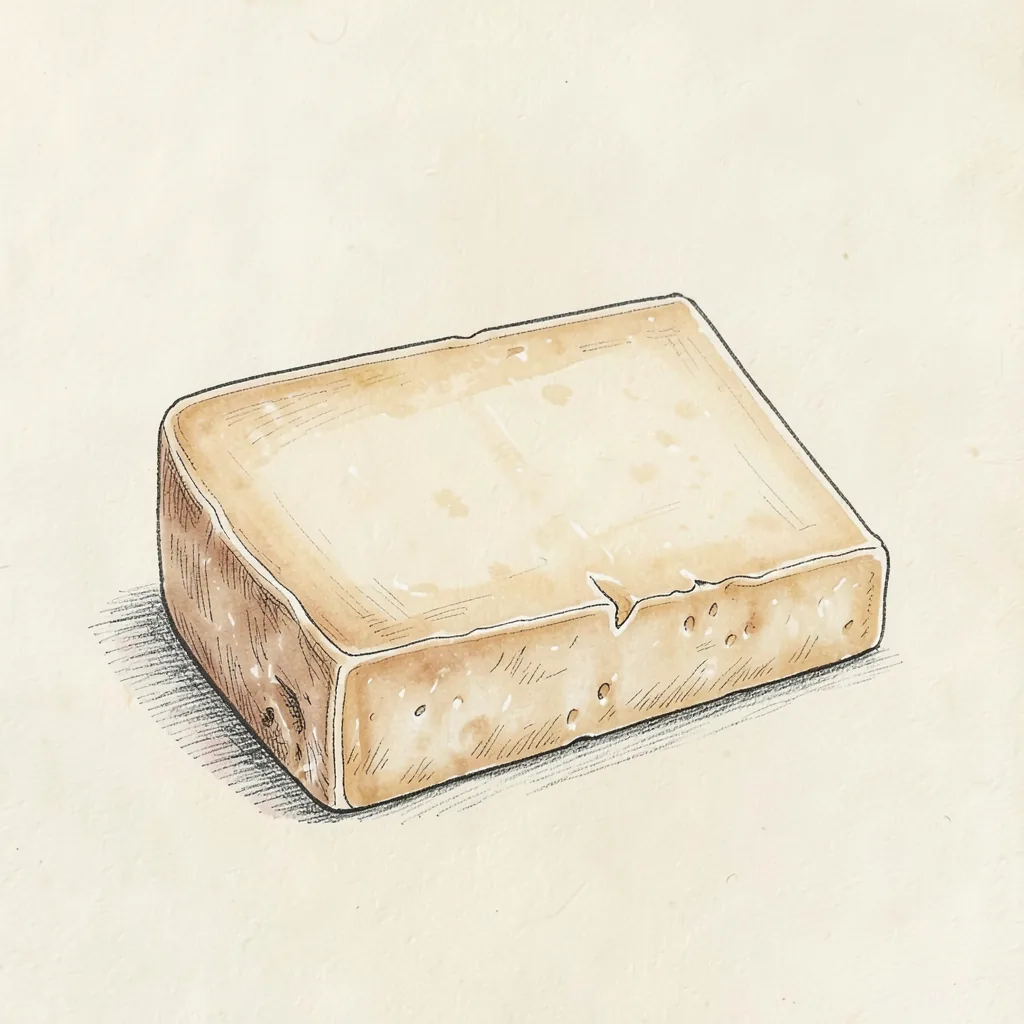
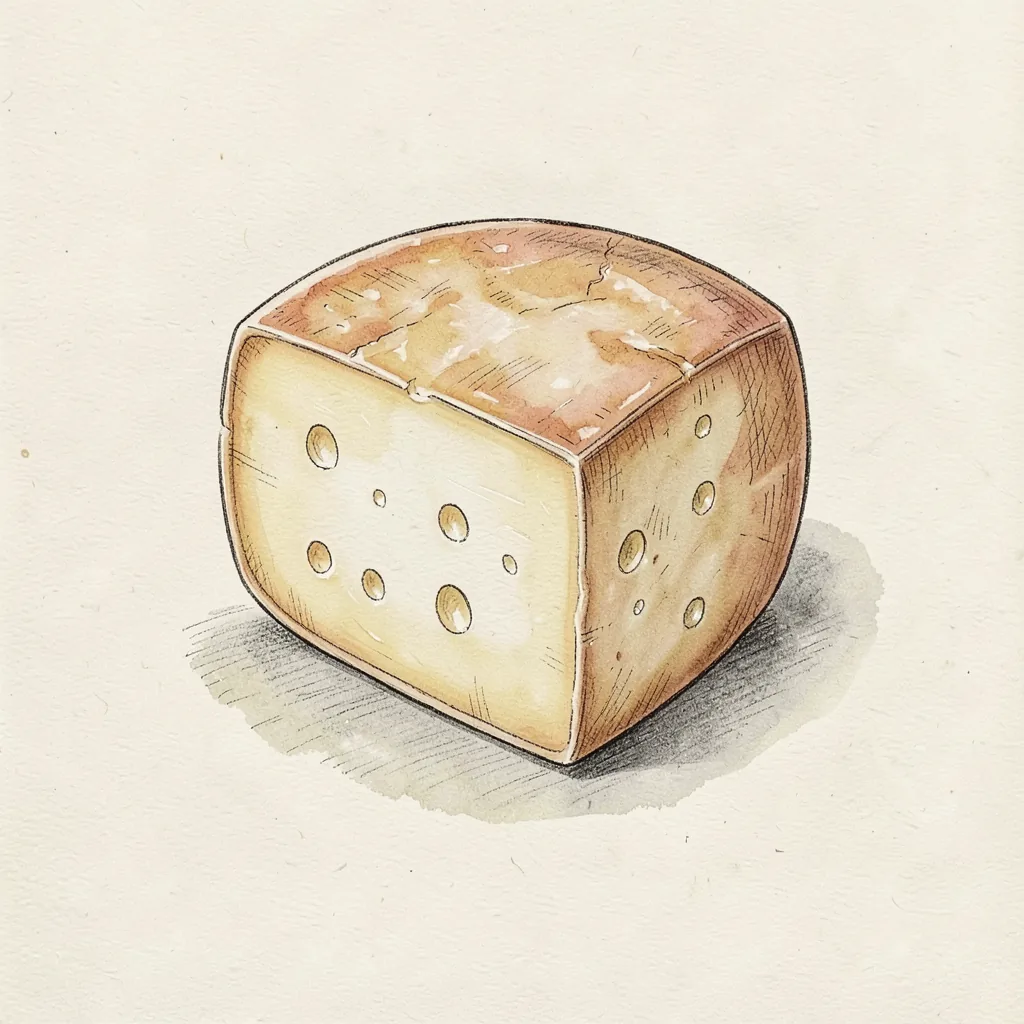
Herders make it on high pastures while the cows eat summer grass and alpine herbs. The milk is raw, and the wheels have no eyes, unlike many other Swiss cheeses. A younger wheel is firm and full. The very dry form, called Berner Hobelkäse, is shaved into thin curls because a knife will not cut it cleanly.
The paste is dense, pale to straw colored, and breaks rather than bends. Salt and water are rubbed on the rind, which stays firm and dry rather than sticky. Smell is milky, with a light note of the wood fire used under the vat. Taste starts mild and slightly tangy, then turns spicy as the wheel dries. People buy it for a board, a grater, or a hot dish that needs a strong alpine cheese.
History
Alpine cheese in the Bernese high country is tied to the summer pasture season. Cows move up to flower-rich meadows, and the milk is made into cheese where it is drawn, not carried down to a valley plant. The work is done by hand, often over a wood fire, in small mountain dairies. Only milk from those alpine farms goes into Berner Alpkäse. That limit keeps the taste tied to one set of herbs, not to lowland winter feed.
The name Alpkäse simply means alpine cheese, and many Swiss regions make a cheese under that broad word. Berner Alpkäse is the Bernese form, with its own rules for pasture, raw milk, and the way the rind is rubbed. A wheel kept much longer becomes Berner Hobelkäse, the planing cheese. Makers stand those very hard wheels upright and shave them into ribbons. The two names mark age and use, not two unrelated recipes.
How it is made
Fresh raw cow's milk from the alp is set with rennet and with a culture grown from saved whey. The curd is cut very small, then warmed so the grains shrink and lose moisture. Makers pack the curd into round molds and press it into a heavy wheel. After pressing, the wheel sits in brine. Later the rind is rubbed with salt and water while the cheese rests in a cool room.
Heat under the vat often comes from a wood fire, which leaves a faint smoked edge in the smell. The cheese is not cooked into a holey loaf. Small curd and a firm press give a blind paste, meaning a paste with no eyes. Aging continues until the wheel is hard, and the pieces chosen for Hobelkäse stay longer still, until they are brittle enough to plane. Nothing in the method adds color, herbs, or a wax coat.
Taste
A young Berner Alpkäse tastes milky, slightly sour, and gently spicy. The alpine herbs come through as a savory background rather than a single flower note. As the wheel ages, the paste dries and the bite grows sharper. Salt from the brine and the rind rub stays present but does not dominate. The long-aged Hobelkäse is intense, brittle, and almost crystalline on the tongue.
There is little of the sweet, nutty openness people expect from a holey Swiss cheese. The flavor is tighter, more herbal, and more piquant. A thin shaving melts on the tongue and shows the fire-kissed aroma better than a thick chunk. Cold cheese from the fridge tastes flat, so let a piece warm before you judge it. If the rind is very dry, taste the paste first and keep the rind for people who like that salty edge.
In the kitchen
Shave Berner Hobelkäse over bread, boiled potatoes, or a simple salad when you want aroma without a heavy slice. Grate a firmer but still cuttable wheel into soup, onions, or a baked potato. The cheese melts, but it does not turn into a stretchy sheet, so use it where a savory pool is enough. On a board, pair thin pieces with butter and nuts, or a firm apple. Keep the portions small, because the taste is concentrated.
Do not try to cube a very old wheel for a snack platter, because the paste splinters. A cheese plane or a sturdy grater is the right tool, and curls look better than broken chunks. In a fondue-style pot it can join other alpine cheeses, but it should not be the only cheese if you want a smooth pull. Wrap the cut face so the rest of the wheel does not dry out in the fridge. The smell is strong but cleaner than a washed smear cheese.
Around the world
Outside Switzerland, Berner Alpkäse is a specialty wheel, not a standard block in every dairy case. Look for it at shops that carry alpine cheeses, and read the label for the Bernese name rather than a generic Swiss slice. Hobelkäse is the form most often shipped, because the dry paste travels well. If a counter only has eyes and a mild nutty taste, that is a different cheese. Ask whether the wheel was made on an alp from raw milk.
Gruyère is the usual stand-in when a recipe calls for a hard alpine melt and this cheese is missing. It is nutty and firm, but it is not the same pasture cheese. Bergkäse, sold under the broader mountain-cheese name, can also fill the gap on a board or in a bake. Emmentaler is easier to find and has large eyes, so it will not copy the blind, spicy paste. Alpkäse on a label may mean a different regional wheel, so check the Bernese name before you buy.