Cow
What it is
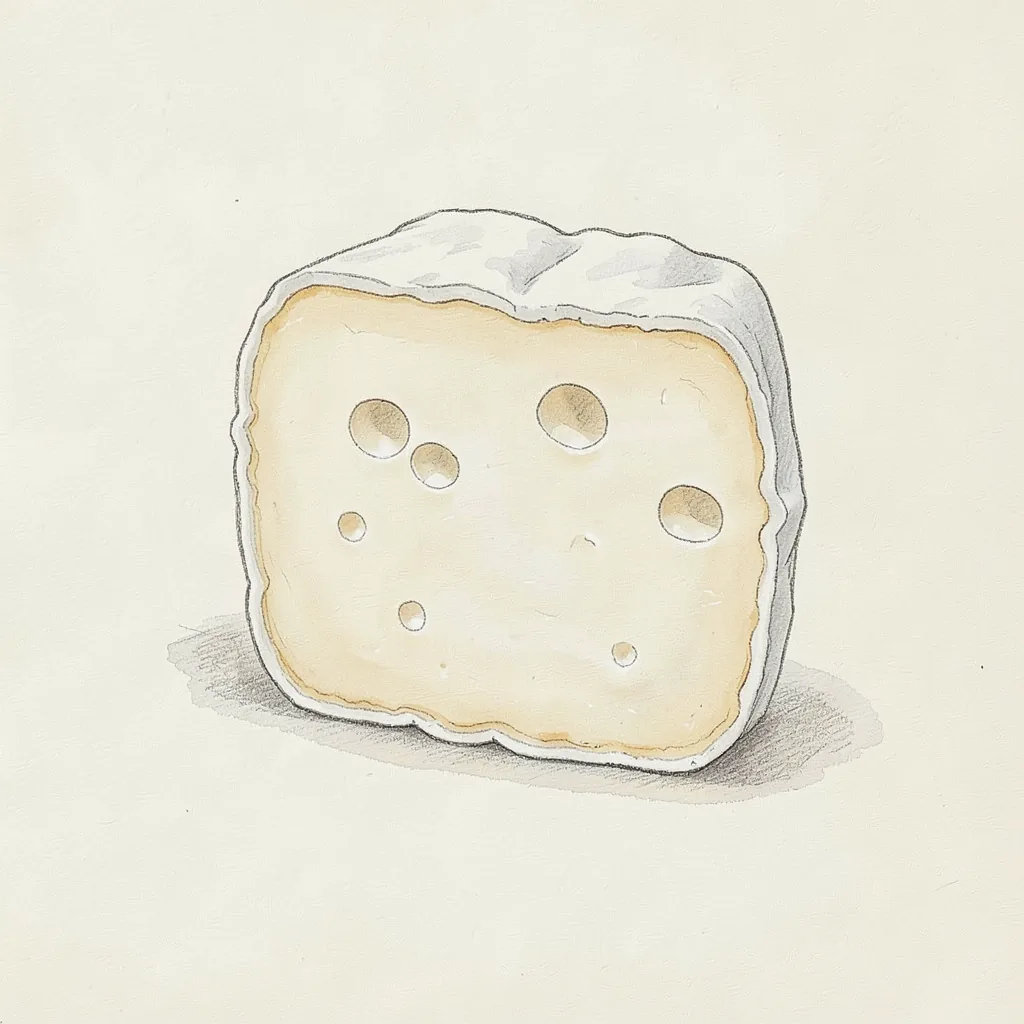
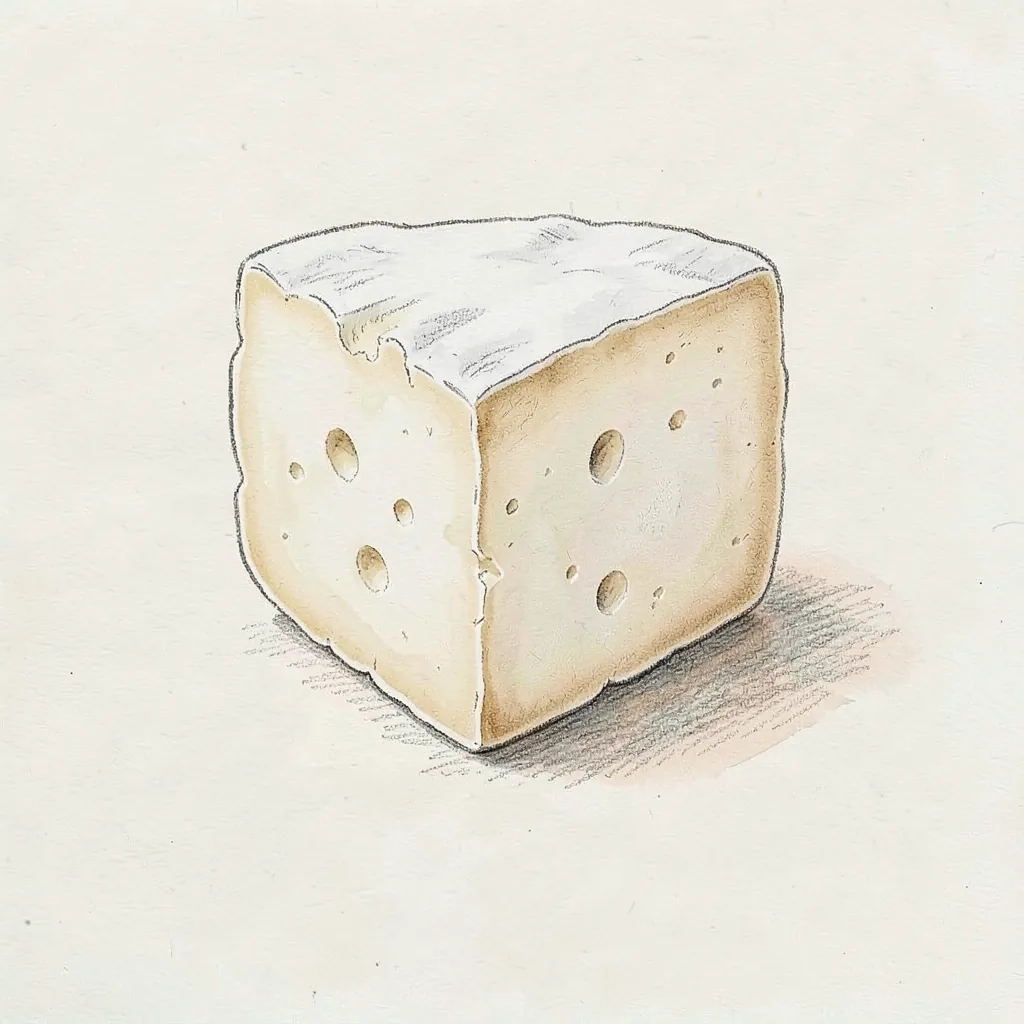
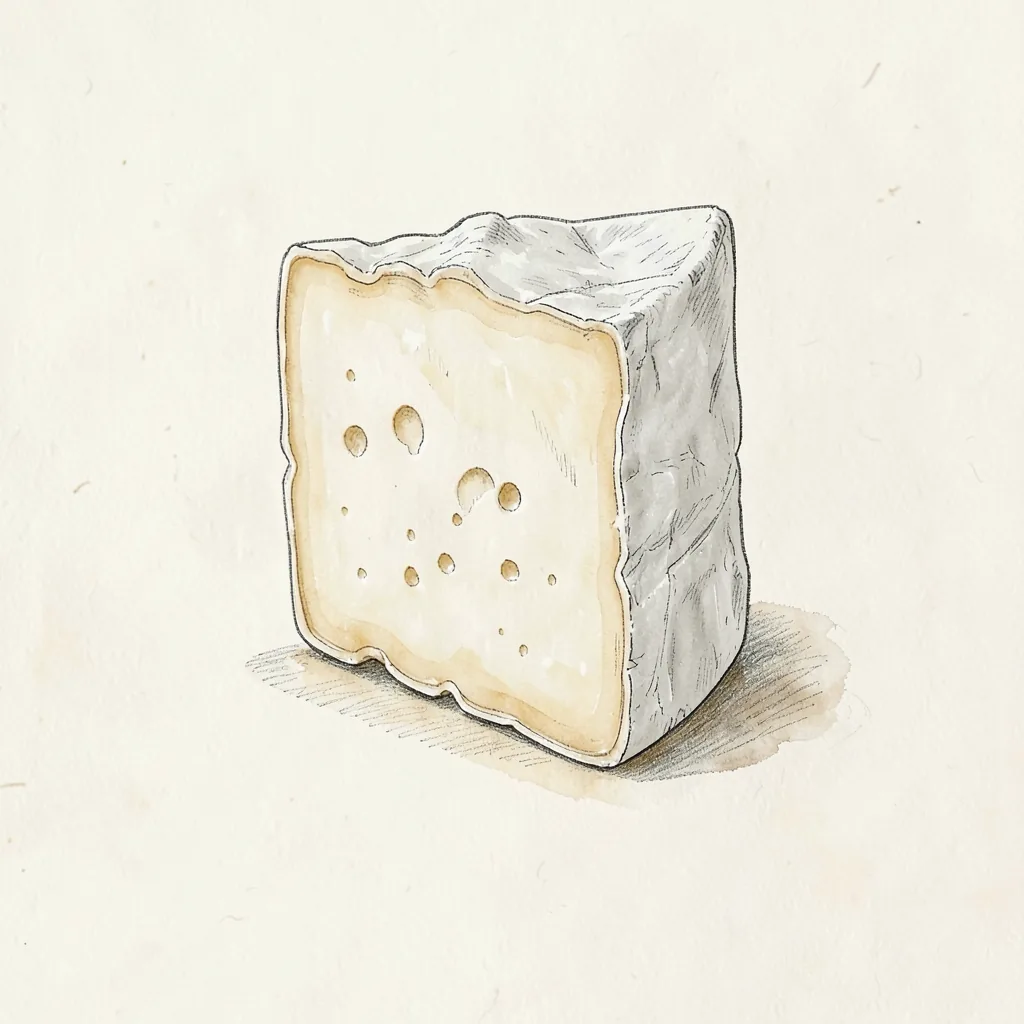
Cream is blended into the milk, so the paste is very rich and can turn spoonable when ripe. A white bloomy rind covers a pale, smooth interior. The style is a triple-cream cheese, which here means extra cream rather than a long aging. It is sold in small rounds for the table, not as a hard wheel for grating.
The flavor is mild, buttery, and lightly tangy, like thick cream with a soft lactic edge. Near the rind, a mushroom aroma grows as the cheese ripens. The center stays sweet and dense if the piece is still young. It is closer to a spread than to a slice you grate over pasta. People who like Brillat-Savarin usually recognize this cheese at once, and the two often share a board.
History
Délice de Bourgogne belongs to the French family of cream-enriched soft cheeses, and it sits beside Brillat-Savarin in that group. Burgundy is the region in the name, and France is the country on the label. The cheese does not come from a medieval farm recipe or from one famous village. It is made for people who want a lush, mild bloomy rind. Shops treat it as a ready piece for a cheese plate.
The path is straightforward even if the result tastes lavish. Cow's milk is enriched with cream, the curd is set soft, and a white rind is allowed to grow. French creameries already knew that path before this particular name became common in shops. What the name promises is richness and an easy flavor, not a fierce washed rind or a sharp blue. Buyers now find it in France and on many cheese counters abroad.
How it is made
Makers start with cow's milk and blend in fresh cream so the mix is much richer than a standard soft cheese. Cultures and a small amount of rennet set the curd gently. The curd is ladled into molds so the paste stays smooth and moist. A white mold is encouraged on the surface, and that mold becomes the bloomy rind. Salt stays light, because the cheese should taste creamy rather than briny.
Ripening is short compared with a pressed wheel. The rind turns white, and the paste softens from the outside inward. Smaller pieces are often eaten while they are still very mild. Larger pieces can rest a little longer and gain more mushroom aroma under the coat. There is no smear wash and no wax, and the finished cheese is wrapped and kept cold until it is served.
Taste
Expect butter, sweet cream, and a gentle tang, with salt kept in the background. The paste is ivory to pale yellow and feels dense, then silky if it is fully ripe. A line of softer cream under the rind is a good sign, not a fault. The rind tastes mushroomy and slightly earthy. If that earthiness is pleasant, eat the rind with the paste.
The flavor stays mild even when the texture is lush. It does not develop the sharp bite of a bloomy cheese that has aged a long time. A cold piece seems firmer and a little blander. A piece brought toward room temperature tastes richer and more aromatic. Bitterness is not part of the style, and the aftertaste should be clean dairy, with a faint mushroom echo from the coat.
In the kitchen
Serve Délice de Bourgogne on a board, cool but not icy, with bread, pears, or a few nuts. It spreads on toast and can be spooned beside a simple salad. A dry white wine or a mild cider fits better than a heavy red. Because the paste is rich, a small portion is enough for one person. Do not cover it with a strong chutney, or the cream flavor disappears.
Cooking is possible, but it is easy to overdo. A spoonful melted into a sauce or a tart makes the dish very rich, and high heat can cause the fat to separate. It is a poor grater and a poor cheese for the grill. Use it where you would use a lush soft cheese, raw or at the end of cooking. Keep the remainder cold and covered, and eat the cut piece soon.
Around the world
Cheese counters outside France sell Délice de Bourgogne as a triple-cream bloomy cheese, often next to Brillat-Savarin, Explorateur, and Saint-André. Those neighbors are the practical substitutes when the exact name is missing. Brillat-Savarin is the closest in spirit and in texture. Explorateur and Saint-André are also cream-enriched and soft, each with its own balance of tang and mushroom. Any one of them can carry a similar board.
The Burgundy in the name tells you a French region, and it does not mean every soft French cheese is the same. Brie is generally less rich and a little drier in feeling. Camembert is usually more savory and less purely buttery. A recipe that says Délice wants that spoonable cream texture. Where the exact cheese is missing, choose another triple-cream with a white rind, and avoid a lean fresh cheese by mistake.