Cow
What it is
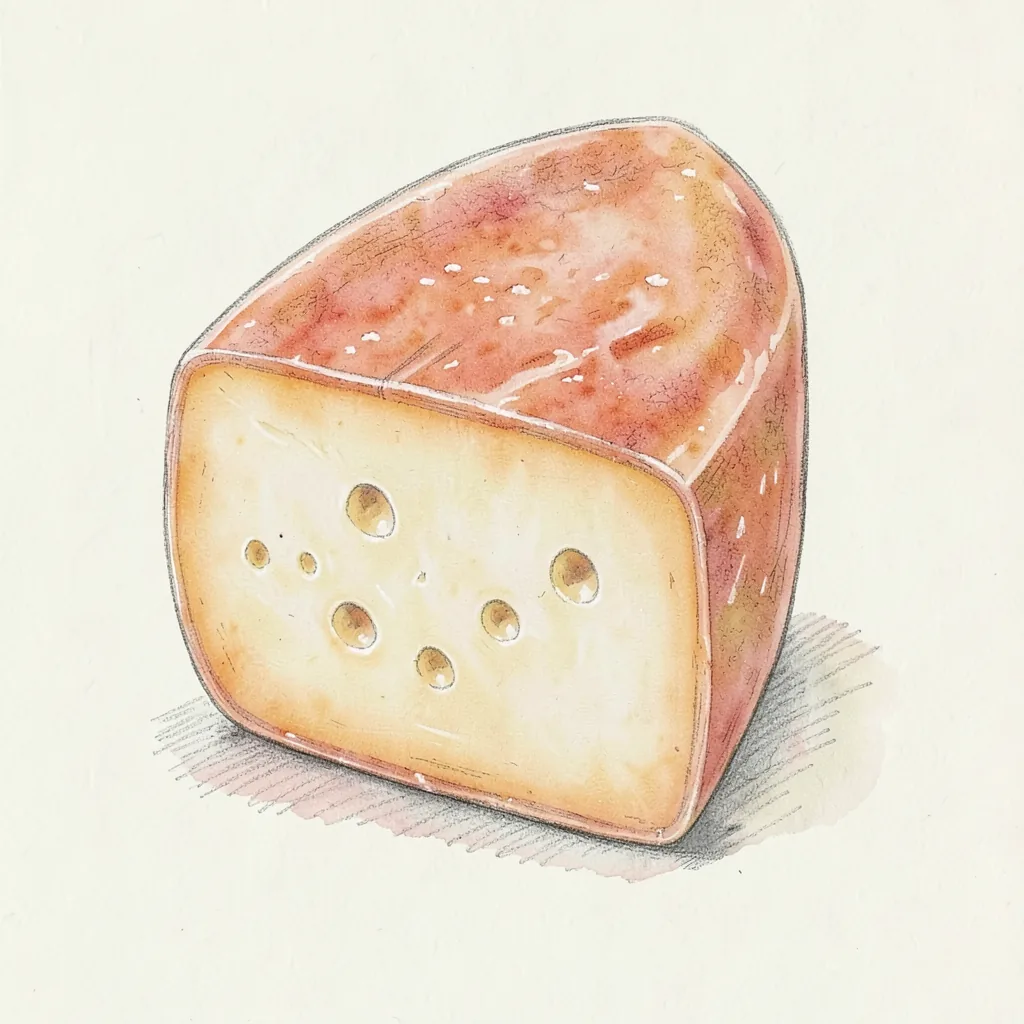
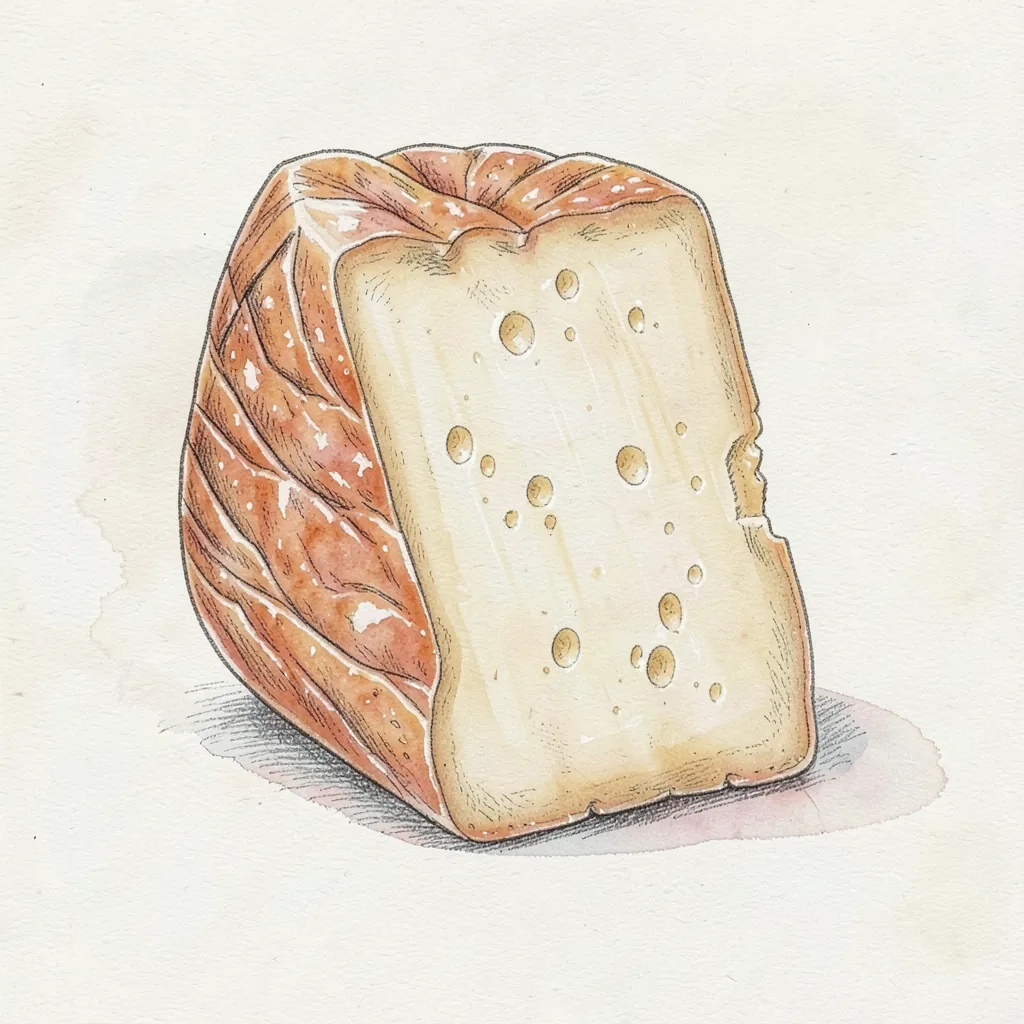
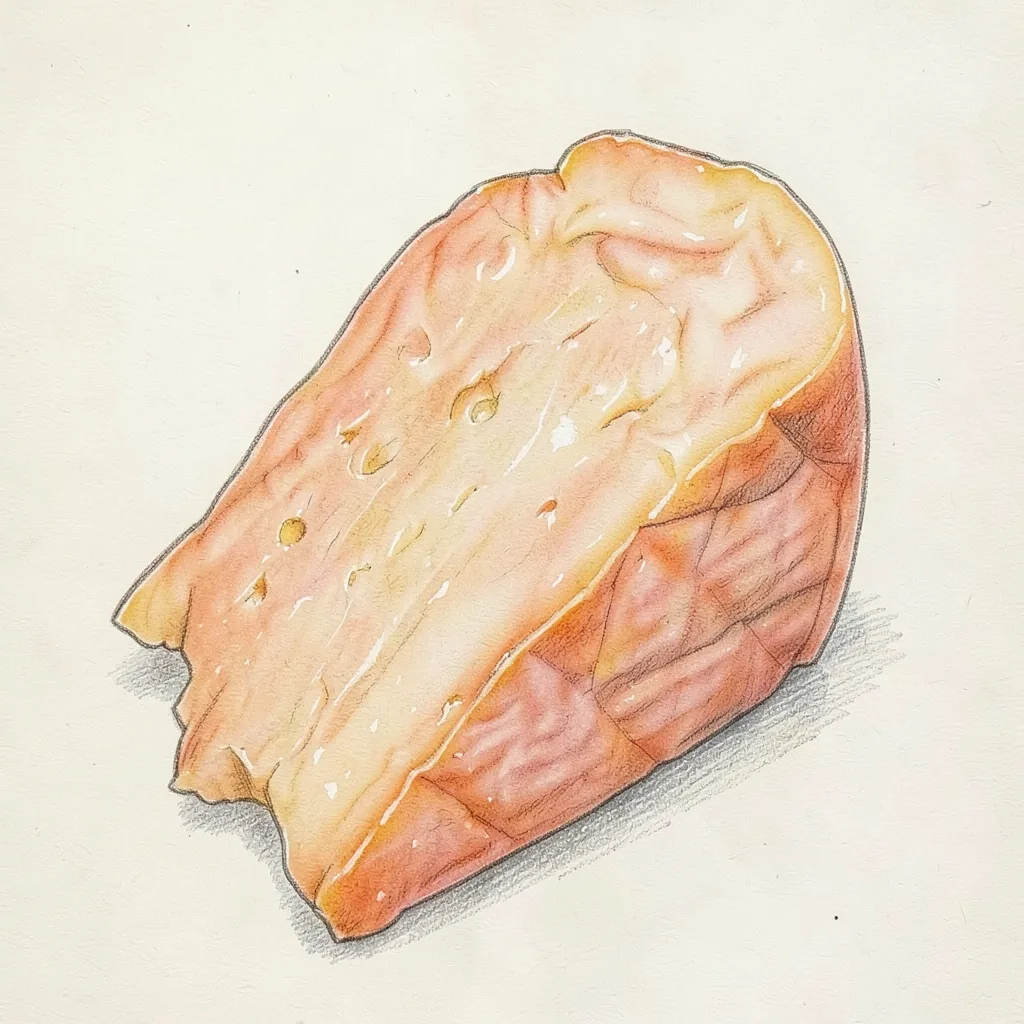
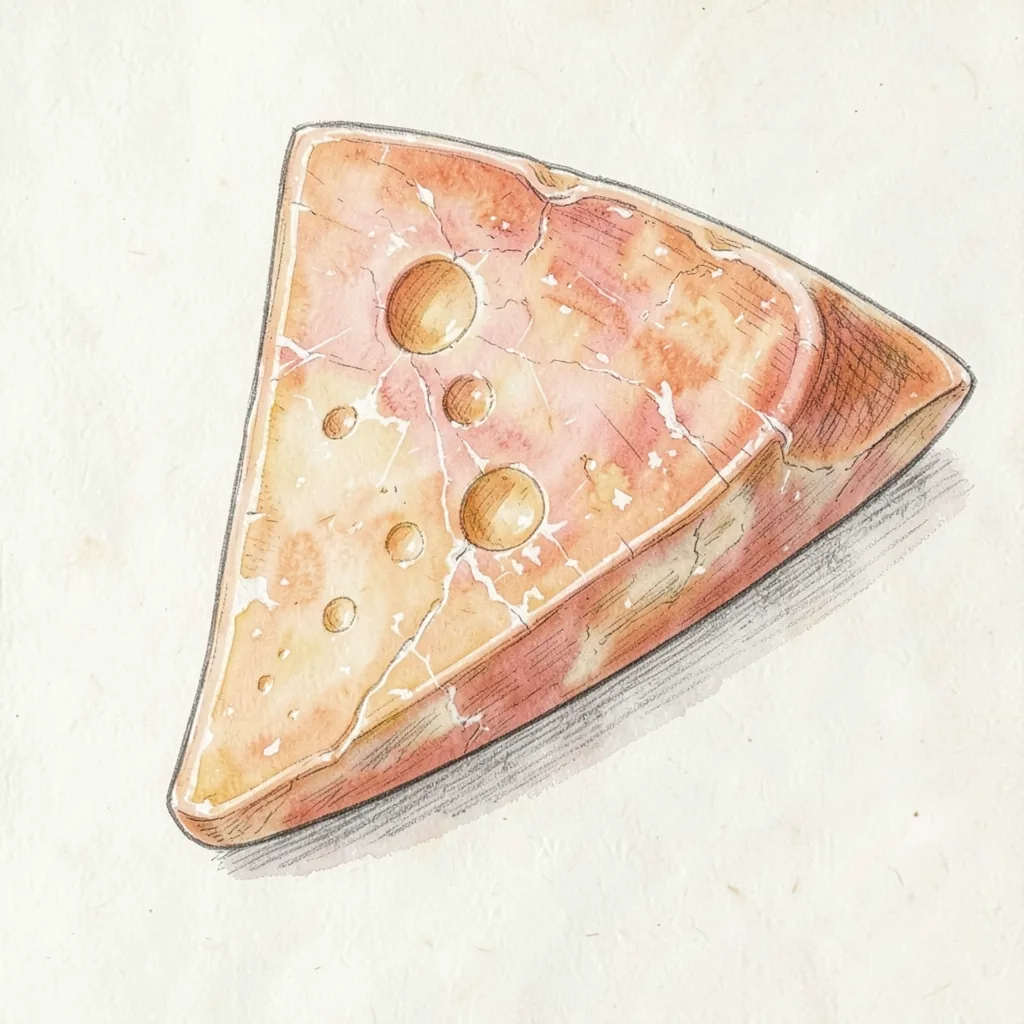
The paste is pressed, smooth, and supple, with a few small holes, and a washed rind colors the outside orange to red. The taste is mild, milky, and lightly savory, closer to a gentle table cheese than to a pungent washed rind. People eat it in slices and also melt it. The name belongs to this French cheese, not to a blue and not to a fresh curd.
A wheel is round and fairly flat, with a thin rind that can feel slightly tacky. The color of that rind comes from washing and from a natural dye, while the inside stays pale yellow. The paste bends and slices cleanly when the cheese is in ordinary condition. Aroma is mild, with a light washed note that should not fill the room. It is a cheese for bread and for simple hot dishes where a strong smell would be too much.
History
Mont des Cats grew up among the mild pressed cheeses of France. Makers took cow's milk, pressed the curd, and washed the rind so the wheel stayed supple and lightly savory. The style sits near Saint-Paulin and Port-Salut, which many people already know from the cheese counter. It became a recognizable French name rather than a one-time farm batch. You still meet it as a sliced table cheese more often than as a rare wheel kept for a long aging.
The cheese has kept a steady public picture: an orange rind, a pale paste, and a mild taste. Production is French, and the milk is cow's milk. It is not a mountain tomme with a thick natural rind, and it is not a soft bloomy disc. Shops that carry traditional French washed cheeses are the usual place to find a wheel. Because the name is specific, a similar orange cheese with another name is a relative, not the same cheese, so read the label.
How it is made
Cow's milk for this cheese is commonly pasteurized, then set with rennet. Makers cut the curd and stir it, then mold and press it so the paste becomes closed and smooth, with only small openings. The wheels go into brine, which seasons them and starts the rind. They are not stretched like a pasta filata cheese, and they are not left as loose curds. Pressing is what gives the slice its even, supple body.
During ripening the wheels are washed with brine, and annatto, a natural dye from seeds, gives the rind its orange red color. The wash encourages a light surface culture, so the rind smells a little more than the paste. The cheese stays semi-soft, supple, and easy to slice. It is not aged into a hard grating wheel. When the rind is evenly colored and the paste smells of milk and hay, the cheese is ready for sale.
Taste
The flavor is mild, buttery, and lightly salty, with a soft note of milk and hay. The washed rind adds a gentle savory edge, but it does not make the cheese fierce or sticky in the way a strong washed rind can. Texture is smooth and yielding, and small holes may dot the slice. Acid is low. A good piece tastes clean from the first bite through the finish, with no bitter aftertaste.
If the wheel is very young, the taste is quieter and the paste a bit springier. A little more time in the cellar rounds the flavor and deepens the rind aroma without making it harsh. It should still be approachable for people who avoid strong washed cheeses. There is no blue mold and no chalky core in a normal wheel. If the rind smells harsh or the paste tastes soapy, the piece is tired, so choose one that smells of clean milk.
In the kitchen
Slice Mont des Cats for bread, crackers, or a simple board with fruit or a mild cured meat. It also melts in a sandwich, over potatoes, or in a gratin where you want a creamy layer without a sharp bite. Heat softens it readily, and the slice relaxes rather than staying in a hard cube. It will not brown into a tough crust the way a very dry cheese does. Use it when the dish should stay gentle and milky.
Cut the rind away if you prefer only the mild paste, or leave a little on for the savory note. Thick slices hold their shape on a plate and then soften in a hot pan or under a grill. It can share a board with a stronger cheese, because it will not fight for attention. Do not expect it to grate like a long aged wheel. Wrap leftovers so the washed rind does not dry out or scent the rest of the fridge too strongly.
Around the world
In France, Mont des Cats is a known sliced cheese, sold in wheels and in smaller pieces. Outside France it appears at shops that import French washed and pressed cheeses, not in every grocery aisle. Staff may point you toward Port-Salut, Saint-Paulin, or another mild orange rind wheel. Those can cook in a similar way, and they can look alike at a glance, but they are separate cheeses. Ask for the name if the color of the rind is the only clue you have.
Saint-Paulin is the easiest substitute for slices and for melting, because it is also a mild pressed cow's milk cheese. Port-Salut plays the same role on a board and in a hot sandwich. Munster is a washed French cheese too, but it is much stronger and smellier, so it will change the dish. Chaumes is softer and richer than a plain slice of Mont des Cats. If you only need a gentle melt, Saint-Paulin or Port-Salut will come closer than a pungent washed rind.