Cow
What it is
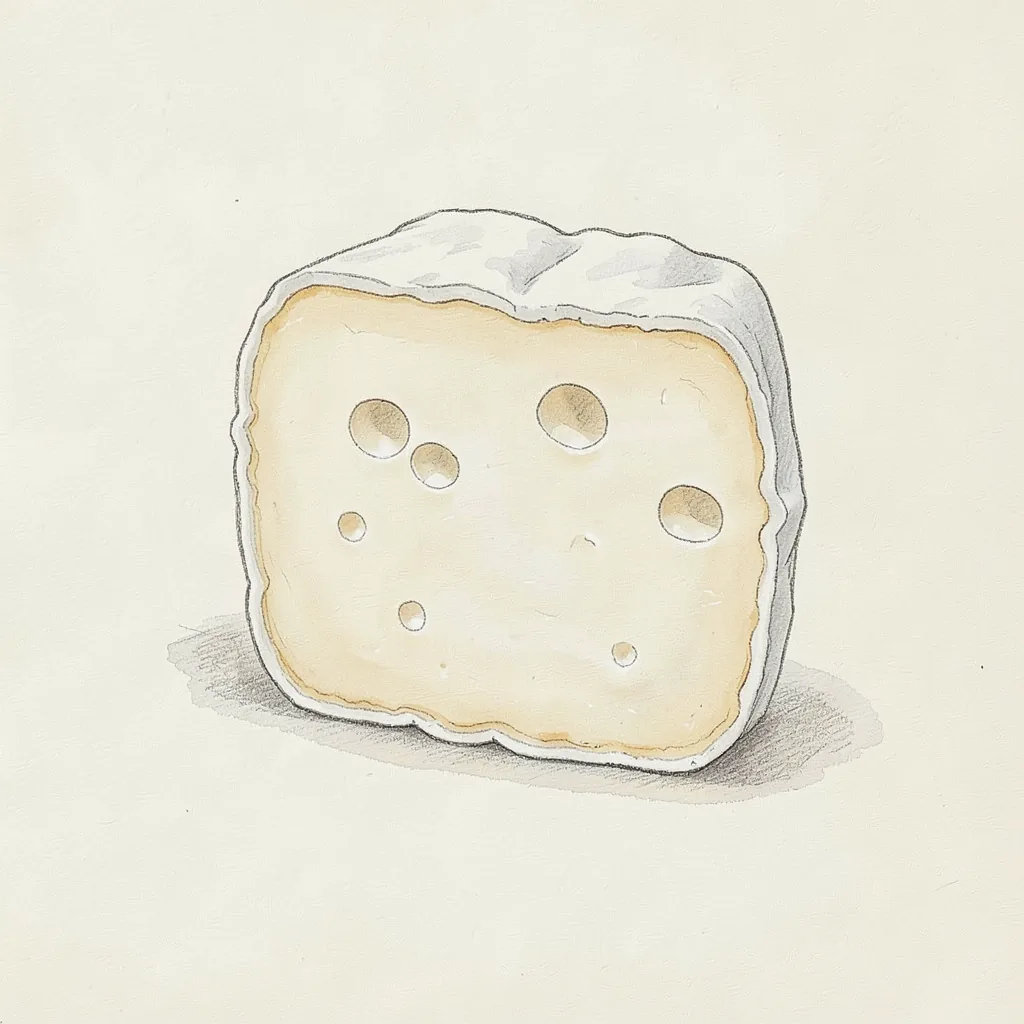
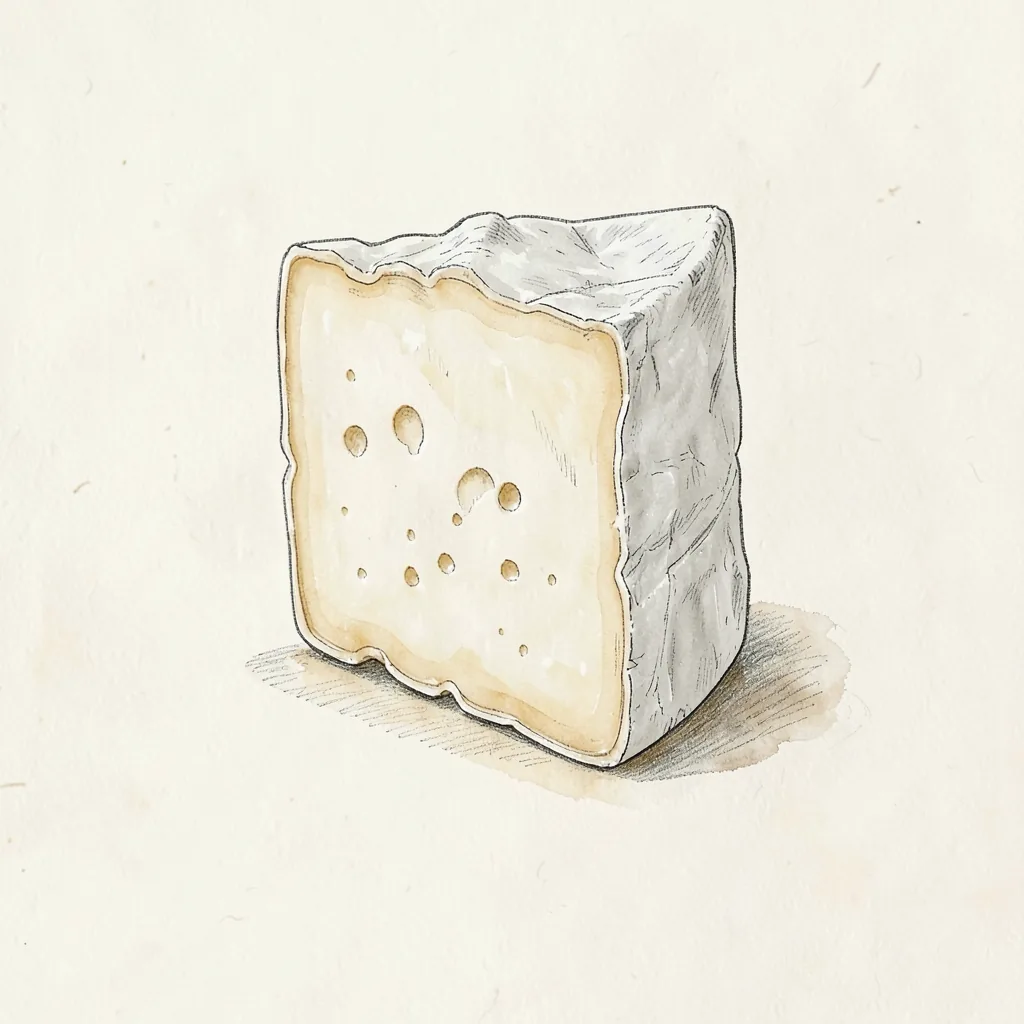
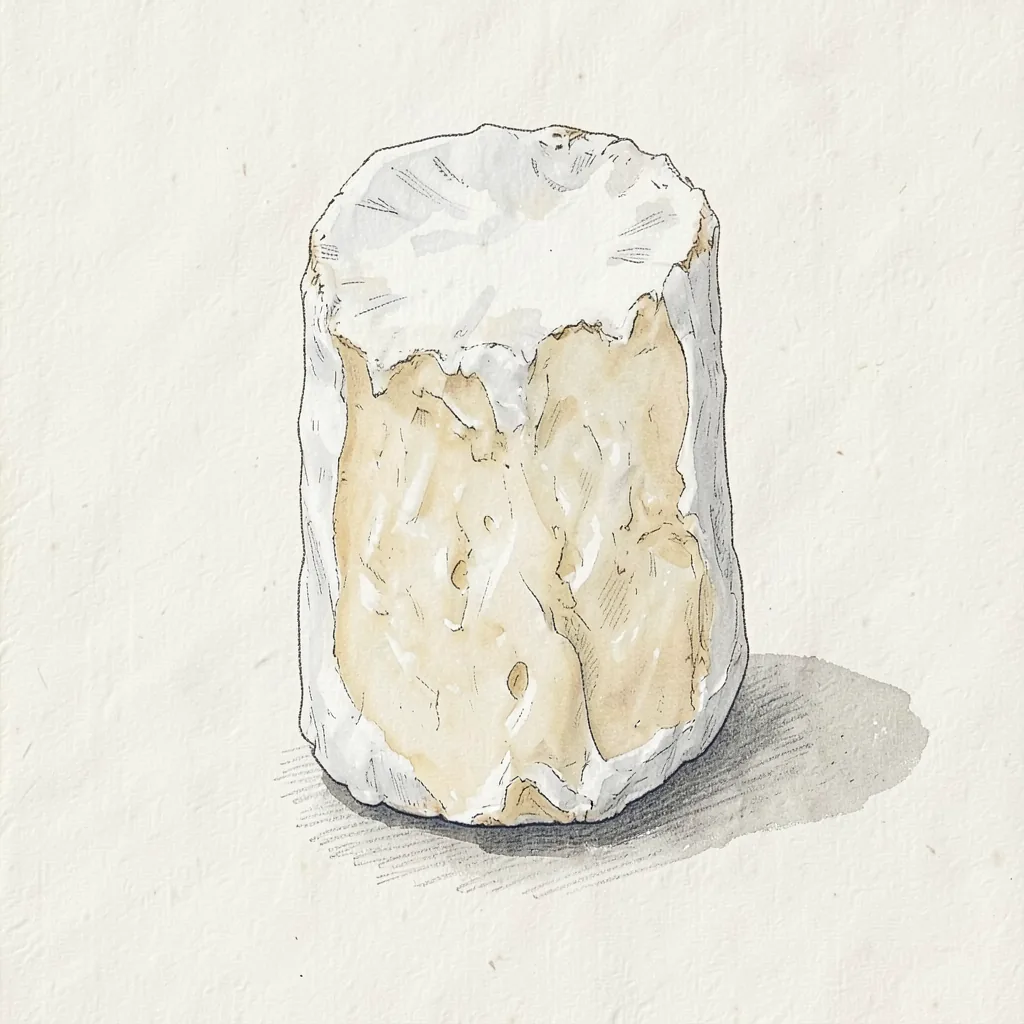
The small cylinder has a white bloomy rind and a pale, supple interior that stays mild. Cream in the milk is what makes the paste lush rather than lean or chalky. French shops sell it as an everyday bloomy cheese, and it is not a long-aged wheel for the grater.
An older name, crottin charentais, still appears in some references, but the cheese on the label is Mottin Charentais. The rind is thin and edible, with a light mushroom note from the white mold. Under that coat the center stays creamy, and it can soften further as it ripens. A young wheel tastes of fresh milk and butter, and a riper one is a little fuller without turning sharp.
History
Soft cheeses enriched with cream have a steady place in French dairy cases, and Mottin Charentais sits in that group. The recipe is built on pasteurized cow's milk plus cream, so the cheese can be mild, rich, and ready without a long cellar stay. Makers sold it as a small bloomy cylinder rather than as a large farmhouse wheel. Shoppers met it as a familiar French style, and not as a rare seasonal cheese from one village.
The cheese stayed in French shops as a soft double-cream wheel even as dairies changed how they labeled it. References sometimes still use crottin charentais for the same style, and that older word can confuse buyers. Crottin also names small goat cheeses from other parts of France, which this cow's milk cheese is not. The cream, the white rind, and the mild butter taste are what set it apart from a leaner bloomy wheel.
How it is made
Pasteurized cow's milk is enriched with cream, then cultured and set with rennet. The curd is handled gently so the finished paste stays moist and soft, and it goes into small cylindrical molds. Whey drains slowly, salt is added, and the surface is seeded so a white bloomy rind can grow. There is no hard press and no long cook of the curd. The goal is a tender interior under a thin coat of mold.
Ripening is short compared with a firm pressed cheese, and it happens in a cool, humid room. The white mold covers the rind, and enzymes from that coat soften the paste from the outside inward. A young wheel is still a bit set in the center, while a riper wheel slumps slightly and tastes more buttery. Makers wrap the cylinder so the rind can breathe, and the cheese is meant to be eaten soft.
Taste
The flavor is mild, sweet, and milky, with butter and fresh cream in the lead. Salt is present but not aggressive, and the bloomy rind adds a light mushroom scent if the cheese is not overripe. The paste coats the tongue and feels lush rather than chalky or crumbly. Acidity stays low. People who want a sharp cheese will find this one quiet, and that gentle profile is how the style is built.
Texture changes more than flavor does as the wheel ages. Early on, the center can be slightly springy under the creaminess, and later the paste turns spoonable near the rind. The smell of the rind grows a little stronger, but the taste inside remains buttery and mild. There is no blue veining, no washed-rind funk, and no crystalline crunch. If the cheese smells of ammonia, it has gone too far, and the pleasant cream note is lost.
In the kitchen
Mottin Charentais belongs on a board or on bread, where the soft paste can be spread. Cut a wedge and leave the rind on if you like the mushroom edge, or trim it if you want only the cream. It pairs with mild fruit, a plain cracker, or a simple green salad, and it does not need a fierce accompaniment. Heat will melt it, but the extra cream can turn oily if you cook it hard. Use it as a soft cheese, not as a grating cheese.
A ripe wheel can be spooned onto warm potatoes or stirred into a sauce at the end, off a hard boil. It also works as a mild spread on a baguette with a little honey or herbs. Do not expect it to brown and stretch like a firm cooking cheese. For a cheese course, take it out of the cold a short while ahead so the cream flavor opens, and wrap leftovers so the rind does not dry. A hard aged cheese will not do this job.
Around the world
Outside France, Mottin Charentais shows up in shops that carry French soft cheeses, often beside other bloomy cream-enriched wheels. Buyers who know Brillat-Savarin or Explorateur will recognize the family: a white rind, a rich paste, and a mild taste. Mottin Charentais is usually a bit less overwhelming than the richest of those wheels, but the kitchen role is the same. It is a spreading and board cheese. It is not a firm block you keep for grating through the week.
When the French wheel is hard to find, another bloomy cow's milk cheese with added cream is the fair swap. Brillat-Savarin is richer and softer, and Saint-Andre is another lush French option in the same case. Chaource is milder and a little less creamy, but it still gives a white rind and a gentle milk flavor. None of those is a hard cheese, and none should replace a cheese that a recipe wants grated. Look for a soft cylinder with a downy rind.