Cow
What it is
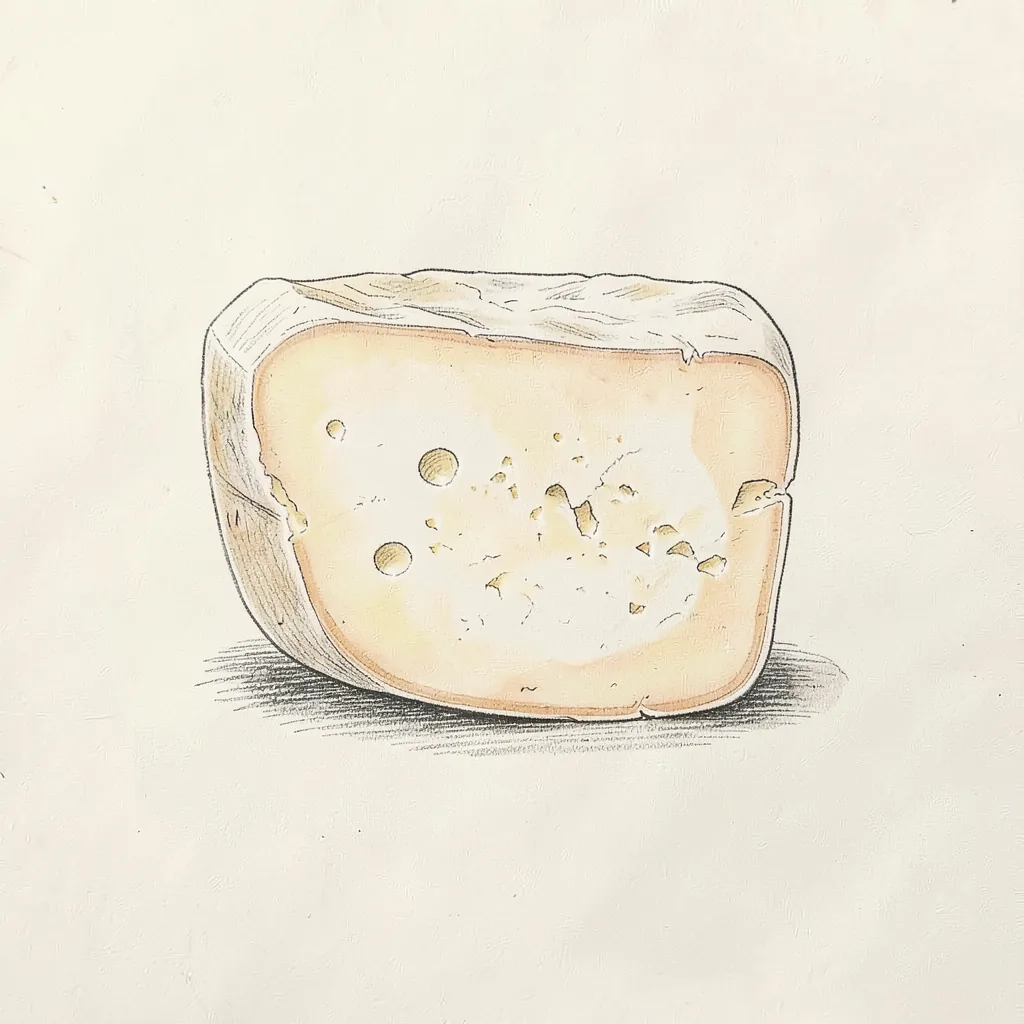
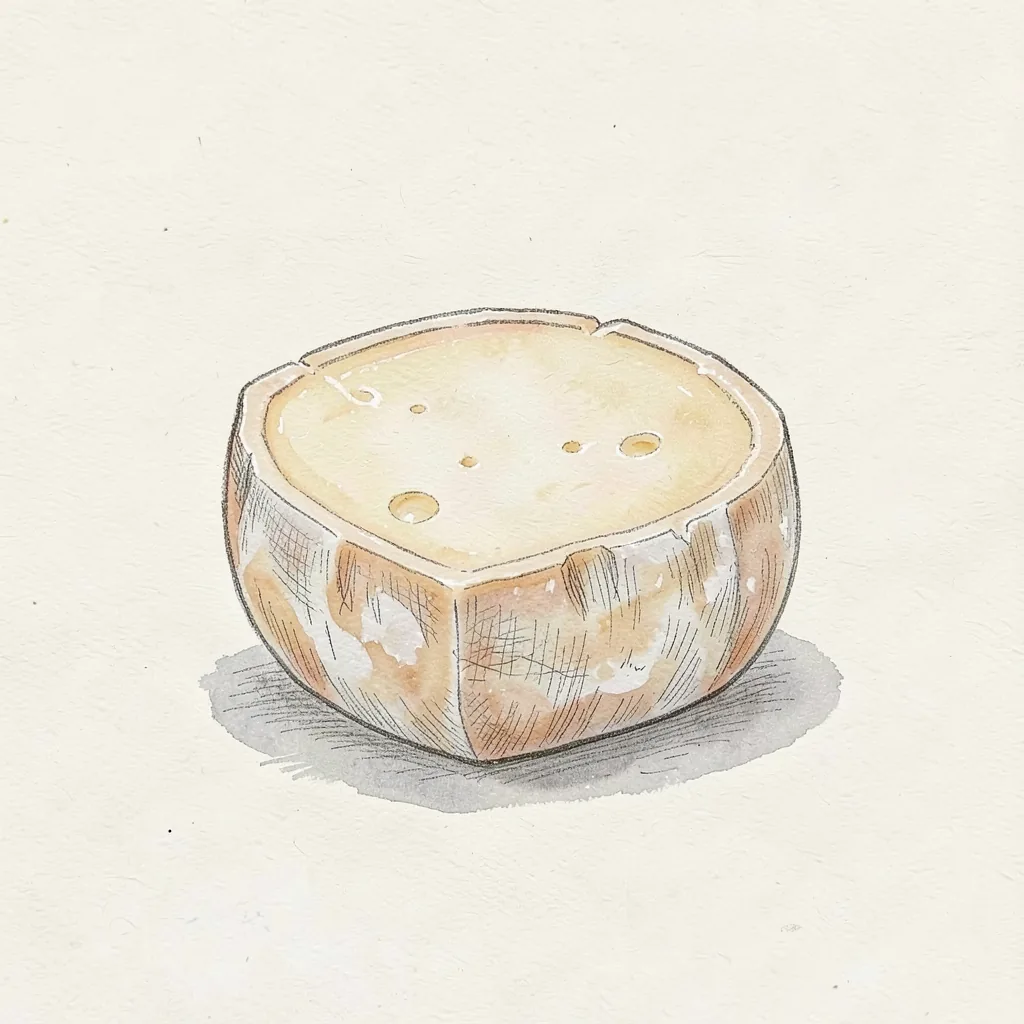
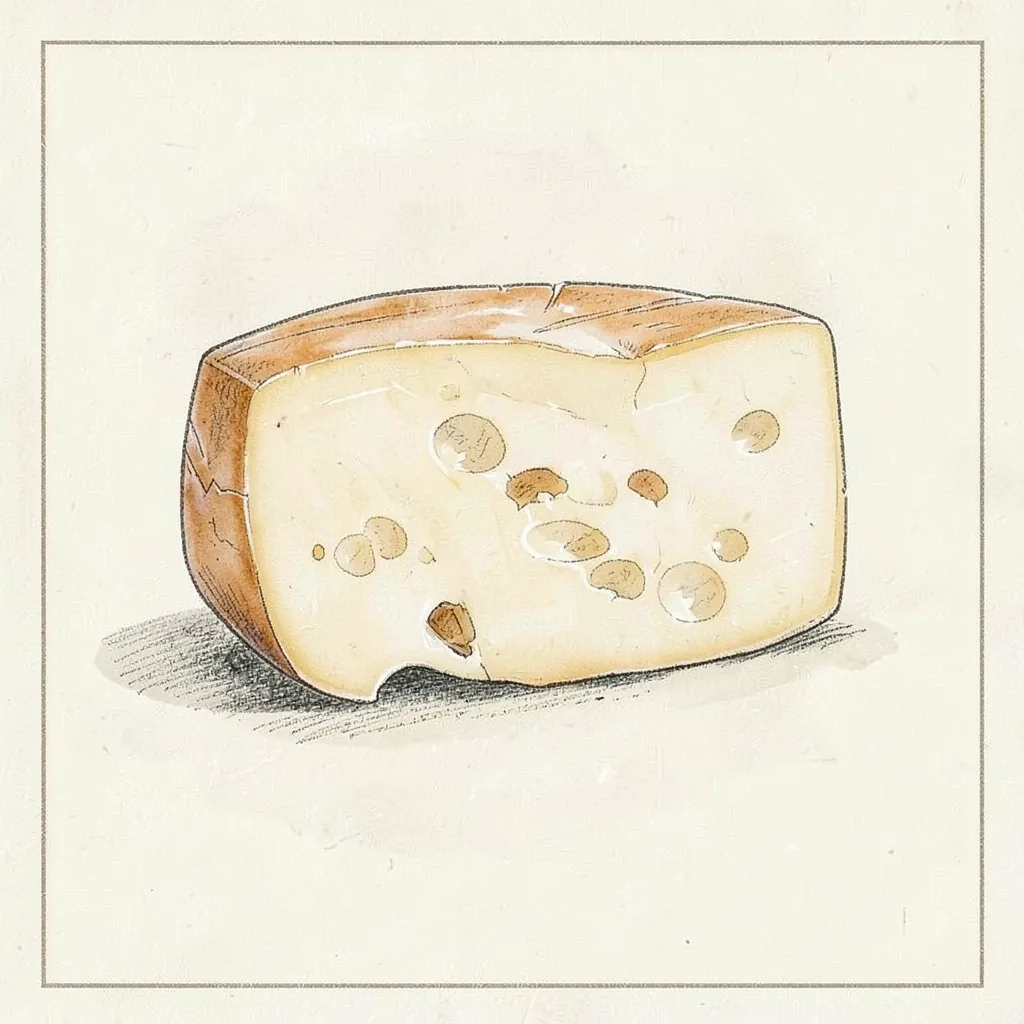
The name refers to farm colonies where households turned spare milk into a wheel they could keep. It is usually a flat cylinder with a pale yellow paste and a natural rind. The rind firms with age, while the inside stays softer, elastic, and lightly spicy. Makers work on a small scale, often on the farm itself.
The paste tastes lactic at first, then warmer and a bit peppery as the wheel matures. It slices cleanly and melts when heated, which is why cooks use it on pizza, pasta, and baked dishes. A younger cheese is milder and more supple. An older cheese has a thicker yellow crust and a stronger savor. Both are the same farm style, only at different stages.
History
The style grew among Brazilian farm colonies settled by European immigrants. German and Italian dairy habits both sit in the background, adapted to local cows, climate, and kitchens. Families made the cheese to use milk that would not keep, and they sold what the house did not eat. It was never one brand with one owner. The wheel became ordinary food in those farming districts.
Recipes stayed in the family, so size, salt, and aging vary from farm to farm. Some wheels are eaten while still supple, and others rest until the crust hardens and the flavor sharpens. That range is normal for a farm cheese without a single industrial standard. The name colony cheese, or queijo colonial, points to the same tradition. Shoppers in Brazil still meet it as a homemade style, even when a small dairy makes it for wider sale.
How it is made
The base is cow's milk, salt, and cultures or other milk enzymes. Curd is formed into a low round, salted, and set aside to mature. Traditional batches do not rely on added color. Time in a cool room builds a yellow crust and a more savory paste. A short rest leaves the cheese mild and elastic, while a longer rest thickens the rind and deepens the spice.
Many farm batches use raw milk, while some dairies heat the milk for safety and consistency. Either way, the cheese is pressed enough to slice, not left as a loose fresh curd. The rind is natural, and it can be rubbed or simply left to dry. Small eyes may show in the paste. Because makers differ, two wheels with the same name can vary in moisture and in strength, and that variation is part of the style.
Taste
Expect a lactic, mildly spicy flavor and a creamy, elastic bite. The color is pale yellow, without the deep orange of a dyed cheese. The center is softer than the rind, which tastes more pronounced. Heat makes the paste smooth and melty. As the wheel ages, aroma and spice grow, but the cheese does not become a blue and it does not grow a sticky washed coat.
A young wheel is friendly and milky, with only a hint of pepper. An older wheel is sharper, drier at the edge, and more complex in the middle. Neither should taste bitter or soapy if it has been kept well. The smell is lactic and a little pungent, stronger near the crust. Salt is noticeable, yet the cheese is not a brine-packed white cheese.
In the kitchen
Slice Queijo de Colônia for bread, or lay it on pizza, lasagna, and other baked pasta. It melts with enough flavor to season the dish and enough body to enrich a sauce. An older, drier piece grates over vegetables or a hot plate of polenta. On a board, serve it with bread and red wine. Use a younger wheel when you want melt, and an older wheel when you want a stronger bite.
In home cooking it plays two roles at once, as a table cheese and as a cooking cheese. Cubes can go into a warm salad if the pieces are not so hot that they oil off. A thick slice on toast makes a quick meal. Do not treat it like a fresh cheese that should be eaten unsalted and wet. Give it the uses you would give a semi-hard cow's milk cheese with a light tang.
Around the world
Outside Brazil, this cheese is easy to mix up with other products that use the word colony in the name. The Brazilian wheel is its own farm style, tied to immigrant dairy practice inside Brazil. Export is limited, so many shops in other countries never stock it. Visitors usually meet it in Brazil, with wine or in a hot dish. A label that says colonial or colônia is a clue, but the maker and the milk still matter.
When the Brazilian wheel is missing, choose a semi-hard cow's milk cheese that melts and has a gentle tang. A very fresh white cheese will be too wet and too mild. A long-aged hard cheese will be too dry and too sharp. Uruguayan colony cheese is a different product and should not be assumed identical. Read the country on the label before you substitute one for the other.