Cow
What it is
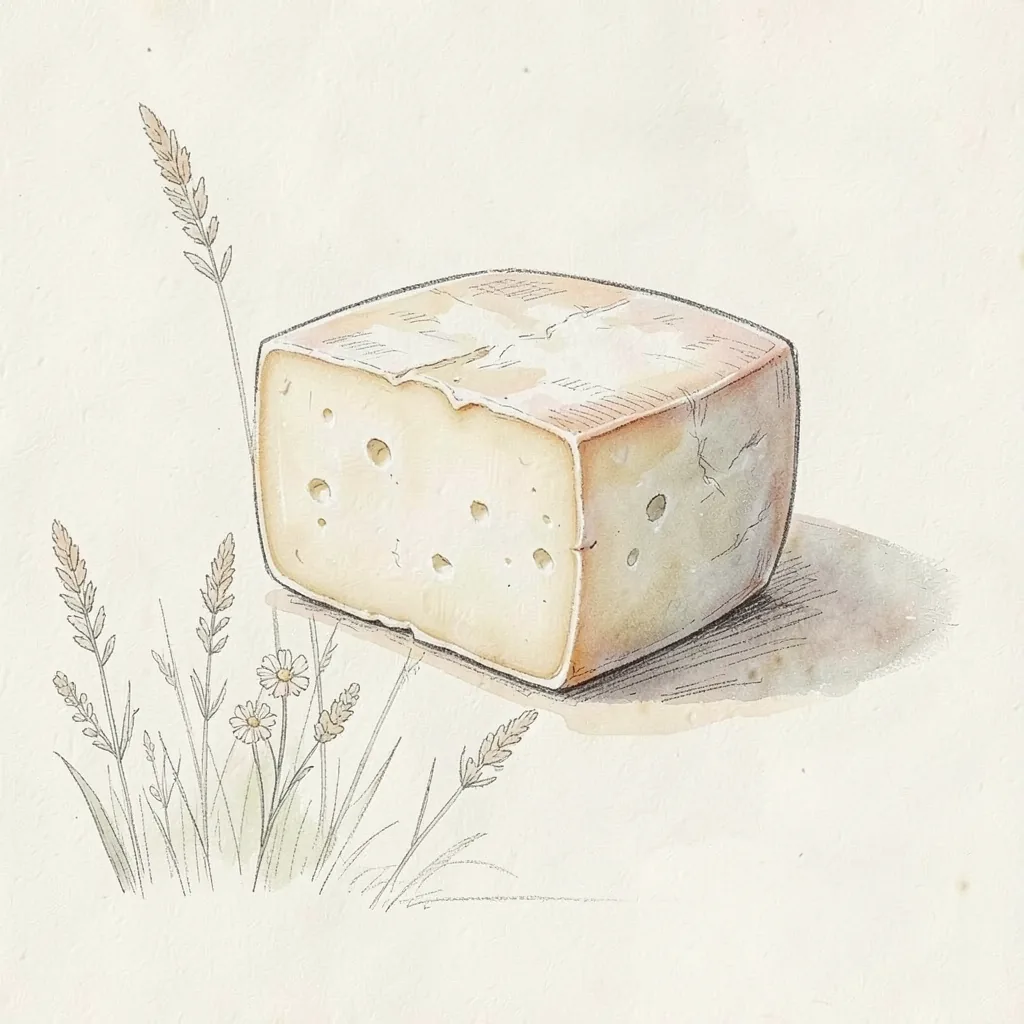
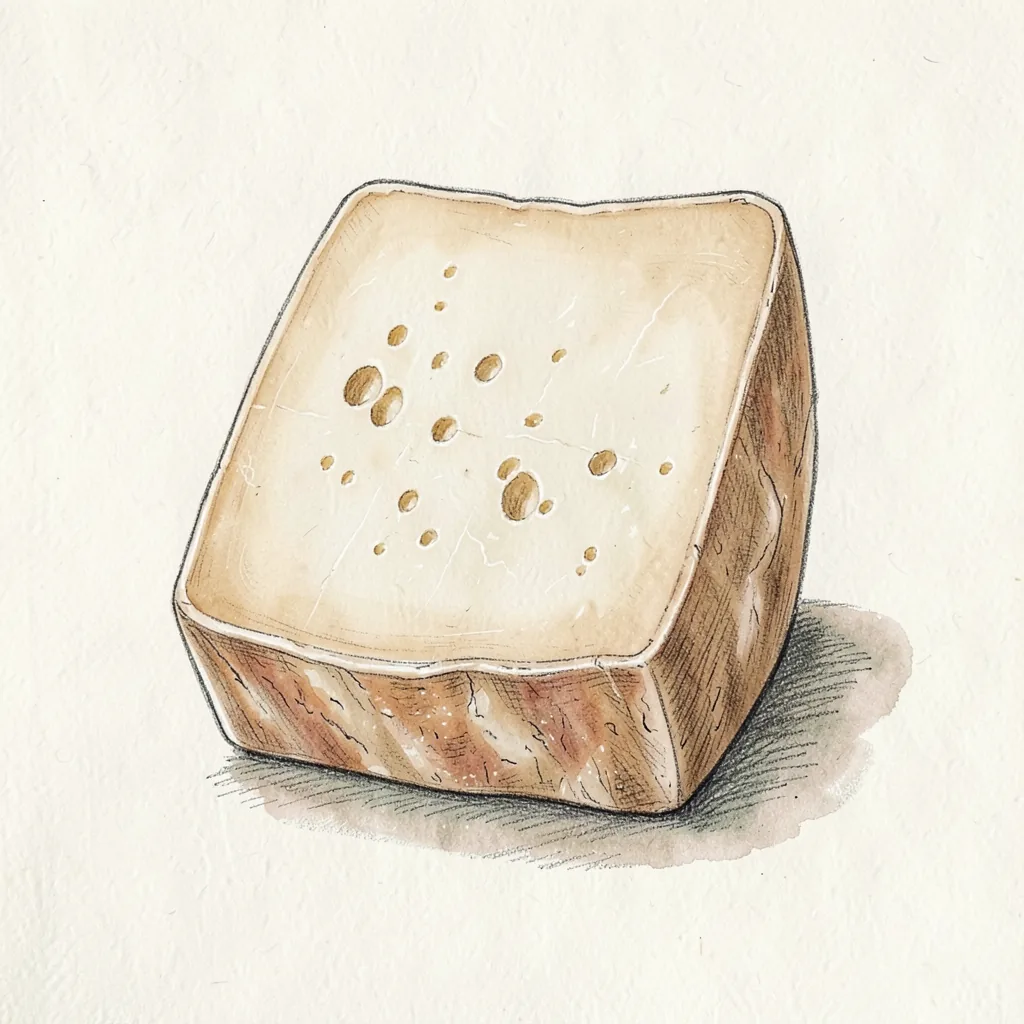
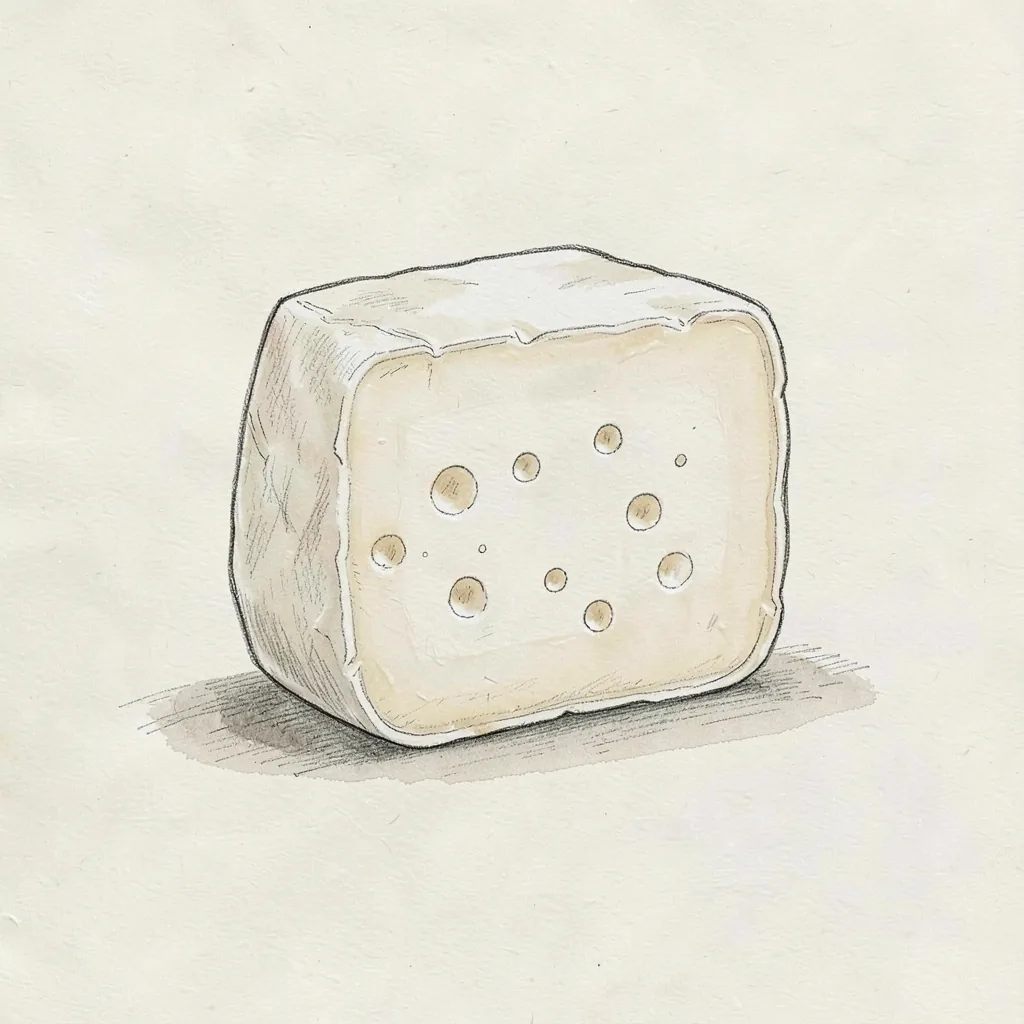
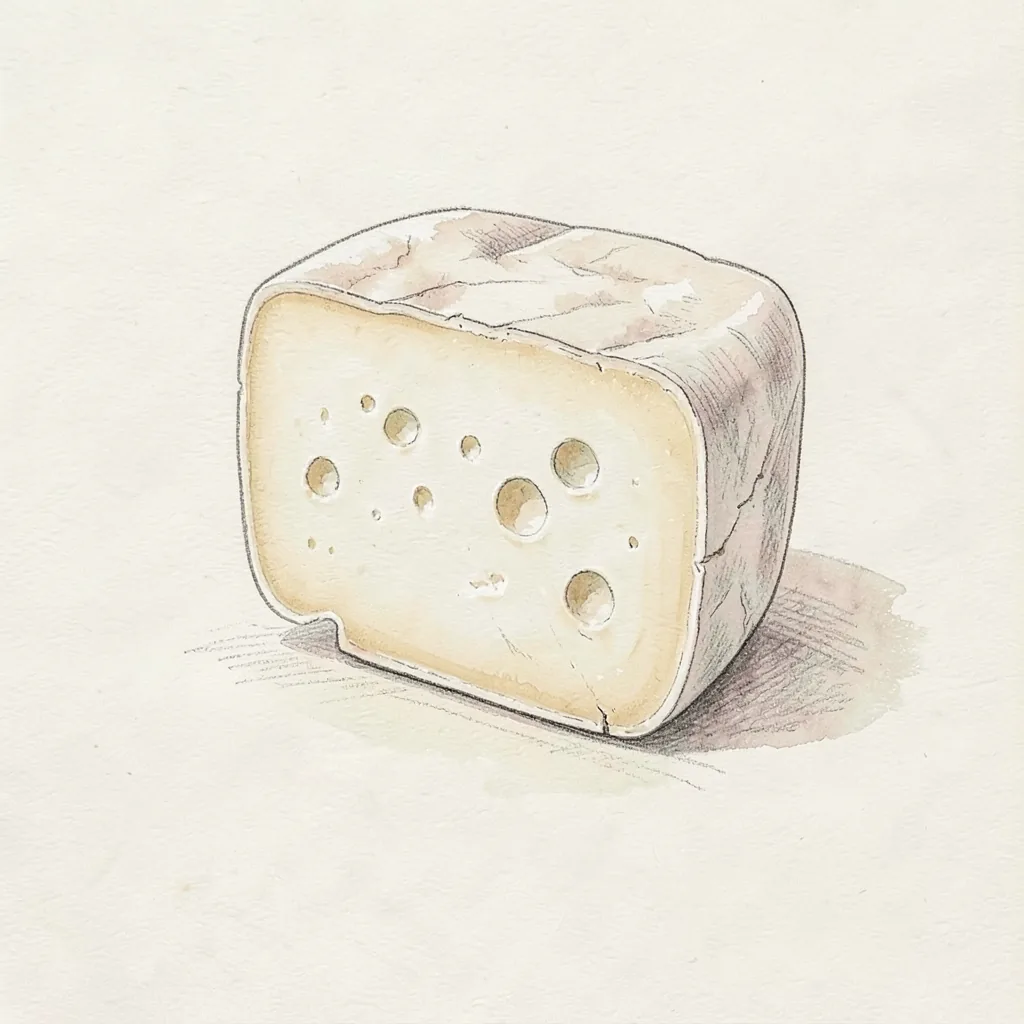
Makers form it in square slabs, and many dust the surface with rice flour. The flour takes up moisture, keeps pieces from sticking, and dries into a soft coat rather than a thick rind. The paste inside stays creamy and pale. Young cheese slices cleanly, and with time it relaxes, smells a little stronger, and can be spread.
The name is shared with a soft cheese from Turkey, where teleme has long meant a tender dairy food rather than a hard aged wheel. The cheese sold under this name in the United States is a separate style, based on cow's milk and a gentle tang. It is not Romanian telemea, and it is not a white cheese kept in salty brine. The country on the label matters. An American slab and a Turkish cheese can share a word and still behave differently in the kitchen.
History
A soft cheese called teleme was known in Turkey long before the word showed up on labels in the United States. There it named a tender curd eaten young, made in a simple way from local milk. That older food is the source of the name, not a single recipe that every later cheese copied. In the United States, makers used the name for a mild cow's milk cheese that fit shop sales. The link in the word is real, and the two foods are not the same.
The American cheese settled into a square form, often floured with rice, that grocers could wrap and stack. It suited delis and home kitchens that wanted something moister than a firm block and milder than a washed-rind cheese. Accounts do not agree on one founder, so the reliable fact is the style, not a person or a brand owner. More than one dairy has made it. The rice flour coat remains the easiest clue on the counter.
How it is made
Cow's milk is cultured and set with rennet. The curd is cut and stirred, and some makers lightly cook it or wash it, which helps keep the flavor mild and the paste supple. It is then drained, put into forms, and pressed gently into a slab. The press is only firm enough to make the piece hold together. After a short rest, rice flour may be dusted on the surfaces, and the slabs are wrapped and held cold to ripen.
There is no bloomy white rind and no bath of brine. The rice flour is a handling coat, not a wax layer. As the cheese rests, the center softens and the aroma deepens a little. A young slab is springy and easy to slice. An older slab may slump when warm and taste fuller, but a piece kept too long turns bitter, and shop copies are usually pasteurized.
Taste
Young teleme tastes of sweet milk, butter, and a light lemon tang, with modest salt. The paste is moist and smooth, and it yields instead of crumbling into dry bits. Rice flour on the edge is plain and dry, and it should not hide the dairy flavor. The smell is clean, without smoke, blue veins, or a strong washed-rind odor. It is a quiet cheese, and that mildness is the point.
With more age the slab becomes softer, a bit fruitier, and more savory. The tang grows, and the center can turn almost custardy. Bitterness means it has passed the pleasant stage and should not be forced into a recipe. Cold cheese tastes flatter, so let a slice warm a little before you judge it. At its best it suits people who avoid fierce cheeses and still has enough character for a board.
In the kitchen
Teleme melts on a sandwich, in a soft omelet, or over potatoes. Because it is moist, use moderate heat so it softens before the fat separates. On a board, pair a firm slice with fruit, a plain cracker, or bread. When the piece is ripe and spreadable, treat it as a gentle soft cheese and add herbs or a little honey if you want contrast. It does not need a heavy pickle, and the rest of the dish can stay lightly salted.
Firm cubes can go into a salad. Once the slab slumps, spoon it instead of tossing it, or it will smear the leaves. It is a poor choice for a long, oily grill, though a brief warm in a pan is enough to soften it. Wrap leftovers well, because the mild paste picks up other smells and the flour coat smudges. If the flavor turns bitter or the smell turns unclean, do not cook it to hide the fault.
Around the world
Outside the United States, the name teleme is easy to misread because several countries use similar words. Turkish teleme, Romanian telemea, and the American slab are not interchangeable. The American cheese is the mild cow's milk square, often pale with rice flour. A salty block from brine is a different food. If you are unsure, ask whether the piece is the soft American style or a white cheese kept in brine, and let the shape help you decide.
Stracchino can stand in when you need a mild, creamy cow's milk cheese that spreads and softens with heat. American muenster is a practical swap for a melt, though it is often plainer and has no rice flour coat. Neither one is teleme, so the flavor will be close only in its gentleness. Telemea is the name people mix up with it, and that cheese is brined and saltier. Use telemea when you want a sharp white cheese, not when the dish expects a gentle slab.