Cow
What it is
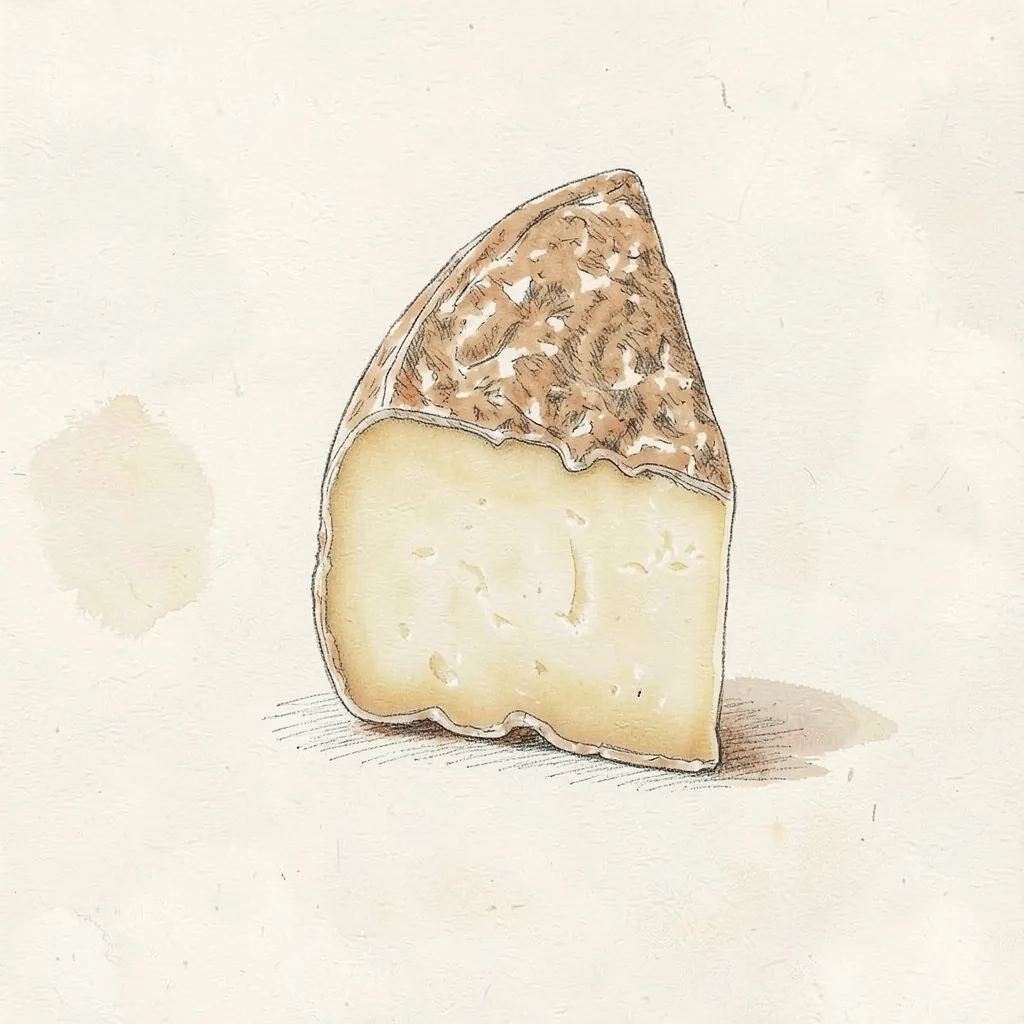
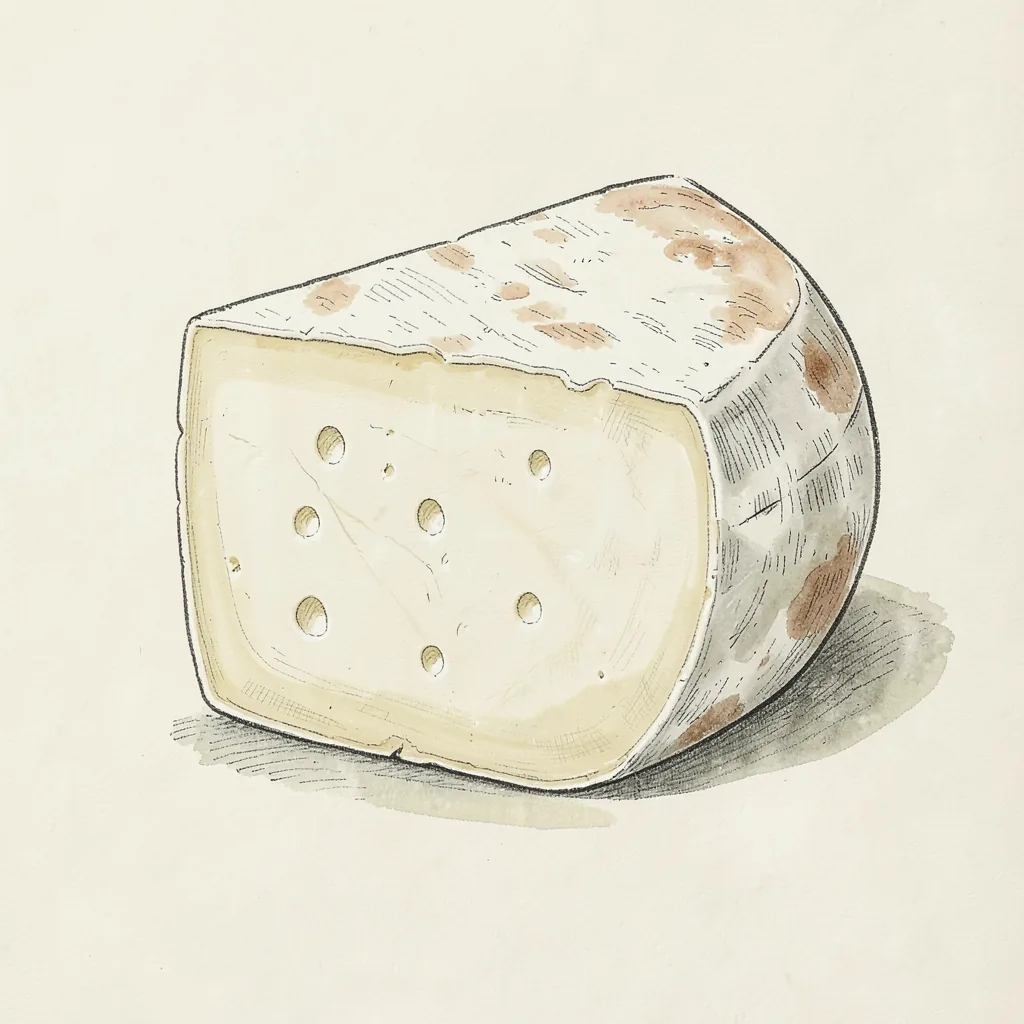
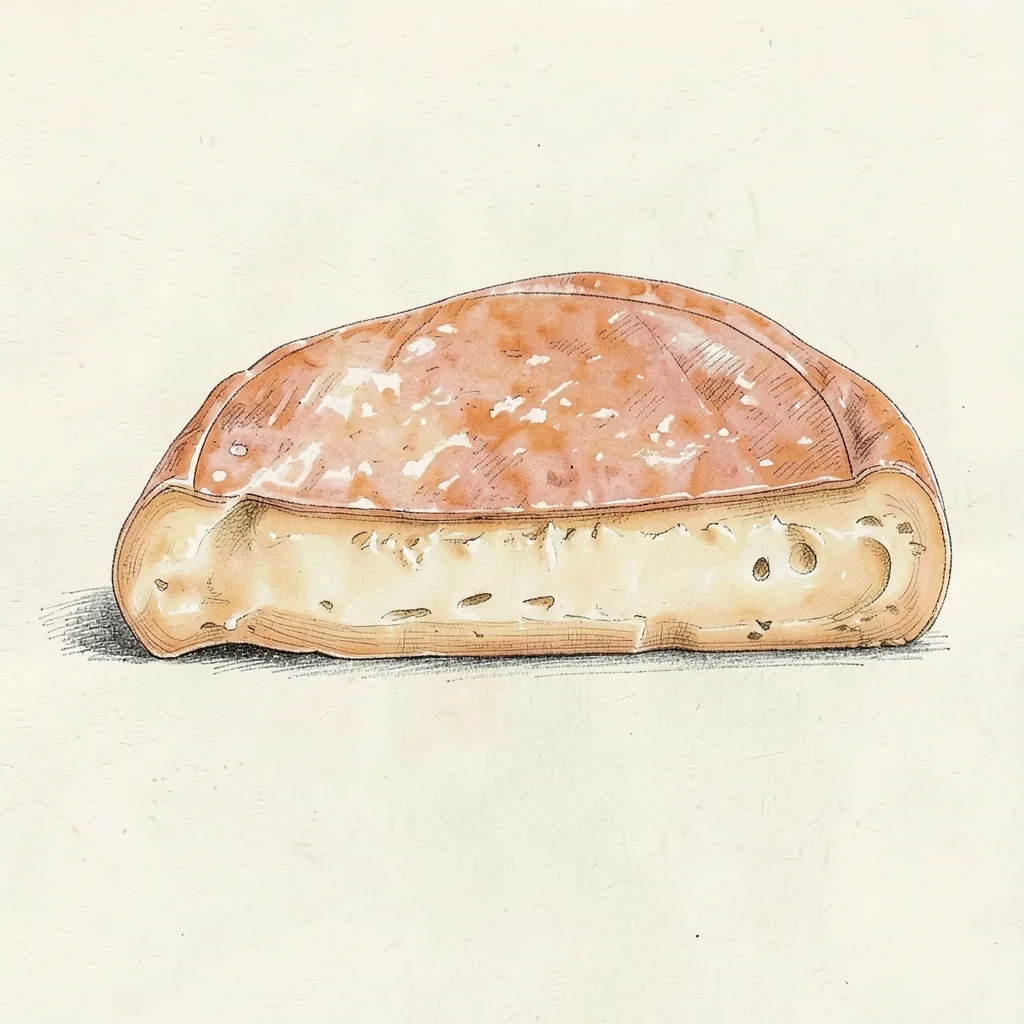
The single m in Tome follows an old local spelling, and it marks this cheese apart from Tomme de Savoie. Wheels are flat and modest, with a thick gray rind that can look uneven and lightly mottled. The paste is ivory to pale yellow, supple, and able to soften with heat while it still holds a slice. Herds in the Bauges uplands supply the milk, and the flavor is milky, nutty, and lightly fruity.
The rind smells of the cellar, with mushroom and a mild earth note, while the center stays gentler. A good paste softens on the tongue, and it is not chalky and not runny. Small openings may appear, but this is not an open-eyed cheese and not a blue. Tomme de Savoie is the easy mix-up, since it is also a pressed cow's milk wheel from Savoie with a gray rind. The label spelling and the Bauges name are how you tell this cheese from that broader tomme.
History
Pressed cheeses have long fed farms in Savoie, where cow's milk was turned into wheels that could keep. In the Bauges uplands, that everyday wheel took the local spelling Tome and the name of the pastures around it. Households and small dairies both made it, and the gray rind became the familiar outside. The cheese belonged on ordinary tables, not only at a feast. It remains a mountain cheese linked to those herds, rather than a recipe owned by one house.
The Bauges sit in Savoie, and the cheese stayed tied to milk from that country of grass and hay. Makers did not turn it into a fresh curd or a washed square. They kept a pressed wheel with a natural rind and a supple center. As more Savoie cheeses became widely known, this tome kept a quieter place beside richer melting cheeses from the same mountains. The one-m spelling is still the mark on a careful label.
How it is made
Milk from cows on the Bauges pastures is used raw, whole or with a little cream taken off. Rennet sets it, the curd is cut, and the curds are gathered into molds. The paste is pressed, not cooked, so it stays supple instead of turning hard and dry. Salt is added, and the young wheels go to a cool, humid room. Surface molds are allowed to grow, and they build the gray, uneven rind that buyers expect on this cheese.
Aging continues until the rind is well formed and the paste smells fragrant but not harsh. The wheels are turned so the molds stay even and the shape holds. A shorter rest leaves a milder, moister cheese, and a longer one brings more nut and cellar character. There is no brine wash to make an orange smear, and there is no blue piercing. The finished wheel is flat, and you can trim the rind if the earthy note is stronger than you want.
Taste
The first aroma is the rind: cellar, mushroom, and a light earth smell. Under that, the paste tastes of milk, butter, and a gentle nut, sometimes with a hint of fruit or wood. Salt is present and balanced, and the finish lingers without a burn. The texture is tender but it holds together, so a slice does not collapse. A very young wheel is quieter, and a well-kept wheel is more fragrant without turning bitter.
The gray rind can taste stronger than the center, which is normal for this style. Many people eat a little rind with the paste and cut away the dustier spots. You should not expect the sweet wash of a very creamy melting cheese, or the sharp crystals of a long-aged grana. If the paste smells harshly of ammonia, the wheel is past its best. A sound piece smells clean, earthy, and milky at the same time.
In the kitchen
Set Tome des Bauges on a board with bread, nuts, and a firm pear, and let the rind aroma stay part of the bite. Cubes work in a green salad when you want a mild mountain cheese rather than a salty crumble. It melts in a gratin, a savory pastry, or a stuffed pasta filling, and it softens without flooding the dish with fat. Keep the heat moderate. Strong spice will cover the nutty, milky taste that makes the cheese worth using.
Trim only the driest rind, and leave a thin line of it if you like the cellar note. Cut wedges for the table and small cubes for hot food, because the paste is supple rather than brittle. Add it late to a sauce so it melts smoothly and does not turn oily. Wrap the cut face, since the rind can dry and the smell can move to other food. A very fresh curd will not give this savory, sliceable result.
Around the world
Outside Savoie, Tome des Bauges is a specialty wheel, easier to find at a French counter than in a general grocery case. The label should show the Bauges name and the one-m spelling, because tomme is a wide word in France. A gray rind and a supple cow's milk paste are the visual clues. It travels as a cut wedge or a small wheel, and it should be kept cool but not frozen. People who know only hard Alpine cheeses may be surprised by how tender the center is.
Tomme de Savoie is the fair substitute and the cheese most often confused with this one. It is pressed, cow's milk, and rustic, though the broader tomme can taste a little leaner. Saint-Nectaire can also stand in when you want a supple slice with an earthy rind that still melts. Reblochon is from the same mountains, but it is richer, softer, and washed, so it will not copy this tome on a board. Read the label before you swap them.