Cow
What it is
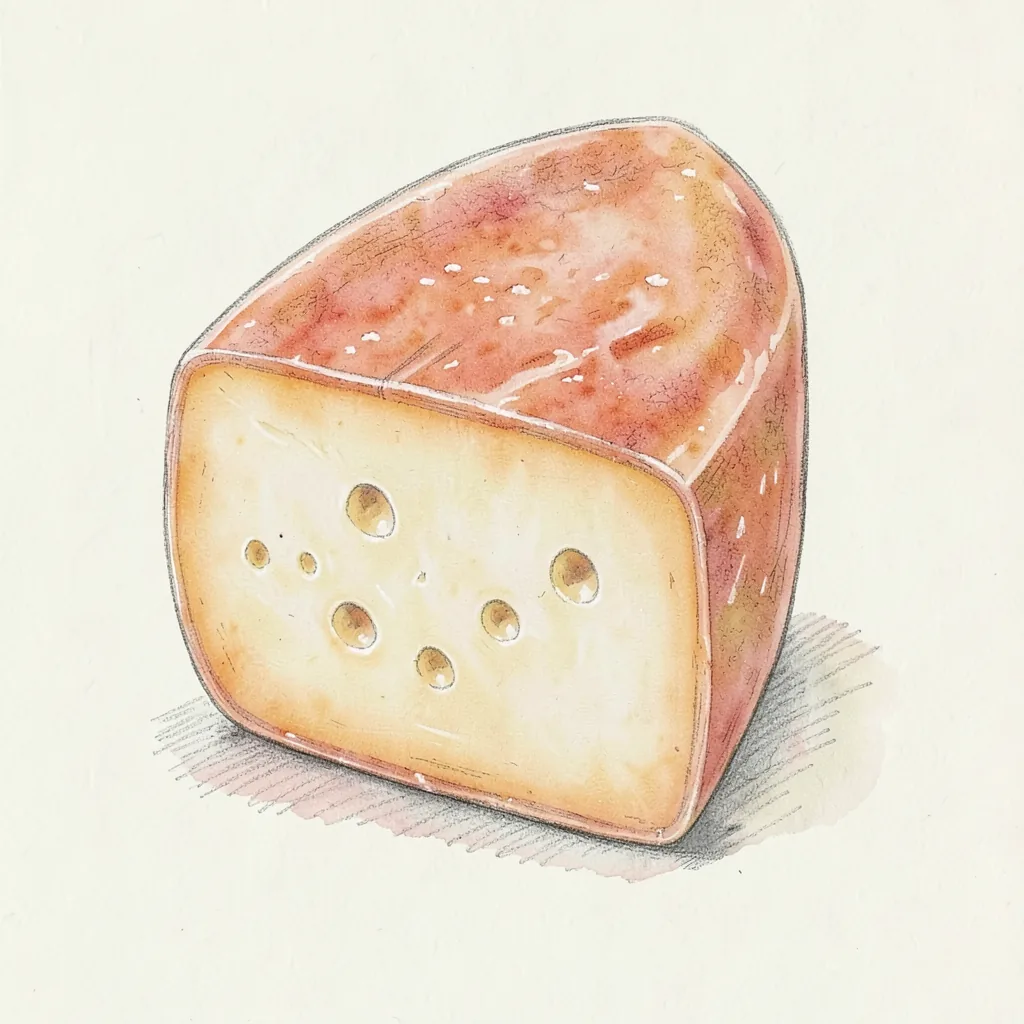
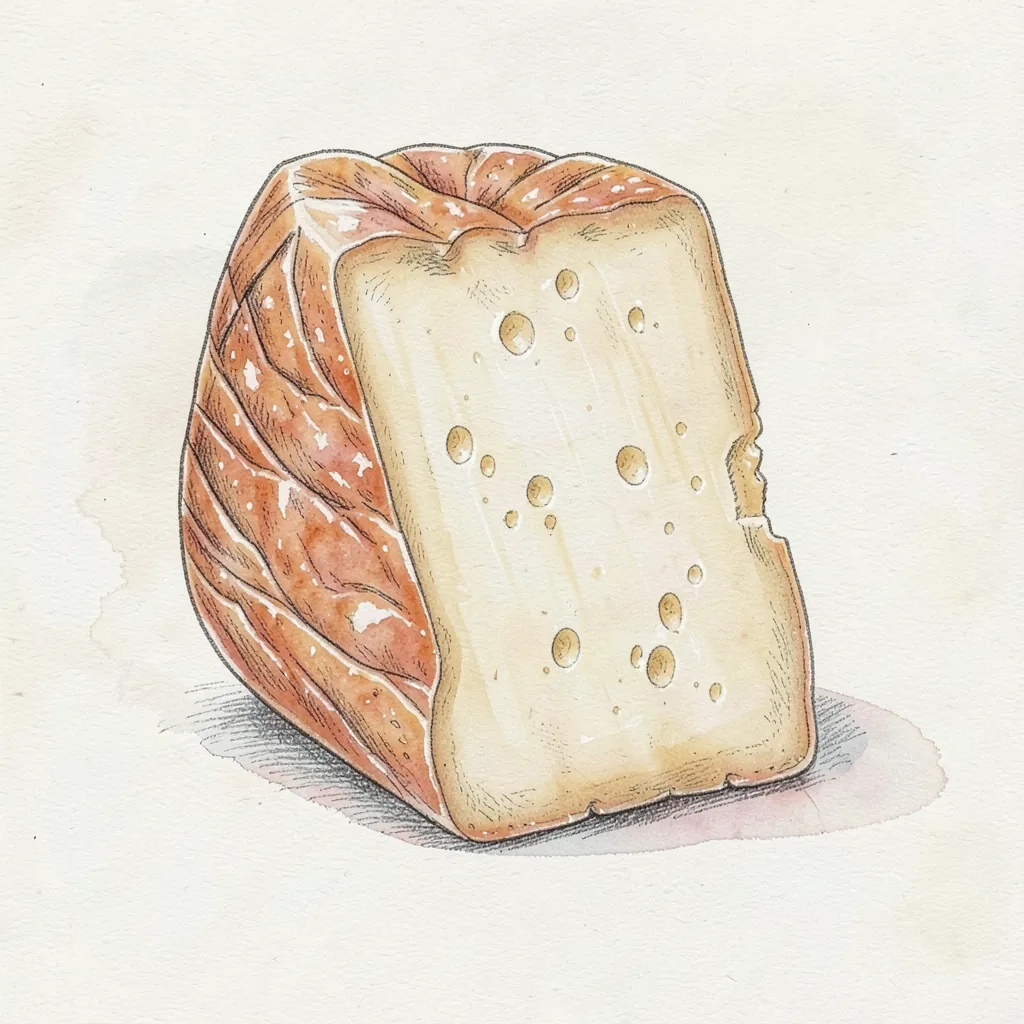
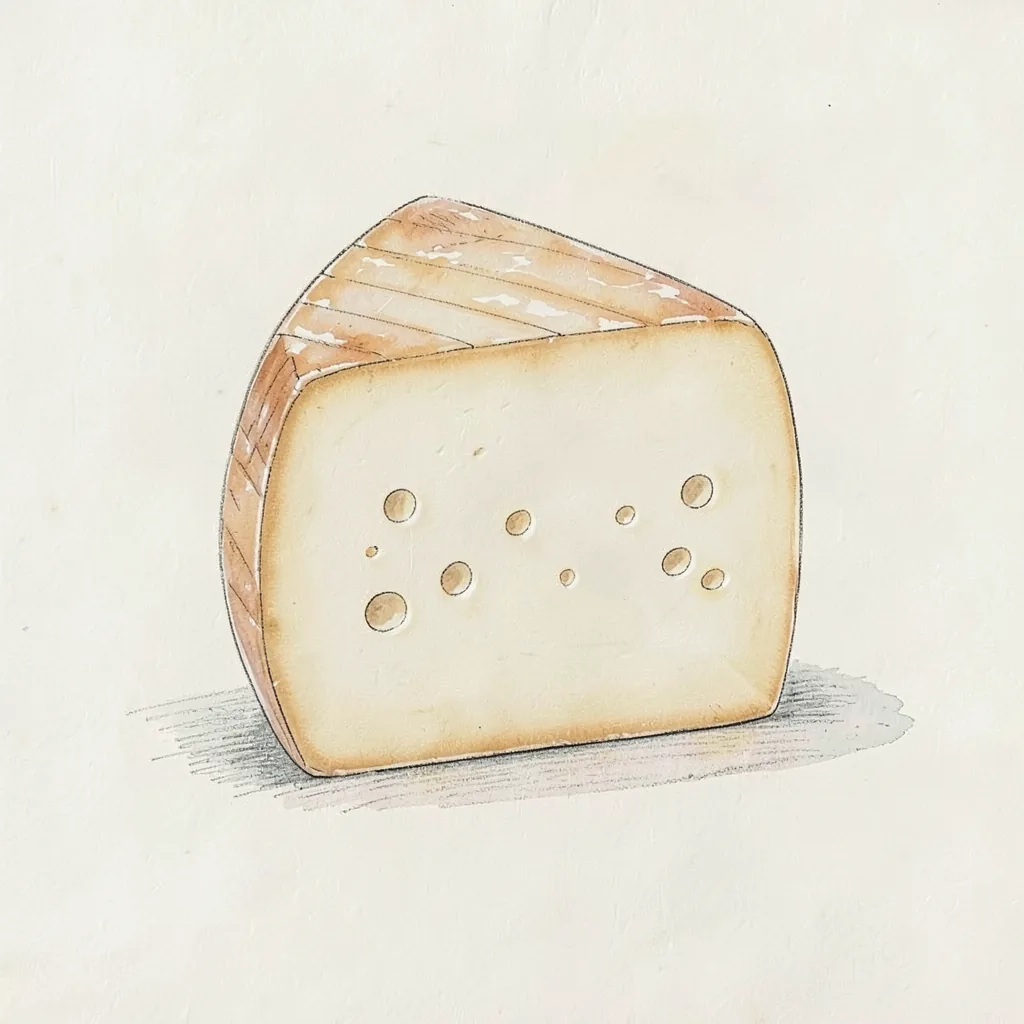
Monks make it as a pressed cheese with a washed rind. The paste is supple and pale yellow, and it yields when you press a slice. A few small, irregular eyes may show inside an otherwise smooth body. Flavor stays lactic and lightly salty, with a nutty aroma instead of a fierce washed rind.
A younger wheel is soft, springy, and very gentle on the palate. A little more age deepens the salt and the nutty side without turning the cheese sharp. Both versions are made for slicing rather than for a long stay on a grater. This is not a hard aged cheese, and it is not a runny bloomy round. Think of a calm French table cheese in a rind that takes on a light orange tone.
History
Abbaye de Timadeuc cheese comes from the French abbey named in its title. It follows a familiar monastic path, with cow's milk, a pressed paste, and a washed rind. The rind is encouraged to take on color, while the interior stays pale and mild. Shoppers group it with approachable French cheeses, not with the strongest washed rinds. People seek it out for a gentle slice more than for a powerful smell.
Comparisons with Port Salut and with Saint-Paulin are common, and all three are gentle pressed cheeses. This cheese keeps its own name and its link to one abbey. It did not turn into a huge industrial brand sold under many labels. Making stays tied to that abbey rather than to a national factory name. The result still feels like a specific French abbey cheese, mild and meant for the everyday table.
How it is made
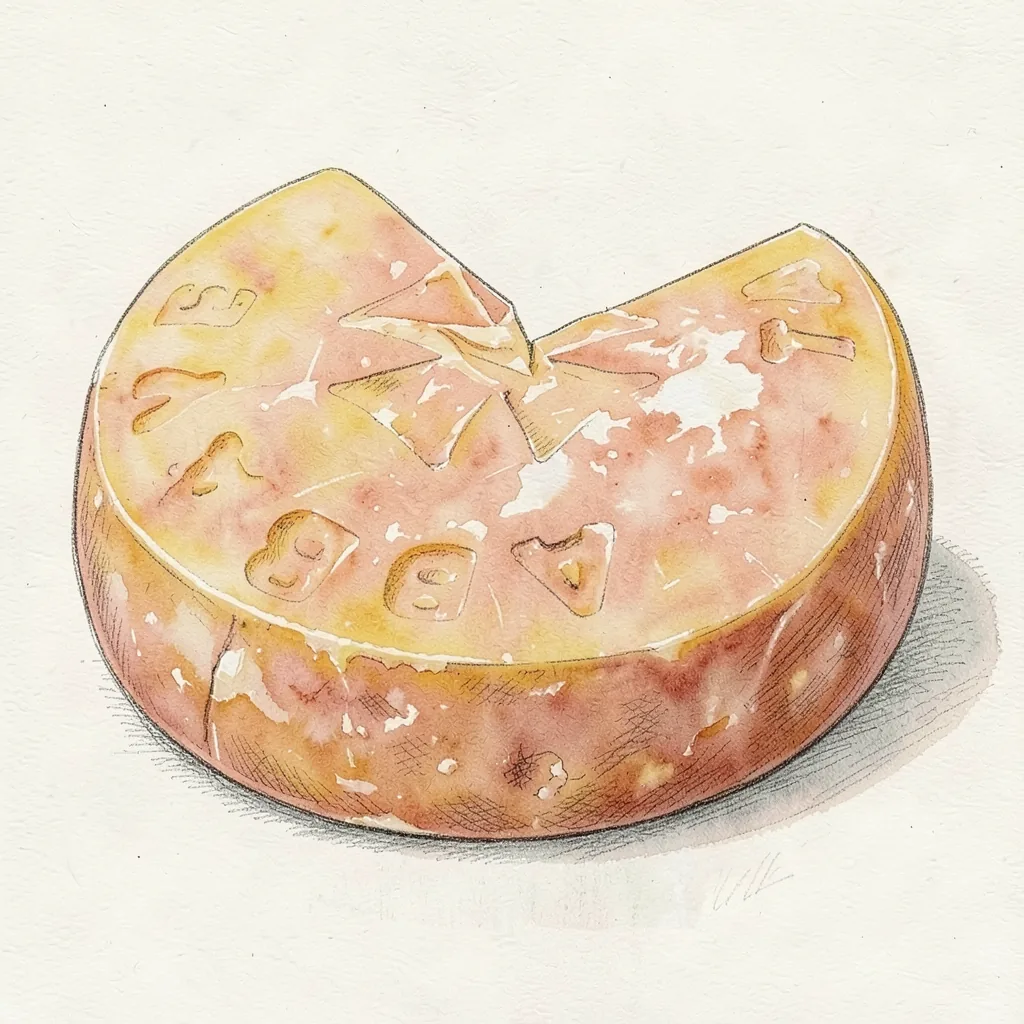
Pasteurized cow's milk is warmed and set with rennet for this cheese. The curd is not cooked into a hard, dry mass. Makers cut it, stir it, and press it into a round, fairly low wheel. Salt goes into the cheese, and the young wheels are washed on the outside as they age. That washing builds a light orange rind while the pressed paste stays supple and moist.
Aging is shorter than for a firm mountain cheese, which helps the flavor stay mild. Moisture in the paste stays high enough for a springy, tender bite. A few small eyes can open without turning the interior into a very open, holey wheel. The rind should look even and lightly colored, not cracked or thickly smeared. Ready for sale, the cheese cuts in clean slices that bend a little before they break.
Taste
The taste is mild, milky, and lightly salted from the very first bite. Butter, fresh cream, and a quiet nutty hint sit together in the aroma. A soft savory note comes off the washed rind, but it never takes over the paste. The body feels smooth, moist, and slightly elastic against the tongue. Acid stays low, so the usual wheel is not sharp, peppery, smoky, or blue.
The interior color is a pale straw yellow from edge to edge. The rind is a warmer yellow-orange on the faces that were washed. In a good example the smell is nutty and clean before you even taste the paste. If the rind is sticky and the smell turns harsh, that piece has gone too far. At its best, the finish is short, lightly salty, and gentle rather than long and strong.
In the kitchen
Cut it for sandwiches and for an easy cheese board with bread and fruit. It melts readily because the paste is moist and has not dried into a grain. Lay slices on toast, in a toasted ham sandwich, or through a vegetable gratin. Bread, a little butter, and a crisp apple are enough beside the cheese. The rind is edible, though some people trim the wash if they want only the mild center.
The gentle flavor will not stand up to a very spicy sauce or a bitter green dressing. A light red wine or a simple cider is a better partner than a heavy, tannic pour. In recipes, it can replace Saint-Paulin or Port Salut when a mild melting cheese is called for. Do not expect the long stretch you get from mozzarella. Let the slice warm out of the fridge so the nutty aroma is easier to catch.
Around the world
Abbaye de Timadeuc cheese is French, and it is best known in France among buyers of monastic cheeses. It does not have the wide fame of Brie or of Camembert. Specialty shops abroad sometimes carry it, but many foreign lists barely mention the name. A traveler should not assume that every French abbey cheese tastes the same. Abbaye de Tamie and other monastic wheels are separate cheeses with their own pastes.
Outside France, treat it as a mild washed-rind cheese made from cow's milk. It can fill the role of Saint-Paulin on a board or in a simple melt. It is a poor swap for a blue cheese, a fresh goat cheese, or a firm alpine wheel. If a shop shortens the name, confirm that you have the French cow's milk abbey cheese. The full name used here is Abbaye de Timadeuc cheese, and a similar abbey name is not the same wheel.