Cow
What it is
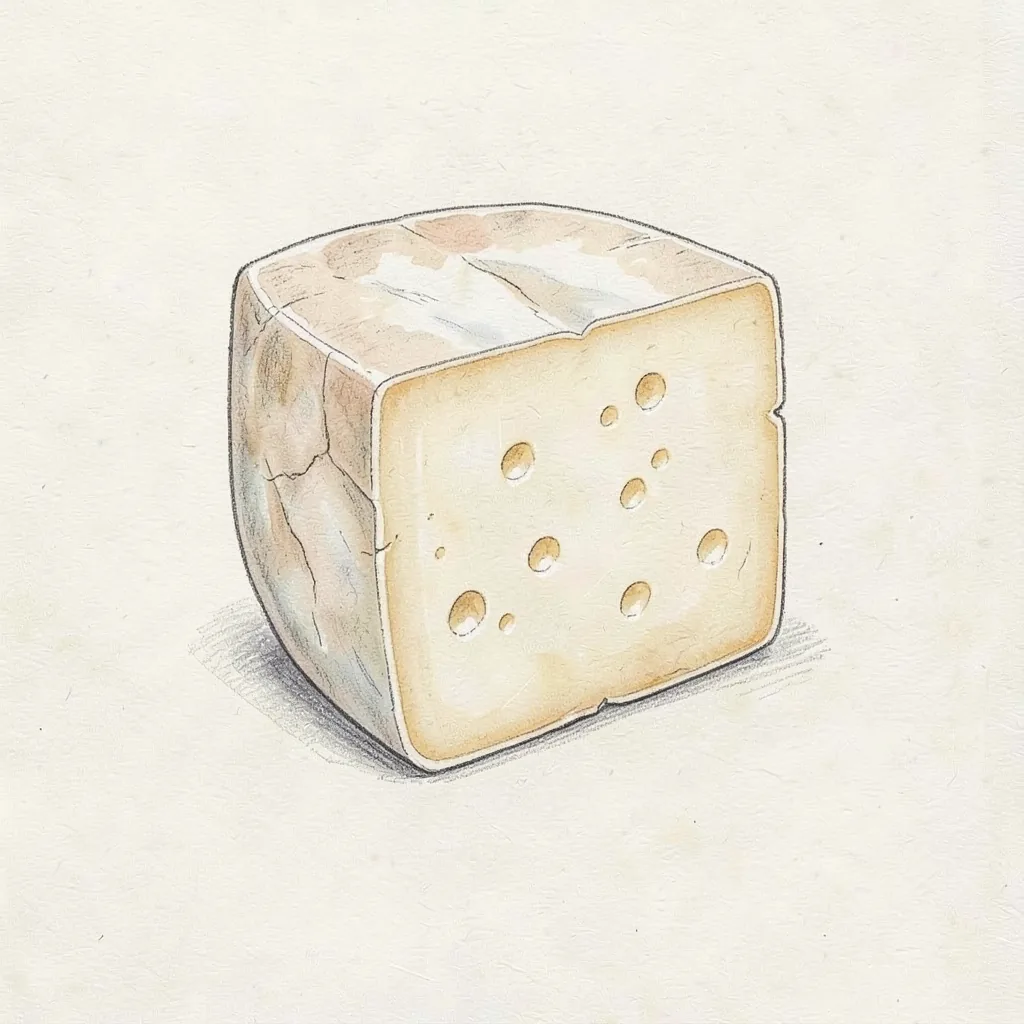
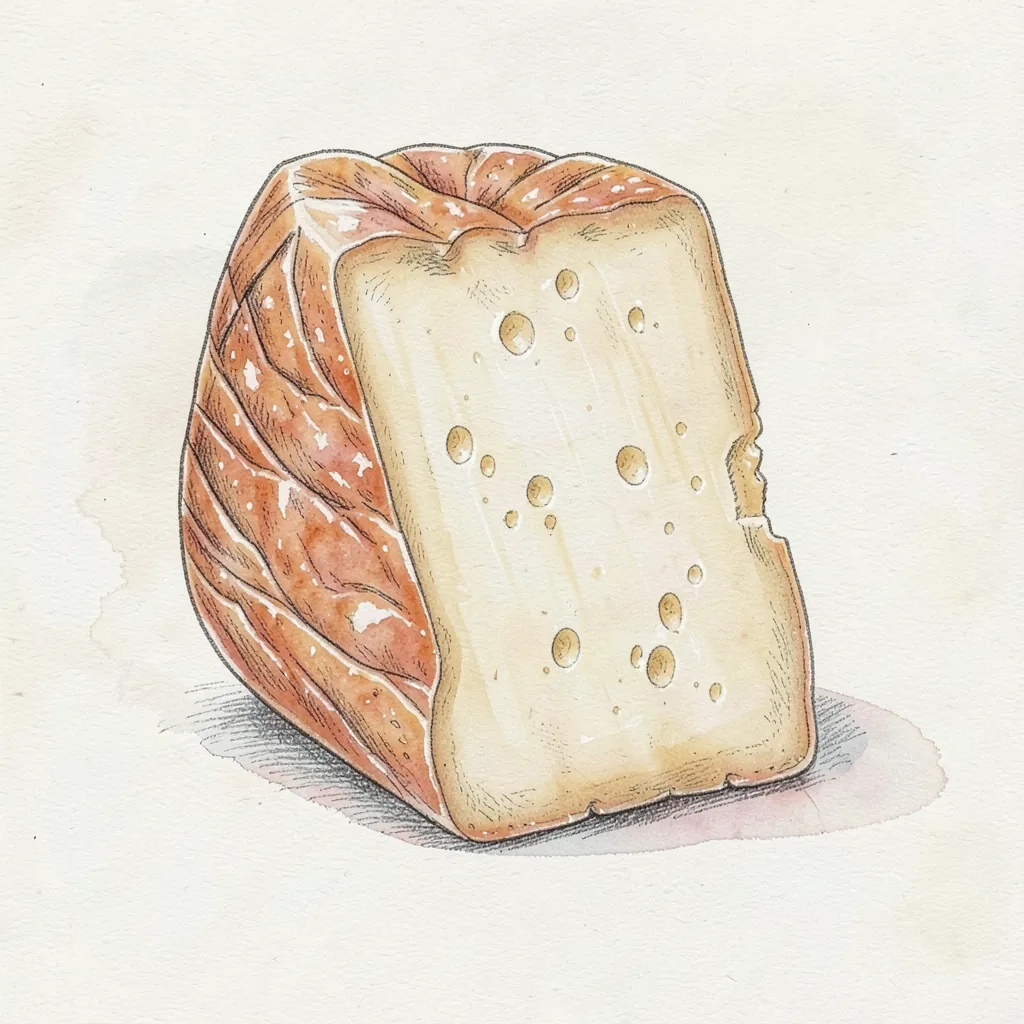
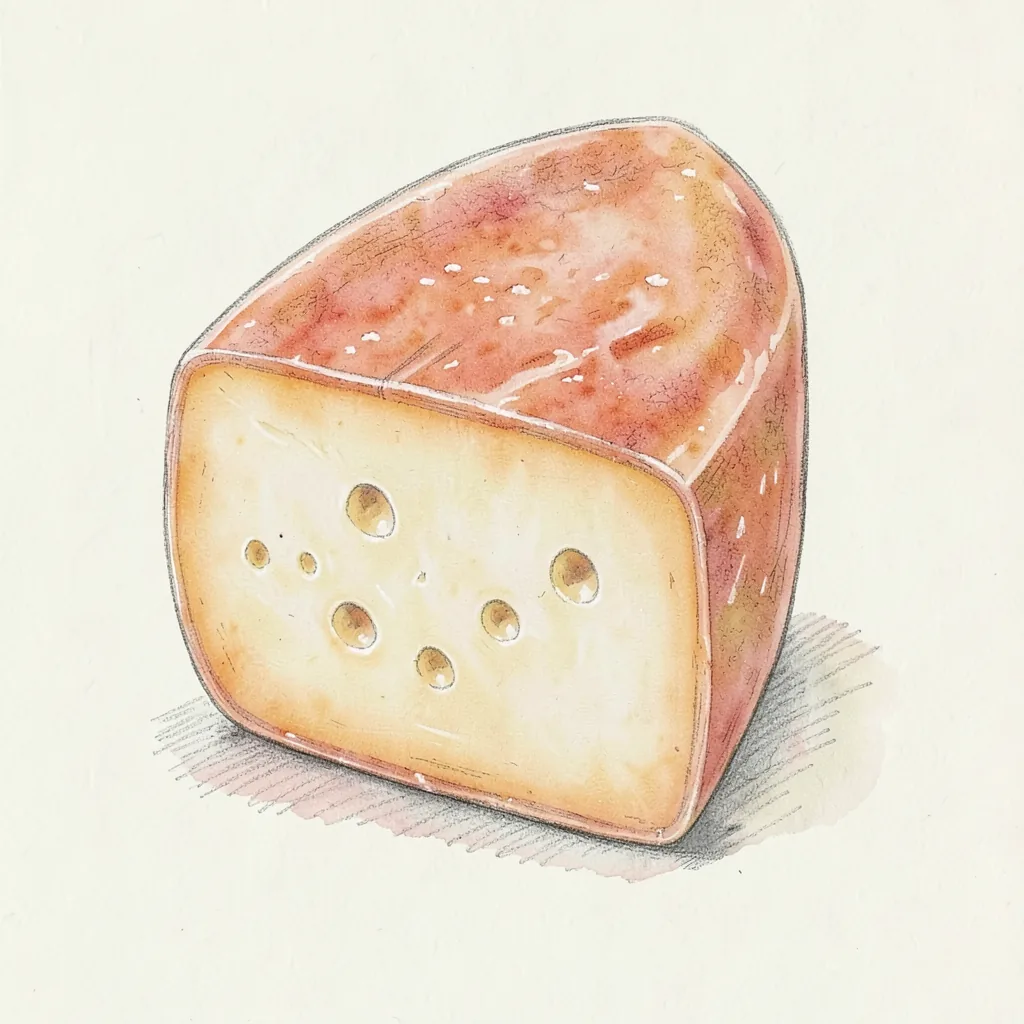
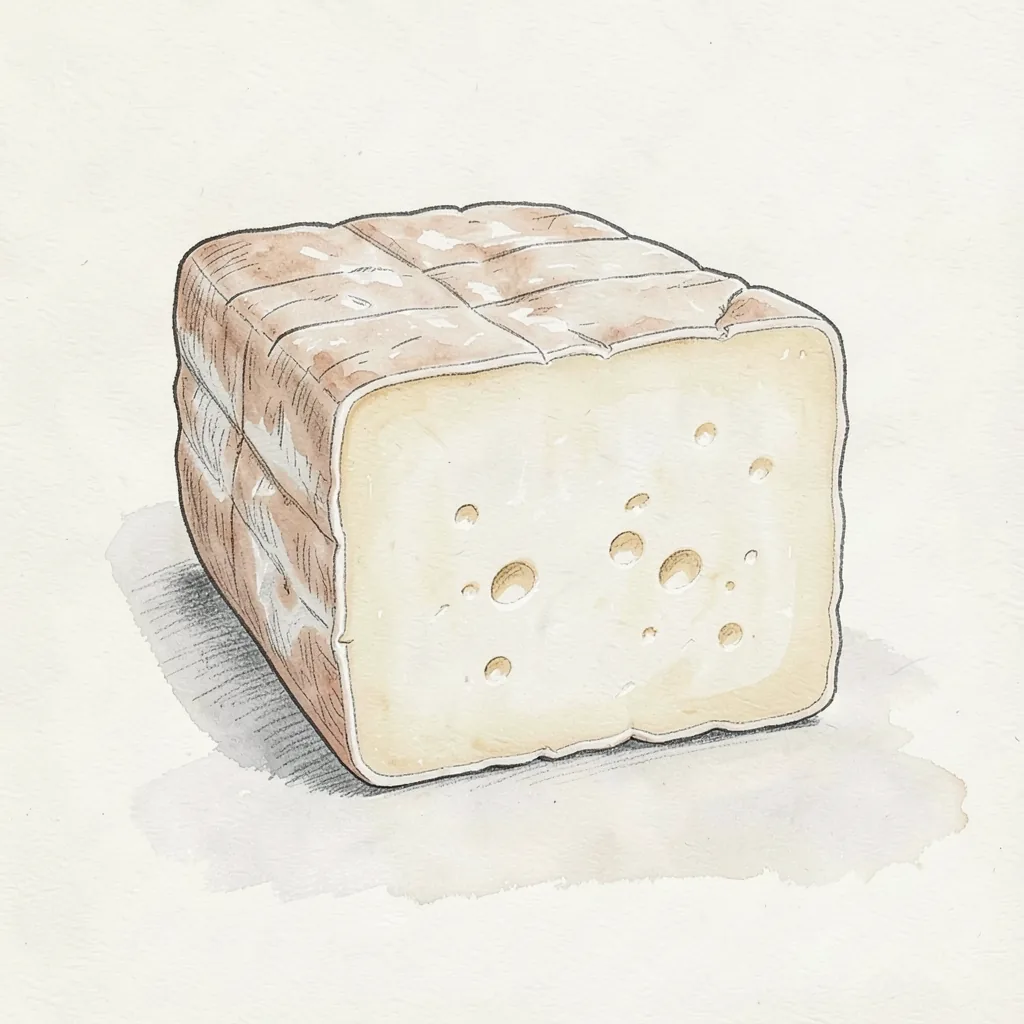
The name is Italian for beautiful country, a phrase long used for Italy itself. The paste is pale cream to light yellow, smooth, and mild, with a thin rind under a close wrap. Makers aim for a wheel that slices cleanly and melts without a fight. It belongs with gentle table cheeses, not with sharp aged wheels from the mountains.
The flavor is buttery, lightly sweet, and milky, and the aroma stays soft in the room. A cool slice is neat and a little springy. A warm slice slumps and melts into a glossy layer. Salt is moderate, and there is no strong washed rind smell and no blue bite. Creamery wheels are steady from pack to pack, which is why cooks trust the cheese in simple hot dishes where other flavors should remain.
History
The cheese took shape in Lombardy as a mild creamery style meant to stand with the soft cheeses then arriving from France. The goal was a delicate taste, a reliable texture, and a wheel that traveled better than a fragile fresh curd. The name linked the food to a proud picture of Italy, rather than to one alpine pasture. Wrapped wheels, instead of anonymous cuts, helped shoppers recognize the cheese. That habit of a marked pack is part of how the style spread.
The style later spread beyond the first Lombardy dairies, and a similar cheese has also been made in the United States. Italian wrapping has often shown a map of Italy, while cheese made in America has often shown a map of the United States, so the picture is a clue. The eating cheese remains the mild semi-soft wheel either way. In Italy the broader type is sometimes called Italico. Bel Paese is still the name most shoppers look for on the label.
How it is made
Cow's milk is cultured and set with rennet, and the curd is cut and stirred until the grains are ready to drain. The curd goes into molds and is pressed lightly, which gives a closed, supple paste rather than an open crumble. Salting is kept in check so the cheese stays mild. Young wheels then rest until the texture is elastic and the flavor is buttery but still gentle. Batch after batch, the aim is the same quiet result.
The rind stays thin and smooth, and the wheel is wrapped for sale rather than left to grow a thick natural coat. Resting time is long enough to settle the paste and short enough to keep it semi-soft. There is no blue piercing and no repeated washing in brine. Creamery methods dominate, which suits a cheese sold as a steady mild type. A good cut looks even, pale, and moist, without cracks or a dark, tired edge.
Taste
Expect butter, warm milk, and a faint sweetness, with a clean short finish. The smell is light and lactic, closer to a young dairy cheese than to a cellar washed round. Acid stays low, and bitterness is not part of the profile. If a piece tastes sharp, soapy, or strongly yeasty, it is no longer in good condition. A fresh wheel should taste quiet and rich, and it should not fight the bread under it.
The paste is smooth, dense, and a little elastic, and a knife makes neat slices. Small eyes may show, but they are not the point of the cheese, and they are not the large holes of a Swiss style. Color stays pale from rind to center. At room temperature the flavor opens and the texture softens, which is the best state for a board. Straight from the fridge it can seem blank, so a short rest on the counter helps.
In the kitchen
Melt it over potatoes, in a vegetable gratin, or on a piece of cooked meat when you want a mild cover rather than a sharp sauce. It can stand in for mozzarella in a bake if you accept a richer taste and less stretch. Slices sit well in a sandwich with ham or roasted vegetables. On a board, bread, mild fruit, and a quiet nut are enough. It does not need a strong condiment, though a little honey is pleasant.
Do not choose it when the recipe wants a loud cheese. It will disappear beside chili, a blue, or a long aged grating cheese. Heat it gently so the fat stays in the slice instead of running out. It is a weak cheese for the grater because the paste is too moist and too young. For a pasta finish, use a hard cheese, and keep Bel Paese for melting and for slices on bread.
Around the world
The cheese travels well, and shops outside Italy often keep it with other mild semi-soft wheels. Cooks reach for it when a dish needs a gentle melt and a strong rind would be wrong. Writers often set it beside Saint-Paulin from France and Butterkäse from Germany. Those cousins are close in the kitchen, and they can cover the same quiet jobs. They are not the same label, so the Italian name should be on the pack if that is what the recipe names.
In the United States, a domestic version may sit beside the Italian import. Read the country line, and look at the map on the wrap, if origin matters to the meal. Both versions aim at the same mild, buttery slice. People who want a Lombardy cheese with more aroma often move to Taleggio, which is stronger and less neutral in a sauce. People who want only stretch on a pizza should stay with mozzarella, and Bel Paese is the quiet middle instead.