Cow
What it is
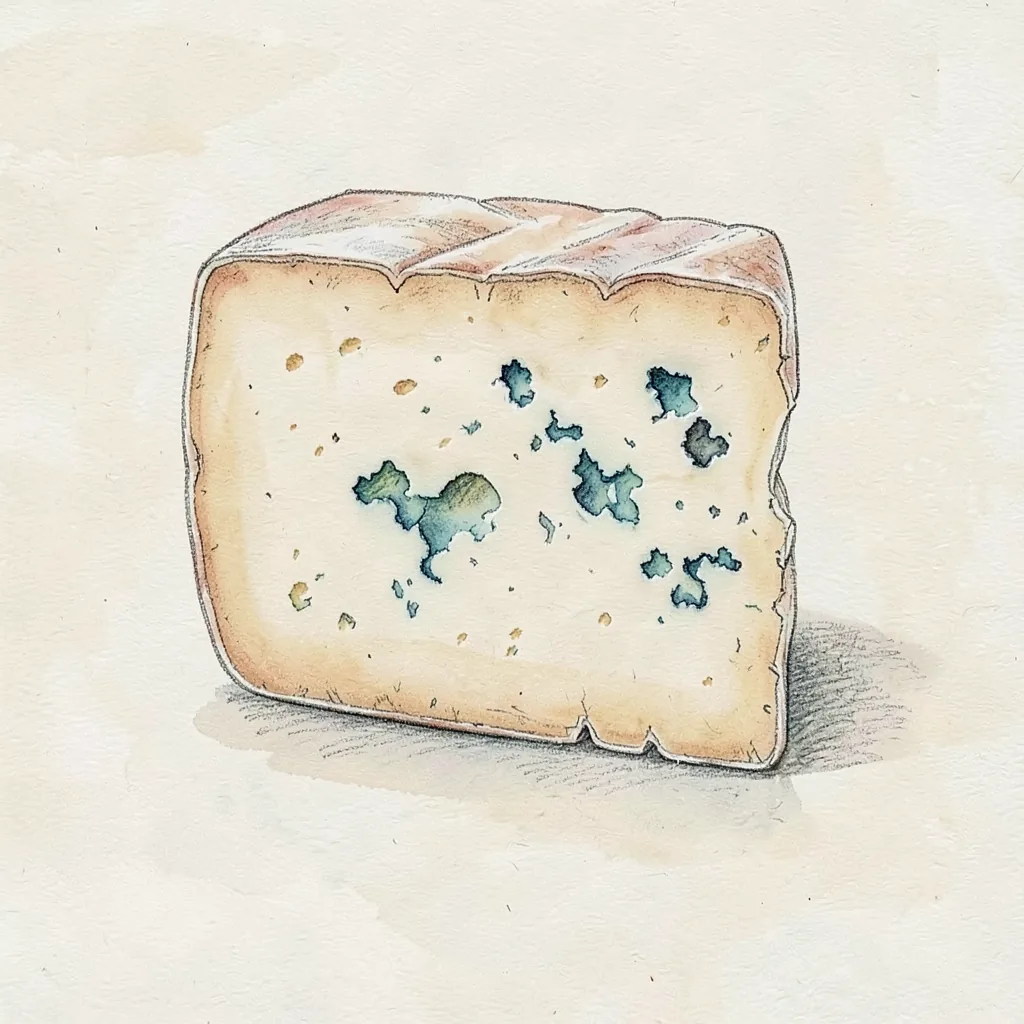
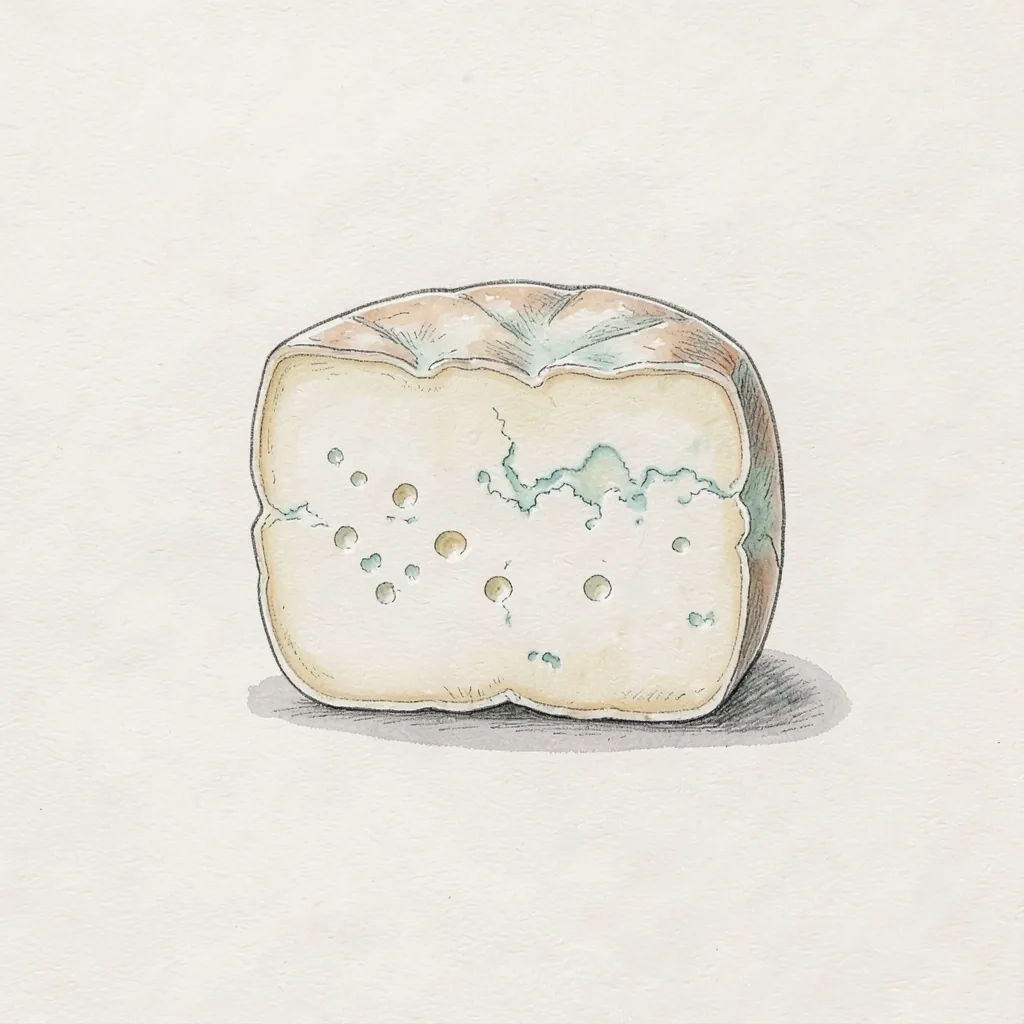
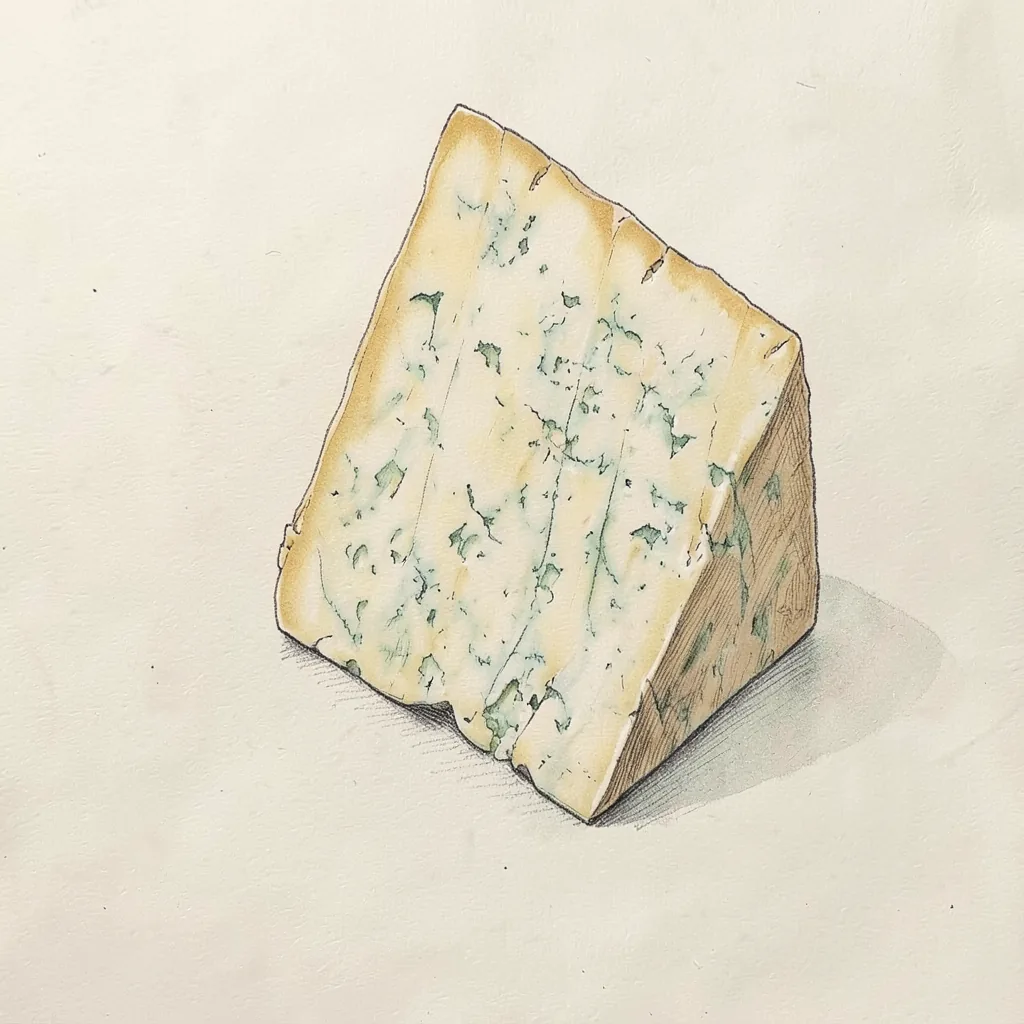
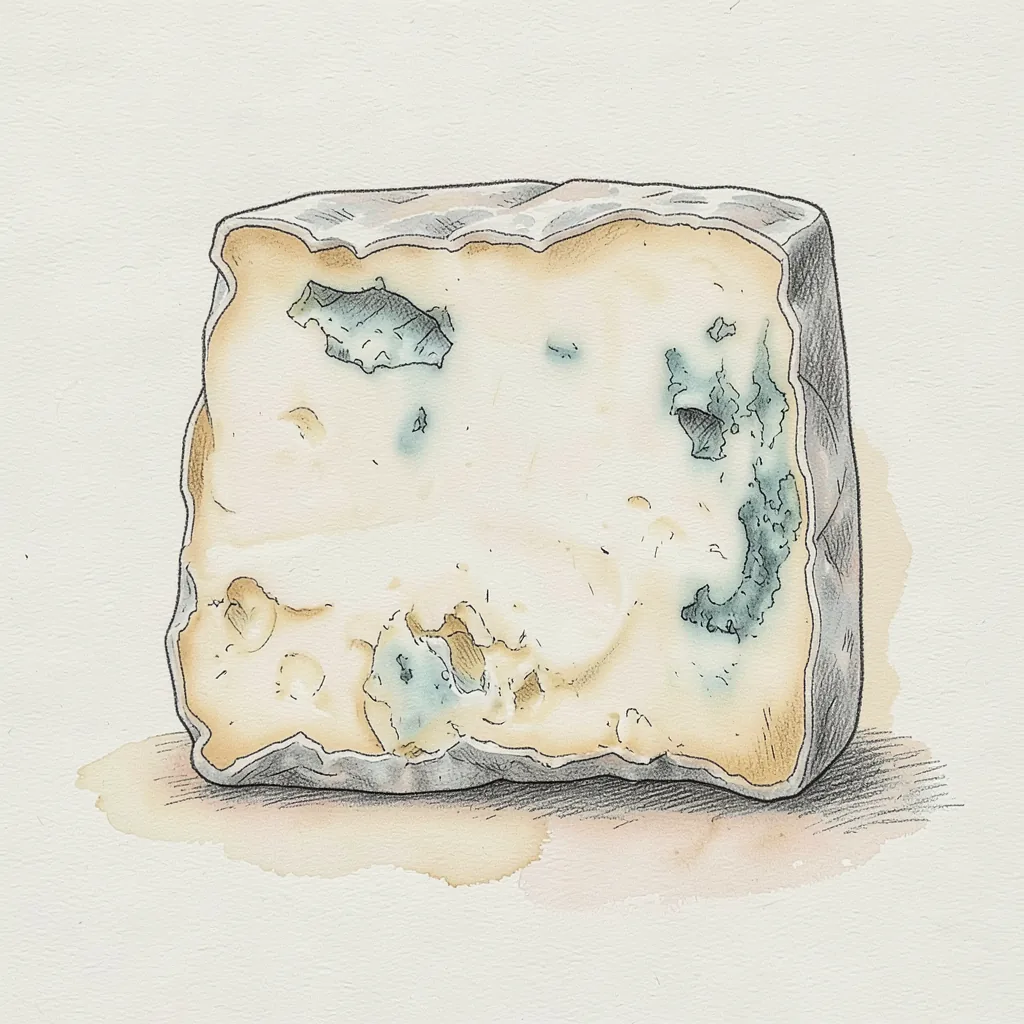
The paste is yellow and semi-soft, with blue-green veins through a creamy body. The rind is edible, and it is left on for flavor as well as for a neat finish. Young cheese tastes mild and a little salty, with a mellow blue note rather than a harsh one. It is a board cheese and a cooking cheese, not a hard grating block.
The milk for the cheese sold under this name is pasteurised, so it sits with blues that ordinary shops can handle as a normal dairy food. Vegetarian rennet is part of the usual make, which matters for many buyers. The veins deepen and the taste grows stronger as the cheese matures, but it stays gentler than a long-aged Stilton. A slice looks marbled rather than packed with dark openings. Serve it cool, not icy, so the creaminess can show.
History
Brighton Blue is a modern English dairy cheese, and the public story is about style more than about an old county custom. It is a cow's milk blue associated with Sussex, in the United Kingdom. It does not rest on a medieval charter or on one ancient farm. The record stresses a mild semi-soft paste, an edible rind, and blue veins. Cheese awards in Britain have made the name easier to find among people who want an English blue beyond the famous truckles.
English blue cheese covers a long list of local names, from Stilton to smaller dairy cheeses, and this one sits on the milder end. Sussex is the area named when writers say where it is made, and the country to cite is the United Kingdom. There is no need to pin the cheese to a town to understand the style. Cow's milk, blue veins, and a body soft enough to yield under a knife are the useful facts. That is the history a shopper can actually use at the counter.
How it is made
Pasteurised cow's milk is set into curd, salted, and formed into cheeses that will take a blue mold. The mold grows as blue-green veins through the paste, not as a surface dusting only. A rind forms on the outside and is meant to be eaten. The body stays semi-soft, so a wedge gives under pressure instead of shattering. Maturing deepens the veins and moves the flavor from mild toward a clearer blue note, and the cheese does not get a wax coat.
Because the milk is pasteurised, the make follows a controlled dairy path rather than a raw-milk farm custom. Salt keeps the flavor savory and helps the texture stay pleasant. Vegetarian rennet is the coagulant tied to this cheese, so many wedges suit people who avoid animal rennet. The rind stays part of the eating and is not trimmed away as waste. Nothing in the method calls for a washed smear or a white bloomy coat, because blue through a creamy cow's milk paste is the point.
Taste
The taste is mild for a blue, mellow in the middle, and slightly salty at the finish. Cream comes first, and the vein adds a clean blue edge without burning the tongue. As the cheese ages, the lines darken and the flavor strengthens, yet it rarely turns fierce. The texture is semi-soft and moist, closer to a rich slice than to a dry crumble. Leave the edible rind on, and eat the cheese while the paste still looks supple.
Aroma is fresh and dairy-like, with the mold note in the background rather than in a heavy cloud. People who find Stilton too strong often do better with this cheese, and the salt stays noticeable but polite. A piece straight from a very cold fridge tastes flatter, so a short rest in the room helps the cream show. There is no ale wash and no orange smear to confuse the smell. What you taste is cow's milk, salt, and a gentle blue vein.
In the kitchen
Set wedges on a board with pears, honey, or crackers, and leave the rind on for extra flavor. Crumble it over a salad, where the mild salt wakes the leaves without drowning them. It softens in gentle heat and can go into a sauce, a baked potato, or a tart. Do not boil it hard, or the fat can separate and turn oily. Because the blue is restrained, small pieces work in dishes where a loud Stilton would take over.
It is a poor grater, and the paste sticks instead of falling as a dry snow. Spread a soft piece on bread once the wedge has warmed, or lay slices beside roast vegetables. Cooking should stay short and moderate so the body stays creamy. It can replace other mild cow's milk blues when a recipe asks for creaminess more than for a sharp, dry punch. Keep some for the table, because it is as good uncooked as it is warm.
Around the world
Brighton Blue is an English cheese, and most buyers meet it in Britain or in shops that import British cheeses. It does not carry a mapped legal zone that limits the name. Visitors meet it among other English blues, often beside harder styles. Stilton remains the name people know first, and this cheese is the milder choice when a board needs blue without a heavy hand. Specialist counters are a safer bet than a random supermarket aisle abroad.
Abroad, cooks can treat it like other approachable cow's milk blues. Crumble it, slice it, or melt it gently, and do not expect the dry crumb of a very old wheel. If a shop cannot get it, Cornish Blue or Dolcelatte can cover a similar job. Oxford Blue is another English blue that people mix up with it, though the tastes are related and not identical. Check for pasteurised cow's milk if that detail matters in your kitchen.